

Choosing an outdoor gas grill is more than choosing a cooking appliance. You need enough heat for burgers and roasts, room to move around the food, storage for tools, and a design that fits your patio, deck, or outdoor kitchen. These options cover everything from compact pizza cooking to large built-in stations, so you can match the grill to your actual cooking routine instead of your available space alone.
The Leading Options At A Glance

Tytus 2-in-1 Gas Grill 4-Burner, Prep Cart
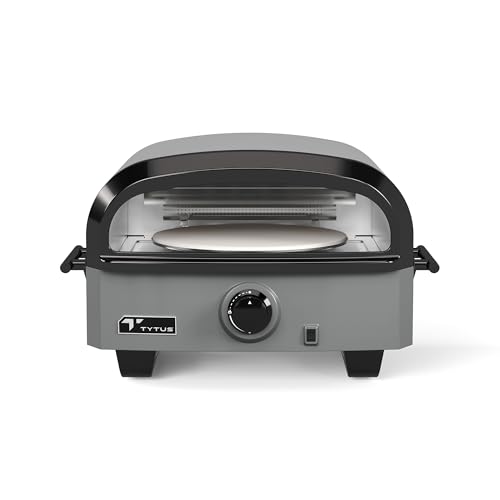
Tytus 14" Tabletop Rotating Propane Pizza Oven

Charbroil Pro Series 3-Burner Grill and Griddle 463365124

Bull Lonestar 60,000 BTU Stainless Steel Grill Head

Blaze Prelude LBM Built-In 32-Inch 4-Burner Propane Grill

Tytus Fresno 66" 5-Burner Propane or Natural Gas Grill
The Strengths Of Each Pick
A connected outdoor cooking system makes this Tytus set more useful than a standalone grill. The grill, prep cart, and pellet smoker share a modular layout, giving you room to prep food, stage tools, and cook over gas in one station. It suits patios that need more function without committing the entire space to a single appliance.
Compared with the Tytus tabletop oven later in this list, this setup offers much more cooking surface and storage. For most families, the 721-square-inch grate area feels easier to manage during a cookout with burgers, vegetables, and larger cuts. You may find the connected design more valuable as your outdoor cooking habits grow.
The Good Stuff
- 721 square inches of porcelain-enameled cast iron cooking space supports full-sized cookouts.
- Four burners distribute heat across a wide main cooking area for varied meals.
- The 12,000-BTU side burner gives you a separate zone for sauces, sides, or warming food.
- The linked prep cart adds 4.7 cubic feet of storage, removable cutting boards, and tool hooks.
- The pellet smoker connection creates a broader outdoor cooking setup without another separate station.
Some Limits To Know
- The modular components take up more patio space than a compact tabletop appliance.
- Owners will need to plan cleaning for the grates, side burner, prep surfaces, and connected cart.
Who It Suits Best
You’ll appreciate this system most as a beginner building a capable outdoor kitchen or a frequent host who wants a broad prep area.
Another Choice May Suit
The Tytus 14" Tabletop Rotating Propane Pizza Oven fits small patios better, especially for cooks focused on pizza rather than full grill meals.
Small patios do not have to mean giving up high-heat cooking. This tabletop oven uses a rotating design and a cordierite stone to move pizza through a focused cooking chamber, which makes it a practical answer for patios, balconies, or a side table near the main cooking area. The format suits cooks who make pizza regularly and want quick, focused meals.
Unlike the broad four-burner Tytus system, this oven prioritizes one specialty task rather than burgers, roasts, and side dishes at once. The 14-inch stone gives you a defined cooking surface, while the rotating chamber helps distribute heat around the pizza. You may find the 18,000-BTU output more useful for a quick dinner than for feeding a large group.
The Helpful Details
- The rotating chamber supports more even cooking across a 14-inch cordierite stone.
- 18,000 BTUs reach a listed maximum temperature of 900 degrees Fahrenheit.
- A flame-control knob gives you direct adjustment during the cooking process.
- The tabletop format keeps the footprint manageable for smaller outdoor spaces.
Points To Keep In Mind
- The 14-inch stone is sized for pizza-focused cooking, not a full grill surface.
- Reaching 600 degrees is listed as taking about 10 minutes, so dinner timing deserves a little planning.
Right Fit For
This oven suits apartment patios, balcony cooks, and anyone who wants a dedicated pizza station with a small footprint.
A Better Fit Elsewhere
The Charbroil Pro Series 3-Burner Grill and Griddle is a better match for burgers, pancakes, and vegetables when you want one appliance for several cooking styles.
The Charbroil Pro Series makes a useful second cooking surface without turning your patio into a collection of specialty appliances. Its griddle insert changes the character of the grill, giving you a flat area for burgers, hot dogs, pancakes, or a quick breakfast while the main grate handles more traditional grilling.
Compared with the Tytus modular set, this model is more focused on cooking versatility within one cabinet. That makes it appealing for weeknight meals and casual gatherings where the menu changes. You’ll need to manage the griddle separately from the grill grates, and the insert’s surface requires prompt cleaning after greasy foods.
Real-World Strengths
- Three-burner gas cooking provides a practical balance for a home patio grill.
- The included griddle insert creates a flat cooking zone for foods that benefit from direct contact with metal.
- The cabinet format helps keep the appliance organized and visually contained on a deck or patio.
- The griddle and grill setup supports breakfast, lunch, and dinner without changing appliances.
Small Caveats
- The griddle insert takes additional time to clean, especially after cheese, bacon, or oily sauces.
- You’ll have less flexibility to add a large side station than you would with the Tytus prep-cart system.
Made For
This grill suits households that want a dependable everyday surface for both grilling and griddling, especially on a medium patio.
Look Elsewhere When
The Tytus Fresno 66" 5-Burner Propane or Natural Gas Grill offers more cooking space for large gatherings and simultaneous dishes.
The Bull Lonestar is a grill head rather than a complete cart grill, so it fits a different kind of plan. You’ll place it into a compatible built-in outdoor kitchen and connect it to natural gas. That makes it a sensible choice for a permanent patio installation where a high-output stainless cooking surface matters more than portability.
Four welded stainless steel bar burners provide a combined 60,000 BTUs, giving you a substantial heat budget for searing and cooking across a large grate. The 304 stainless steel body and dual-lined hood suit an outdoor kitchen exposed to weather, though stainless still needs routine wiping and grease management. Unlike the propane options here, natural gas requires compatible plumbing and a deliberate installation plan.
Benefits That Matter
- Four 15,000-BTU stainless bar burners provide strong, distributed heat.
- Solid stainless steel grates support heavy cooking and a permanent outdoor-kitchen setup.
- Piezo igniters remove the need for a separate lighter during normal startup.
- Twin lighting improves visibility during evening cooking.
Where It May Fall Short
- It is a grill head only, so you need a suitable built-in base, cabinet, and gas connection.
- Natural gas is convenient once installed, but it is a poor match for renters or movable patio setups.
Who Will Love This
This grill head is for homeowners building a dedicated natural-gas outdoor kitchen and comfortable with installation work.
Consider Something Else When
The Blaze Prelude LBM Built-In 32-Inch 4-Burner Propane Grill is easier to match with propane-based outdoor kitchen plans.
The Blaze Prelude LBM brings a commercial-style layout to a built-in propane station. Its 32-inch format and four tube burners make it a good fit for an outdoor kitchen that needs substantial heat without the footprint of a very large freestanding grill. The 304 stainless steel construction is a useful choice for a permanent installation, especially where exposed surfaces will see frequent use.
Compared with the Bull Lonestar, the Blaze uses propane and centers on a 32-inch built-in cabinet opening, which can simplify layouts designed around propane connections. Its flame-stabilizing grids help keep burners operating consistently across the cooking surface. You’ll still need a proper built-in cavity, ventilation plan, and regular grease-cleaning routine.
Notable Gains
- Four 14,000-BTU stainless tube burners create 56,000 BTUs of total cooking power.
- 304 stainless steel throughout supports durability in a built-in outdoor environment.
- Flame-stabilizing grids help maintain consistent burner performance across the cooking area.
- The 32-inch size balances strong heat distribution with a manageable built-in footprint.
Trade-Offs To Consider
- Built-in installation requires careful measurement and a compatible outdoor-kitchen cavity.
- Stainless surfaces can show fingerprints and grease marks, so expect more frequent wiping than with a coated cabinet.
Built With In Mind
You’ll find this model most useful for a dedicated outdoor kitchen where propane power and a permanent stainless installation are priorities.
Swap It Out When
The Bull Lonestar 60,000 BTU Stainless Steel Grill Head suits a natural-gas installation with a higher total heat output.
The Tytus Fresno is built for a bigger social calendar. Its 864-square-inch cooking area includes a 510-square-inch main grill and a 209-square-inch warming rack, giving you room to cook several foods at once without crowding the food. That layout works well for poolside meals, family gatherings, and weekends where multiple dishes need different heat levels.
Compared with the 721-square-inch Tytus modular grill, the Fresno emphasizes a broad, straightforward cooking station with five burners, lighting, a cover, and a pizza stone. You can choose propane or natural gas to match your setup, although the fuel decision affects installation and future flexibility. The large body and cast-iron grates also mean more surface care than a tabletop oven requires.
The Value In It
- 864 square inches of total grilling space supports larger cookouts and multiple dishes.
- Five burners give you flexibility for main foods, sides, and warming items.
- 304 stainless steel burners contribute to a durable, practical outdoor cooking setup.
- Seven-millimeter porcelain-enameled cast iron grates support sturdy cooking and easy food movement.
- Propane and natural-gas options make it easier to align with an existing fuel plan.
What To Weigh
- The 66-inch footprint needs substantial patio clearance for safe movement around the grill.
- Large cast-iron grates and stainless surfaces require regular brushing, wiping, and grease control.
The Right Fit
This grill is for hosts and families who regularly cook for several people and need a generous, organized cooking surface.
Another Choice May Suit
The Tytus 2-in-1 Gas Grill 4-Burner, Prep Cart is a better fit for patios that value connected storage and pellet-smoker flexibility over raw cooking capacity.
Choosing the Right Gas Grill Setup
Fuel type determines installation, while cooking style determines layout. Propane is useful for freestanding and built-in systems that need flexibility, whereas natural gas suits permanent installations with a gas line. Start with the fuel you already use, then check whether the grill’s connection matches your outdoor kitchen plan.
Grate material affects both cooking and maintenance. Cast iron holds heat well and gives you a substantial cooking surface, but it needs frequent brushing and occasional care to resist surface corrosion. Stainless steel is easier to manage in some situations, though it does not replace regular grease cleaning.
Built-in heads save cart space and create a more finished outdoor-kitchen look, but they require accurate measurements, ventilation planning, and compatible cabinetry. Freestanding grills are easier to move and often include storage, while modular systems are worth considering for patios that need more prep space.
A smaller grill can feel roomy enough for two or three people, but the useful measure is the cooking load. Frequent meal prepping benefits from side burners and separate prep surfaces, while pizza cooks may prefer a dedicated stone oven.
Gas Grill Details That Matter Most
Common Shopping Slip Ups
The biggest mistake is choosing by burner count alone. Total heat output, grate area, fuel compatibility, and storage often change the daily experience more than the number of burners. Measure your patio and confirm the fuel connection before ordering, and leave working space around the cooking area for safe access.
What Separates Premium From Basic
Higher-end models often put more emphasis on stainless construction, built-in integration, lighting, ignition systems, and heat distribution. Those features matter most for frequent outdoor cooks and people investing in a permanent kitchen, while a smaller patio setup may get more value from a simpler freestanding design.
Frequently Asked Questions
Do gas grills need a built-in cabinet?
No. Freestanding grills can stand on their own frames, while built-in grill heads require a compatible outdoor-kitchen cavity and cabinetry.
Is cast iron better than stainless steel grates?
Cast iron generally retains heat for a heavier cooking feel, while stainless steel is lighter and straightforward to maintain. Your choice depends on how often you cook and how much brushing you want to do.
Can one grill handle burgers, vegetables, and pizza?
Yes, a large grill with multiple cooking zones can handle several foods, while a dedicated pizza oven offers more focused heat control. Some cooks prefer a combination grill for everyday flexibility.
What is the difference between a grill head and a grill?
A grill head includes the cooking unit but not the surrounding cart or cabinet. A complete grill includes the frame, storage, and often side tables for a freestanding setup.
Is natural gas more convenient than propane?
Natural gas suits permanent outdoor kitchens with a dedicated line, while propane offers more placement flexibility. Choose based on your existing fuel setup rather than convenience alone.
Final Thoughts
Choose a grill that fits your fuel, space, and cooking habits. The Tytus systems suit modular and specialty cooking, Charbroil handles flexible grill-and-griddle meals, and the built-in Bull and Blaze options serve permanent outdoor kitchens. Match the cooking surface to the number of people you regularly feed, and you’ll have a setup that feels useful every weekend.
