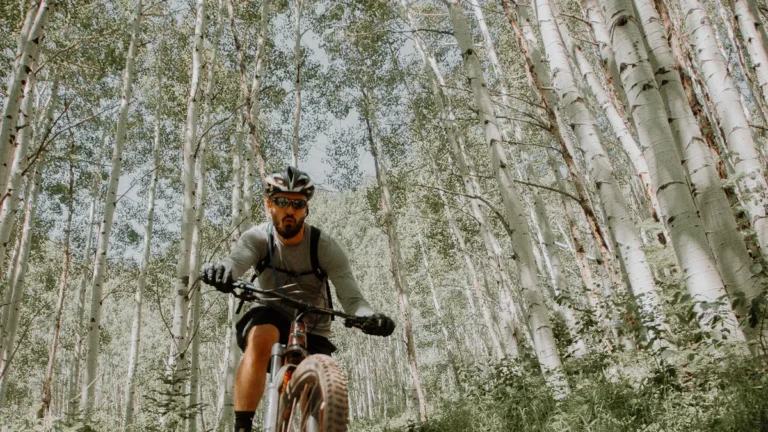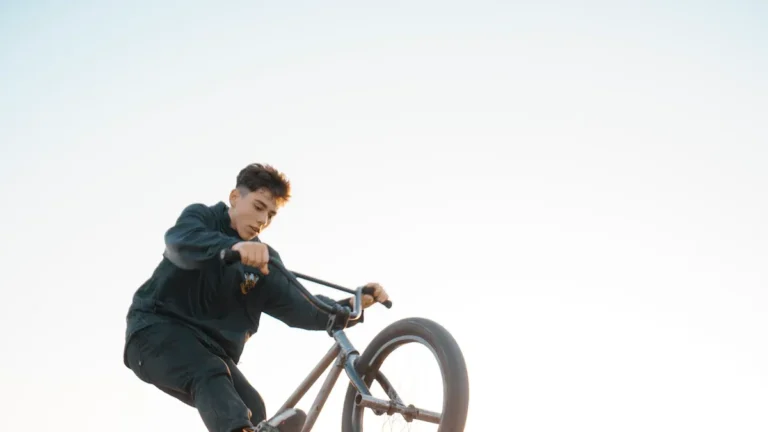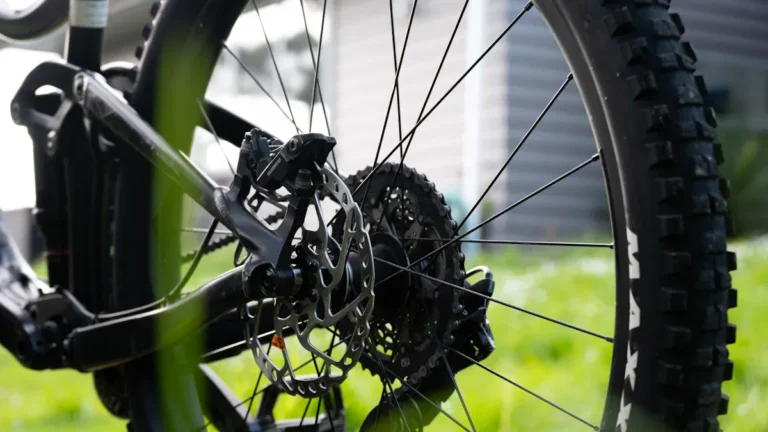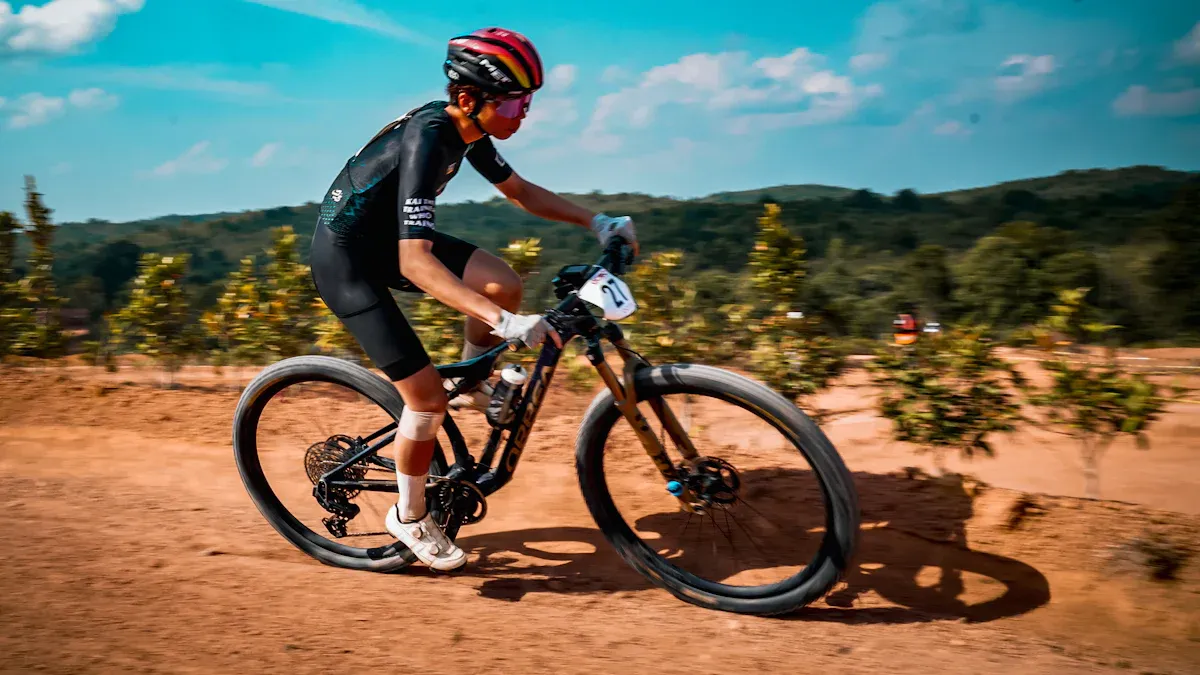
Trail riding offers excitement and adventure, but mastering bike control is crucial for a safe experience. You need to understand safety measures to protect yourself and others on the trail. Following proper etiquette enhances your enjoyment and promotes harmony among all trail users. Effective communication, like using a bell or verbal warnings, prevents collisions and builds trust. Practicing these principles not only keeps you safe but also ensures everyone shares the trail responsibly.
Key Takeaways
Master bike control by practicing balance and steering techniques. This improves your safety and performance on trails.
Always wear essential safety gear like a helmet, goggles, and gloves. This can significantly reduce the risk of injuries.
Ride within your skill level to avoid accidents. Start on easier trails and gradually challenge yourself as you improve.
Follow trail etiquette by yielding to other users. This promotes a respectful and safe environment for everyone.
Respect wildlife and stay on designated trails. This helps protect the environment and ensures enjoyable rides for all.
Bike Control
Balance
Maintaining balance is essential for effective bike control while mountain biking. Here are some techniques to help you stay steady on your bike:
Seek professional guidance from riding instructors to improve your posture and balance.
Keep your shoulders back, back straight, and head up while riding.
Engage your core muscles to support your upper body.
Practice riding without stirrups to enhance stability.
Avoid gripping with your knees or thighs. Instead, use your core muscles for stability. Maintain a relaxed leg position to follow the bike’s motion fluidly. Keep your gaze forward to maintain balance and posture. Looking down can disrupt your balance, so focus on where you want to go.
Improved balance significantly impacts your safety and performance on technical trails. Athletes often show superior balance abilities due to their training, which enhances their performance. Better coordination and strength from practice contribute to improved balance, increasing rider safety.
Steering
Steering your bike effectively is crucial for navigating sharp turns and obstacles on trails. Here are some recommended techniques:
Downhill Switchback Techniques: Focus wide, brake early, keep your knees wide, and maintain heavy feet with light hands.
Bermed Turn Technique: Brake early and hunker down, start wide and high, and adjust your lean based on speed.
Off-Camber Corner Technique: Brake seriously, find your line, turn your bar, and adjust your lean and pedal position.
Common mistakes can hinder your bike control. Here are some to avoid:
Over-Braking: Grabbing the brakes too hard can cause you to lose control. Practice smooth, controlled braking to maintain stability.
Incorrect Gear Shifting: Shifting gears under heavy load can damage your bike’s drivetrain. Anticipate changes in terrain and shift gears accordingly.
Poor Bike Fit: Riding a bike that doesn’t fit properly can lead to discomfort and injury. Ensure your bike is adjusted to your size.
Ignoring Maintenance: Regularly check and maintain your bike to keep it in good working condition.
Riding Beyond Your Skill Level: Gradually increase the difficulty of your rides as your skills improve.
By mastering balance and steering, you can significantly enhance your bike control. This will lead to a safer and more enjoyable mountain biking experience.
Safety Guidelines

Safety Gear
Wearing the right safety gear is essential for protecting yourself while trail riding. Here are some must-have items recommended by leading cycling organizations:
Helmet: A Snell- or DOT-approved helmet is crucial for head protection. It can reduce head injuries by up to 80%.
Goggles: These protect your eyes from dirt and potential injuries.
Boots: They provide ankle support and protect your legs and feet.
Gloves: Gloves enhance your grip and protect your hands from blisters.
Protective clothing: Durable clothing helps withstand falls and abrasions.
Backpack: Use a backpack to carry essentials like food, water, tools, and a first-aid kit.
Using appropriate safety gear can prevent 40 to 60 percent of injuries. Many injured riders report that their injuries were preventable due to rider error. Always prioritize your safety by wearing the right gear.
Ride Within Your Limits
Understanding your skill level is vital for safe riding. Here are some tips to help you ride within your limits:
Evaluate your personal riding skills to know your comfort level on different terrains.
Start on flat, open trails before advancing to more challenging areas.
Avoid attempting maneuvers that exceed your current abilities.
Riding within your limits reduces the risk of accidents on technical trails. You should always plan your rides and understand the trails you will be on. Consult local rental shops for insights on trail conditions and bike recommendations. This preparation helps ensure safety and harmony among all trail users.
Trail Type | Description | Skill Level |
|---|---|---|
Singletrack | A narrow trail, typically only wide enough for one bike at a time. | Beginner to Advanced |
Doubletrack | A wider trail accessible by off-road vehicles, allowing side-by-side riding. | Beginner to Advanced |
Technical | Challenging features requiring advanced bike handling skills. | Advanced |
Flowy | Smooth, rolling trails with minimal obstacles. | Beginner |
Chunky | Rough trails with loose rocks and technical features. | Advanced |
Rock Garden | Sections filled with large rocks requiring careful handling. | Advanced |
Rooty | Trails with exposed tree roots, making them bumpy and slippery. | Intermediate to Advanced |
Off-Camber | Slanted trails making traction and control difficult. | Advanced |
By following these safety guidelines, you can enjoy your trail riding experience while minimizing risks. Always remember to ride responsibly and respect the rules of the trail.
Trail Etiquette
Yielding
Yielding is a fundamental aspect of mountain biking etiquette. It ensures safety and promotes a positive experience for everyone on the trail. Here are some key yielding practices to follow:
Mountain bikers should yield to hikers, runners, and equestrians.
Hikers and runners yield to equestrians.
Downhill users yield to uphill users.
Always slow down and announce your presence to avoid startling others.
By yielding appropriately, you help reduce conflicts and accidents on the trails. Slowing down at conflict points and being aware of your surroundings can make a significant difference. Anticipate other trail users when riding around corners. Step off the trail to let hikers and equestrians pass. Strive to make each pass safe and courteous.
Following these right of way rules fosters a respectful environment among all trail users. Clear signage on trails can also help reduce user conflicts. Maintaining safe speeds at all times is essential for everyone’s safety.
Respecting Wildlife
Respecting wildlife is crucial for preserving the natural environment while enjoying your ride. Here are some important practices to follow:
Stay on designated trails to protect wildlife habitats.
Avoid disturbing animals, especially during sensitive periods like breeding seasons.
Minimize your impact by keeping noise levels down and not feeding wildlife.
Maintaining trail densities to less than one mile per square mile helps reduce impacts on wildlife habitats. Trail construction should occur during times when wildlife is least sensitive. This approach minimizes disturbances and protects the ecosystem.
By respecting wildlife, you contribute to the sustainability of the trails and ensure they remain enjoyable for everyone. Responsible riding not only benefits you but also supports local ecosystems.
Remember, courteous riding and following local trail etiquette create a better experience for all trail users.
Mastering bike control, adhering to safety guidelines, and practicing proper etiquette are essential for a rewarding trail riding experience. By focusing on these areas, you can significantly reduce the risk of accidents and enhance your enjoyment on the trails.
Consider these key takeaways:
Key Findings | Implications |
|---|---|
Increased ridership correlates with decreased injury rates | More cyclists lead to improved safety due to increased awareness among motorists. |
Infrastructure influences injury and crash risk | Certain designs, like multi-lane roundabouts, can increase risks unless properly designed with separated cycle tracks. |
Sidewalks and multi-use trails pose higher risks | Facilities with dedicated bike paths are associated with lower risk for cyclists. |
Remember to yield to other trail users, wear protective gear, and maintain your bike. These practices not only ensure your safety but also contribute to a positive riding community. Embrace these principles, and enjoy the trails responsibly! 🚴♂️🌲
FAQ
What should I wear for trail riding?
Wear a helmet, gloves, and protective clothing. Choose sturdy shoes that provide ankle support. Goggles can protect your eyes from debris. A backpack with water and snacks is also essential for longer rides.
How do I choose the right trail?
Select trails based on your skill level. Beginners should start with flat, open trails. Advanced riders can tackle technical or rocky paths. Always check local resources for trail conditions and recommendations.
What should I do if I encounter wildlife?
Stay calm and keep your distance. Do not approach or feed animals. If you see wildlife on the trail, slow down and quietly pass by. Respect their space to ensure both your safety and theirs.
How can I improve my bike handling skills?
Practice balance and steering techniques regularly. Consider taking lessons from experienced riders. Gradually increase the difficulty of your rides to build confidence and skills. Consistent practice will enhance your bike control.
What should I do if I get lost on the trail?
Stay calm and assess your surroundings. Use a map or GPS to determine your location. If you cannot find your way, retrace your steps to a familiar point. Always inform someone of your route before heading out.