Trail hiking fundamentals is crucial for every hiker. You enhance your hiking experience by mastering three key areas: navigation, fitness, and safety. Each area plays a vital role in ensuring you enjoy your hike while minimizing risks. For example, navigation helps you find your way, fitness boosts your endurance, and safety measures protect you from potential hazards. According to recent studies, effective navigation improves accessibility and safety, while fitness is linked to better health. Moreover, prioritizing safety through planning can significantly reduce accidents on the trail.
Navigation Skills
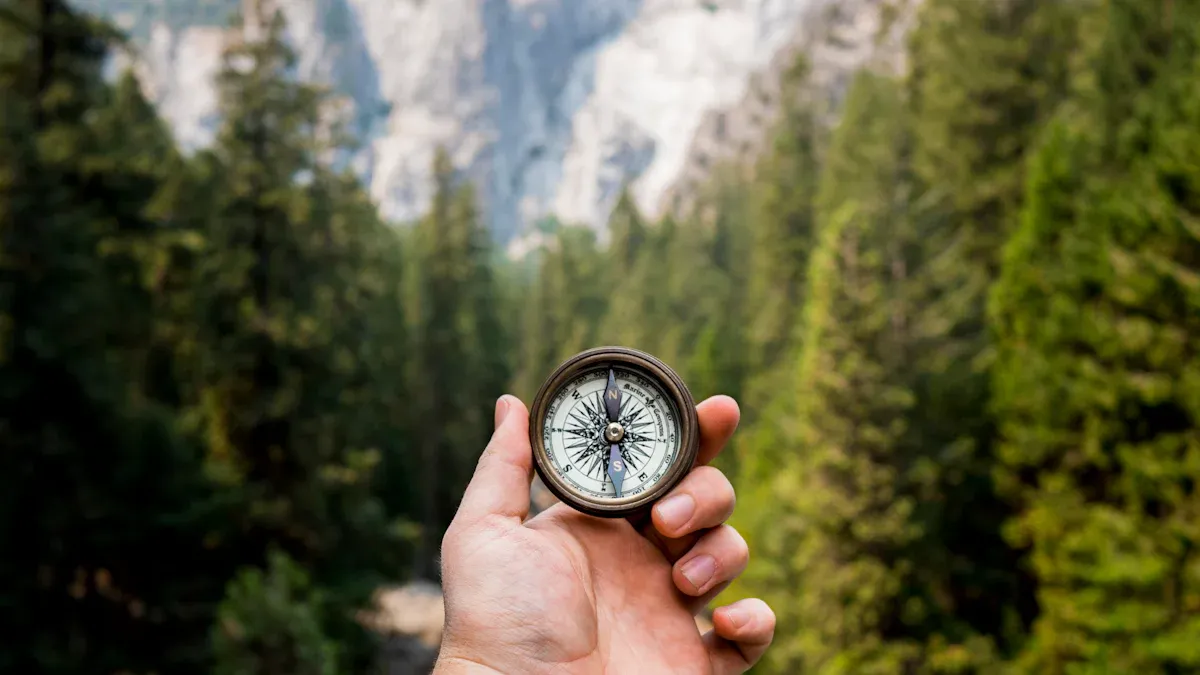
Effective navigation skills are essential for every hiker. They help you stay on track and avoid getting lost. Understanding how to use trail maps, compasses, and GPS devices can significantly enhance your hiking experience.
Trail Maps
Trail maps serve as your primary guide on the trail. They provide vital information about the terrain, including elevation changes, water sources, and trail junctions. Here are some best practices for using trail maps effectively:
Familiarize yourself with map features such as campsites, river crossings, and trail junctions to locate yourself effectively.
Always carry a printed map and a compass alongside digital maps to avoid reliance on battery life.
Practice using contour lines to understand elevation changes and terrain types before your hike.
Improve your understanding of scale to estimate distances on the map accurately.
Identify reference points using the map legend to help orient yourself while hiking.
Despite their usefulness, trail maps can sometimes contain outdated information. Many maps have not been updated since the 1990s. This can lead to inaccuracies in trail conditions and closures. Therefore, you should regularly check for updates before your hike.
Common navigation errors can occur if you do not pay attention to your surroundings. For example:
Following others blindly can lead to getting lost, as other hikers may also be disoriented.
Failing to mark your position on the map regularly can result in losing track of your location.
Not counting trail junctions or noting significant elevation changes can lead to confusion about your route.
Ignoring the need to plan turnaround times can result in being caught in darkness.
Using a Compass
A compass is a valuable tool for navigation. It helps you find your way, especially in areas where trails are less defined. Here are the essential steps for using a compass effectively:
Gather necessary equipment, including a compass, map, string, and declination information.
Place the map on a level surface with north facing up and determine hiking distance using the map’s scale.
Position the compass on the map, ensuring it’s away from metal objects.
Identify your current location on the map using landmarks.
Take a bearing by aligning the direction-of-travel arrow with a landmark.
Draw a line on the map from your location to the landmark.
Repeat the process for a second landmark to triangulate your position.
Use the base plate to align your starting point with your destination.
Adjust the compass for declination.
Hold the compass flat and align the needle with the orienting arrow.
Navigate towards your destination while keeping the compass aligned.
Using a compass may seem challenging at first, but practice makes perfect. You will gain confidence as you learn to navigate with this essential tool.
GPS Devices
GPS devices have become popular for trail navigation. They offer several advantages, but they also come with limitations. Here’s a quick overview:
Advantages | Limitations |
|---|---|
Provides accurate location and elevation | Can run out of power or break, necessitating a paper map for reliability. |
Helps in backtracking and tracking progress | GPS devices may underestimate or overestimate distance and elevation due to periodic satellite connection. |
Facilitates sharing of tracks and metrics | Maps from GPS devices may be outdated or inaccurate compared to regularly updated physical maps. |
Useful in low visibility or remote areas | Users should develop traditional navigation skills to complement GPS use. |
While GPS devices can enhance your navigation skills, they should not replace traditional methods. Always carry a backup map and compass to ensure you can navigate safely.
Hiking for Beginners
Starting your hiking journey can be exciting and rewarding. However, you must choose the right trail, gather essential gear, and plan your hike effectively.
Choosing the Right Trail
Selecting a suitable trail is crucial for a positive experience. Here are some factors to consider:
Assess Your Fitness Level: Choose trails that match your abilities.
Consider Distance and Duration: Start with shorter trails, typically 1-3 miles.
Evaluate Difficulty Level: Opt for low to moderate difficulty ratings.
Examine Terrain and Trail Conditions: Select trails with easy terrain and check conditions.
Prioritize Accessibility: Look for trails with easy access and amenities.
Research Trail Descriptions and Reviews: Use online resources for detailed information.
By following these tips, you can ensure a manageable experience that builds your confidence as a hiker.
Essential Gear
Having the right equipment is vital for comfort and safety. Here’s a list of essential gear for beginner hikers:
Backpacks: Carry snacks and water easily.
Hiking Boots: Provide necessary support and protection.
Headlamp: Useful for unexpected low-light conditions.
First-Aid Kit: Important for treating minor injuries.
Safety & Navigation Tools: Necessary for wilderness safety.
Water & Snacks: High-protein snacks keep your energy up.
Using proper hiking attire also enhances your experience. It ensures freedom of movement and protects you from the elements.
Trip Planning
Planning your hike reduces risks and enhances enjoyment. Here are key steps to follow:
Choose a suitable hiking trail based on distance, elevation, and terrain.
Note potential resting places along the way.
Check the weather forecast to dress and pack appropriately.
Assess your fitness level to select trails that match your capabilities.
Ensure you have the basics: food, water, and proper clothing.
Remember, the mountains have been here for thousands of years. You can always turn around if conditions become unfavorable. This mindset allows you to enjoy your hike without unnecessary risks.
Fitness for Hiking
Physical fitness plays a crucial role in your hiking experience. It enhances your endurance, strength, and overall enjoyment on the trail. When you improve your fitness, you can tackle more challenging hikes and enjoy longer outings.
Building Endurance
To build endurance for hiking, follow these effective strategies:
Identify your baseline fitness level to understand your current capabilities.
Focus on building endurance first before adding strength and speed.
Gradually increase your hiking mileage by no more than 10% per week.
Incorporate strength training exercises targeting quads, glutes, and calves, especially one-leg exercises.
Research shows that individuals with lower fitness levels experience longer hiking times and report less enjoyment compared to those with higher fitness levels. You can expect noticeable improvements in your hiking economy within a few weeks of focused training.
Duration | Training Type |
|---|---|
12 weeks | Combination of aerobic, anaerobic, and strength training |
Few weeks | Noticeable improvements in hiking economy |
Couple of months | Further enhancements possible |
Strength Training
Strength training is vital for hikers. It improves joint and muscle resilience, which is crucial for facing varied terrains. Here are some beneficial exercises:
Exercise Type | Exercises |
|---|---|
Leg Strength | Squats, lunges, deadlifts, calf raises |
Core Strength | Plank hold, seated twist, side bends, bird dog |
Lateral Leg Strength | Side steps with a band, side lunges, slide leg lift, side step-ups |
Incorporating exercises like weighted step-ups and Bulgarian split squats can enhance your strength for both ascents and descents. Strengthening your glutes, quads, and hips improves efficiency during climbs and descents.
Stretching and Recovery
Taking a few minutes to stretch after a hike helps reduce next-day soreness. These movements support recovery, improve flexibility, and keep you ready for your next outing.
Warm Up and Cool Down: Start your hike at an easy pace to warm up your muscles and slow down towards the end to cool down.
Stretch and Self-Massage Right Away: Perform light stretches immediately after hiking to aid recovery.
Yoga Poses: Incorporate yoga poses to relax your body post-hike.
Use Gear for Massage: Utilize items like a hard-sided water bottle for self-massage on sore muscles.
Incorporating these practices into your routine can significantly enhance your hiking performance and reduce fatigue. Remember to stay hydrated and know your limits to hike smart and enjoy every moment on the trail.
Safety on the Trail
Safety is a top priority when you hit the trails. Understanding how to prepare for weather changes, be aware of wildlife, and have essential first aid supplies can make your hike safer and more enjoyable.
Weather Prep
Weather can change quickly in the outdoors. To stay safe, you should always prepare for unexpected conditions. Here are some essential tips:
Check the weather forecast thoroughly before your hike. Understand seasonal weather patterns in your hiking area.
Have a Plan B in case conditions worsen. Keep someone informed about your hiking plans.
Monitor cloud developments and learn to recognize signs of lightning. Look for darkening skies and changes in wind patterns as indicators of thunderstorms.
Pack appropriate clothing for varying conditions. Consider bringing:
Waterproof jacket or windbreaker
Down jacket if you’re hiking in cold weather
Insulating layers such as fleece and thermals
Sun protection like a hat and sunscreen
Sturdy hiking boots
By preparing for changing weather, you can avoid dangerous situations on the trail.
Wildlife Awareness
Encounters with wildlife can be thrilling but also risky. To ensure your safety, follow these guidelines:
Make noise while hiking to avoid surprising wild animals. This simple action can prevent unexpected encounters.
Keep a safe distance from all wildlife. Wild animals aren’t to be petted. For example, maintain a wide distance from mountain goats and avoid direct eye contact.
Learn about the wildlife on trails you’ll be hiking. Know what to do in specific wildlife encounters. For instance, if you see a bear, stay calm, back away slowly, and carry bear spray.
Don’t feed animals. Feeding can alter their behavior, making them more dangerous.
By being aware of your surroundings and understanding wildlife behavior, you can hike safely.
First Aid Essentials
Accidents can happen on the trail, so having a well-stocked first aid kit is crucial. Here are the essentials you should carry:
Adhesive bandages
Antibacterial ointment
Antihistamine for allergic reactions
Antiseptic wipes
Blister treatment
CPR mask
Gauze pads
Pain relief medication for adults and children
Insect sting and anti-itch treatment
These supplies can help you address common hiking injuries, such as blisters, dehydration, and sprained ankles. Knowing how to use these items effectively can make a significant difference in an emergency.
In addition to carrying first aid supplies, you should also have an emergency plan. This plan should include knowing your limits and recognizing signs of fatigue or injury. If you feel unwell, cut your hike short to avoid higher risks.
By following these safety tips, you can enjoy your hike while minimizing potential hazards. Remember, preparation is key to a successful and safe hiking experience.
In summary, mastering navigation, fitness, and safety is essential for a successful hiking experience. Effective navigation enriches your outdoor adventures and helps you appreciate the wilderness. You should always plan your route, practice with navigation tools, and stay flexible in your approach. Building your fitness enhances endurance and strength, allowing you to tackle more challenging hikes. Prioritizing safety ensures you are prepared for unexpected weather changes and wildlife encounters.
As you prepare for your next hike, remember to carry the ten essentials, respect wildlife, and practice ‘leave no trace’ principles. By applying these fundamentals, you can enjoy a more secure and fulfilling hiking experience.