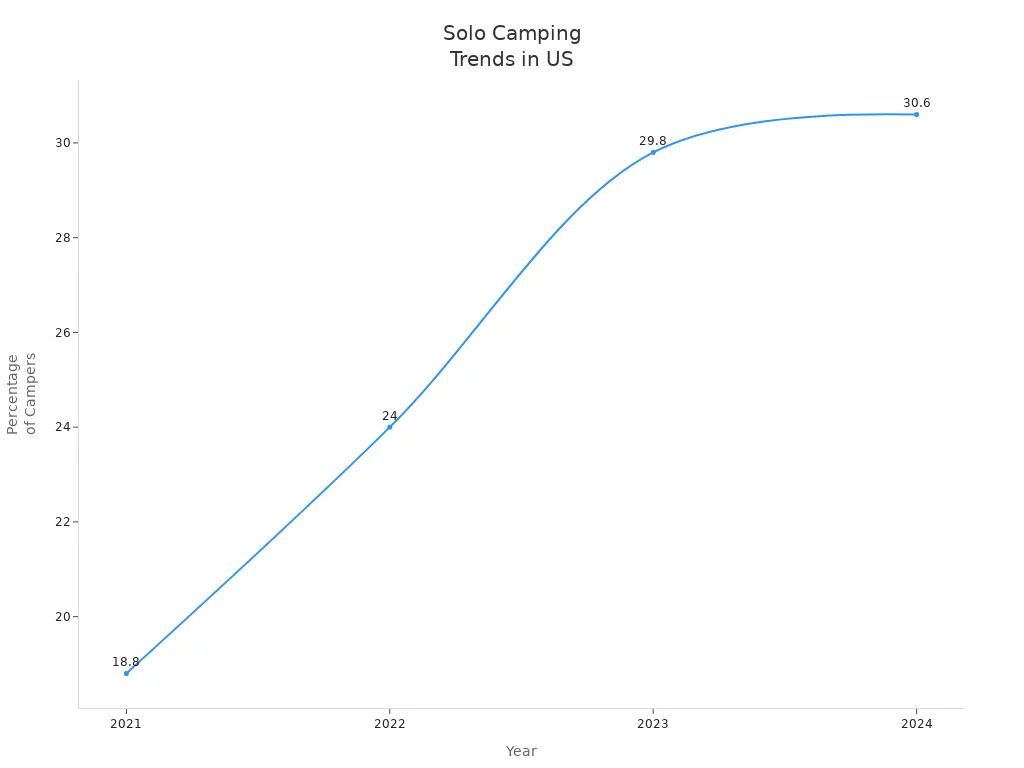
Solo camping is an exciting way to enjoy nature, and our Solo Camping Guide can help you make the most of it. It allows you to connect with the outdoors on a personal level. More people are choosing to camp alone, and in 2024, 30.6% of campers went solo. This trend reflects a desire for independence and self-discovery. However, it’s normal to have concerns about safety.
Preparation and a positive mindset are crucial for a successful trip. Our Solo Camping Guide emphasizes the importance of having the right gear and knowing how to handle potential issues. Embrace the adventure with confidence and relish the freedom that comes with camping alone.
Preparation for Camping Alone
Essential Gear
Getting ready for camping alone means having the right gear for safety and comfort. Here is a list of important items that solo campers suggest:
- Clothing: Pick clothes that work for different weather. Wearing layers helps you stay comfortable.
- Shelter: Use a light tent or hammock with a cover to keep out rain and wind.
- Cooking: Bring a small stove, fuel, and utensils that can be used for many things.
- Hydration: Carry a strong water bottle and a way to clean water so you stay hydrated.
- Navigation: Take a compass or GPS and a map of the area.
Also, think about safety tools like whistles or alarms. Fire safety items such as a bucket of water or fire extinguisher are important too. Basic first-aid supplies, a multi-tool, duct tape for fixing things, and emergency blankets can help in emergencies. Bear spray is useful to keep wild animals away.
Solo camping gear is all about being self-reliant and easy to carry. Unlike group camping where people share stuff, your gear must support you alone. This means choosing light items that are simple to bring.
Trip Planning
Good trip planning is key for a safe solo camping trip. Follow these steps to make a solid plan:
- Decide Where You Would Like To Go: Look for camping spots that fit your skills and interests.
- Pick Who Will Be Camping Along With You: For solo trips, this may not apply, but tell someone your plans for safety.
- Decide How Long Your Trip Will Be: Choose a time that matches your experience and the place.
- Figure Out Your Ideal Type of Camping: Pick tent, hammock, or car camping based on what you like.
- Test Your Camping Gear: Check all your gear before the trip. Practice setting up your tent and cooking.
- Pack for Your Camping Trip: Make a list to not forget important things.
Most solo camping problems happen because of small bad choices. Not bringing enough water or starting hikes too late can cause trouble. Always plan for the worst but hope for the best. Bring at least one extra day of food just in case.
Preparation helps lower risks when camping alone. Learn about the land, animals, and weather where you go. Practice skills like setting up a tent and making fire before your trip. Try shorter, easier trips first to build your confidence.
By following these tips and getting ready well, you can enjoy the freedom and confidence of camping alone.
Camping Safety Tips
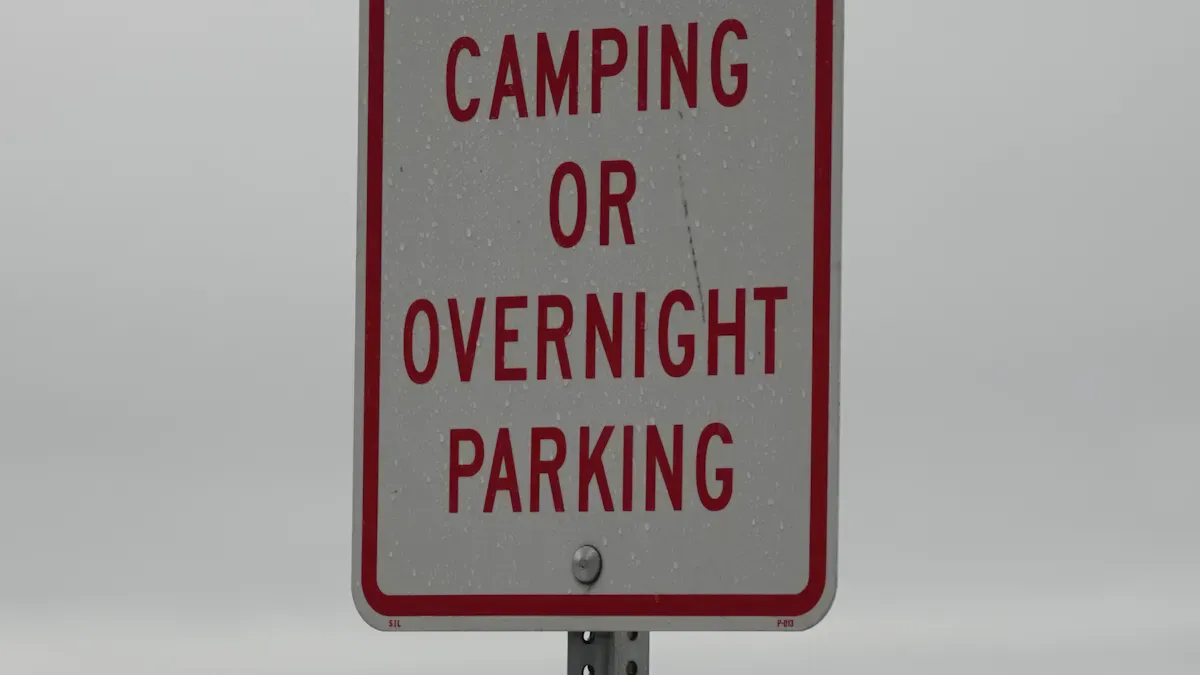
Campsite Selection
Picking the right campsite is very important for your safety when camping alone. Here are some tips to help you choose a safe and good campsite:
- Choose a campsite that is safe and easy to reach.
- Look for campgrounds or places with other campers nearby, especially for your first solo trip.
- Make sure you can get to local stores and emergency services.
- Think about how close you are to other campers and if there are good trails.
Before you set up your tent, check the area for dangers. Stay away from cliffs, rivers, or places that might flood. Always pay attention to the weather. Being ready for changing weather is very important. Check the weather forecast before you leave and be ready to change your plans if needed.
Wildlife Awareness
When camping alone, knowing about wildlife is key for your safety. Here are some good ways to avoid wildlife encounters:
- Keep food messes small and clean up right after eating.
- Eat before you get to your campsite to cut down on food smells.
- Use bear canisters or Ursacks correctly to keep food safe from wildlife.
Pick a campsite that is far from bear feeding areas, like berry patches and game trails. Set up a cooking area at least 100 yards from where you sleep to reduce food smells. Hang food at least 10 feet high and four feet away from anything it could climb to prevent bears from getting it.
Know what wildlife is in your area. Common dangers include bears, snakes, and coyotes. Make noise while hiking to let animals know you are there. Keep bear spray close by for protection. Always be aware of your surroundings by looking around often.
Emergency Preparedness
Being ready for emergencies is very important when camping alone. Here are some steps to help keep you safe:
- Make your emergency kit fit your trip and where you are going. Include basic items like first-aid supplies and tools to signal for help.
- Tell family or friends your travel plans, including where you will be and when you will return.
- Use GPS trackers so loved ones can see where you are in real-time.
- Create a plan for what to do in case of an emergency.
Bring emergency tools like a portable charger, multi-tool, and fire-starting kit. Include first-aid supplies, duct tape, emergency blankets, and navigation tools like a compass and maps.
Common emergencies for solo campers include wildlife encounters, injuries, and weather issues. To reduce these risks, keep your campsite clean to not attract wildlife. Watch out for falling branches and use safe methods when chopping wood or cooking. Always let someone know where you are going before you leave and use GPS or satellite messaging.
By following these camping safety tips, you can enjoy your solo camping trip with confidence and feel at ease.
Building Confidence in Solo Camping
Mindset for Solo Camping
Your thoughts are very important for enjoying camping alone. It’s okay to feel scared sometimes. You don’t have to be fully confident; just be open to trying. Start with small trips near your home. This helps you gain courage little by little. Write in a journal to think about your progress and any problems. Celebrate small wins to help you trust yourself more.
Notice the freedom that comes with camping alone. You control your own schedule and activities. Enjoy the peace that being alone brings. This time lets you think and find clarity. Camping solo helps you become more adaptable and self-reliant. Facing challenges, like making a fire or putting up a tent, strengthens your belief that you can overcome difficulties.
Practice Techniques
Before your first solo camping trip, practice important skills. Begin with shorter trips to build your confidence. Slowly make your trips longer as you feel more at ease. Get to know your gear during short overnight stays. Practice setting up camp and packing up quickly.
Here are some skills to work on:
- Setting up a tent
- Starting a fire
- Cooking easy meals
- Using a compass or GPS for finding your way
Besides practical skills, think about practicing mindfulness and meditation. These can help you handle stress and stay calm when things get tough. Deep breathing exercises are also great for easing anxiety.
Finally, connect with community resources for help. Online groups and local camping clubs can give you useful tips and friendship. Talking with others who love camping can make your experience better and boost your confidence.
Camping alone is a special chance to learn about yourself and enjoy nature. You can make your trip better by following important tips. Choose a safe campsite and get ready for emergencies. Always remember to enjoy your freedom and make your own choices.
With good planning and a positive attitude, you can turn fears into confidence. Camping solo can be a rewarding adventure that makes your life better. So, go ahead and explore the outdoors by yourself!
FAQ
What should I do if I see wildlife while camping alone?
Stay calm and don’t move suddenly. Make noise to let the animal know you are there. If it comes closer, back away slowly. Use bear spray if needed and keep your food stored safely to not attract animals.
How can I stay safe while camping alone?
Pick a well-known campsite with other campers nearby. Tell someone about your plans. Bring a first-aid kit, a whistle, and a way to communicate. Trust your gut and stay away from dangerous situations.
What are some good places for beginner solo camping?
Look for campgrounds that have facilities. National parks usually have spots for beginners. Local state parks can also be safe places to practice your camping skills.
How do I deal with emergencies while camping alone?
Make an emergency kit with first-aid supplies, a flashlight, and a whistle. Share your trip plan with someone. Use a GPS tracker to share your location in real-time. Always have a plan for different emergencies.
Can I camp alone if I am a beginner?
Yes! Start with short trips near your home. Practice important skills like setting up camp and cooking. Slowly make your trips longer and harder as you feel more confident.