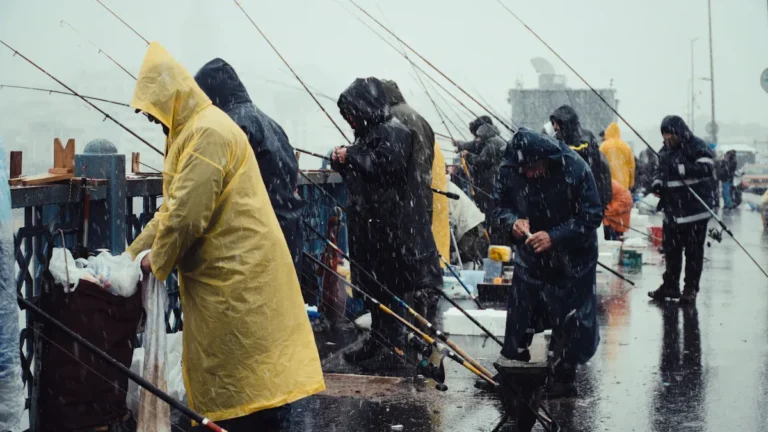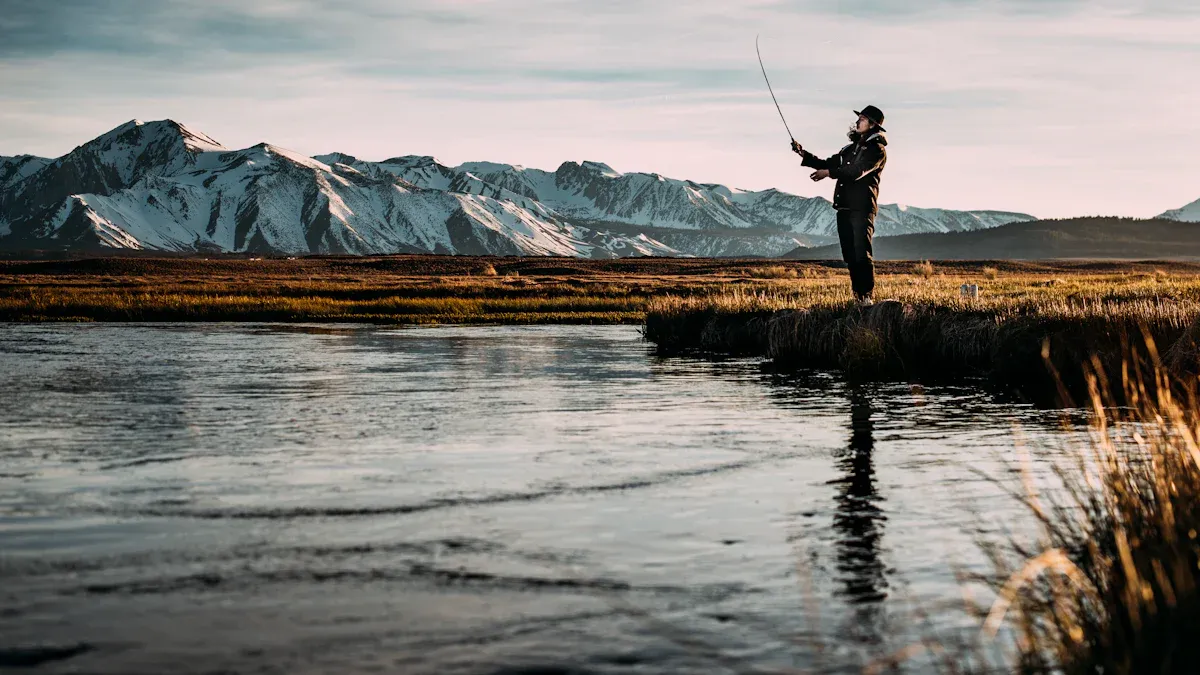
Shore fishing offers a unique thrill that’s perfect for beginners. You don’t need a boat or fancy gear to enjoy it. Just grab your rod and find a spot by the water! Here are some reasons why beginners love shore fishing:
Reason for Preference | Description |
|---|---|
Ease of Access | Shore fishing is accessible without the need for a larger boat or extensive equipment. |
Family-Friendly Nature | It is ideal for fishing with children, making it a more inclusive activity. |
Increased Catch Rate | Anglers can cast their lines more frequently, leading to a higher chance of catching fish. |
Understanding basic equipment, techniques, and safety measures can greatly enhance your fishing experience. So, let’s dive into some shore fishing tips to get you started!
Key Takeaways
Shore fishing is accessible and family-friendly, making it a great choice for beginners. You don’t need a boat or expensive gear to start.
Choose the right rod and reel setup for your fishing style. A spinning combo is often best for beginners, offering versatility and ease of use.
Research local fishing regulations and environmental factors like tides and weather. This knowledge helps you find the best fishing spots and increases your chances of success.
Basic Equipment for Shore Fishing
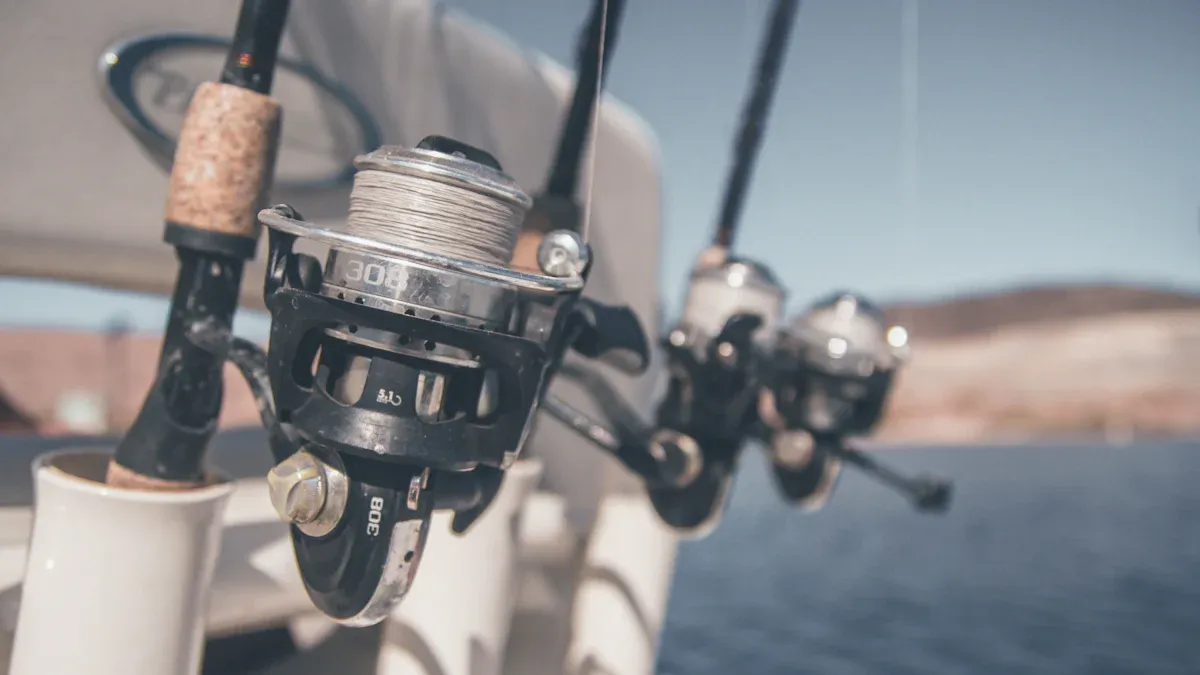
When you start your shore fishing adventure, having the right equipment can make all the difference. Let’s break down the essentials you’ll need to get started.
Rod and Reel Setup
Choosing the right rod and reel is crucial for your success. For beginners, a spinning combo is often the best choice. It’s user-friendly and versatile, allowing you to catch various fish species. Here are some popular options:
Combo Name | Description |
|---|---|
Pflueger President Spinning Combo | Best overall for beginners; offers a smooth drag system and sensitivity, ideal for various fish types. |
Lew’s Mach Jacked Spinning Combo | Lightweight and sensitive; features a premium drag system, suitable for both casual and competitive anglers. |
Ugly Stik GX2 Baitcast Combo | Durable and affordable; great for catfishing and versatile enough for bass fishing applications. |
When selecting your rod, consider the length. Longer rods (7-10 feet) help you cast farther, making them ideal for surf fishing. However, shorter rods (5-6.5 feet) provide better control in tight spaces. Think about where you’ll be fishing and choose accordingly.
Fishing Line and Tackle
Your fishing line is just as important as your rod and reel. For shore fishing, you have a few options:
Monofilament Line: This is a great budget-friendly choice. It’s easy to work with and suitable for various conditions.
Fluorocarbon Line: This line is nearly invisible underwater, making it perfect for clear water fishing.
Braided Line: Strong and abrasion-resistant, this line is ideal for saltwater shore fishing.
You’ll also need a tackle box to keep your gear organized. Here’s a list of essential tackle items:
Various hooks and weights for effective fishing.
Snap swivels to prevent line twisting.
A multi-tool for various tasks.
Bait options like worms, soft bait, and fresh shrimp.
Packing light is key. Focus on versatile baits that work well for the fish you’re targeting. Remember, you’ll need to carry everything, so prioritize essential items. A compact rain jacket can also be a lifesaver if the weather turns.
By investing in the right equipment and keeping your tackle organized, you’ll set yourself up for a successful day of fishing from shore.
Best Locations for Shore Fishing
Finding the right spot can make or break your shore fishing experience. Here’s how to locate the best fishing areas and understand the environmental factors that can enhance your success.
Researching Local Spots
Start by exploring local fishing regulations. These rules can guide you to the best fishing spots. Here’s a quick overview of how regulations impact your choices:
Regulation Type | Impact on Fishing Spots |
|---|---|
Open/Closed Areas | Determines which shore locations are accessible for fishing. |
Gear Restrictions | Limits the types of fishing gear that can be used in certain areas. |
Catch Limits | Specifies the number of fish that can be caught, influencing where anglers choose to fish. |
Indigenous Fishing Rights | Affects access to traditional fishing grounds, impacting local fishing practices. |
Temporary Closures | Protects fish populations during vulnerable periods, leading to restricted access. |
Permanent No-Fishing Zones | Designates areas where fishing is entirely prohibited to safeguard habitats. |
Use online resources and apps to scout potential fishing spots. The Navionics App offers detailed maps and real-time weather updates, while Google Earth provides satellite imagery to help you visualize the area.
Environmental Factors
Tides and weather play a significant role in fishing success. Understanding these elements can help you plan your trips better. For instance:
Tidal changes can create feeding opportunities. Fish often move into shallow waters during rising tides, making them easier to catch.
Weather conditions like light rain can enhance fish activity, as it keeps other anglers away and encourages fish to feed.
Keep an eye on the tides and plan your fishing trips around them. Early mornings and late afternoons are often the best times to fish, as fish are more active during these periods.
By researching local spots and considering environmental factors, you’ll increase your chances of a successful shore fishing adventure!
Effective Shore Fishing Techniques
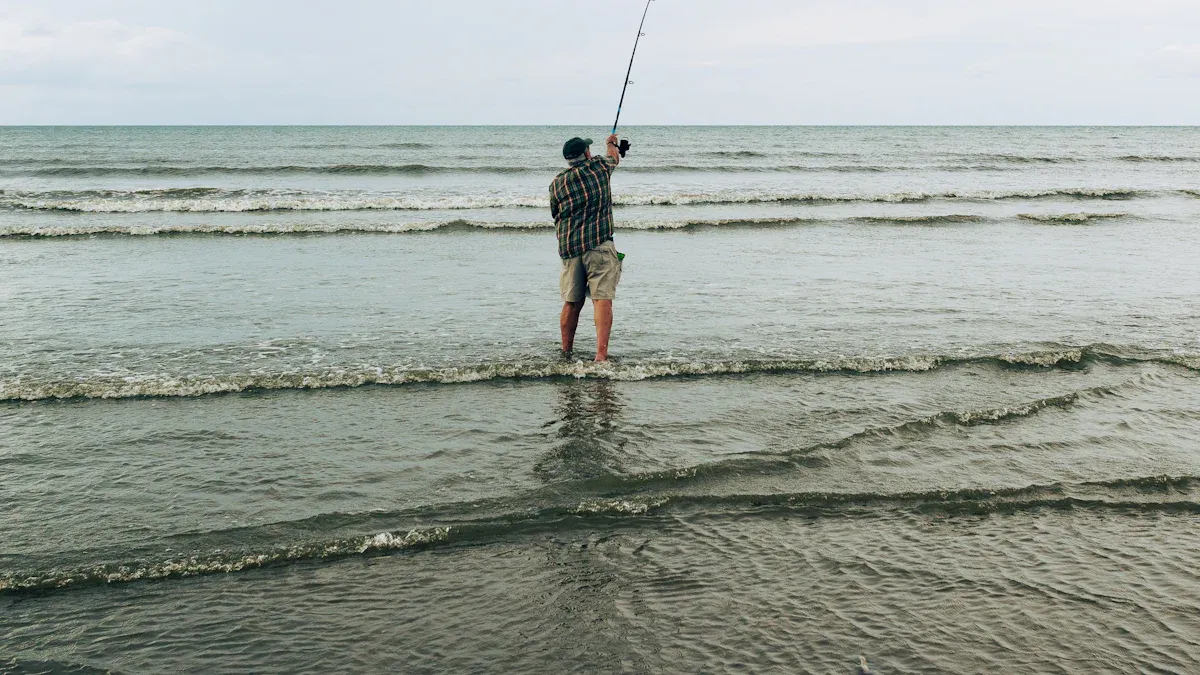
When you’re out fishing from shore, mastering effective techniques can significantly improve your chances of landing a catch. Let’s explore some essential casting techniques and the best bait and lures to use.
Casting Techniques
Casting is an art that combines skill and practice. To maximize your distance and accuracy, follow these tips:
Keep your reel spool filled to capacity.
Use line that matches the recommended weight for your reel.
Match your rod to the reel and line class for better control.
Opt for braided line for longer casts due to its smaller diameter.
Use small wind-on style knots to enhance control.
Utilize the top one-third of your rod for casting.
Manually close the bail after casting to reduce line twist.
Inspect your rod guides for nicks that can affect distance.
Change your line regularly to minimize friction.
Wash your equipment to remove salt that hampers casting.
Choosing the right gear setup is crucial. A balanced rod and appropriate reel type enhance control and reduce fatigue, leading to smoother and more accurate casts. Here’s a quick guide on the best casting techniques for different scenarios:
Fishing Scenario | Best Casting Technique | Why It Works |
|---|---|---|
Open lakes and ponds | Overhead cast | Covers water efficiently and allows long, accurate casts |
Rivers and streams | Sidearm cast | Keeps lures low and avoids overhanging obstacles |
Heavy vegetation or shallow cover | Flipping | Allows quiet, precise lure placement close to structure |
Windy freshwater or coastal areas | Sidearm cast | Maintains control and reduces wind interference |
To improve your casting skills, practice target-oriented drills using floating objects as targets. Focus on your grip and release timing to enhance control and stability. Remember, fishing teaches patience better than any classroom could. If you’re not having any luck, try changing your bait, lures, or even your fishing spot to see if that makes a difference.
Bait and Lures
Choosing the right bait and lures can make all the difference in your shore fishing success. Here are some effective options for common shore fish species:
Panfish: Small worms (like red worms and trout worms) work wonders.
Trout: Nightcrawlers, minnows, crickets, and salmon eggs are top choices.
Bass: Shiners, nightcrawlers, crawfish, and frogs attract them well.
Saltwater Fish: Fresh shrimp, finger mullet, squid, and crabs are highly effective.
Water clarity and temperature also affect your bait selection. Here’s a quick reference:
Water Condition | Bait Selection | Description |
|---|---|---|
Cold water (below 50°F) | Natural baits (e.g., worms) | Fish are less active; slower moving baits work best. |
Moderate water (50-70°F) | Variety of baits | Fish are more active; a wider range of baits can be used. |
Warm water (above 70°F) | Faster moving lures | Fish are aggressive; brightly colored lures are effective. |
Clear water | Natural-looking baits | Fish are cautious; subtle presentations are best. |
Murky water | Brightly colored lures | Fish rely on smell; bold options are more effective. |
Stay observant while fishing. Look for signs of fish activity, like birds diving or baitfish jumping. This observation can significantly increase your chances of success. Remember, fishing is as much about patience as it is about technique. Enjoy the process, and you’ll find that the thrill of the catch is worth the wait!
Shore fishing is an exciting adventure waiting for you! Remember to gather your essential gear, like a fishing rod, line, and bait. Each trip offers a chance to learn and improve your skills. Patience is key; it helps you enjoy the process and connect with nature. So, grab your gear and start your fishing journey today!
FAQ
What bait works best for shore fishing?
You can use shrimp, worms, or small minnows. Shrimp is particularly effective for attracting various fish species.
How do I know if I’m fishing in the right spot?
Look for structures like rocks or vegetation. These areas often attract fish, increasing your chances of a catch.
When is the best time to go shore fishing?
Early mornings and late afternoons are ideal. Fish are more active during these times, especially when using shrimp as bait.