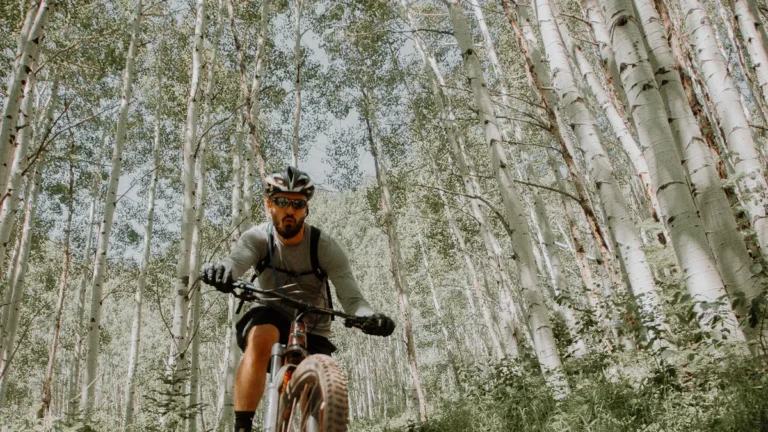
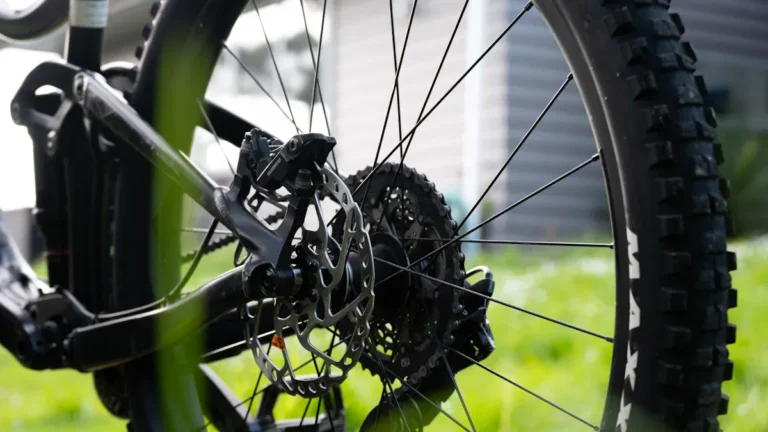
Mountain biking offers a thrilling adventure that combines the beauty of nature with the rush of speed. As a beginner, you’ll want to master essential skills to enjoy the ride fully. Choosing the right trails sets the stage for your success, helping you build confidence. Remember, safety comes first! Equip yourself with the right gear and knowledge to ensure a fun and secure experience on your mountain biking journey.
Key Takeaways
Master balance by maintaining a neutral position on your bike. This helps you react quickly to changes in terrain and improves your stability.
Learn effective braking techniques. Use both brakes evenly and focus on your body position to stop safely without losing control.
Choose beginner-friendly trails. Start with green-rated trails to build confidence and gradually progress to more challenging terrains.
Always wear essential safety gear. A helmet, gloves, and knee pads protect you from injuries and enhance your riding experience.
Be prepared for emergencies. Carry a map, water, snacks, and a first aid kit to handle unexpected situations while biking.
Mountain Bike Skills
Mastering Balance
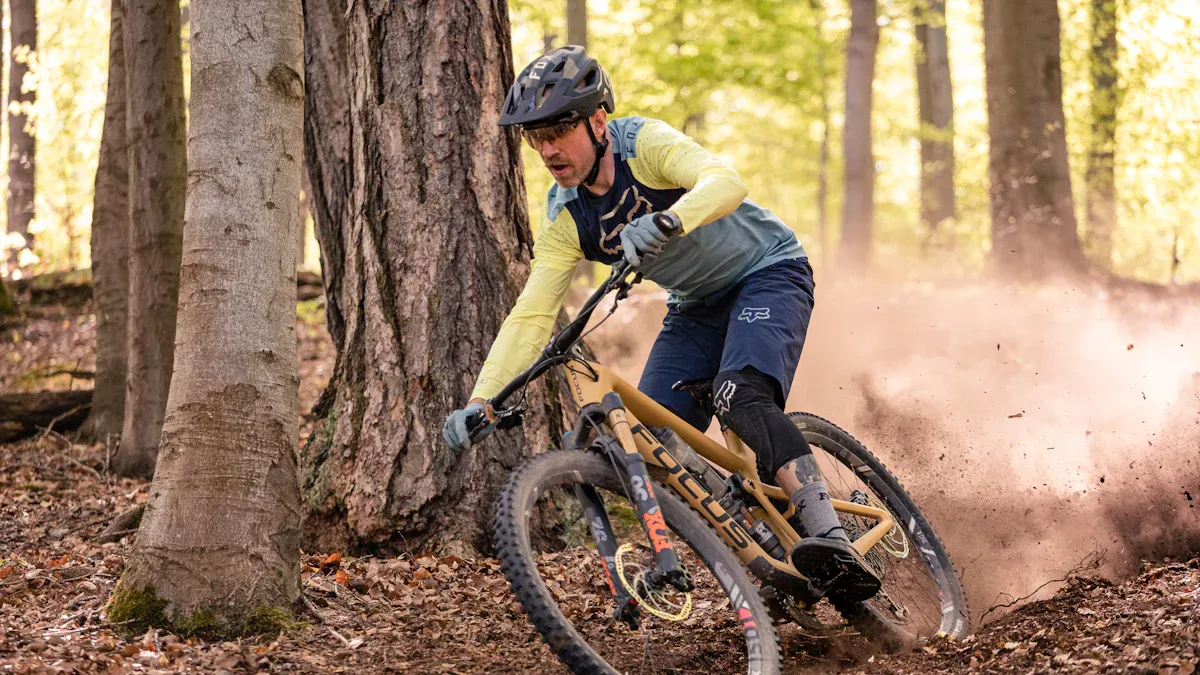
Balance is the foundation of all mountain bike skills. When you ride, you want to feel stable and in control. Here are some key techniques to help you master balance:
Neutral Position: Keep your pedals level, bend your knees and elbows slightly, and always look forward. This position helps you react quickly to changes in terrain.
Ready Position: Shift your hips back and maintain a flat back. This stance prepares you for technical sections of the trail.
Braking Technique: Use both brakes evenly and apply them lightly. Your body position should support your braking to maintain control.
Improving your balance enhances your stability and control, which is crucial for navigating challenging terrains. This directly contributes to safer riding, reducing the risk of falls and injuries.
Evidence | Explanation |
|---|---|
Improved balance enhances stability and control | This directly contributes to safer navigation of challenging terrains, reducing the risk of falls and injuries. |
Exercise enhances safe-landing responses | Mastering balance through training can prevent injuries during falls, thus improving overall safety in mountain biking. |
Smooth Braking
Braking is another essential skill for beginner mountain bikers. You want to stop safely without losing control. Here are some effective braking methods:
Maintain a proper body position while braking.
Focus on brake modulation to keep your bike stable.
Time your braking to enhance both speed and safety.
Learning to brake confidently will make your rides more enjoyable. Remember, your body position is important, but it doesn’t replace the need for proper braking techniques.
Climbing with Confidence
Climbing steep trails can be intimidating, but with the right techniques, you can tackle them with confidence. Here are some tips:
Unweight your rear wheel by lifting yourself out of the saddle. This helps you develop muscle memory for climbing.
Maintain a hovering position above the saddle to navigate steep climbs effectively.
Distribute your weight properly and accelerate into steeper gradients to avoid wheelspin.
Physical fitness plays a significant role in climbing. Your body relies on both aerobic and anaerobic energy systems during climbs.
Energy System | Contribution to Performance |
|---|---|
Aerobic | Primary energy source for endurance during long races, accounting for 51% of total competition time. |
Anaerobic | Significant during high-intensity efforts such as sprints and climbs, accounting for 31% of total competition time. |
Using Gears Effectively
Understanding how to use gears can make your rides smoother and more efficient. Here are some basic principles:
Understanding Gear Ratios: Know how different gear combinations affect your speed and effort.
Using Gear Shifters: Familiarize yourself with the shifters on your handlebars for effective gear changes.
Higher vs. Lower Gears: Use higher gears for speed and lower gears for easier pedaling, especially on inclines.
Terrain Considerations: Adjust your gears based on the terrain; lower gears work best for climbs, while higher gears suit flat or downhill sections.
Selecting the right gear can significantly affect your energy efficiency. Riding at a higher cadence allows your body to produce more torque, leading to better energy use.
Lifting Wheels for Obstacles
Handling obstacles is a crucial skill for mountain biking. Here’s how to lift your wheels over obstacles:
Approach the obstacle straight on, keeping your bike perpendicular to it.
Give one or two hard thrusts with the pedals as you reach the object.
Shift your weight back to lever the front tire up onto or over the object.
If the obstacle is small, keep pedaling to let the back tire pop over it.
Practicing these techniques will help you navigate trails with confidence and improve your overall bike handling skills.
Choosing Trails for Beginners
When you start mountain biking, choosing the right trails is crucial for your enjoyment and safety. Here’s what you need to know about trail types and difficulty levels.
Trail Types
As a beginner, you’ll want to stick to trails that match your skill level. Here are some trail types that are perfect for you:
Trail Mountain Biking: This style is the most accessible for beginners. It includes gentle ascents and descents, making it ideal for new riders. You can often bypass technical features like tree roots and small jumps, ensuring a comfortable ride.
Doubletrack: These wider trails allow two bikes to ride side-by-side. They usually have fewer technical features and smoother terrain, making them generally easier for beginners.
Singletrack: These narrow trails wind through varied landscapes. While they can be more technical, many beginner-friendly singletracks exist, offering a moderate challenge.
Trail Type | Description | Terrain Characteristics | Difficulty Level |
|---|---|---|---|
Doubletrack | Wider trails, often following logging or fire roads. | Fewer technical features, smoother terrain. | Generally easier |
Singletrack | Narrow trails, typically allowing one bike width. | More technical features, varied terrain. | Moderate to difficult |
Mountain-bike-specific | Trails marked by skill level, maintained for safety and enjoyment. | Smooth and flat for beginners, increasing challenges over time. | Beginner to expert |
Understanding Difficulty Levels
Trails come with difficulty ratings similar to ski runs. This helps you choose appropriate trails. Here’s a quick guide:
Difficulty Level | Trail Width | Surface Type | Average Grade | Maximum Grade | Natural Obstacles | Technical Features |
|---|---|---|---|---|---|---|
Green (Beginner) | 60″ or wider | Hardened or improved, stable tread | Less than 5% | Up to 10% | None to minimal | None |
Blue (Intermediate) | 24″ to 60″ | Mostly stable with some variability | 5% to 10% | Up to 15% | Unavoidable rocks/roots up to 8″ | Small jumps, tight turns |
Black Diamond (Advanced) | 12″ to 24″ | Widely variable, loose sections | 10% to 15% | Up to 20% | Rocks/roots up to 15″ | Drops, gaps, mandatory air |
Local Trail Resources
Finding beginner-friendly trails is easier than ever. Here are some resources to help you:
Strava: Use their Segments map and Global Heat Map to find popular trails.
Regional Tourism Bureaus: They provide detailed information on local trail networks.
Local Bike Shops: Great for advice, gear, and community connections.
Facebook Groups: Join local biking communities to find events and meet fellow riders.
Cycling Clubs: Connect with other riders and stay informed about local biking opportunities.
By starting on green-rated trails and using these resources, you’ll set yourself up for a fun and safe mountain biking experience!
Safety in Mountain Biking
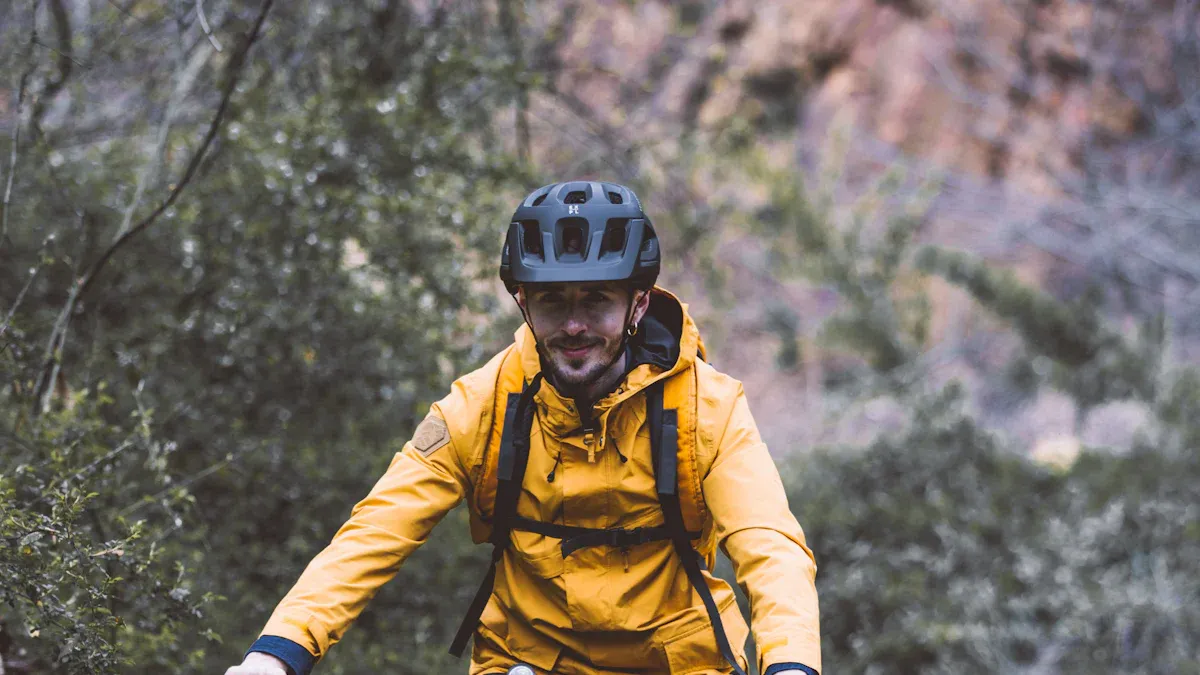
Essential Gear
When you hit the trails, having the right gear is crucial for your safety. Here’s a list of essential items you should consider:
Helmet: This is your most important piece of gear. A helmet protects your head and can prevent serious injuries during falls.
Gloves: They improve your grip and protect your hands if you take a tumble.
Knee pads: These provide extra protection for your knees, which can take a beating on rough terrain.
Protective eyewear: Sunglasses or goggles shield your eyes from debris and enhance visibility.
Studies show that wearing a helmet significantly reduces the risk of head injuries during accidents. In fact, a meta-analysis reported a 48% reduction in head injuries due to helmet use. Despite this, many cyclists still ride without proper protection, contributing to a high number of injuries each year.
Evidence Type | Description |
|---|---|
Head Injury Reduction | A meta-analysis reported a 48% reduction in head injuries in bicycle-related incidents due to helmet use. |
Severity of Injuries | Helmet use tends to decrease the level of injuries on the head, indicating a positive impact on injury severity. |
General Findings | Large-scale studies reinforce that protective equipment decreases the risk and severity of injuries in accidents. |
Trail Etiquette
Following trail etiquette is essential for everyone’s safety and enjoyment. Here are some key points to keep in mind:
Ride open trails.
Leave No Trace.
Control your bicycle.
Yield appropriately.
Never scare animals.
Plan ahead.
Staying on existing trails helps prevent damage to the environment. Avoid creating new paths or cutting switchbacks, as this can lead to erosion. Respect fellow trail users by yielding when necessary and communicating clearly.
Keep your head up and your adrenaline in check. Obey all speed regulations and recommendations. Staying alert is crucial; inattention for even a moment can put you and others at risk.
Emergency Preparedness
Being prepared for emergencies can make a big difference in your mountain biking experience. Here’s what you should pack before heading out:
Navigation: Carry a trail map and a compass (GPS is optional).
Hydration: Bring enough water, whether in bottles or a hydration pack.
Nutrition: Pack extra food, like nutrition bars, for emergencies.
Sun Protection: Sunscreen, sunglasses, a hat, and lip balm are essential.
Insulation: A lightweight jacket, hat, and gloves can keep you warm.
Safety Gear: Always wear your helmet and consider additional pads.
Illumination: A headlamp and extra batteries are useful for unexpected delays.
First Aid: Include bandages, a knife, medicine, and bike tools.
Communication: A whistle can signal for help in emergencies.
Before you ride, know your limits. Start with beginner-friendly trails and gradually progress. Riding with a buddy is safer and more enjoyable.
Common emergencies you might encounter include:
Dislocations: Stabilize the arm and seek professional help.
Broken bones: Keep the person and limb stable while waiting for help.
Loss of consciousness: Ensure breathing and start CPR if necessary.
Head, neck, or back injury: Stabilize the body and call emergency services.
Common Injuries | Description |
|---|---|
Cuts, scrapes, and abrasions | Minor injuries that can occur frequently. |
Sprains and strains | Commonly affect wrists or ankles during falls. |
Fractures | Result from hard impacts, often serious. |
Severe trauma (head/spinal injuries) | Critical injuries that require immediate attention. |
Being prepared can help you handle emergencies effectively. Remember, the most likely life-threatening conditions include severe bleeding, head trauma, and spinal injuries. Proper training is essential to use the equipment needed for these emergencies.
Starting your mountain biking journey can be exciting! Take that first step by exploring easier trails. You’ll build confidence and enjoy the ride. Remember, practice makes perfect. As you ride more, your skills will improve, and you’ll find greater joy in the sport.
Here are some strategies to help you get started:
Strategy | Description |
|---|---|
Start with easier trails | Begin your journey on trails that are less technical to build confidence and enjoyment. |
Find supportive groups | Riding with encouraging friends enhances enjoyment and helps in skill development. |
Ask for help | New riders should feel comfortable asking questions to learn more about biking. |
Maintain a positive mindset | A growth mindset is crucial for overcoming challenges and improving skills. |
Focus on skill development | Take lessons to learn the right techniques in a safe environment. |
Always prioritize safety and respect for the trails. Doing so fosters strong relationships with local communities and protects our beautiful landscapes. By following guidelines like Leave No Trace, you ensure that trails remain enjoyable for everyone.