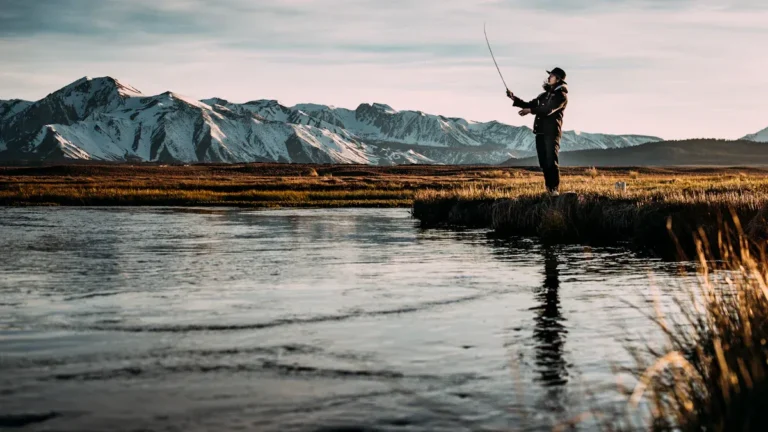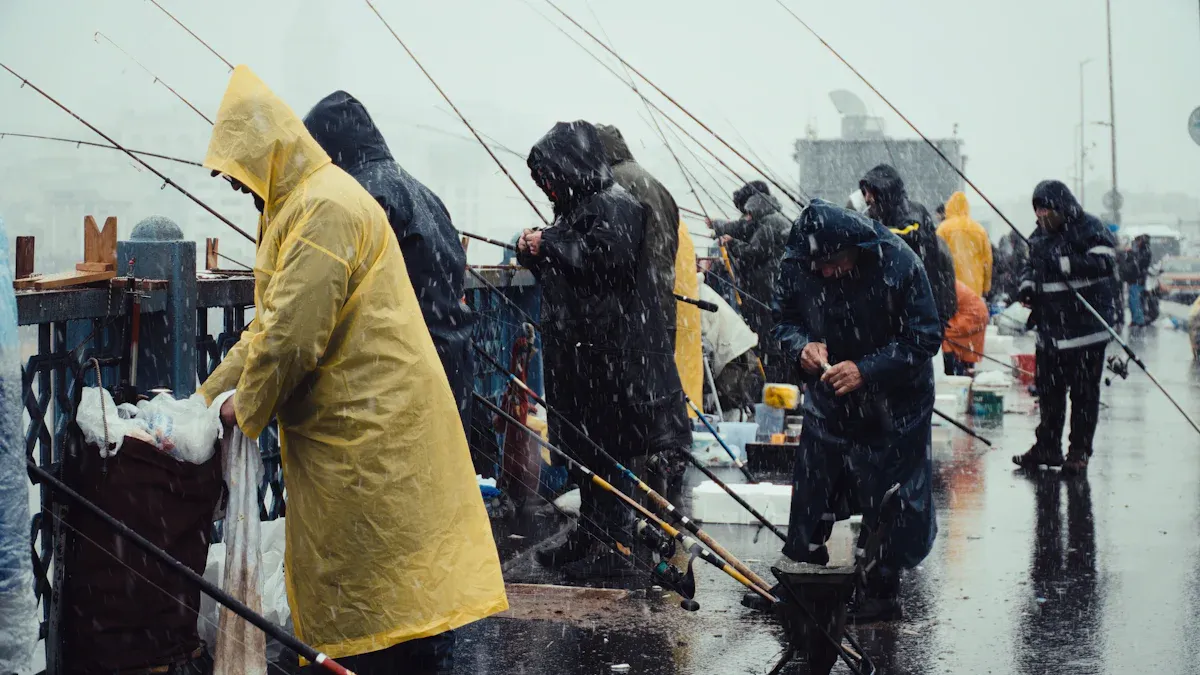
Imagine casting your line into a serene lake, only to find that the fish are nowhere to be seen. Did you know that weather affects your fishing success more than you might think? Changes in temperature, barometric pressure, and wind can significantly influence fish behavior and feeding patterns. By understanding these weather patterns, you can enhance your chances of landing that big catch. Pay attention to the skies and waters, and you may just find your next fishing adventure more rewarding.
Key Takeaways
Barometric pressure changes affect fish behavior. Fish feed more actively when pressure drops, so plan your fishing trips around these changes.
Temperature plays a crucial role in fish activity. Different species thrive in specific temperature ranges, so know the optimal conditions for your target fish.
Wind can enhance fishing success by stirring up baitfish. Focus on windward shores where fish are likely to gather for better results.
Cloud cover increases fish activity. Plan your fishing trips on overcast days to take advantage of longer feeding periods.
Adapt your fishing techniques based on weather conditions. Use appropriate lures and strategies to maximize your chances of catching fish.
Weather Affects Barometric Pressure
Fish Behavior
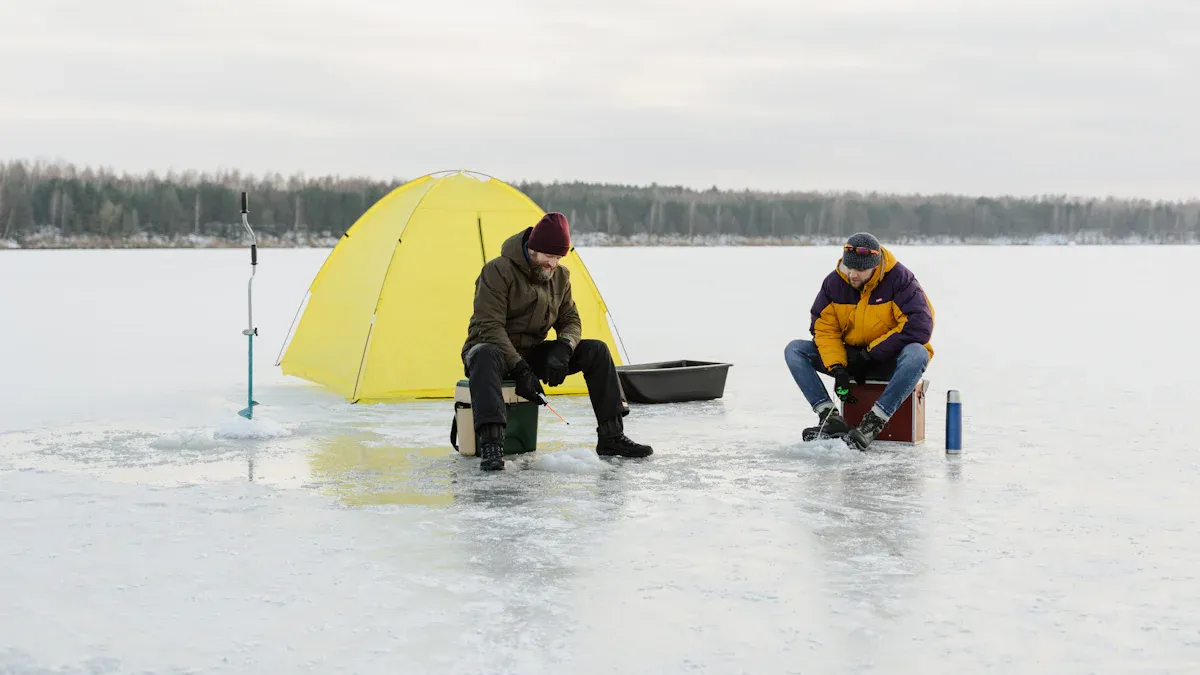
Barometric pressure plays a crucial role in determining fish behavior. Fish have a swim bladder that helps them maintain buoyancy in the water. Changes in barometric pressure can affect this swim bladder, leading to discomfort. When the air pressure drops, the swim bladder expands. This expansion often causes fish to seek deeper waters to relieve the pressure. As a result, you may notice that fish tend to be less active during these times.
Research shows that fish feeding behavior also changes with barometric pressure. Anglers often report that falling pressure leads to increased feeding activity among various fish species. In contrast, rising pressure tends to suppress feeding. For example, a study found that when barometric pressure falls slowly, about 65% of bass actively feed. However, when the pressure rises slowly, only about 30% of bass engage in feeding. This pattern indicates that you can predict fishing opportunities based on weather patterns.
Barometric Pressure Change | Percentage of Bass Feeding | Strikes on Lures |
|---|---|---|
Falling Slowly | 65% | 52% |
Rising Slowly | 30% | 39% |
Fishing Strategies
Understanding how barometric pressure affects fish behavior can help you develop effective fishing strategies. During high barometric pressure, fish often stack up at specific depths. They respond best to slower, more subtle presentations. For instance, if you are fishing for bass after a high-pressure system settles in, consider using lighter baits and slower retrieval techniques.
In freshwater, fishing can slow down significantly after a high-pressure system. However, a day or two later, fishing may improve, especially in saltwater. Clear skies and calm conditions can create favorable fishing conditions. Techniques like using topwater baits over feeding flats or ripping jerkbaits along weedlines can provoke strikes effectively.
It is essential to adapt your fishing techniques based on the current barometric pressure. After a high-pressure system, fish may be found at specific depths. Using modern fishing electronics can help you locate concentrations of baitfish and their predators. This knowledge can enhance your fishing success.
Temperature and Fishing Success
Seasonal Changes
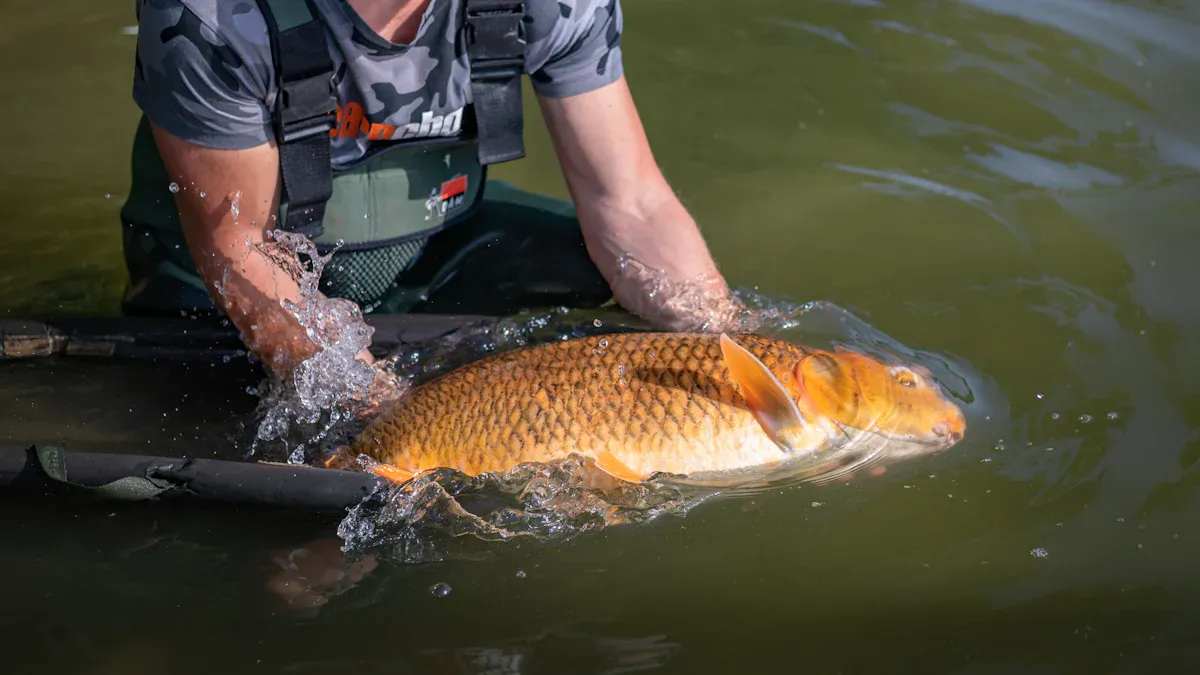
Temperature variations significantly affect fish activity levels. As seasons change, so do the water temperatures, which dictate when fish are more active and when they spawn. For example, walleye migrate to shallower waters when temperatures reach the 40s and 50s during spring. In summer, they seek deeper waters, returning to shallows in the fall as temperatures drop.
Fish also move to cooler depths in hot conditions and warmer shallows in cold conditions. This behavior helps them regulate their body temperature and maintain comfort. Some species migrate at the same time each year, while others may stay longer based on temperature.
Here’s a summary of how seasonal temperature changes influence fish behavior:
Aspect | Description |
|---|---|
Temperature Regulation | Fish move to cooler depths in hot conditions and warmer shallows in cold conditions. |
Migration Timing | Some species migrate at the same time each year, while others may stay longer based on temperature. |
Metabolism and Activity | Warmer water increases fish metabolism and activity, while cooler water decreases it. |
Optimal Temperature Ranges
Understanding optimal temperature ranges is crucial for maximizing your fishing success. Different fish species thrive within specific temperature ranges. For instance, largemouth bass prefer temperatures between 65°F and 80°F, while smallmouth bass thrive at 60°F to 75°F. Trout, both rainbow and brown, are most active in temperatures ranging from 50°F to 65°F. Walleye, on the other hand, find their sweet spot between 55°F and 70°F.
When water temperatures fall outside these optimal ranges, fish experience decreased food intake and altered metabolic processes. For example, higher water temperatures can lead to increased metabolism in species like spotted seabass. However, when temperatures exceed their optimal range, fish may lose their appetite and stop feeding altogether.
Here’s a table summarizing the optimal temperature ranges for popular game fish:
Fish Species | Optimal Temperature (°F) |
|---|---|
Largemouth Bass | 65-80 |
Smallmouth Bass | 60-75 |
Trout (Rainbow and Brown) | 50-65 |
Walleye | 55-70 |
By paying attention to these temperature factors, you can enhance your fishing opportunities. Understanding how weather affects fish behavior allows you to plan your trips more effectively and increase your chances of landing that big catch.
Wind Effects on Fishing
Fish Movement
Wind significantly influences fish movement and feeding behavior. When wind stirs the water, it creates turbulence that can enhance the distribution of baitfish. This turbulence brings zooplankton to the surface, attracting baitfish that feed on these microorganisms. As a result, predatory fish, such as bass, follow the baitfish into shallower waters to hunt.
Research shows that wind direction plays a crucial role in fishing success. Fish often prefer windward shorelines because these areas have higher oxygen levels and increased food chain activity. Windward spots typically feature cleaner water, which benefits fish concentration. For example, fishing near the windy sides of structures like coves and reefs can yield better results than calmer waters.
Tip: Pay attention to the wind direction when planning your fishing trip. Fish are more likely to be found on the windward side of the lake or river.
Fishing Techniques
Fishing in windy conditions can be challenging, but it also presents unique opportunities. Here are some effective fishing techniques to maximize your success:
Cast with the Wind: Casting with the wind or at an angle reduces the impact of wind on your line.
Use Heavier Weights: Heavier weights help counteract crosswinds, allowing for better control of your bait.
Employ the Double Haul Cast: This technique increases line speed and minimizes wind resistance.
Position Yourself Wisely: Focus on windward shores where fish are likely to be concentrated. Seek sheltered areas in rivers to reduce wind effects.
In strong winds, catch rates for bass can double due to the movement of plankton and baitfish. Using an 8-strand braid line can also improve bite detection and reduce wind resistance. Remember to monitor weather conditions and use appropriate safety equipment, such as personal flotation devices, especially in choppy waters.
By understanding how wind affects fish movement and employing effective fishing techniques, you can enhance your fishing success.
Cloud Cover and Light Conditions
Fish Activity
Cloud cover significantly influences fish activity. When clouds cover the sky, fish often become more active. They move to shallower waters and increase their feeding. This behavior occurs because overcast conditions make fish feel safer. They are less wary and more likely to strike at bait. Studies show that fish prepare for potential weather changes during cloudy days. As a result, you can expect longer feeding periods throughout the day, not just during dawn and dusk. Predatory fish like walleye and pike tend to feed more actively under these conditions.
Tip: Plan your fishing trips on overcast days for better chances of catching fish.
Adjusting Techniques
Light conditions affect how you should fish. In low-light situations, such as cloudy days or early mornings, you should use lures that produce vibrations and noise. Crankbaits with built-in rattles and spinnerbaits with large blades work well. These lures attract fish even when visibility is low.
Here’s a table summarizing effective lure colors based on water conditions:
Water Condition | Effective Colors | Notes |
|---|---|---|
Clear Water | Silver, Light Blue, Natural Green | Mimics local baitfish |
Stained Water | Chartreuse, White, Gold | Balances visibility and natural appearance |
Muddy Water | Black, Dark Purple, Bright Orange | Provides strong silhouettes |
Adjust your lure colors based on the time of day. Use darker colors in the early morning and switch to natural patterns during midday. Under overcast conditions, increase color brightness slightly to attract fish.
By understanding how cloud cover and light conditions affect fish behavior, you can enhance your fishing success. Adjusting your techniques based on these factors will lead to more productive fishing trips.
Understanding how weather affects fishing success is essential for every angler. Key factors include:
Barometric Pressure: Fish react to pressure changes, impacting their feeding behavior.
Temperature: Different species thrive in specific temperature ranges, influencing their activity levels.
Wind and Cloud Cover: These elements can enhance fish movement and feeding opportunities.
To improve your fishing trips, consider these tips:
Monitor weather forecasts to plan effectively.
Be adaptable to changing conditions.
Use appropriate gear for different weather scenarios.
By paying attention to these weather factors, you can significantly increase your chances of landing that big catch!