Hiking alone can be a thrilling adventure, but it also comes with unique risks. As a solo hiker, you face challenges like crime, especially on popular trails, and dangerous wildlife in remote areas. You must also navigate tricky paths and unpredictable weather. Prioritizing safety for solo hiking is essential. By preparing well and staying aware, you can enjoy the beauty of nature while minimizing risks. Keep these hiking safety tips in mind to ensure a safer experience out on the trails!
Key Takeaways
Always plan your hiking route and share it with someone. This ensures someone knows your whereabouts in case of an emergency.
Pack essential supplies like food, water, a first aid kit, and navigation tools. Being prepared can make your hike safer and more enjoyable.
Stay aware of your surroundings and familiarize yourself with trail markers. This helps you navigate confidently and avoid getting lost.
Use technology wisely, but always have a backup navigation method like a map and compass. This ensures you can find your way even if your devices fail.
Be cautious of wildlife and maintain a safe distance. Making noise while hiking can help prevent surprising animals.
Hiking Preparation
Plan Your Route
Before you hit the trails, planning your hike is crucial. A well-thought-out plan can make all the difference in ensuring your safety. Here are some steps to help you plan effectively:
Make a plan and share it with someone. Include details about your trail, expected arrival and departure times, and emergency contacts. This way, if something goes wrong, someone will know where to look for you.
Check cell service availability. Knowing whether you’ll have reception can help you decide if you need a GPS device. This is especially important in case of emergencies.
Research the trail thoroughly. Understand its conditions, length, and any potential hazards. Websites like the Washington Trail Association or AllTrails can provide valuable insights.
Pack the necessities based on your hiking plan. Always include essential survival items, regardless of how long you plan to hike.
Remember, letting someone know your exact hiking plans is vital. Mountain Rescue England and Wales emphasizes that most successful rescues happen when someone raises the alarm after a hiker fails to return as scheduled.
Essential Gear
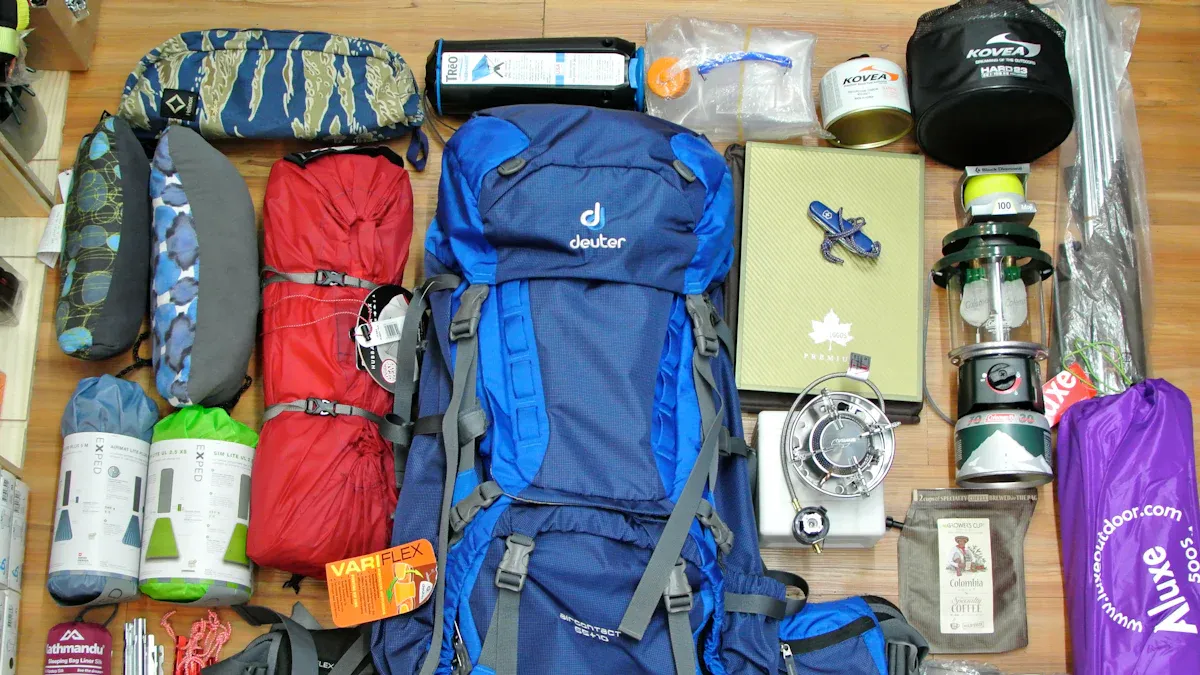
Having the right gear can make your hike safer and more enjoyable. Here’s a list of essential items you should consider bringing along:
Essential Gear | Description |
|---|---|
Navigation | Essential for finding your way in the wilderness. |
Illumination | Necessary for visibility during low light conditions. |
Shelter | Provides protection from the elements. |
Extra Clothing | Important for warmth and protection against weather changes. |
Extra Water | Vital for hydration, especially on long hikes. |
Extra Food | Necessary for energy during the hike. |
Sun Protection | Protects against harmful UV rays. |
Fire | Essential for warmth, cooking, and signaling for help. |
Knife and Gear Repair | Useful for fixing equipment and for safety. |
First Aid Kit | Important for treating injuries that may occur while hiking. |
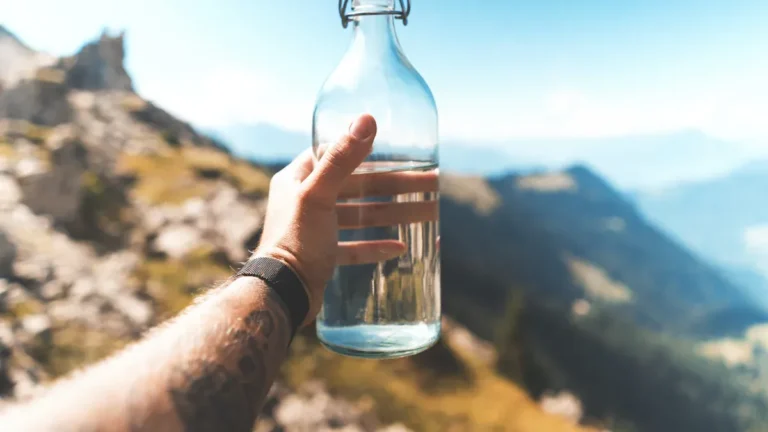
When it comes to hydration, you should take water and food seriously. Experts recommend that adults drink about 2 cups (16 oz) of water per hour during a hike. If you’re hiking in hot weather or at high altitudes, you might need to double that amount. Always carry a little extra-it’s better to have more than you need!
A good rule of thumb is to carry 25% more water than you think you’ll need. This extra precaution can help you stay hydrated and safe on your adventure.
By planning your route and packing the right gear, you set yourself up for a successful solo hiking experience. Remember, preparation is key to enjoying the great outdoors safely!
Navigation Tips
Trail Markers
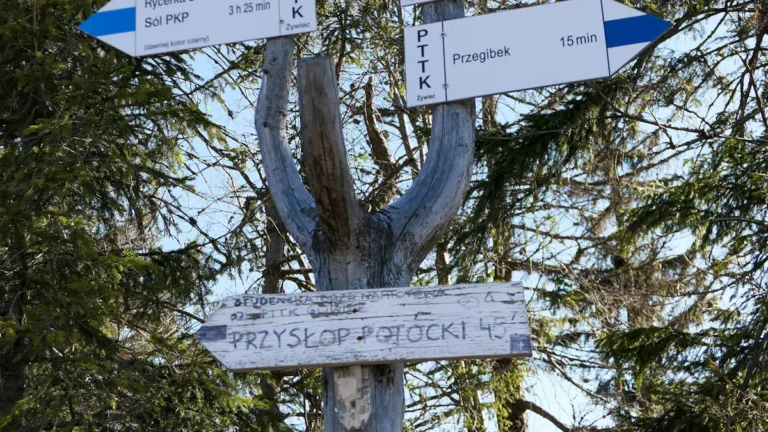
Knowing how to recognize trail markers is essential for solo hikers. Familiarizing yourself with these markers can help you stay on the trail and avoid getting lost. Here are some tips to help you:
Use Google to find pictures and reviews from other hikers. This can give you a better understanding of what to expect on the trail.
Print the trail map before you go. Having a physical reference can be a lifesaver if your phone dies.
Learn how to use a map and compass. These skills are crucial for navigation, especially in remote areas.
Pay attention to your surroundings. After reaching trail junctions, turn around to observe the junction. This makes it easier to recognize on your return.
By knowing the trail markers, you can navigate confidently and enjoy your hike without unnecessary stress.
Using Technology
Technology can significantly enhance your navigation experience while hiking. Here are some reliable options to consider:
Navigation Technology | Advantages | Disadvantages |
|---|---|---|
Caltopo | Excellent for printing and sharing maps | Can be hard for beginners |
Gaia GPS | User-friendly and good for zooming | Limited paper size options |
onX BC | Offers detailed maps for outdoor activities | Not recommended for serious navigation |
Handheld GPS units are rugged and water-resistant, making them ideal for outdoor use. They often have field-replaceable batteries and superior satellite reception in remote areas. However, smartphones can drain battery quickly when using GPS apps. They may not provide reliable navigation in deep backcountry areas, so always have a backup method like a map and compass.
Using technology effectively can help you navigate the trails with confidence. Remember, combining traditional navigation skills with modern technology gives you the best chance of staying safe while hiking solo.
Emergency Tips
If You Get Lost
Getting lost while hiking can be scary, but staying calm is your first step. Remember the acronym STOP: Stop, Think, Observe, and Plan. Here’s what you should do:
Stop moving. Take a moment to breathe and assess your situation.
Identify immediate threats. Are there any dangers nearby? Prioritize your needs.
Protect yourself from the elements. Use natural shelters or build a basic one if necessary.
Locate water sources. Staying hydrated is crucial, so find and purify water if you can.
Use fire. It can provide warmth, cook food, and signal for help.
Signal for help. Use a whistle or mirror to attract attention.
Stay put. Unless you must move along a waterway, staying in one location makes it easier for search teams to find you.
By following these steps, you can increase your chances of being found quickly and safely.
First Aid Essentials
Carrying a first aid kit is vital for solo hikers. You never know when you might need it. Here are some essential items to include:
Antiseptic wipes or antibiotic ointment for cuts and scrapes.
Band-Aids in various sizes for minor injuries.
Moleskin or blister bandages to prevent and treat blisters.
Over-the-counter pain medication like ibuprofen or acetaminophen.
Elastic bandage for wrapping sprained joints.
Tweezers for removing splinters or ticks.
Emergency heat-reflecting blanket to keep warm in case of injury.
Here’s a quick table of common injuries and their treatments:
Injury Type | Treatment Steps |
|---|---|
Strains & Sprains | 1. Soak in cold water or ice. 2. Wrap with an elastic bandage. 3. Elevate the limb. |
Wounds & Infections | 1. Apply direct pressure. 2. Use gauze and elevate. 3. Prevent infection with cleaning and wrapping. |
Burns | 1. Run cold water over the burn. 2. Clean and apply ointment. 3. Wrap with gauze. |
Being prepared with a first aid kit and knowing how to treat common injuries can make a significant difference in your hiking experience.
Personal Safety for Solo Hiking

Stay Aware
Staying aware of your surroundings is crucial when you hike alone. You need to keep your senses sharp and be mindful of what’s happening around you. Here are some tips to help you stay safe while solo hiking:
Familiarize yourself with the trail map before you start. Highlight key landmarks and trail markers to guide you.
Learn how to use a compass. This skill can be a lifesaver if your GPS fails.
Don’t rely solely on your GPS app. Always have a traditional map as a backup.
Download offline maps to ensure you have access to navigation tools even without cell service.
Inform someone about your plans. Let a friend or family member know your itinerary and expected return time.
Carry an AirTag or use the Find My app to allow someone to track your phone.
Choose popular trails where you’re likely to encounter other hikers. This can provide an extra layer of safety.
Hike during daylight hours. Avoid evening hikes when visibility decreases.
Get the emergency hotline number for the area you’re hiking in and familiarize yourself with evacuation instructions.
By following these practices, you can significantly reduce risks and enjoy your solo hiking experience.
Wildlife Encounters
When hiking alone, you may encounter wildlife. While most animals prefer to avoid humans, startling them can lead to dangerous situations. Here are some common wildlife encounters and how to handle them:
Black bears and cougars are among the most common wildlife you might see. Encounters can happen due to increased human activity in their habitats.
Give animals space. If you spot wildlife, maintain a safe distance to avoid provoking them.
Make noise while you hike. This alerts animals to your presence, reducing the chance of surprising them.
Avoid hiking at dawn or dusk, as many animals are most active during these times.
To minimize the risk of wildlife encounters, consider these strategies:
Properly store food and scented items. Keep them secured to avoid attracting wildlife.
Cook and wash dishes away from your sleeping area. This helps keep odors away from your camp.
Stay aware of your surroundings. Look for signs of wildlife activity, such as tracks or droppings.
Research the area you’ll be hiking in to understand the local wildlife and their behaviors.
If you do encounter wildlife, remember to stay calm. Back away slowly and avoid direct eye contact. Most animals will retreat if given the chance.
In addition to wildlife, personal safety from potential human threats is also important. Here are some self-defense tools and techniques you might consider:
Self-Defense Tool | Description |
|---|---|
Pepper spray | Lightweight and easy to deploy; effective against humans and some wildlife. |
Personal alarms | Emit loud sounds to startle threats and draw attention. |
Compact stun guns | Can deter both animals and potential attackers; some double as flashlights. |
Tactical pens | Easy to carry and can be used as striking tools if needed. |
Verbal commands | Using loud commands can shock aggressors and alert others nearby. |
Before carrying any self-defense items, be aware of the legal considerations. The legality of carrying these items varies by location. Always check local laws to avoid penalties.
By staying aware and prepared, you can enhance your safety while hiking alone. Remember, solo hiking can be a rewarding experience, but it’s essential to prioritize your safety.
Solo hiking can be an incredible experience, but it comes with its own set of challenges. Being prepared and aware is your best defense against potential dangers. Remember, most incidents arise from inadequate preparation. Here are some key takeaways to keep in mind:
Always plan your route and share it with someone.
Carry essential supplies like food, water, and a first aid kit.
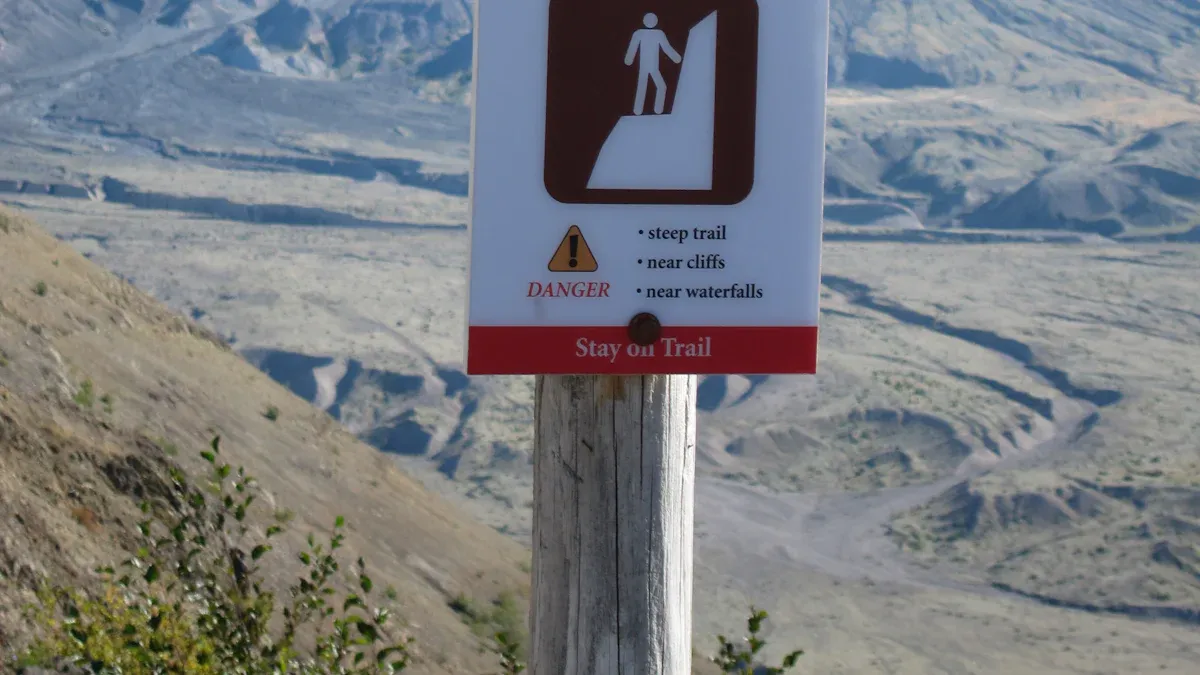
Stay on marked trails to avoid getting lost.
By following these tips, you can enjoy the beauty of nature while minimizing risks. Your safety is in your hands, so prioritize it every step of the way!
FAQ
What should I do if I encounter a bear while hiking?
If you see a bear, stay calm. Back away slowly without turning your back. Speak softly to let the bear know you’re human. Never run, as this may trigger a chase.
How can I stay safe while hiking alone?
To stay safe while hiking alone, plan your route, inform someone of your plans, and carry essential gear. Stay aware of your surroundings and avoid hiking in remote areas.
What should I pack for a solo hiking trip?
Pack essentials like water, food, a first aid kit, navigation tools, and weather-appropriate clothing. Always include a flashlight and a multi-tool for emergencies.
How can I navigate if my phone dies?
If your phone dies, rely on a physical map and compass. Familiarize yourself with trail markers before your hike. Always carry a backup navigation method.
Is it safe to hike alone at night?
Hiking alone at night is risky. Limited visibility increases the chance of accidents. If you must hike after dark, choose well-marked trails and carry a reliable flashlight.