Hiking in hot weather can pose serious health risks if you do not prioritize hydration and heat safety. Dehydration and heat-related illnesses can lead to severe consequences. For instance, heat-related incidents accounted for 8.7% of emergency medical service responses in Grand Canyon National Park, with 25% of those cases linked to dehydration. Staying cool and aware of these risks is essential for a safe hiking experience.
Key Takeaways
Stay hydrated by drinking at least one liter of water per hour during strenuous hikes. Adjust your intake based on heat and humidity.
Recognize the signs of heat exhaustion and heat stroke. Act quickly by moving to a cooler area and drinking fluids if symptoms arise.
Plan hikes during cooler times, like early morning or late afternoon, to avoid the hottest temperatures and reduce heat-related risks.
Hydration Tips for Hiking in Hot Weather
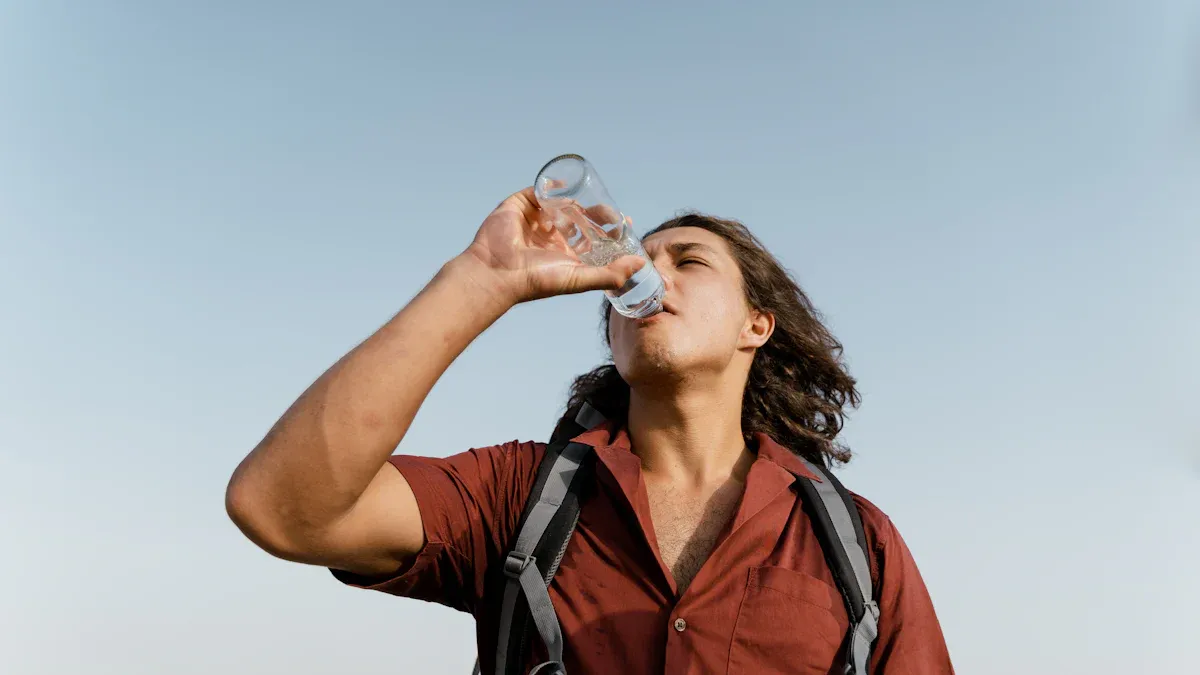
How Much Water to Drink
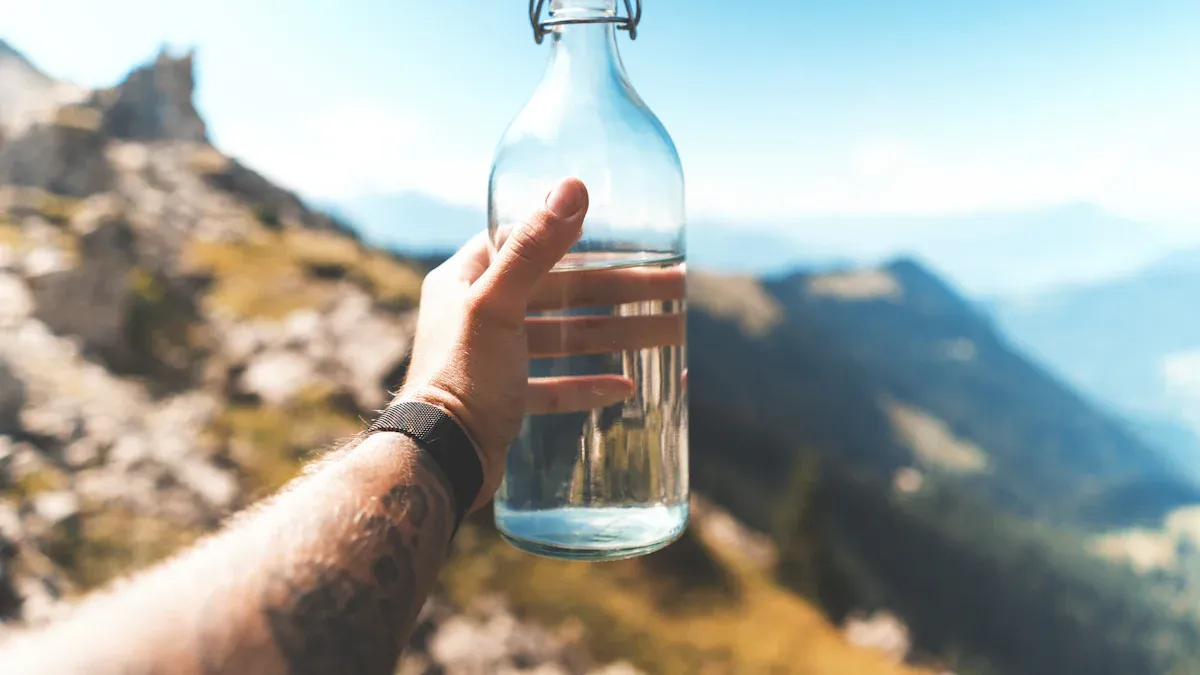
When hiking in hot weather, staying hydrated is crucial. You should aim to drink at least one liter of water per hour during strenuous activities. This recommendation increases if you hike in high heat or humidity. Here are some important points to consider:
Moderate Activities: For moderate activities in moderate temperatures, drink about half a liter of water per hour.
Strenuous Hiking: If you hike in high heat, increase your intake to one liter or more per hour.
Daily Baseline: The New Zealand Mountain Safety Council suggests a baseline of around two liters of water per day. Adjust this based on factors like hot weather, steep climbs, or carrying a heavy pack.
Hydration Before and During Hikes
Proper hydration starts before you even hit the trail. Here are some effective tips to ensure you maintain hydration:
Pre-Hydrate: Drink one to two cups of water before starting your hike. This helps prevent dehydration.
Night Before: Start hydrating the night before your hike, especially in hot weather. This sets you up for success.
Regular Intake: During your hike, aim to drink three to eight ounces of water every 15-20 minutes. Don’t wait until you feel thirsty; by then, you may already be dehydrated.
Electrolyte Balance: Consider adding electrolyte packets to your water. These help prevent dehydration and muscle cramps, especially during prolonged exercise. They also aid in quicker recovery by restoring lost minerals.
Remember, maintaining hydration is not just about drinking water. It’s essential to balance your fluids with electrolytes to stay healthy in outdoor conditions.
Tip: Monitor your urine color to assess hydration status. Light yellow indicates good hydration, while dark yellow suggests you need to drink more fluids.
By following these hydration tips, you can enjoy your hiking adventures while minimizing the risks associated with hiking in hot weather.
Heat Illness Signs and Safety Tips
Hiking in hot weather can lead to serious health issues if you do not recognize the signs of heat-related illnesses. Two common conditions are heat exhaustion and heat stroke. Understanding their symptoms can help you stay safe on the trail.
Recognizing Heat Exhaustion
Heat exhaustion occurs when your body overheats due to excessive heat exposure and dehydration. It is essential to watch for signs of distress. Here are the early warning signs of heat exhaustion:
Heavy sweating or clammy skin
Headache, dizziness, or weakness
Nausea or muscle cramps
Rapid pulse or faintness
If you notice these symptoms, take immediate action. Follow these safety tips:
Get to shade immediately.
Loosen tight clothing.
Sip water or an electrolyte drink slowly.
Heat exhaustion is a significant concern for hikers, especially in hot climates. Individuals not acclimatized to high temperatures are at a higher risk. Factors like high humidity and strenuous physical activity can increase this risk.
Recognizing Heat Stroke
Heat stroke is more severe than heat exhaustion and requires immediate medical attention. It occurs when your body temperature rises above 104°F. Here are critical symptoms that differentiate heat stroke from heat exhaustion:
Condition | Symptoms |
|---|---|
Heat Exhaustion | Skin tingling, nausea, vomiting, dizziness, headaches, irritability, fatigue, excessive sweating |
Heat Stroke | Body temperature over 104°F, sudden behavioral changes, confusion, dizziness, weakness, agitation, slurred speech, nausea |
If you suspect someone is experiencing heat stroke, act quickly. Here are the steps to take:
Call 9-1-1 for immediate medical assistance.
Move the person to a cooler area.
Apply cooling methods, such as immersing them in cold water or using ice packs.
Recognizing these symptoms and taking action can save lives. Always be aware of the risks associated with hiking in extreme heat.
In addition to recognizing symptoms, you should also follow these general safety tips to prevent heat-related illnesses:
Hydrate well. Drink extra water to replace fluids lost from sweating, especially on warm days.
Consider humidity. High humidity can hinder your body’s ability to cool down through sweating.
Wear appropriate clothing. Lightweight, moisture-wicking clothing is recommended, along with a wide-brimmed hat and sunglasses for sun protection.
Plan your hike. Start early in the day to avoid the hottest temperatures and seek shaded areas during your hike.
Know the symptoms of heat-related illnesses. Recognize signs of heat exhaustion and heat stroke to take immediate action.
By staying informed and prepared, you can enjoy your hiking adventures while minimizing the risks associated with heat-related illnesses.
Preventive Measures for Safe Hiking
Best Times to Hike
Planning your hikes during cooler parts of the day can significantly reduce the risk of heat-related illnesses. The best times to hike are:
Early Morning: Start your hike at dawn when temperatures are lower. This allows you to enjoy the cool air and avoid the heat of the day.
Evening: If you can’t hike in the morning, consider hiking in the late afternoon or early evening. This time also offers cooler temperatures.
Research shows that avoiding hikes between 10 a.m. and 4 p.m. helps you stay out of direct sunlight. Here’s a summary of recommendations:
Source | Evidence |
|---|---|
Grand Canyon National Park | Advises to avoid hiking between 10 a.m. and 4 p.m. to stay out of direct sunlight and reduce heat exposure. |
NCSU News | Recommends planning outdoor activities during the early morning hours to avoid heat. |
Mayo Clinic | Suggests scheduling strenuous activities in the early morning or evening to prevent heat-related illnesses. |
Clothing and Gear Tips
Wearing the right clothing and using proper gear can help keep you cool and safe while hiking in hot weather. Here are some tips:
Choose Breathable Fabrics: Opt for clothing made from materials like polyester or merino wool. These fabrics allow moisture to evaporate, keeping you cooler. Lighter colors reflect sunlight, helping to regulate your body temperature.
Wear a Wide-Brimmed Hat: This provides shade for your face and neck, protecting you from direct sunlight.
Use Sunscreen: Apply sunscreen to exposed skin to prevent sunburn.
When it comes to hydration gear, consider these options:
Stainless Steel Water Bottles: These keep water cool and are safer than plastic bottles.
Hydration Packs: These backpacks allow hands-free hydration and can carry both water and essentials.
Hydration Bladders: These fit in your backpack and often include a drinking tube for convenience.
Taking breaks in the shade is also essential. If you start to feel overheated or experience a headache, find a cool spot to rest for 15-20 minutes. This simple precaution can help you stay safe and enjoy your hike.
Staying hydrated and recognizing heat-related illnesses are vital for safe hiking in hot weather. Remember to drink water regularly, take breaks in the shade, and plan your hikes wisely. Prioritize your health to enjoy your outdoor adventures fully. Your safety is essential for a memorable hiking experience!