Fishing offers a wonderful escape from daily life. Many people find joy in casting a line and connecting with nature. Not only does fishing enhance your mental well-being, but it also helps you build social connections and improve your skills.
To make the most of your fishing adventures, you should understand the essentials. Knowing the right gear, techniques, and safety measures can turn a simple outing into a rewarding experience. So, let’s dive into the fishing basics guide and get you ready for your next adventure! 🎣
Key Takeaways
Choose the right gear. A medium power rod and spinning reel are ideal for beginners.
Master basic techniques. Start with live bait and gradually try artificial lures as you gain confidence.
Prioritize safety. Always wear a life jacket and keep a first aid kit on hand during fishing trips.
Understand fishing environments. Freshwater fishing is often easier for beginners than saltwater fishing.
Stay aware of weather conditions. Dress appropriately and be prepared for sudden changes while on the water.
Gear Essentials
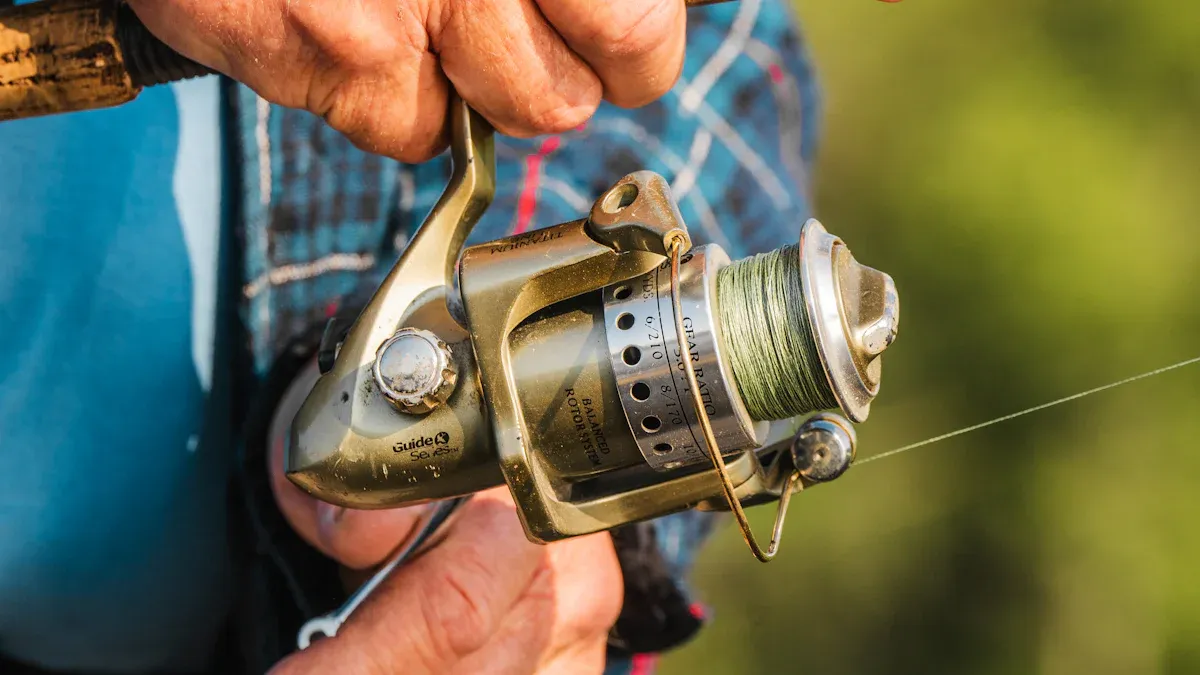
Setting Up Your First Fishing Rod
When you’re ready to start fishing, setting up your first fishing rod is a crucial step. Here’s what you need to get started:
Fishing Rod: A 6–7 ft medium power, fast action rod is perfect for beginners. It offers a good balance between sensitivity and strength.
Fishing Reel: Opt for a spinning reel. It’s user-friendly and reliable, making it ideal for those new to fishing.
Fishing Line: Monofilament line is a common choice. It’s versatile and easy to handle, which is great for beginners.
Tackle Accessories: Don’t forget hooks, bait (both natural and artificial), and other necessary gear.
Avoid common mistakes like choosing rods that are too heavy or reels that are difficult to manage. You want to keep it simple and effective as you learn the ropes.
If you’re looking for a solid fishing rod and reel combination, consider the Wild Water Deluxe 5/6 Fly Fishing Kit. It includes everything you need, from a balanced 9-foot rod to a smooth reel and starter flies. This kit is perfect for families starting their fishing journey.
Terminal Tackle and Accessories
Once you have your rod and reel set up, it’s time to focus on terminal tackle. This includes essential items that help you catch fish effectively. Here’s a quick list of what you should have:
Hooks: These are vital for catching fish. Consider options like the VMC Heavy Duty Wide Gap Hook or the Gamakatsu Aaron Martens G-Finesse Drop Shot Hook.
Jigs: Great for attracting fish, especially in freshwater.
Weights: Use bullet weights to help your bait sink to the desired depth.
Having the right fishing gear can significantly impact your success rate. Studies show that anglers using premium hooks and lines experience a 25% higher success rate compared to those with lower-quality gear. So, investing in good terminal tackle is worth it!
Lastly, don’t forget to pack a first aid kit and a fish identification guide. A first aid kit is crucial for any boating trip. It should include items like gauze, bandages, and surgical tape to address injuries promptly. Being prepared can make a big difference in your fishing experience.
With the right gear and knowledge, you’re well on your way to enjoying your fishing adventures!
Fishing Techniques
Freshwater vs. Saltwater
When you start fishing, understanding the differences between freshwater and saltwater fishing can help you choose the right approach. Here’s a quick comparison:
Aspect | Freshwater Fishing | Saltwater Fishing |
|---|---|---|
Rod | Lighter, standard steel or graphite/fiberglass | Tougher, designed to resist corrosion |
Reel | Smaller, general-purpose reels | Larger, high-capacity reels for big fish |
Lure | Various lures and live bait like minnows | Specialized lures for larger species |
Techniques | Fly fishing, spinning, baitcasting | Trolling, bottom fishing, surfcasting |
Target Fish | Bass, trout, panfish | Tuna, marlin, redfish |
Accessibility | Often easier and less physically demanding | Requires more specialized knowledge |
Freshwater fishing typically occurs in lakes, rivers, and ponds, while saltwater fishing takes place in oceans and bays. If you’re fishing for the first time, start with freshwater. It’s often more accessible and less intimidating.
Fly Fishing Basics
Fly fishing can be a rewarding experience. Here are the basic steps to get you started:
Back Cast: Begin with the rod tip low to the water and 3 to 6 feet of fly line out. Lift the rod slowly, speed up, and stop abruptly at ear height.
Pause: Allow the fly line to unwind completely behind you, creating tension that helps load the rod.
Forward Cast: Once the line is straightened out, speed up and point the rod tip forward, making an abrupt stop to present the fly.
For beginners, effective fly patterns include the Parachute Adams and the Elk Hair Caddis. These flies work well for various fish and water types.
Ice Fishing Tips
Ice fishing can be a fun winter activity, but safety is key. Here are some essential tips:
Avoid White or Cloudy Ice: This type of ice is often weaker due to trapped air bubbles.
Stay Away from Gray or Black Ice: These colors indicate dangerous conditions with water near the surface.
Use Ice Picks: Essential for pulling yourself out if you fall through the ice.
Wear a Personal Flotation Device (PFD): This provides buoyancy and insulation in cold water.
Make sure to dress in cold-weather clothing and keep a first aid kit handy. Having the right gear, like an ice auger and waterproof boots, will make your ice fishing experience safer and more enjoyable.
With these fishing techniques, you’re ready to explore different environments and enjoy your time on the water!
Water Safety
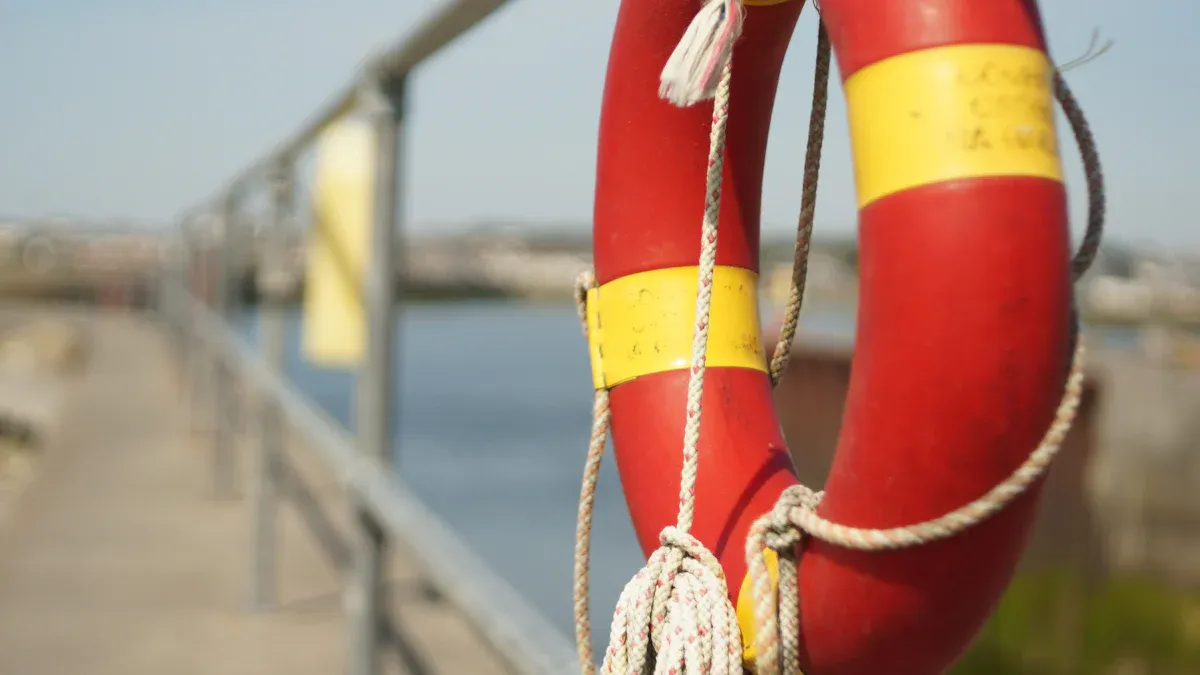
Essential Safety Gear
When you head out for a fishing trip, safety should always be your top priority. Here’s a list of essential safety gear you should have:
Life Jackets: Always wear a life jacket, even if you’re a strong swimmer. Options include inflatable life jackets and those integrated into clothing.
EPIRB (Emergency Position-Indicating Radio Beacon): This device signals for rescue with GPS coordinates, making it crucial for emergencies.
Marine-band VHF-FM Radio: Use this for communication offshore, as cell phones may not work in remote areas.
Emergency Food and Water: Pack these in case rescue is delayed. Staying nourished and hydrated can make a big difference.
Having the right gear can save your life. According to safety organizations, wearing a life jacket is one of the most effective ways to prevent drowning while fishing.
Weather Awareness
Weather can change quickly, especially when you’re out on the water. Here are some safety tips to keep in mind:
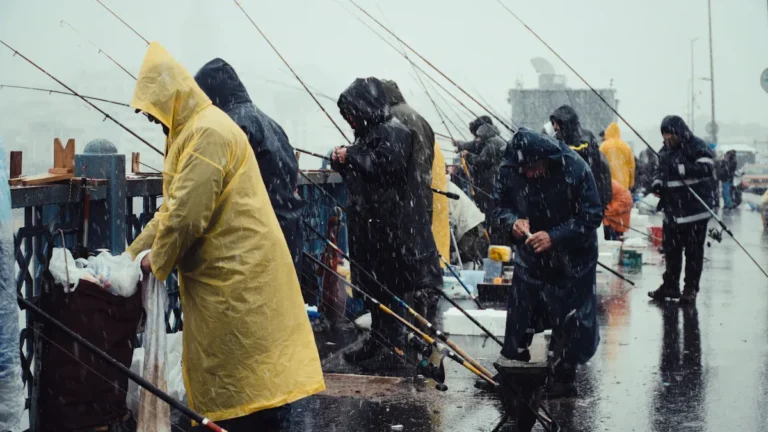
Rainy Weather: Wear waterproof clothing and non-slip boots to stay dry and safe.
Sunny Days: Protect yourself with sunglasses and sunscreen to avoid sunburn.
Cold Weather: Dress warmly and wear thermal socks to keep your body heat up.
Windy Conditions: Equip yourself with a windbreaker jacket to shield against strong gusts.
Always prioritize safety by not fishing alone during extreme weather. Inform someone about your fishing plans and carry a first aid kit. Remember, inclement weather contributes to a significant number of vessel disasters, so stay alert!
Emergency Procedures
Accidents can happen, and knowing what to do in an emergency is vital. Here’s a quick checklist of procedures to follow:
Put on life jackets immediately.
Reduce speed and adjust your position to face the waves.
Maintain balance and secure loose equipment.
Use radios or signals if you need assistance.
Stay with your vessel whenever possible.
Use flotation devices to conserve energy.
Signal for help using a whistle, light, or mirror.
Avoid swimming against strong currents.
Treat injuries immediately with first-aid supplies.
Move toward shore when conditions allow.
By following these emergency procedures, you can enhance your safety while fishing. Remember, being prepared is key to enjoying your time on the water!
With these water safety tips, you’re ready to fish responsibly and enjoy your adventures while keeping safety at the forefront.
Fishing can be an incredibly rewarding experience when you’re well-prepared. Remember to choose the right gear, like medium to medium-heavy rods and spinning reels, for better control. Mastering various techniques, such as different casting styles, will enhance your skills. Always prioritize safety by checking your surroundings and wearing a life jacket.
Here are some key takeaways to keep in mind:
Gear Selection: Use essential accessories like hooks and weights to stay organized.
Technique Mastery: Start with live bait and explore artificial lures as you gain confidence.
Water Safety: Keep a first aid kit handy and anticipate challenges with a travel kit.
Now that you have the basics, get out there and enjoy your fishing adventures!