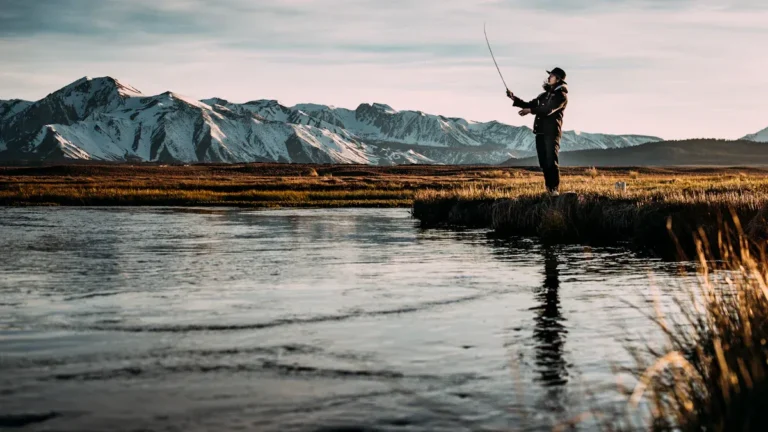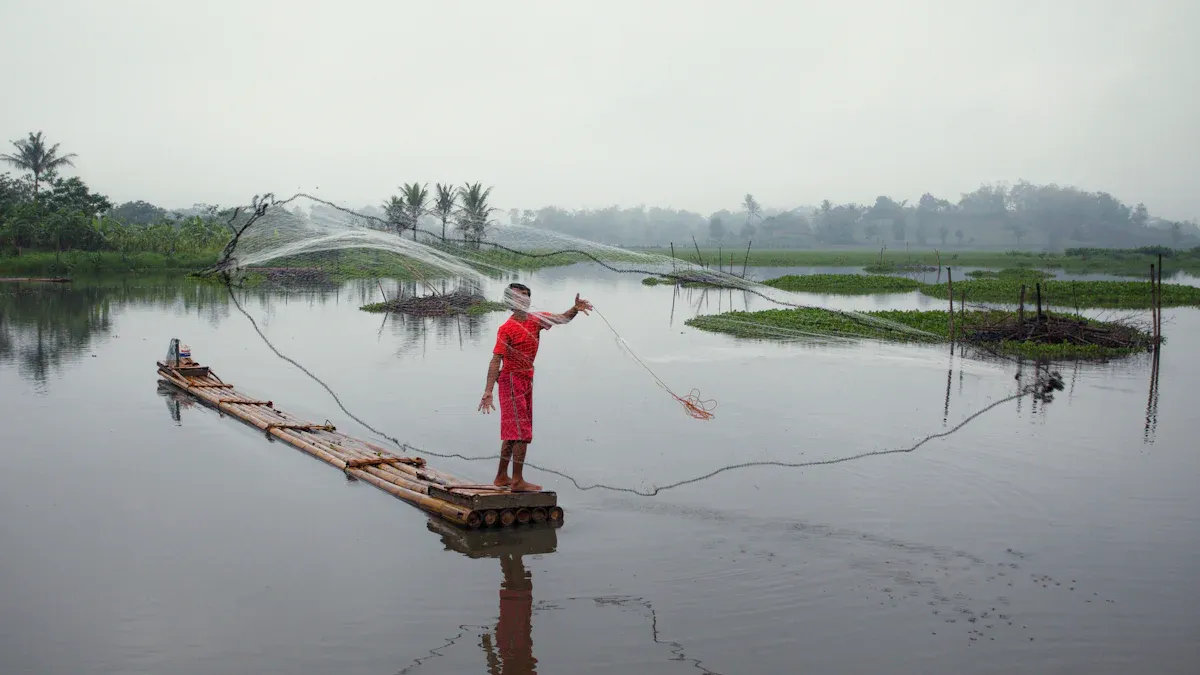
Imagine standing by the water, your heart racing with excitement as you cast your line for the first time. The thrill of fishing as a beginner is unmatched! Yet, you might find yourself making some fishing mistakes along the way. Learning from these blunders is vital. It can improve your skills and boost your success. So, take a moment to think about your experiences. What have you learned? Embrace those lessons, and let’s make your fishing journey even better!
Key Takeaways
Choose the right fishing gear based on your target fish and environment. This choice can greatly improve your chances of success.
Maintain your fishing reel regularly. A well-cared-for reel enhances performance and prevents frustrating equipment failures.
Be patient while fishing. Waiting for fish to notice your bait can lead to better catches and a more enjoyable experience.
Gear Mistakes
Wrong Equipment Choices
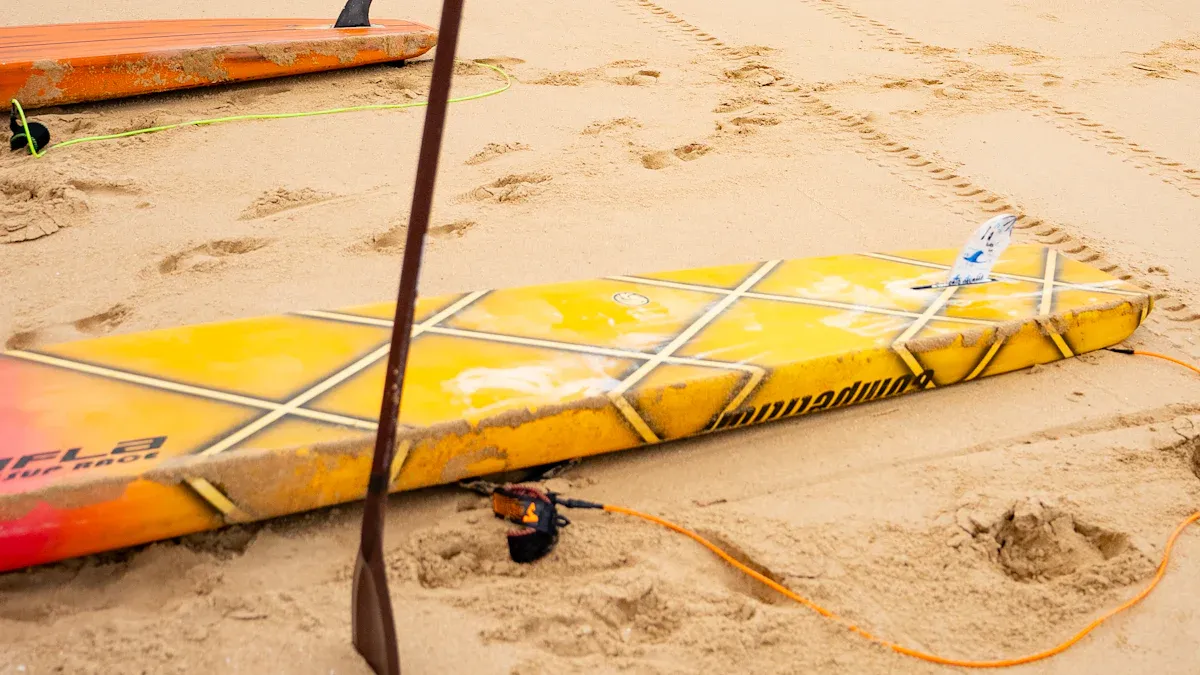
Choosing the right gear is crucial for a successful fishing trip. Many beginners make the mistake of selecting equipment that doesn’t match their fishing needs. For instance, using tackle that is too heavy or too light can complicate your casting and make it harder to reel in fish. Here are some common gear-related mistakes:
Using tackle that is too big, which can prevent catching fish.
Not knowing the quarry, leading to ineffective fishing strategies.
Failing to understand the aquatic environment, where fish are typically found near structures.
Understanding your fishing environment and the type of fish you want to catch can help you make better equipment choices. For example, if you’re fishing in a lake with plenty of underwater structures, you’ll want gear that can handle the challenges of that environment.
Poor Reel Maintenance
Your fishing reel is one of the most important pieces of equipment you own. Neglecting its maintenance can lead to frustrating experiences on the water. Regular cleaning and lubrication are essential to keep your reel functioning smoothly. Here are some tips to maintain your reel:
Wipe off excess oil after lubrication to avoid handling issues.
Apply oil where the handle inserts into the reel body to ensure smooth movement.
Clean and lubricate the bail roller to prevent line breakage.
Ensure all screws are tight to avoid reel disassembly during use.
Rinse the reel with fresh water after use, especially in saltwater.
By taking care of your reel, you can avoid common fishing mistakes that stem from equipment failure. A well-maintained reel can significantly enhance your fishing performance.
Bait Storage Issues
Proper bait storage is vital for maintaining the quality of your bait, which directly affects your fishing success. Many beginners overlook this aspect, leading to spoiled bait and wasted opportunities. Here are some common bait storage mistakes:
Over Spombing: Excessive spombing can reduce your chances of catching fish and negatively impact other anglers and the environment.
Over Pre-baiting: This can cause water quality issues and harm fish populations due to excessive baiting without fishing.
Over baiting when the fish are not feeding: This mistake can lead to wasted bait and poor fishing outcomes.
To keep your bait fresh, consider using appropriate storage solutions. Containers with ventilation can help prevent spoilage. Remember, the quality of your bait can significantly influence your overall fishing experience.
Technique Errors
Casting Mistakes
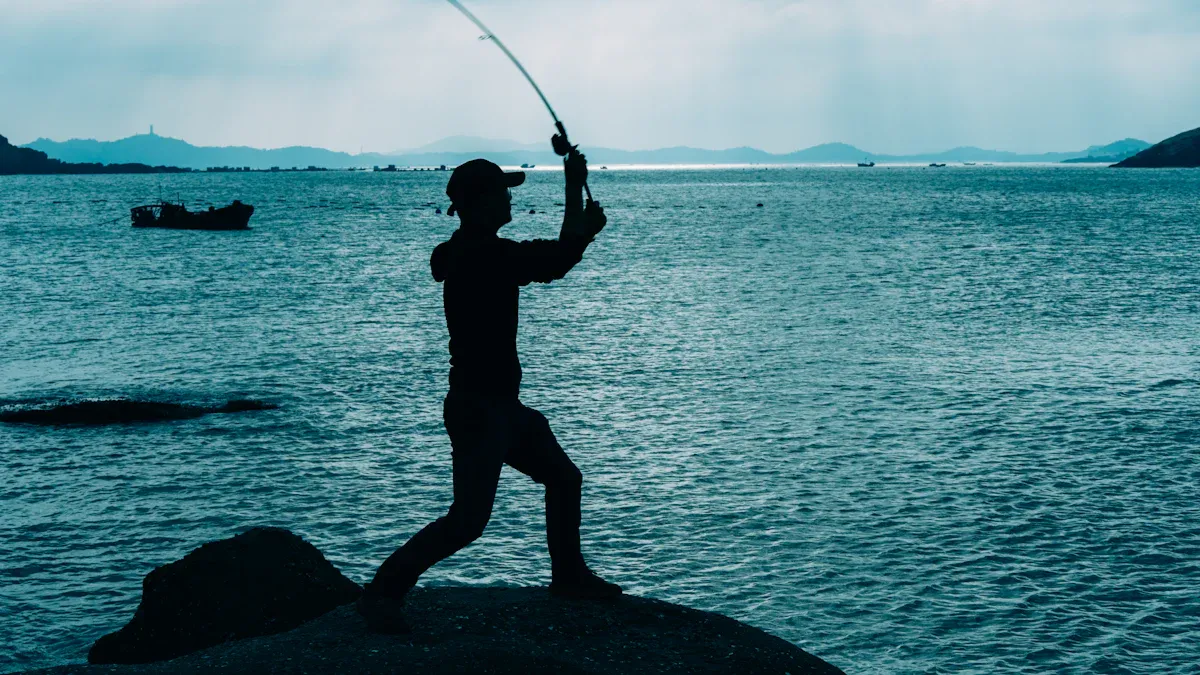
Casting is one of the most fundamental skills in fishing. However, many beginners struggle with it, leading to common fishing mistakes. Here are some typical casting errors you might encounter:
Excessive Splash: If your lure hits the water with a loud splash, it can scare fish away. Aim for a gentle entry to avoid spooking them.
Poor Line Control: Maintaining light tension on your line helps you feel bites better. If your line is too loose or too tight, you might miss opportunities.
Inconsistent Lure Placement: If you don’t aim for specific spots, you may miss the areas where fish are hiding. Targeting precise entry points increases your chances of success.
Improving your casting technique can significantly enhance your fishing experience. Regular practice is essential. Consider practicing off the water to refine your skills. You can even set up drills in your backyard using rubber practice plugs to simulate real casting scenarios.
Fishing Too Fast
Many beginners make the mistake of fishing too quickly. While it’s tempting to keep moving and trying different spots, this approach can lead to missed opportunities. Here’s why slowing down can be beneficial:
Evidence Description | Key Findings |
|---|---|
Fishing practices impact on fish populations | Fishing too fast can lead to detrimental effects on fish populations and ecosystems, necessitating careful management strategies. |
Evolutionary consequences of fishing | Fishing can induce life-history changes, leading to younger, smaller, and more quickly maturing fish, which destabilizes ecosystems. |
When you rush, you might not give fish enough time to notice your bait. Fish behavior is unpredictable, and sometimes it takes a while for them to find your lure. Embrace the wait; it’s part of the experience.
Lack of Patience
Patience is a virtue in fishing. Many novice anglers give up too soon when they don’t get immediate bites. Here are some insights on why patience matters:
Fishing requires time; giving up quickly is a common mistake.
Frustration can arise if you don’t catch anything right away, but remember that fish behavior can be erratic.
It often takes time for fish to find your bait or lures, so waiting can pay off.
Fishing instructors often emphasize the importance of connecting with nature and enjoying the process. They encourage you to observe the water, fish behavior, and wildlife patterns. This approach not only builds patience but also enhances your overall fishing strategy.
By recognizing these technique errors, you can improve your fishing skills and enjoy your time on the water even more.
Preparation Mistakes
Ignoring Weather and Tides
Many beginners overlook the impact of weather and tides on fishing success. You might think that any day is a good day to fish, but that’s not always true! Here are some key points to consider:
Wind Speed: Ideal conditions often include wind speeds between 5.4 to 30.8 km/h. Too much wind can make fishing difficult.
Tide Changes: Fish are more active during certain tidal phases. Understanding these patterns can lead to better catches.
Weather Conditions: Extreme weather can reduce fishing activity. Fish tend to be less active during storms or harsh conditions.
By paying attention to these factors, you can significantly improve your chances of a successful outing.
Overthinking Setups
It’s easy to get caught up in the details when preparing for a fishing trip. However, overthinking your setup can lead to unnecessary stress and mistakes. Here are some common pitfalls:
Complex Rigging: Beginners often complicate their rigs, which can scare fish away. Keep it simple!
Rod Movements: Improper movements after casting can create vibrations that deter fish. Focus on smooth, controlled actions.
Clothing Choices: Wearing bright colors can make you more visible to fish. Opt for neutral tones to blend in with your surroundings.
Remember, simplicity often leads to success in fishing.
Skipping Research
Before heading out, take some time to research your fishing location. Many beginners skip this step, which can lead to missed opportunities. Here’s what to look into:
Online Maps: Use tools like Google Earth to explore potential fishing spots.
Local Regulations: Familiarize yourself with fishing seasons and catch limits to stay compliant.
Water Conditions: Check temperature and clarity to determine the best times to fish.
Doing your homework can make a world of difference in your fishing experience!
Common Bass Fishing Mistakes
Misunderstanding Fish Behavior
Many beginners struggle with understanding how bass behave. This can lead to common mistakes that affect your success. For instance, new anglers often retrieve their lures too quickly. This can cause short strikes and scare fish away. Instead, try a slower retrieve. Bass often prefer a more leisurely approach.
Mistake | Description |
|---|---|
Fishing Lure Too Fast | New anglers often retrieve their lures too quickly, which can lead to short strikes and spooking fish. Patience and a slower retrieve are generally more effective. |
Poor Casting Accuracy | Many beginners struggle with casting accuracy, which is crucial since bass often relate to cover and structure. Practicing casting can significantly improve success rates. |
Mishandling Catches
When you catch a bass, how you handle it matters. Mishandling can lead to severe consequences for the fish’s health. Bass rely on their gills for oxygen. If you keep them out of water too long, they can suffocate. Plus, exposure to air dries out their protective mucus layer. This increases their risk of disease. Always wet your hands before handling a bass and return it to the water as quickly as possible.
Using Incorrect Bait
Choosing the right bait is essential for bass fishing. Many beginners make the mistake of using the wrong size or type of bait. Start with local prey sizes to match what bass are naturally eating. In cooler months, opt for smaller and slower lures. During fall, larger lures can be more effective as bass become more aggressive. Adjust your bait color based on water clarity. Natural colors work well in clear water, while bolder colors can attract fish in murky conditions.
By avoiding these common bass fishing mistakes, you can enhance your fishing experience and increase your chances of landing that big catch!
Making mistakes is a natural part of learning to fish. Embrace them! Take notes on the tips shared in this blog. Apply what you learn on your next trip. Remember, fishing is about enjoying nature and improving your skills. So, grab your gear and get out there-great catches await!
FAQ
What should I bring on my first fishing trip?
Bring a fishing rod, tackle box, bait, a fishing license, sunscreen, and plenty of water to stay hydrated.
How do I know where to fish?
Research local fishing spots online or ask experienced anglers for recommendations. Look for areas with structures like rocks or vegetation.
What’s the best time to fish?
Early morning and late afternoon are often the best times. Fish tend to be more active during these cooler parts of the day.