

Winter hunting rewards clothing and accessories that manage cold, moisture, and long hours outdoors without creating unnecessary bulk. A base layer, insulated footwear, warm mid-layer, hat, blanket, and waterproof bibs cover different parts of the body and can work together through changing conditions. This shortlist suits weekend hunters, students heading home for winter break, and anyone building a practical cold-weather kit for camping, hiking, or vehicle emergencies.
How The Shortlist Stacks Up

Muddy TRX Quarter Zip Shirt

Muddy Dv8 Insulated Boot

Barnesmith College Heritage Crewneck

MELASA Hands-Free Winter Beanie
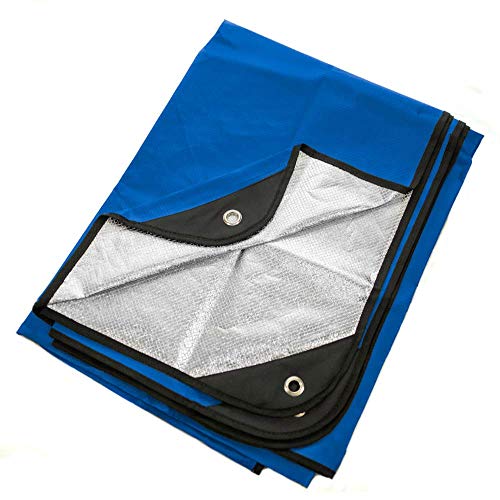
Arcturus Reflective Survival Blanket, Blue, 60×82 in

Muddy TRX Sherpa Bibs
The Strengths Of Each Pick
The Muddy TRX Quarter Zip Shirt is designed as an active base layer, the thin first layer that helps manage moisture before heavier insulation goes over it. The quarter-zip opening makes it practical for regulating warmth during a morning hunt that turns into a mild afternoon. Compared with the insulated Dv8 Insulated Boot, it addresses the upper body rather than the feet.
Mossy Oak Bottomland and Greenleaf options suit hunters who prefer earth-toned clothing that blends into wooded country. The pattern may be more visual than some people prefer, but it feels purposeful for deer season and other cold-weather outings. You’ll get the most benefit by sizing it close to the body without restricting movement.
Advantages To Know
- The quarter-zip neck gives you quick control over heat during active movement.
- Its base-layer role makes it easy to combine with a sweatshirt, bibs, or outerwear.
- Two woodland patterns offer practical choices for wooded hunting country.
Points To Note
- Limited construction details leave its fabric weight and insulation level unclear.
- A base layer may feel insufficient during prolonged cold, so plan an additional mid-layer.
Feature Snapshot
Built With In Mind
This shirt best suits hunters who need a flexible first layer for cool starts and variable activity.
Another Choice May Suit
Choose the Barnesmith College Heritage Crewneck instead when a warmer casual mid-layer matters more than active moisture management.
Long shafts and serious insulation make the Muddy Dv8 Insulated Boot a natural fit for standing in snow, walking muddy access routes, or waiting through a cold tree-stand watch. Its 17-inch height covers more of the lower leg than a typical casual winter boot. That coverage helps, though bulk inside the boot becomes a concern for people who remain active all morning.
Waterproof construction helps keep standing water and wet snow from reaching your feet, a meaningful difference from the uninsulated Muddy TRX Quarter Zip Shirt’s broader layering role. The roll-down shaft can accommodate pants or create extra ventilation during warmer periods. Owners should dry the exterior after slushy hikes and allow moisture to escape between uses.
Practical Pluses
- A fully waterproof shell supports hunting across wet grass, mud, and snow.
- Five-millimeter neoprene adds flexible insulation around the foot and lower leg.
- Thin synthetic insulation in the toe box targets an area that often feels especially cold.
- The 17-inch shaft offers substantial coverage beneath insulated hunting pants.
- A mesh lining can improve comfort and moisture escape during extended wear.
Trade-Offs To Consider
- The tall construction may feel excessive for driving or walking on maintained trails.
- Roll-down fastening takes adjustment and may not stay as neat under slim pants.
The Numbers That Matter
Made For
These boots suit hunters standing in snow or crossing muddy ground who prioritize warmth and waterproof coverage.
Look Elsewhere When
The Arcturus Reflective Survival Blanket is more useful for preserving core warmth during a roadside stop, while the Dv8 is designed for continuous foot coverage.
A classic crewneck is hard to overthink, and the Barnesmith College Heritage Crewneck brings that familiar shape to cold-weather layering. The heritage logo gives it a collegiate look that works for the drive to the woods, camp chores, or casual wear afterward. That versatility is more noticeable than any technical feature in the available information.
The adult unisex design makes it easy to share as a practical extra layer within a group of college students or friends. The source doesn’t identify the fabric weight, so cold-range expectations should remain modest. Pair it over the Muddy TRX Quarter Zip Shirt during mild days, or use it around camp after you no longer need a higher-performance active layer.
Where It Helps
- The familiar crewneck neckline works well beneath jackets and bibs.
- Collegiate styling keeps it appropriate for travel, errands, and casual outdoor use.
- Unisex styling broadens its fit for groups sharing winter clothing.
Honest Caveats
- Unspecified fabric details make its warmth and weight difficult to compare precisely.
- Fleece-like sweatshirts can collect body oils, so follow the garment care label and wash inside out.
The Right Fit
This crewneck suits students and casual outdoorspeople who want a recognizable mid-layer for travel and around-camp wear.
A Better Fit Elsewhere
The Muddy TRX Sherpa Bibs offer more coverage for snowy stands, making them the stronger fit when warmth from the waist down matters most.
The MELASA Hands-Free Winter Beanie targets a simple problem during a cold hunt: cold hands when you need them for binoculars, a phone, or tree-climbing hardware. Its hands-free design keeps the cap positioned while your hands stay available. That makes it more purposeful for a winter stand than a conventional knit hat that relies on staying put through wind and movement.
The unisex styling should fit naturally into a broad range of winter wardrobes, including casual and hunting clothing. The supplied listing lacks material, size, and construction details, so texture and snugness deserve close attention on the product page. For most outdoor people, a compressible cap is easier to carry than a bulky full hat.
Useful Highlights
- Hands-free positioning keeps your head covered while your hands remain available.
- A compact format is easy to carry in a pocket until the temperature drops.
- Unisex styling pairs naturally with the other neutral winter pieces here.
Small Caveats
- Material and construction details aren’t available, making softness difficult to judge beforehand.
- A cap offers less coverage than the Dv8 Insulated Boot’s tall shaft or a full pair of Sherpa bibs.
Who Should Grab It
This beanie suits hunters who repeatedly use both hands and need compact head warmth during cold stands.
Reach For A Different Pick When
Choose the Muddy TRX Sherpa Bibs for fuller body coverage during stationary, snow-covered hunts.
The Arcturus Reflective Survival Blanket is built for situations where keeping the torso warm matters more than wearing a complete outfit. Its 60-by-82-inch size covers a seated adult without becoming difficult to fold, and reflective material adds visibility during roadside or campsite emergencies. It works well for hunting breaks, hiking stops, and keeping one in a vehicle.
Unlike the Muddy Dv8 Insulated Boot, which protects feet continuously, this blanket addresses wind, moisture, and reduced core warmth. Its three-layer construction combines reflective material with polypropylene, with the middle layer contributing structural separation. Fold it loosely and keep it dry in your kit; trapped grit or a damp fold can cause creasing and wear.
Features That Help
- Reflective construction improves visibility during emergency or roadside situations.
- Three layers combine insulation, reflective material, and durable outer support.
- Polypropylene adds toughness for repeated packing and outdoor use.
- Grommets provide attachment points for secure storage or external tie-downs.
- The broad dimensions suit full-body coverage while seated in a blind or vehicle.
Practical Considerations
- The synthetic construction may crinkle during movement, making it better suited to stationary use.
- It provides temporary outdoor coverage rather than the all-day warmth of a dedicated sleeping system.
Essential Details
Whose Shelf It Belongs On
This blanket suits campers, hikers, and motorists who need compact backup warmth for exposed outdoor conditions.
Swap It Out When
The Muddy Dv8 Insulated Boot is the better fit for a hunter who needs warm, waterproof feet throughout an active outing.
The Muddy TRX Sherpa Bibs prioritize coverage through the legs and lower torso, the areas exposed while sitting in a cold blind or working around camp. Sherpa refers to the soft, pile-like texture associated with this style, though the available source doesn’t document fabric weight. Compared with the Barnesmith College Heritage Crewneck, these bibs provide more body coverage for a stationary winter hunt.
Bottomland, Veil Canyon Grey, and Veil Canyon Hybrid patterns give you earth-tone options suited to different outdoor wardrobes. That makes them easy to pair with the Dv8 Insulated Boot and Muddy TRX Quarter Zip Shirt. The main uncertainty is insulation performance, so cold standers may still need a well-fitted base layer beneath them.
Everyday Advantages
- Bib construction covers the lower torso and legs more fully than a sweatshirt.
- Sherpa styling supplies a soft interior touch against cold-weather layers.
- Three camouflage-oriented patterns make coordination with woodland gear straightforward.
A Few Limitations
- Material weight and insulation level aren’t specified, limiting cold-range guidance.
- Sherpa fibers can mat with repeated compression, so hanging or loosely folding them helps.
Core Details
Perfect Match For
These bibs suit cold-weather hunters who sit for long periods and need broader coverage than a traditional sweatshirt provides.
Where A Sibling Pick Shines
The MELASA Hands-Free Winter Beanie is the simpler choice for a short outing where head warmth matters more than full-body coverage.
Building A Layered Winter Hunt Kit
A practical kit starts with the parts of your body exposed between clothing layers. Consider where cold settles first, then match each area to the activity and expected conditions rather than adding thick pieces everywhere.
Start With a Flexible Foundation
A base layer sits close to the skin and helps manage moisture, making the Muddy TRX Quarter Zip Shirt a logical starting point. It works best for moderate activity, but a genuinely cold morning may require more insulation above it. Check the fit around your shoulders and chest so you can reach for binoculars or adjust your bibs without binding.
Match Footwear to Ground Conditions
Footwear needs to handle cold, moisture, and the terrain between your vehicle and hunting area. The Dv8 Insulated Boot offers tall waterproof coverage for snow and mud, although its bulk may feel unnecessary on a mild day. Boots also need compatible sock weight and room around the toes, since a cramped fit undermines thick insulation.
Build Around Movement and Sitting
Hunting alternates between walking, standing, crouching, and sitting still. Light layers suit movement, while fuller bibs help during stationary cold exposure. Carry the Arcturus blanket for breaks, roadside stops, or an extra layer around camp rather than treating it as a substitute for properly insulated clothing.
What Matters Beyond the Product Name
Watch the Coverage You Actually Need
A high collar, full bib, tall shaft, and compact beanie all handle different areas. Match the garment to the part of your body that becomes cold first, and keep each piece flexible enough for the terrain.
Build for Changing Weather
A shirt alone rarely carries a full winter hunt, and a thick insulated layer can become uncomfortable after hard movement. Combining a base layer, mid-layer, outerwear, and weatherproof bibs gives you more control than one heavy piece.
Common Mistakes and Useful Upgrades
Pitfalls Shoppers Hit
A common mistake is choosing warmth without considering moisture, or assuming more bulk means better protection. Look at the layer’s intended job, check the stated construction, and leave enough room to move. Avoid buying insulated boots for mild terrain simply because they sound rugged.
When Paying More Pays Off
Higher spending can help when it buys specific construction, such as waterproof footwear, taller coverage, or durable synthetic blanket layers. Those upgrades are easier to justify for frequent snow exposure or vehicle-based emergency kits. For occasional casual outings, a versatile sweatshirt and compact beanie may cover the need more economically.
Frequently Asked Questions
What should I wear for winter hunting?
Wear moisture-managing base layers, a warm mid-layer, weather-resistant outerwear, and insulated footwear suited to the terrain. Add full-coverage bibs or a blanket when you’ll sit still for long periods.
Are insulated hunting boots necessary?
They make sense in cold, wet, or snowy conditions where your feet need continuous warmth and waterproof protection. For mild walks on maintained trails, lighter footwear may feel more comfortable.
What is the easiest clothing to layer?
Crewneck sweatshirts and quarter-zip shirts are easy to combine because both can sit beneath outerwear. Fit matters more than the number of layers, so avoid garments that restrict reaching or bending.
Where should I store a survival blanket?
Keep it dry, clean, and loosely folded in a vehicle, backpack, or camping kit. Inspect the grommets and material before each trip so tears don’t go unnoticed.
How many layers are appropriate for winter hunting?
Three functional layers often work well: a base layer, insulating mid-layer, and protective outer layer. Cold standers may add bibs, while warmer conditions can use fewer pieces.
Final Verdict
Build your winter kit around layers rather than one oversized outfit. The Muddy Dv8 Insulated Boot and TRX Sherpa Bibs serve colder, wetter outings, while the quarter zip, crewneck, and beanie cover lighter layering needs. The Arcturus blanket adds compact backup warmth for camp, vehicles, and emergency kits. Match each piece to the conditions you actually face, and your setup will feel more manageable.
