

A snowmobile gear bag has to handle more than a neatly folded jacket. Your helmet, goggles, insulated layers, gloves, boots, and trail-side essentials all need a protected place, especially during cold-weather rides, long trips, and crowded winter parking areas.
The right bag depends on how you travel. Some riders prioritize separate compartments, while others need a long duffel that fits inside a truck bed or beside a sled. These six options cover powersports-specific bags, versatile duffels, and roomy rolling designs, with construction details and carry options worth comparing before you pack.
A Closer Look At The Lineup

MSR Gear Bag
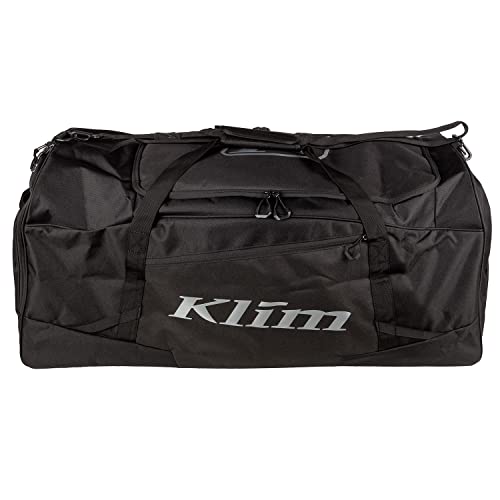
KLIM Drift Gear Bag

MSR Navigator Roller Gear Bag
K-Cliffs Heavy Duty Cargo Duffel
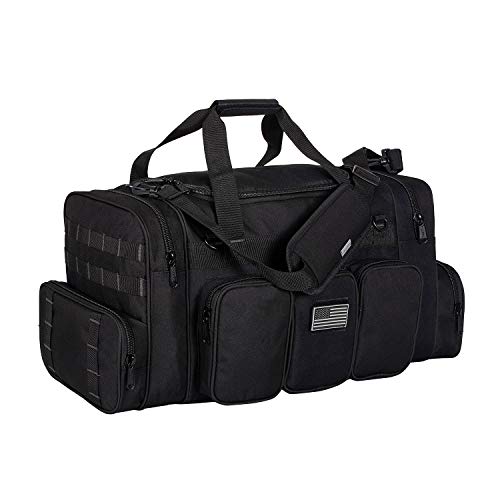
K-Cliffs Tactical Range Duffel 27 Inch Khaki

O’Neal TX8000 Gear Bag
The Strengths Of Each Pick
The MSR Gear Bag offers a useful balance of room and organization for riders moving between a sled, truck, and cabin. Its two differently sized sections make more sense than one undifferentiated cavity, especially with an insulated jacket taking up half the available space.
Compared with the long Navigator design later in the lineup, this bag favors a more compact rectangular shape. That makes it easier to place in a vehicle, while its broad opening reduces the time spent digging through winter layers.
Everyday Perks
- The 19 x 17 x 15-inch main space holds bulky riding clothing and accessories.
- An 8 x 17 x 15-inch side section separates smaller equipment from dirty outerwear.
- Reinforced handles give you more control while lifting a full load from a truck bed.
- The full-length YKK zipper opening makes packing and unloading more direct.
Practical Considerations
- The rectangular form may consume more trunk space than a narrow cylindrical duffel.
- Owners should keep wet boots sealed or isolated so moisture doesn’t reach dry layers.
Quick Facts
Made For
This bag fits riders who want organized storage without the extended footprint of a rolling travel case.
Another Choice May Suit
Helmet-carrying riders may prefer the KLIM Drift Gear Bag and its removable padded divider.
A helmet changes how you pack. The KLIM Drift Gear Bag handles that bulky, sensitive item with a padded, removable divider inside a large duffel layout, making it a natural fit for rides that end near a parking area or remote staging zone.
The divider adds structure that the MSR Gear Bag doesn’t provide. You gain a dedicated helmet zone, but riders carrying mostly soft apparel may find the same volume more useful without rigid separation.
Key Advantages
- The removable padded divider gives a helmet a protected, defined space.
- Duffle-style shoulder straps support carrying the load from a cabin or staging area.
- A wrapped handle gives your hand a softer grip during longer carries.
- Openings in the webbing allow the bag to be secured inside a truck or trailer.
Small Caveats
- The tactical duffel shape may offer less internal sorting than the MSR Navigator Roller Gear Bag.
- Regularly inspect the attachment points before tying the bag into a moving vehicle.
Right Fit For
This design suits riders who regularly carry a helmet while keeping clothing and accessories in one adaptable bag.
Look Elsewhere When
You may prefer the O’Neal TX8000 Gear Bag when separating multiple pairs of boots matters more than helmet padding.
Long-distance riders face a familiar problem: the gear bag becomes a mobile locker. The Navigator’s 35-inch length and roller format address that need, giving bulky equipment a longer home while keeping smaller things in dedicated pockets.
Its 600D polyester, meaning a tightly woven synthetic fabric often used for durable travel goods, is a sensible choice for repeated transport. Compared with the compact MSR Gear Bag, this model sacrifices some easy vehicle placement in exchange for capacity and organization.
A Few Strong Suits
- The elongated 20 x 16 x 35-inch body accommodates helmets, apparel, and travel equipment.
- Interior divisions keep smaller accessories from disappearing beneath heavy layers.
- Exterior and interior mesh pockets provide accessible places for lightweight items.
- Rollers make a full load more manageable around race paddocks and garages.
Trade Offs
- The extended shape may be awkward in a smaller trunk or crowded vehicle.
- Mesh pockets suit light accessories better than wet boots or sharp tools.
Technical Highlights
Who Will Love This
This bag appeals to motocross riders, competitive snowmobilers, and frequent travelers carrying more than one full riding setup.
Reach For A Different Pick When
The KLIM Drift Gear Bag is easier to recommend for riders who primarily need one padded helmet zone.
Not every winter outing requires a bag with riding-specific compartments. The K-Cliffs Heavy Duty Cargo Duffel takes a simpler approach, offering a 21 x 10 x 9-inch general-purpose format for clothing, accessories, and mixed equipment.
That simplicity works well for a secondary bag, shared cabin storage, or riders using their vehicle to haul more than snowmobile equipment. The documented dimensions are the deciding factor, since the available listing details don’t clarify the internal pocket layout or carrying system.
Features That Help
- The 21-inch length can accommodate folded outerwear without taking up a large trunk footprint.
- A general sports-duffel format gives you freedom to repurpose it beyond winter riding.
- The 10-inch width and 9-inch depth suit smaller equipment and accessories.
- Its straightforward shape can be easier to pack than a compartment-heavy travel bag.
Worth Noting
- No dedicated helmet, boot, or clothing compartments are identified in the available information.
- Confirm the fit of your helmet and boots before relying on it for full riding gear.
- A compact general bag may need careful arrangement to keep wet items separated.
Built With In Mind
This duffel best serves riders who value a manageable footprint and flexible use over dedicated powersports storage.
A Better Fit Elsewhere
The K-Cliffs Tactical Range Duffel 27 Inch Khaki offers a longer format for larger mixed loads.
The K-Cliffs Tactical Range Duffel 27 Inch Khaki is built around a longer, utility-minded shape. Its 27-inch size makes it more substantial than the 21-inch cargo duffel, which can help during trips that mix riding apparel with tools or recovery gear.
Water-resistant polyester and an inner PVC lining add protection against wet clothing and incidental spills. That lining can also make drying important after a muddy ride, since trapped moisture inside a lined bag may linger longer than in an open-weave fabric duffel.
Why It Works Well
- The 27-inch length provides room for fuller winter outfits and mixed equipment.
- Water-resistant outer polyester helps protect contents during poor weather and transport.
- The PVC lining creates a wipe-clean interior for damp gloves or clothing.
- A wide U-shaped opening improves access to items packed beneath heavier layers.
- Locking zipper features suit equipment that benefits from added zipper security.
Practical Considerations
- Allow the lined interior to dry fully before storing clean gear.
- Its long body may demand more trunk or bed space than compact alternatives.
Feature Overview
The Right Fit
Long-distance riders need one larger bag for clothing, damp gear, and supporting equipment will find this format practical.
Consider Something Else When
The MSR Gear Bag is easier to manage for riders wanting two clearly divided rectangular sections.
Muddy boots rarely deserve a permanent place beside clean gloves and a balaclava. The O’Neal TX8000 answers that practical problem with two end compartments, keeping footwear accessible while protecting the main clothing section.
Compared with the KLIM Drift Gear Bag, this design makes boot separation its defining task rather than helmet accommodation. A removable cushioned shoulder strap adds carrying comfort, especially during short walks from a cabin or trailer to the sled.
What Pays Off
- Two end boot compartments isolate wet footwear from the main gear section.
- The large primary compartment keeps clothing and larger accessories together.
- A separate side pocket gives smaller frequently used items a designated home.
- The removable shoulder strap offers a comfortable alternative to hand carrying.
Details To Watch
- Wipe the end compartments after carrying wet boots to prevent persistent moisture buildup.
- The pocket layout is focused on footwear, so riders carrying a helmet need a separate protective case.
Core Details
Who Should Grab It
This bag suits riders who regularly carry boots and want footwear separated from clean apparel.
Where Another Pick Shines
The KLIM Drift Gear Bag offers a better alternative for riders whose priority is a padded helmet compartment.
What Matters Before You Pack
Start with your normal load, not the advertised capacity. Lay out your helmet, jacket, pants, gloves, goggles, and boots, then compare that pile with the bag’s dimensions. A long bag can handle a full riding setup while still fitting awkwardly in a compact vehicle.
Storage Layout
Compartment design determines how quickly you can find items and how moisture travels. Separate boot storage keeps dirty footwear away from clean layers, while a helmet divider protects a vulnerable piece of equipment. Dividers and mesh pockets add order, though they work best for lighter accessories rather than heavy or wet gear.
Carrying System
Duffels suit short carries and vehicle loading, while wheeled bags become more useful across parking lots, garages, and race staging areas. Padded shoulder straps reduce pressure during longer walks, but you should also check how the bag sits beside a sled or inside a crowded truck bed.
Material And Maintenance
Polyester is common because it handles abrasion and moisture better than many budget fabrics. Still, wipe muddy boots, let damp compartments dry, and keep sharp tools from cutting mesh or lining. Reinforced handles, strong zippers, and secure tie-down points deserve regular attention during frequent transport.
Practical Checks Before The Season
Common Shopping Slip Ups
A bag with enough volume may still have the wrong shape, handle, or storage layout for your vehicle. Check the longest carrying distance, boot compartment availability, and whether wet items can remain separate. Measure your trunk, truck bed, or sled-access area before committing to a long rolling design.
What Separates Premium From Basic
Basic duffels rely mainly on one open compartment, while more specialized designs add boot spaces, helmet padding, mesh organizers, and reinforced construction. The upgrade matters for frequent riders carrying bulky or moisture-sensitive equipment; occasional riders with a light load may find those additions unnecessary.
Frequently Asked Questions
How large should a snowmobile gear bag be?
Choose a bag that fits your helmet, jacket, pants, gloves, and boots without leaving the zipper under strain. Measure your normal gear load and your available vehicle space before selecting a long or wheeled design.
Are snowmobile gear bags waterproof?
The listed options use materials or linings that offer varying resistance to moisture, but that doesn’t establish full waterproof protection. Wipe wet items promptly and allow damp compartments to dry before storage.
Is a wheeled gear bag useful for snowmobiles?
A wheeled bag becomes especially useful across parking lots, garages, and long staging areas. Make sure the rolling dimensions fit your vehicle, and confirm how securely the bag can remain positioned during transport.
Should wet boots share the main compartment?
Keeping wet boots separate helps protect clothing, gloves, and insulation from moisture. A model with dedicated end compartments, such as the O’Neal TX8000 Gear Bag, suits riders who frequently return with muddy footwear.
What construction details matter most?
Reinforced handles, durable polyester, reliable zippers, and protected compartments offer more everyday value than decorative attachments. Your priorities should reflect the load, carrying distance, and wet gear you regularly transport.
Wrap Up
The MSR Gear Bag is a balanced choice for organized daily storage, while the KLIM Drift Gear Bag stands out for helmet handling. For longer travel, the Navigator offers rolling convenience, and the O’Neal TX8000 keeps boots neatly separated. The two K-Cliffs duffels serve riders who prefer flexible cargo space over powersports-specific compartments.
