

A compact monocular turns ordinary walks into more observant adventures, whether you’re scanning a concert crowd, following a trail, or watching wildlife across a clearing. The challenge is balancing magnification with a body you can comfortably carry. These options range from pocket-friendly 10×25 and 8×20 designs to larger 12×60 and 16×52 optics, plus a protective case for compact Vixen equipment.
The Shortlist At A Glance

Mini HD Monocular 10×25

Pankoo 12×60 HD Monocular
Pankoo 12×60 Monocular with Accessories

MIZAR-TEC SD-70 8x Monocular
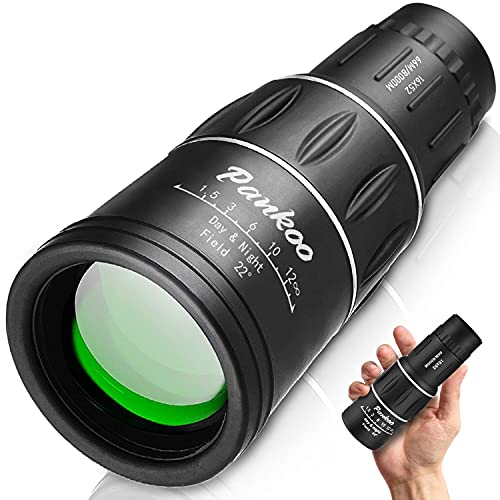
Pankoo 16×52 Monocular Telescope

Vixen ArtScope 4x Case
A Deeper Look At The Lineup
A 10×25 monocular combines modest magnification with a small objective lens, making this listing a natural fit for short walks and light travel. It suits concert crowds, outdoor events, and quick scenic stops where carrying a full binocular system would be inconvenient.
The Mini HD Monocular 10×25 has the simplest format in this group, but limited source information makes its exact construction harder to judge. Compared with the Pankoo models, it may appeal most to anyone who prioritizes carrying convenience over accessory-heavy viewing.
A Strong Showing
- The 10x specification offers useful enlargement without the very high magnification associated with 16x models.
- A compact format suits jacket pockets, day packs, and travel kits that lack room for binoculars.
- The stated outdoor, hiking, and concert uses cover several activities requiring only one-handed viewing.
- One-eye viewing keeps the equipment lighter and simpler than a paired binocular system.
Details To Watch
- The available information doesn’t identify the prism, lens coatings, body material, or included accessories.
- A 25 mm objective may gather less light than the 52 mm and 60 mm options, particularly as daylight fades.
- Owners should keep the objective lens capped and carefully clean the glass before placing it in a bag.
Made For
This option best fits casual travelers and eventgoers who value a lightweight, straightforward monocular over long-range detail.
A Better Fit Elsewhere
The MIZAR-TEC SD-70 8x Monocular suits you better when a documented aluminum body, close-distance design, and included case matter.
The Pankoo 12×60 HD Monocular gives you a larger view than the 10×25 model, with 12x magnification and a 60 mm objective lens. A 6.5-degree field of view covers about 325 feet across at 1,000 yards, which helps you follow movement across open landscapes rather than isolate a single distant point.
Its larger glass format may also support steadier viewing, although carrying comfort depends on dimensions and weight that aren’t supplied. Compared with the Mini HD Monocular 10×25, this is the more substantial choice for hiking overlooks, ball fields, and wildlife observation.
Where It Helps
- The stated field of view makes landscapes and moving subjects easier to scan.
- A 21 mm eyepiece offers a larger eye-facing surface than many pocket monoculars.
- The 60 mm objective can gather more light than the smaller 25 mm lens in the opening pick.
- Twelve-power magnification provides a practical middle ground between the 8x and 16x options here.
Worth Noting
- The body is likely less pocket-friendly than an 8×20 or 10×25 monocular, so it benefits from a neck strap or padded pouch.
- Handshake becomes more visible at 12x, making steady positioning important during birdwatching and sports viewing.
Key Specs
Right Fit For
Outdoor enthusiasts benefit most from this model when they want a broader, brighter-feeling view than a 10×25 monocular provides.
Another Choice May Suit
The Pankoo 12×60 Monocular with Accessories is a better fit for you when a phone adapter, tripod, and carrying bag are part of your setup.
Building on the basic Pankoo 12×60 format, this version adds the equipment needed to stabilize long viewing sessions or connect with a phone. The included adapter can help line up the monocular with a compatible device, while the tripod reduces movement at concerts, campsites, and open viewing areas.
The supplied bag also makes storage more practical, especially for a larger monocular. You gain a more complete kit than with the Pankoo 12×60 HD Monocular, although the phone connection still depends on correct adapter placement and device compatibility.
Good Reasons To Consider
- The phone adapter creates a potential way to frame distant scenery or share a steady view with compatible devices.
- A small tripod helps during concerts and birdwatching, when a supported view is more comfortable than a raised elbow.
- The portable bag gives the optics and accessories a more organized home during travel.
- The stated BAK-4 prism and FMC lens coatings indicate attention to optical materials and light transmission.
Practical Considerations
- Phone adapters can restrict clear images because the device camera and the monocular optics must align precisely.
- The tripod and bag add bulk compared with carrying the monocular alone.
- You should avoid leaving a phone attached while moving, since the combined setup becomes awkward to carry.
At A Glance
Built With In Mind
You benefit most from this kit as a mobile viewer who wants recording options and steadier support beyond basic sightseeing.
Look Elsewhere When
The MIZAR-TEC SD-70 8x Monocular better serves close-distance work where reduced magnification and a compact body take priority.
The MIZAR-TEC SD-70 takes a practical approach to compact viewing, using 8x magnification and a 20 mm objective lens. This lower magnification keeps nearby subjects larger in view, which helps during equipment checks, nature walks, and other close-distance tasks where 12x or 16x can narrow the scene too much.
Its die-cast aluminum body and included case give it a more purposeful feel than the sparsely documented Mini HD Monocular 10×25. The listed weight is 4.1 ounces, and dimensions of approximately 1.3 by 3.9 inches suggest a shape that can sit comfortably in a jacket pocket or tool pouch.
Bright Spots
- The 8x magnification offers a broad, natural-feeling view for subjects at relatively short distances.
- A 6.8-degree field of view supports close observation without the tunnel effect associated with stronger zoom.
- The 4.1-ounce aluminum body supports all-day carry without demanding a large pouch.
- A BAK-4 prism and multi-coated optics add documented material and coating details missing from the opening pick.
Some Limits To Know
- The 20 mm objective is smaller than the Pankoo models, which may make distant subjects appear less prominent.
- Its close-distance orientation makes it less compelling for sweeping distant scenery.
- Owners should store the case in a dry place and clean the lenses with a suitable cloth rather than dry clothing.
Core Details
Who Should Grab It
This monocular fits technicians, naturalists, and travelers who need an easy-to-carry optic for close and moderate distances.
Where A Sibling Pick Shines
The Pankoo 12×60 HD Monocular suits you better when a larger objective and wider landscape view are more important than pocket length.
The Pankoo 16×52 Monocular Telescope offers the highest stated magnification in this group, paired with a 52 mm objective lens. That combination favors distant birds, campground details, and broad outdoor scenes, but 16x also magnifies hand movement, so a stable position becomes important.
Unlike the lower-power MIZAR-TEC SD-70, this model leans toward reaching farther into a scene. Its listed water, fog, and shock resistance and included hand strap support regular outdoor use, although those claims don’t remove the need for sensible storage and lens care.
Noteworthy Benefits
- Sixteen-power magnification helps isolate subjects across open fields and wooded clearings.
- The 52 mm objective provides a larger light-gathering surface than the 20 mm and 25 mm options here.
- A hand strap improves control during long walks and while repositioning the view.
- Water, fog, and shock resistance make the stated construction more suitable for camping and hiking conditions.
Trade-Offs To Consider
- Sixteen-power magnification produces more visible movement and needs a tripod or stable support for extended viewing.
- Greater zoom can make subjects harder to locate initially than the 8x MIZAR-TEC model.
- You should rinse or brush away heavy dirt before cleaning the lenses to reduce scratching.
Quick Facts
Who Will Love This
You benefit most from the 16x setting as a stationary birdwatcher or camper who values distant detail and can brace the monocular carefully.
Reach For A Different Pick When
The Pankoo 12×60 Monocular with Accessories fits you better when steadier phone use, tripod support, and organized storage matter.
The Vixen ArtScope 4x Case is an accessory rather than a monocular, so it solves a narrower ownership problem. Its hard shell is designed for the compact Multi-Monocular 4×12 and offers a dedicated place to protect that small optic between outings.
Compared with the bags listed with some Pankoo models, this case is model-specific and much more compact. That focused fit makes sense for Vixen owners, but a general monocular shopper should check compatibility before treating it as a complete viewing solution.
Notable Upsides
- A hard shell gives a small 4×12 monocular more protection during storage and transport.
- The egg-shaped case is designed to fit inside the palm, making it easy to carry with a neck strap.
- The case doubles as a standalone storage option when the monocular isn’t being viewed.
Where It May Fall Short
- No monocular is included, so you need compatible Vixen equipment for the case to serve its intended purpose.
- The specific fit may not accommodate the Pankoo or MIZAR-TEC monoculars listed in this roundup.
- Because it’s a hard shell, you should confirm the internal fit before attaching a neck strap or placing it in a crowded bag.
The Right Fit
This accessory belongs with a Vixen owner who already carries a compatible Multi-Monocular 4×12 and wants compact protection.
Consider Something Else When
The Mini HD Monocular 10×25 is the better starting point for you because it provides viewing optics rather than storage alone.
What To Look For In A Small Monocular
Magnification changes how much detail you can see, but it also narrows the view and makes hand movement more noticeable. Eight-power suits close and moderate distances, while 12x offers a practical compromise and 16x favors distant subjects that you can hold steadily.
The objective lens also matters. The number indicates its diameter, and a larger lens can gather more light than a smaller one, especially during dawn, dusk, or shaded wildlife watching. A 20 mm objective favors portability, while 52 mm and 60 mm designs generally support brighter, more distant views.
Field of view describes how much scene appears at a given distance. Wider views make it easier to follow birds or scan a concert, while narrower views can help separate one distant subject from its surroundings. Always balance magnification, objective size, and field of view rather than choosing by one number.
Carrying Comfort And Intended Distance
Pocketable models suit daily walks and travel, but larger optics may require a pouch, strap, or tripod. You should compare the stated dimensions and weight with the space you have, especially on long hikes where every extra ounce becomes noticeable.
A tripod becomes more valuable as magnification rises. For 8x viewing, a steady hand is often enough; at 12x or 16x, support can make the image more comfortable to inspect.
Accessories And Phone Alignment
Phone adapters, bags, and cases make a monocular kit more flexible, although each adds bulk. Alignment matters with phone adapters, as a small mismatch can produce a dark, cropped, or soft image, so compatible mounting should be checked before an outdoor session.
Maintenance And Coatings
Coated lenses help manage reflections, but exposed glass still needs careful care. Use a suitable lens cloth, keep caps on during storage, and avoid wiping grit away with a dry sleeve, which can scratch the coating.
Practical Notes For Choosing One
Mistakes Worth Dodging
Choosing the largest magnification number can backfire because movement becomes harder to control. Consider objective size, field of view, weight, and carrying setup alongside zoom, especially for children, long walks, or close-distance work.
What Separates Premium From Basic
More advanced models may contribute stronger body materials, better-defined optical glass, useful coatings, and steadier accessories. Those additions matter most to frequent outdoor users, while casual viewers can gain more from a smaller, simpler monocular that stays comfortable in a pocket.
Frequently Asked Questions for Small Monoculars
What magnification is best for birdwatching?
Twelve-power is a practical middle ground for many birdwatching situations. You gain useful detail without the heavier image movement associated with 16x, while 8x works well for closer or more active subjects.
Are small monoculars suitable for children?
A compact, lighter model can be easier for children to handle. An adjustable or included strap may help, but supervision remains important around fragile glass and during wildlife-focused activities.
Can you use a monocular with a phone?
Some monoculars include phone adapters, while others require a separate compatible mount. You must align the device lens carefully and check that its camera placement works with the monocular.
Which objective lens gathers more light?
A larger objective lens generally gathers more light than a smaller one. A 52 mm or 60 mm lens can therefore suit distant and lower-light viewing better than a 20 mm or 25 mm design.
Does a hard case protect a monocular?
A fitted hard case helps protect a monocular from impacts and loose items during transport. You should verify the dimensions and model compatibility before storing the optics inside.
Final Thoughts
The Mini HD Monocular 10×25 favors minimal carrying, while the Pankoo 12×60 options provide stronger viewing specifications and useful support equipment. The MIZAR-TEC SD-70 stands out for its close-distance format, compact aluminum body, and low weight, while the Pankoo 16×52 reaches farther into distant scenes. The Vixen ArtScope 4x Case is a specialized storage solution rather than another viewing option. Choose the model that matches your distance, carrying habits, and tolerance for image movement.
