

Rucking gear determines how comfortably added weight sits, moves, and stays secure during long walks, strength sessions, and conditioning work. I’ve focused on plates, vests, and packs that serve distinct training needs, from a simple weighted vest to a 40-pound rucking pack. The right combination depends on load placement, plate compatibility, adjustability, and how much equipment I already own.
The Essentials At A Glance
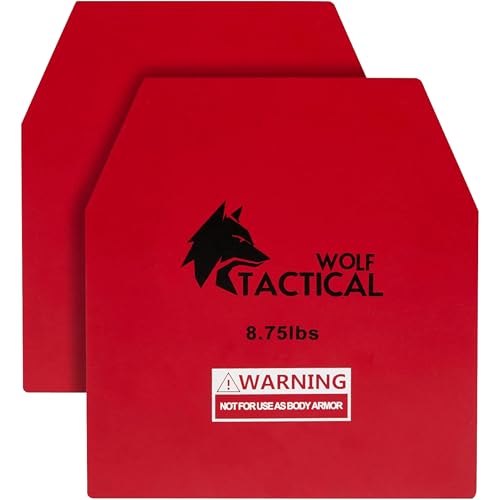
WOLF TACTICAL Weight Vest Plates 5.75/8.75/14.5/19.75LB Pairs

Polyfit Rucking Backpack 2.0 Side-Loading Weight Plate Pack

5.11 Tactical Professional Ruck Plates 5.75lb 2-Pack

Polyfit Fortify Weighted Vest for Men and Women
Mardingtop 25L Cordura MOLLE Tactical Backpack

CAP Adjustable Weighted Vest for Strength Training

Polyfit Rucking Starter Kit with 10 lb Plate
Inside Each Recommended Option
Steel plates give me more control over resistance than an all-in-one weighted vest, especially across strength circuits that combine push-ups, lunges, and loaded carries. The four listed weight options also make progression more deliberate instead of forcing one abrupt jump. For athletes working across WODs, running, and general conditioning, that flexibility is the main attraction.
Compared with the CAP Adjustable Weighted Vest, these plates create a more traditional plate-loaded setup. Their laser-cut steel construction and powder-coated finish should suit repeated gym use, although plate pockets and carrier compatibility need checking before purchase.
The Good Stuff
- Four resistance choices support gradual training progressions.
- Steel construction suits high-frequency strength and conditioning work.
- Rounded corners reduce harsh contact points during handling.
- The coating helps protect against sweat and ordinary corrosion.
- Pairs keep weight balanced across a vest or compatible pack.
Trade Offs
- A carrier is not included, adding another compatibility and ownership consideration.
- Steel adds noticeable bulk compared with compact adjustable weights.
- Owners should dry plates after sweaty sessions to limit surface moisture buildup.
Key Attributes
Built With In Mind
I favor these plates for strength athletes and experienced ruckers who value load selection and plate-based durability.
A Better Fit Elsewhere
The CAP Adjustable Weighted Vest better suits beginners who need smaller resistance increments without carrying loose plates.
Dedicated rucks make more sense to me than ordinary hiking packs once the load becomes regular and substantial. This model keeps plates close to the upper back, a design goal that can reduce the forward lean associated with poorly positioned weight. Side loading also offers a practical route for inserting and removing paired plates.
I see this as the stronger choice for daily distance work and progressive loaded walks. The 40-pound capacity suits serious training, though first-time ruckers should build up gradually rather than treating the stated limit as an initial target.
Where It Delivers
- Upper-back plate placement supports a more upright carrying posture.
- Side access simplifies repeated plate loading sessions.
- The 40-pound limit suits established loaded-distance athletes.
- Accepts both Polyfit and cast-iron plates within the stated dimensions.
Practical Considerations
- Weight plates are sold separately.
- The broad plate compatibility still requires attention to pocket dimensions.
- Loaded training calls for gradual progression and a properly fitted harness.
Technical Sheet
Made For
I recommend this pack to intermediate and advanced ruckers training regularly with up to 40 pounds.
Another Choice May Suit
The Polyfit Rucking Starter Kit is the simpler starting point for someone without a compatible pack or plate.
Curvature gives these plates a more body-conscious feel than flat discs, which matters during push-ups, squats, and loaded carries. Compound curvature follows the torso more closely, while the low profile leaves less room for the plates to shift or interfere with arm movement. That makes the pair appealing for athletes who need moderate resistance without carrying a bulky assortment.
Compared with the WOLF TACTICAL set, this option narrows the selection to one resistance level and emphasizes mobility. I see that as a deliberate trade, not a clear advantage for every progression.
Why It Works Well
- Compound curvature sits more closely against the torso.
- Low-profile geometry supports mobile bodyweight movements.
- Steel construction suits repetitive gym handling.
- The two-plate format supports balanced vest loading.
Small Caveats
- One listed resistance level offers less progression flexibility.
- A compatible plate vest or pack remains necessary.
- Steel plates need separate storage to prevent scratches and floor damage.
Who It Suits Best
I favor these plates for strength-focused athletes who value compact steel profiles and balanced loading over multiple resistance options.
Consider Something Else When
The WOLF TACTICAL Weight Vest Plates suit anyone planning a wider progression across four listed weights.
A vest-style carrier makes plate loading intuitive for strength sessions, especially exercises performed without a backpack. The Fortify divides loading between a front pocket and a rear pocket, which helps distribute resistance across the body. That balance is useful for squats, push-ups, lunges, and weighted carries during a home or gym circuit.
Compared with the Polyfit Rucking Backpack 2.0, this model supports training flexibility but lacks the pack’s dedicated distance-rucking focus. The stated pocket dimensions also appear broader than the backpack’s plate limits, so it accommodates a wider selection of standard plates.
Useful Highlights
- Front-and-back loading supports balanced resistance.
- Two 20-pound pocket limits allow up to 40 pounds of plates.
- Support for plates up to 13 by 11 inches expands compatibility.
- The low-profile format suits stationary strength and conditioning work.
Honest Caveats
- Plates are not included with the vest.
- The listed use is fitness training rather than loaded-distance rucking.
- Secure plate placement remains important during fast directional movements.
Quick Facts
The Right Fit
I recommend this vest to strength athletes who want balanced plate resistance without carrying a full backpack.
Look Elsewhere When
The Polyfit Rucking Backpack 2.0 better serves athletes focused on long-distance loaded walks.
A tactical pack earns its place when one bag has to handle rucking, hiking, camping, and daily carry rather than a single training purpose. The 25-liter size supplies useful storage for layers, water, and small accessories, while MOLLE attachment points add modular organization. I see the broader use case as the defining strength here.
The 915D Cordura polyester fabric also supports abrasion-heavy ownership, based on its stated tear resistance and durability. Unlike the Polyfit Rucking Backpack 2.0, this is a general-purpose tactical pack rather than a dedicated plate-loading system, so ruck performance depends on its actual fit and carrying setup.
Notable Gains
- Cordura polyester supports resistance to tearing and abrasion.
- The 25-liter capacity balances storage with manageable pack dimensions.
- MOLLE organization allows accessories to attach externally.
- One bag can serve hiking, camping, rucking, and daily carry.
- Buckles and zippers suit repeated access during active use.
Where It May Fall Short
- Dedicated rucking features may not match a purpose-built ruck.
- General storage can shift weight away from the torso during loaded movement.
- Owners should check the internal layout against their plate dimensions before loading.
Whose Shelf It Belongs On
I favor this pack for hikers, campers, and tactical-minded athletes who need one adaptable bag for several activities.
Where A Sibling Pick Shines
The Polyfit Rucking Backpack 2.0 is more focused for athletes who care most about dedicated loaded-distance training.
Adjustable resistance removes much of the guesswork from early loaded movement. Each one-pound packet allows me to raise or lower vest resistance in smaller increments than a conventional steel plate setup, which can be useful for a walk, short run, or conditioning circuit. The compact approach also avoids loose plates rattling inside a separate carrier.
The listed adjustable loading spans 1 to 30 pounds, while the product title references body weight and higher overall totals. I would treat the vest’s adjustable load as the controllable training variable rather than relying on the broader title range.
Key Advantages
- One-pound packets allow fine resistance adjustments.
- Adjustable loading suits several activities without separate plates.
- The 30-pound adjustable range supports broad training progressions.
- A compact fill system suits short runs and weighted walks.
Practical Considerations
- Loose packets distribute resistance differently from rigid steel plates.
- Fine adjustment requires attention while adding or removing weight.
- Individual pockets may need checking for settled material or fabric wear over time.
Who Should Grab It
I recommend this vest to beginners and regular runners who prefer incremental resistance over plate-based loading.
Reach For A Different Pick When
The WOLF TACTICAL Weight Vest Plates suit strength athletes who prefer rigid steel loads and broader weight selection.
A bundled kit removes the initial assembly problem of matching a pack, plate, straps, and sternum support. This one includes the Rucking Backpack 2.0, a 10-pound plate, detachable sternum strap, removable rucking straps, and a reinforced hanging loop. For someone beginning at a manageable load, that coherence makes the setup easier to understand.
Compared with the standalone Polyfit Rucking Backpack 2.0, the kit starts with usable weight and support accessories already selected. The trade-off is flexibility: regular progression will eventually require additional compatible plates, and the included 10-pound plate may not suit every athlete or pack configuration.
Well-Handled Touches
- The included 10-pound plate provides a practical initial load.
- Removable rucking straps add carrying support for longer routes.
- A detachable sternum strap helps stabilize the upper pack.
- The reinforced hanging loop supports convenient storage between sessions.
Trade-Offs To Consider
- One included plate limits immediate load progression.
- The kit may duplicate equipment I already own.
- Future plate purchases should follow the pack’s stated size and capacity limits.
Essential Details
Made For
I recommend this kit to first-time ruckers who prefer a coordinated pack, plate, and strap setup.
Swap It Out When
The Polyfit Rucking Backpack 2.0 is the better option for established athletes who already own compatible plates and accessories.
What Matters Before I Choose Rucking Equipment
Weight Placement
I pay closest attention to where the load sits. A rigid plate carried close to the upper back behaves differently from a vest or backpack filled with granular packets, especially during longer walks. Dedicated rucking packs are built around that requirement, while tactical packs may place weight lower or allow contents to shift.
Plate Compatibility
Dimensions matter more than appearance once loading begins. I compare each plate’s height, width, thickness, and pocket clearance with the carrier’s stated limits. Material and weight also influence handling, comfort, and storage needs.
Progression Control
Fine-grained loading works well for early conditioning and short sessions. Steel plates feel more direct and suit athletes progressing across established strength levels, but the choices are usually larger. I match the adjustment method to the activity instead of assuming one system serves every workout.
Fit and Support
A properly fitted sternum strap, shoulder structure, and load position can matter more than a small change in nominal resistance. For regular use, I prefer equipment that sits close to the body and leaves arm movement unrestricted. Quick fit checks are especially valuable before adding distance.
Avoiding Rucking Gear Pitfalls
Common Shopping Slip Ups
I avoid purchasing plates from dimensions alone, since nominal sizing can conceal thickness or pocket-clearance problems. Starting with too much resistance is another common mistake; equipment capability does not replace gradual training preparation.
What The Higher Tier Buys
Premium construction may add specialized load placement, stronger hardware, or a more precisely engineered carrying profile. That matters most for frequent long-distance training, while shorter sessions may not justify added complexity. I focus on purpose and fit before paying more.
Frequently Asked Questions
What weight should I start rucking with?
I start conservatively and increase distance and resistance gradually. Comfort, posture, and the ability to finish a planned session matter more than a specific starting number.
Are rucking vests better than backpacks?
I consider vests more convenient for stationary and short loaded exercises. Dedicated backpacks generally suit longer walks better because their structure is designed around close-to-body plate placement.
Can I use ordinary weight plates in a rucking pack?
Only when both the plate dimensions and carrier specifications align. I check height, width, thickness, capacity, and pocket design before loading a pack.
Do rucking vests work for running?
I use an adjustable vest for short, controlled running sessions because its weight stays close to the body. Longer routes often place more demands on shoulder support and pack stability.
How should I store steel rucking plates?
I store them dry and flat to reduce scratches, moisture, and floor wear. Keeping edges from contacting other metal surfaces also helps preserve their condition.
Final Verdict
I favor the Polyfit Rucking Backpack 2.0 for regular loaded walking, the CAP Adjustable Weighted Vest for fine-grained resistance, and the WOLF TACTICAL plates for broad steel-based progression. New ruckers get a simpler route through the Polyfit Rucking Starter Kit, while strength-focused athletes may prefer the Fortify vest. Match plate dimensions, load placement, and training demands before making the final choice.
