

Rope looks simple until you need enough length, the right diameter, and a comfortable grip for tree work, rigging, or equipment securing. This roundup covers practical outdoor options for arborists, homeowners, and weekend projects, with special attention to diameter, length, construction, and intended use. Remember that diameter affects handling, knot strength, and load distribution, so the largest rope is not automatically the easiest to control.
The Leading Options At A Glance
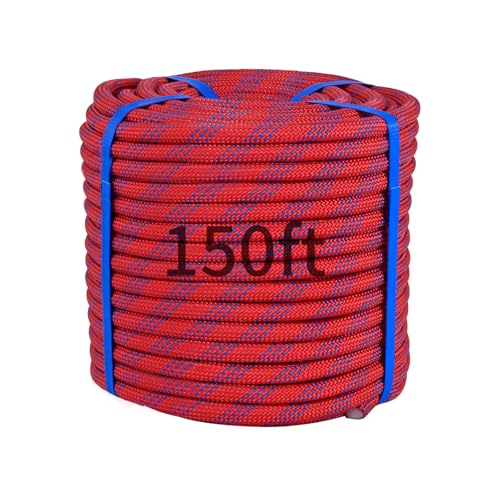
Kynara 150Ft 1/2Inch Climbing Rope Red
Kynara 150ft 3/8Inch Climbing Rope Red
Kynara 150Ft 3/4Inch Climbing Rope Red

Stens #6 Diamond Braid Starter Rope

Kynara 100Ft 3/4Inch Climbing Rope Red
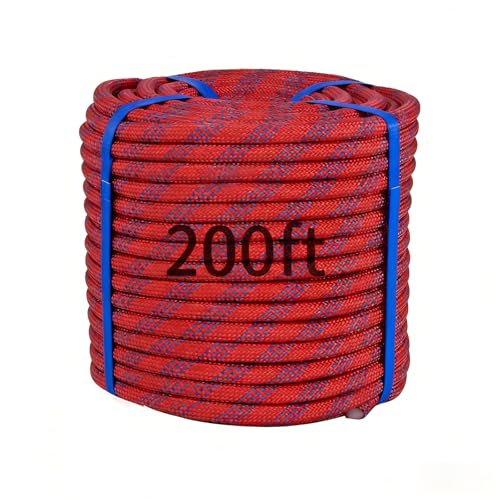
Kynara 200Ft 1/2Inch Climbing Rope Red
More On The Choices That Made The List
The 1/2-inch profile gives this Kynara rope a useful middle ground between compact 3/8-inch cord and bulky 3/4-inch rope. Its 150-foot length suits climbing, rigging, and directional pulling where reach matters without creating an excessively large coil.
For a homeowner or developing arborist, the nylon construction offers a softer feel than many stiff utility ropes. The listed 9,000-pound breaking strength makes the specifications look substantial, but knots, terminations, equipment condition, and technique affect real-world performance.
Positive Takeaways
- The 150-foot length reduces the need to join sections during extended setups.
- A 1/2-inch diameter remains easier to handle than the 3/4-inch Kynara options.
- The listed strength suits users comparing rope for serious tree-pulling work.
- Nylon construction is described as soft and abrasion resistant for prolonged handling.
Trade Offs
- Tree-contacting rope can collect dirt and abrasive bark residue, so cleaning after use matters.
- The 150-foot coil is less compact than a shorter rope and takes more space to store.
Quick Facts
Who It Suits Best
This rope fits arborists and serious DIY users who want substantial capacity without moving to a 3/4-inch diameter.
A Better Fit Elsewhere
Choose the Kynara 200Ft 1/2Inch Climbing Rope Red instead when maximum reach matters more than compact storage.
At 3/8 inch, this Kynara rope sits at the lighter end of the climbing-rope options here, making it attractive for hands-on climbing and compact work areas. Diameter directly changes handling, so the slimmer rope may be easier to control than either 1/2-inch model.
The trade-off appears in listed strength. Its 3,430-pound rating is lower than the 9,000-pound figure for the Kynara 150Ft 1/2Inch Climbing Rope Red, so heavier directional pulls call for a careful match between the rope and the system supporting it.
Useful Strengths
- The smaller diameter can reduce hand and pack bulk.
- Its 150-foot length remains useful for climbing and extended anchoring.
- Flexible nylon supports manageable handling around branches and rigging hardware.
Minor Gripes
- Lower listed strength makes it less suitable for demanding tree pulling.
- Owners commonly dry and inspect rope after wet or dirty use to preserve handling.
- A listing containing several size and color variations deserves a careful check before ordering.
The Right Fit
This rope best fits climbers and riggers who prioritize low bulk and handling over maximum listed load capacity.
Where A Sibling Pick Shines
The Kynara 150Ft 1/2Inch Climbing Rope Red is the better fit for heavier pulls that still call for manageable diameter.
The 3/4-inch diameter makes this Kynara a substantial rope for large directional pulls, rigging, and tree work where bulk is acceptable. Compared with the 3/8-inch model, it presents much more material through its core and sheath, but that extra size can become tiring during long climbs.
The listed 20,000-pound breaking strength gives this option serious capacity on paper. In practice, knots and hardware remain part of the system, and the rope may feel difficult to organize in confined spaces even for experienced users.
What Helps Most
- The 3/4-inch diameter supports substantial listed load capacity.
- Its 150 feet reaches from elevated positions without frequent splicing.
- The nylon sheath is described as abrasion resistant for rough contact.
- UV and moisture resistance support seasonal outdoor storage and use.
Practical Considerations
- Large-diameter rope takes more space and effort to coil.
- Handling fatigue becomes more likely during prolonged uphill work.
- Heavy dirt can remain inside the sheath and should be removed carefully.
Technical Highlights
Built With In Mind
Experienced tree-care users who prioritize listed capacity over compact handling are the strongest match.
Reach For A Different Pick When
The Kynara 150ft 3/8Inch Climbing Rope Red suits climbers who need a lighter, easier-to-control cord.
This Stens rope changes the setting entirely. The #6 size and 3/16-inch diameter target starter-rope applications, including larger four-cycle engines, rather than climbing or pulling mature trees.
A diamond-braid exterior and low-stretch core can help during starting routines, where consistent cord response matters. Its 100-foot length is ample for many equipment setups, though matching the correct size to your engine is essential.
Real Benefits
- Diamond braid supports a compact, organized cord profile.
- The low-stretch core provides consistent response during engine starting.
- Its smaller diameter makes storage inside a workshop or equipment area easier.
- The 100-foot spool avoids the bulk of the longer Kynara coils.
Points To Keep In Mind
- Verify the required starter-rope diameter before purchase.
- This 3/16-inch cord is not a direct substitute for the thicker tree-care ropes.
- Keep the spool clean and dry to reduce grit and corrosion around connected hardware.
Product Snapshot
Made For
Home mechanics maintaining compatible four-cycle equipment benefit most from this focused starter-rope format.
Not Your Match When
Choose the Kynara 150Ft 1/2Inch Climbing Rope Red for tree climbing and rigging rather than engine starting.
Trimming the Kynara 3/4-inch rope to 100 feet reduces its storage bulk while retaining the substantial diameter favored for tree pulling. That makes it a practical middle ground between the 150-foot version and the more compact 1/2-inch options.
Depending on your work area, 100 feet may be enough for many rigging and pulling arrangements. The listed 20,000-pound strength matches the larger diameter, but comfort during long climbs can still be a deciding factor.
Everyday Perks
- The 100-foot length is easier to carry and store.
- Its 3/4-inch diameter retains substantial listed strength.
- Flexible nylon is easier on hands than many rigid-looking ropes.
Possible Compromises
- Short reaches may require another rope or an extension arrangement.
- The thick diameter can feel cumbersome during a full day of climbing.
- Inspect the sheath for abrasion before each demanding setup.
Who Should Grab It
Home tree-care users who want thick rope and moderate reach benefit most from this configuration.
Another Choice May Suit
The Kynara 150Ft 3/4Inch Climbing Rope Red fits professional setups that need additional reach.
The 200-foot length gives this Kynara the most reach in the group, reducing the pressure to join rope sections during extended rigging or tree work. Its 1/2-inch diameter remains lighter than the 3/4-inch options while offering the same stated 9,000-pound breaking strength.
That combination makes it compelling for professionals who regularly work around tall trees or need flexible reach. The catch is storage: a long nylon line can be difficult to inspect fully and inconvenient to transport in a crowded vehicle.
Useful Highlights
- The 200-foot length supports extended reach and fewer joins.
- A 1/2-inch profile preserves more handling control than 3/4-inch rope.
- The listed 9,000-pound strength supports comparisons with slimmer climbing cord.
- UV and moisture resistance suit changing outdoor conditions.
- The abrasion-resistant sheath is designed for demanding contact.
Small Caveats
- The long coil needs dedicated storage space and careful handling.
- Dirt and moisture call for attentive drying and cleaning.
Whose Shelf It Belongs On
Frequent arborists and serious tree-care users who value long reach benefit most from this model.
Consider Something Else When
The Kynara 100Ft 3/4Inch Climbing Rope Red is easier to store when maximum length is unnecessary.
Choosing Rope For The Job Ahead
Match Diameter To Control
Diameter changes more than strength. A 3/8-inch rope is easier to carry and control, while a 3/4-inch line offers greater listed capacity but takes more effort to handle. Your hands, working height, knots, and surrounding equipment all affect the practical choice.
Length Should Match The Setup
Longer rope reduces the need for joins, though a 200-foot coil adds weight and storage demands. A 100-foot line can be easier to organize for compact workshops, while 150 or 200 feet provides more reach around elevated trees.
Construction Changes Care Needs
A core carries internal load, while the sheath protects it from abrasion. Diamond braid is compact and organized, while climbing-oriented nylon emphasizes flexibility and grip. Inspect both surfaces because damaged fibers can remain hidden beneath the sheath.
Verify Intended Use Before Loading
Tree pulling, climbing, rigging, and engine starting place very different demands on rope. Confirm the listed dimensions, material, strength, and intended application before assembling a system, and use compatible hardware and qualified instruction for elevated or high-load work.
Choices You Can Make With Confidence
Mistakes Worth Dodging
Choosing only by length overlooks how diameter affects handling and hardware fit. Always confirm the exact size and color variant, inspect the rope for damage, and check that your knots, connectors, and anchor points are appropriate for the task.
What The Extra Construction Provides
Thicker climbing rope may carry a higher listed strength, while longer lengths reduce joins and extend reach. That added material matters for demanding tree work, but it can also increase weight, storage needs, and hand fatigue.
Frequently Asked Questions
What diameter is easiest to handle?
The 3/8-inch Kynara rope is generally lighter and easier to control than the 1/2-inch and 3/4-inch options. Larger diameters can provide higher listed strength but require more hand effort.
Is a longer rope always better?
Longer rope provides more reach and can reduce joins, while shorter rope is easier to carry and store. Choose the shortest length that comfortably supports your setup.
Can engine starter rope replace climbing rope?
No. Starter rope is built for equipment starting, while climbing rope is designed around different diameter, handling, and application requirements.
How should outdoor rope be stored?
Clean off dirt, let wet rope dry fully, and keep it away from prolonged sunlight and damaging chemicals. Loosely coil it and inspect the sheath before reuse.
What matters when pulling a tree?
Rope diameter, listed strength, knots, anchors, and the surrounding system all contribute. Confirm compatibility and seek qualified instruction for high-load or elevated tree work.
Final Verdict
The Kynara 150Ft 1/2Inch Climbing Rope Red offers the most balanced combination for many outdoor tree-care setups. Choose the 3/8-inch model for compact handling, the 3/4-inch options for higher listed capacity, and the 200-foot model for extended reach; the Stens cord serves a separate small-engine role. Match the rope to the entire system rather than relying on length or strength alone.
