

Rain hunting turns clothing into a small system rather than a single outfit. A base layer manages moisture, a shirt adds light insulation, and a waterproof outer layer keeps wind and rain from reaching your core. Boots and bibs complete the setup for flooded timber, boat blinds, muddy approaches, and long waits outdoors.
Your priorities will change with the forecast and terrain. Lightweight pieces suit mild drizzle, while insulated boots and fleece-lined layers make more sense during cold, prolonged rain. The six options below cover different parts of that system, with each selection based on its listed construction, intended category, color options, and practical role in wet weather.
The Picks In Brief

Drake Waterfowl Men’s MST Waterproof Fleece-Lined 1/4 Zip Pullover

Muddy Men’s TRX Lightweight Quarter Zip

Columbia Men’s PHG Ascender II Softshell
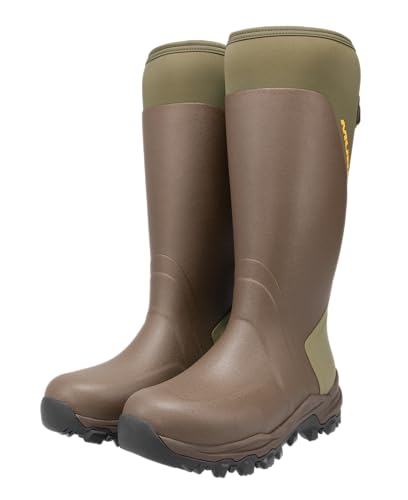
Muddy Men’s DV8 Insulated Boot

Outback Trading

Muddy Men’s TRX Sherpa Bibs
Taking A Closer Look At The Options
This pullover brings more warmth than the Muddy Men’s TRX Lightweight Quarter Zip, making it better suited to mid-season rain and steady wind. Its fleece lining adds insulation without turning the jacket into a bulky parka.
The quarter-zip opening gives you an easy way to regulate warmth during a long sit or active approach. Multiple pockets also keep small essentials close, though exact pocket placement should be checked against your preferred carry setup.
The Good Stuff
- Waterproof construction helps protect your core during steady rain.
- Fleece lining adds useful warmth for colder waits.
- The pullover shape supports easier reaching and movement.
- Multiple pockets reduce the need for a separate small gear bag.
- Adjustable cuffs can tighten the sleeves against wind and drizzle.
Worth Noting
- Fleece insulation may feel excessive during mild, high-output rain.
- Outer surfaces need regular care to remove mud and plant debris after flooded-timber hunts.
Quick Facts
Built With In Mind
You benefit most from this pullover during cold rain, early-season hunts, and long sits where warmth matters more than minimal weight.
Another Choice May Suit
The Columbia Men’s PHG Ascender II Softshell better fits hunters who want a versatile outer layer for changing rain and wind without a fleece-lined pullover.
Base-layer positioning gives the Muddy Men’s TRX Lightweight Quarter Zip a different role from the Drake MST pullover. It appears designed for light insulation and easier movement rather than carrying the full burden of storm protection.
That makes sense for active approaches in mild rain or for wearing beneath a shell. The Mossy Oak Bottomland and Greenleaf color options also fit neatly into a camouflage-oriented hunting wardrobe, depending on your terrain.
Good Reasons To Consider
- Lightweight construction reduces bulk during active movement.
- The quarter-zip opening allows quick heat release.
- Two listed camouflage colorways suit wooded hunting environments.
Small Caveats
- The supplied details do not confirm waterproof construction.
- Lightweight insulation offers less warmth than the fleece-lined Drake MST.
- Owners should check the care label closely to protect the fabric during repeated field use.
Made For
This shirt works best for moving hunters handling mild rain beneath a separate waterproof outer layer.
Look Elsewhere When
The Muddy Men’s DV8 Insulated Boot is the stronger fit for hunters whose main problem is saturated ground rather than torso layering.
A softshell is a useful middle ground between a lightweight shirt and a heavily insulated hunting jacket. Columbia positions the PHG Ascender II around weather resistance, regular fit, and protection from rain, stains, and rough conditions.
For changing forecasts, that broader role may be more practical than committing to one temperature extreme. You may find it most comfortable during active approaches in cool rain, with a warmer layer available beneath it for static waits.
Everyday Wins
- Advanced repellency helps shed rain and visible staining.
- Softshell construction offers a useful balance of protection and flexibility.
- The regular fit provides room for ordinary mid-layer clothing.
- Multiple listed colors make seasonal coordination easier.
Points To Note
- Softshell fabric is not the same as a fully waterproof shell, so persistent rain warrants close inspection.
- Multiple sizes and colors can complicate availability decisions.
Technical Highlights
Right Fit For
This jacket suits versatile hunters who face changing rain, wind, and stain conditions without needing a heavily insulated pullover.
Where A Sibling Pick Shines
The Drake Waterfowl Men’s MST Waterproof Fleece-Lined 1/4 Zip Pullover offers a more specific answer for colder, wetter hunts where insulation is the priority.
Footwear becomes critical once flooded timber, mud, or standing water reaches the lower leg. The Muddy Men’s DV8 Insulated Boot directly addresses that problem with waterproof neoprene construction, substantial shaft height, and thermal insulation around the foot and toe.
The roll-down calf opening adds practical flexibility: pants can be tucked in during wet conditions or the shaft can be lowered for ventilation. Owners should still allow the boots to dry fully after use, since trapped moisture can affect comfort more than the original insulation.
Notable Gains
- Waterproof neoprene helps keep feet dry in muddy ground.
- Toe-box insulation supports warmth during cold waits.
- The 17-inch shaft offers more coverage than a low ankle hunting shoe.
- Roll-down construction accommodates tucked pants and warmer conditions.
- Mesh lining and an easy-entry design support regular use.
- Weather-oriented traction helps on wet ground.
Practical Considerations
- Neoprene is flexible, but its stretch can change over long periods of use.
- Deep mud can be difficult to clean from the tread and shaft seams.
Core Details
Who Will Love This
This boot is built for hunters standing in cold mud, flooded approaches, and other harsh wet-ground conditions.
A Better Fit Elsewhere
The Outback Trading jacket better serves people facing exposed wind and rain without needing deep insulated footwear.
The Outback Trading Swagman Jacket takes a different visual approach from the technical softshells and fitted pullover here. Its oilskin material, attached cape, and hood create more continuous coverage around the head and shoulders during sustained rain.
Oilskin is a traditional coated material valued for durability and wind resistance, though the feel can be less flexible than modern stretch fabric. For hunters in open country or work settings, that substantial outer shell may be more useful than a close-fitting performance layer.
Why It Works Well
- Waterproof oilskin supports prolonged rain protection.
- The attached hood adds coverage without requiring a separate hooded jacket.
- The cape design creates an extra layer across the shoulders.
- Durable construction suits repeated outdoor and work use.
Details To Watch
- Oilskin can feel stiff and less breathable than softshell fabric.
- Coated material needs appropriate care to preserve its protective finish.
- The loose, traditional cut may be less suitable for fast moving activities.
Feature Card
The Right Fit
This jacket suits hunters or outdoor workers who prioritize broad rain coverage and durable oilskin construction.
Swap It Out When
The Columbia Men’s PHG Ascender II Softshell may suit you better for active movement and easier layering in changing conditions.
Bibs address the part of rain hunting that jackets and shirts cannot cover: your lower body. The Muddy Men’s TRX Sherpa Bibs are listed in Mossy Oak Bottomland, Veil Canyon Grey, and Veil Canyon Hybrid, giving you several options for blending with different outdoor settings.
That makes them a practical companion to a shirt or jacket, particularly during cool sits where a warm base is useful. The exact waterproofness, insulation amount, and pocket layout are not supplied, so you should treat the Sherpa name as a comfort signal rather than assume full storm protection.
Real Benefits
- Sherpa construction adds a warm base around the legs and torso.
- Bib coverage helps reduce exposed skin during cold, damp conditions.
- Three listed colorways support different terrain and wardrobe preferences.
- They pair naturally with the lightweight Muddy TRX quarter zip.
Possible Compromises
- The supplied details do not confirm waterproof construction.
- Loft can retain heat but may need time to dry after muddy use.
- Fit and support details are absent, making careful size checking important.
Whose Shelf It Belongs On
These bibs best suit hunters who need a warm lower-body base during cool, damp sits.
Reach For A Different Pick When
The Muddy Men’s DV8 Insulated Boot better serves hunters focused on keeping their feet and lower legs protected from standing water.
Matching Layers To The Forecast
Start with the weather, not the label. A softshell works best as a versatile outer layer for changing rain and wind, while a fleece-lined pullover adds more insulation for cold waits. A waterproof oilskin jacket gives broader coverage for exposed conditions, and a lightweight quarter zip works better as an active base or mid-layer.
Footwear and bibs deserve equal attention. Boots with deep waterproof construction help in mud and standing water, while sherpa bibs add warmth around the lower body. The best combination depends on temperature, movement, and how long you plan to sit still.
Base-Layer Comfort
A thin or light insulating layer helps manage moisture before heavier garments trap it. Choose a breathable piece for walking, then add warmth when you stop moving. In real use, comfort depends on limiting bulky layers and preserving easy movement.
Outer-Layer Protection
Rain resistance matters more than the word “waterproof” on a listing. A repellent softshell can handle intermittent showers, while a coated shell offers a different level of protection for sustained rain. Check the fabric and care guidance before committing to a long day outdoors.
Boots And Bibs
Wet ground can undo a careful upper-body outfit. Deep waterproof boots help in mud, flooded timber, and shallow standing water, while bibs help protect your lower body from cold during seated periods. The combination is practical for hunters who need coverage from the waist down.
Key Details Before Heading Out
Pitfalls Shoppers Hit
A common mistake is treating every jacket as full waterproof protection. Look at the stated fabric, weather treatment, and care requirements before relying on it in steady rain. Another mistake is choosing warmth without considering movement, since bulky layers can become uncomfortable during long approaches.
What The Higher Tier Buys
Higher-tier pieces may add more insulation, specialized construction, or broader weather coverage. That extra construction can matter during cold water, muddy ground, or prolonged exposure. For short walks in mild rain, a simpler coordinated setup may be plenty.
Frequently Asked Questions
What should I wear for hunting in the rain?
Layer a breathable base, a light insulating shirt or bib, and a rain-resistant outer jacket. Add waterproof boots for muddy or flooded terrain. Adjust the combination to the temperature and your level of movement.
Is a waterproof hunting jacket too hot?
A waterproof jacket can feel warm during active movement, especially with insulation underneath. Choose a lighter layer for walking and add warmth for static waits. Breathability and ventilation help manage heat during changing conditions.
Are rain hunting boots worth insulated?
Insulated boots are useful in cold weather and around standing water. Their added warmth may feel excessive during mild, high-output walks. Check the insulation, waterproof construction, and shaft height against your typical terrain.
Should bibs be waterproof?
Look for a stated waterproof membrane or coated fabric before relying on bibs in heavy rain. Sherpa-style lining is primarily a comfort and warmth feature. For wet ground, choose bibs specifically designed with water resistance.
How do I care for rain hunting gear?
Follow the garment care label and clean away mud before it dries into seams or tread. Allow waterproof boots and insulated layers to dry fully before storage. Frequent airing helps manage residual moisture after a wet hunt.
Wrap Up
The best rain hunting setup depends on the forecast, terrain, and how long you remain outside. A lightweight shirt handles movement, a softshell handles changing weather, and insulated boots or bibs cover the cold, wet ground beneath you. Choose pieces that work together rather than relying on one bulky garment.
