

Hunting weather has a way of changing behind you. A jacket that feels right during the walk-in can become a liability once wind drives rain beneath the collar or standing water seeps through your boots, so you need gear that balances weather protection, quiet movement, and practical coverage.
The six options below cover different parts of that need, from lightweight camo layers to insulated boots, two-piece rain suits, fleece-lined hunting clothes, and waterproof bibs. You’ll find a close match for early-season mornings, prolonged wet ground, motorcycle breaks in the weather, and hunts where silence and easy movement matter more than complete waterproof coverage.
How The Shortlist Stacks Up

Muddy Men’s TRX Lightweight Quarter Zip Shirt
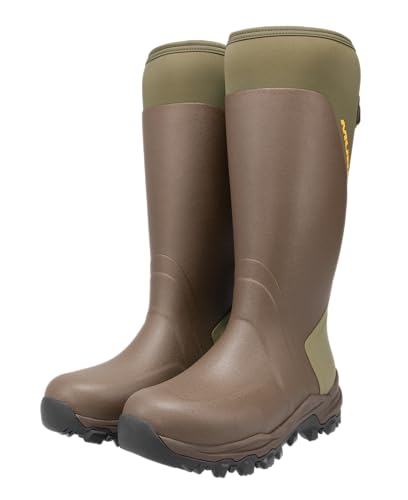
Muddy Men’s Dv8 Insulated Boot

SWISSWELL Waterproof Rain Gear

HOT SHOT Camo Rain Jacket with Waterproof Hood

Muddy Men’s TRX Sherpa Bibs Mossy

UIIHUNT Fleece-Lined Water-Resistant Hunting Set
More Details On Our Top Picks
The TRX quarter zip fits neatly into a layered hunting outfit, giving you an easy adjustment as your body warms during a walk. Its lightweight base-layer positioning makes more sense beneath a shell than as protection from sustained rain, especially on cool mornings with moderate exertion.
Two listed camouflage patterns, Mossy Oak Bottomland and Mossy Oak Greenleaf, give you options suited to different outdoor settings. For most early-season hunts, you may find this works best as the breathable layer beneath a jacket such as the HOT SHOT option.
Notable Gains
- The quarter-zip opening makes temperature control easy without removing the entire shirt.
- Its base-layer role allows a waterproof shell to sit over it without creating an obvious bulk at the waist.
- Two camouflage choices provide useful flexibility across wooded and mixed outdoor terrain.
Things To Consider
- No waterproof or water-resistant construction is identified, so standing rain belongs outside its design role.
- Base layers can absorb moisture, making prompt washing and complete drying important after strenuous hikes.
Quick Facts
Made For
You’ll benefit most from this shirt during mild-weather hunts where a packable insulating layer and reliable outer shell are your priorities.
A Better Fit Elsewhere
The HOT SHOT Camo Rain Jacket with Waterproof Hood suits you better when the outer layer itself must handle rain.
The Dv8 boot focuses on the part of hunting gear that often receives the wettest treatment: the boundary between your feet and the ground. A 17-inch shaft gives tall coverage, while the waterproof construction and neoprene body are designed for cold, wet terrain and muddy approaches.
Unlike the light TRX shirt, this boot adds both insulation and ground-level protection. The 1000g Thinsulate toe insulation should help with cold sensitivity up front, but the weight and bulk make it more of a dedicated cold-weather choice than a lightweight multi-use layer.
Practical Advantages
- Waterproof construction helps keep standing water from reaching your socks during wet approaches.
- The 5mm neoprene body adds flexibility and insulation compared with a conventional all-leather boot.
- Toe-box insulation targets a common cold area during long walks on damp ground.
- The roll-down shaft can be tucked under pant legs or opened for easier ventilation.
- The proprietary outsole is designed to provide traction across changing outdoor surfaces.
Practical Considerations
- The 17-inch height takes longer to put on and remove than a low or mid-height insulated boot.
- Owners should allow the neoprene upper to dry fully between wet outings to reduce trapped moisture and odors.
Technical Sheet
Who It Suits Best
You’ll appreciate the Dv8 most during cold-weather deer seasons, late-season waterfowl trips, and hunts involving muddy fields or saturated trails.
Reach For A Different Pick When
The UIIHUNT Fleece-Lined Water-Resistant Hunting Set offers a more flexible clothing option for mild rain where insulated boots would feel excessive.
A jacket and pants set covers more of your body than a standalone shell, particularly across the shoulders, hips, and upper legs. That broader coverage makes the SWISSWELL suit a practical choice for motorcycle rides, outdoor chores, and hunts involving sustained rain or muddy access routes.
The listing places it in motorcycle protective gear, so its two-piece format has broader utility beyond hunting. You may find the separate pants more convenient than a long jacket, especially when rain blows sideways, though you should expect a less field-specific design than the camouflage-focused alternatives here.
Notable Upsides
- Jacket-and-pants coverage reduces exposed gaps around your waist and upper legs.
- The two-piece format makes it easier to manage layers during a temperature swing.
- Its motorcycle-oriented design makes it useful for commuting and outdoor work as well as hunting.
Trade-Offs
- No fabric, closure, pocket, or ventilation details are supplied, so its comfort and breathability need careful consideration.
- The full matching set takes more space in a day pack than a compact jacket-only option.
- Loose fabric can create noise during careful movement, making it less suited to quiet approaches than the UIIHUNT set.
Who Will Love This
You’ll find this suit useful for wet commutes, campsite travel, and hunting trips where full-body rain coverage matters more than camouflage and low-noise fabric.
Consider Something Else When
The UIIHUNT Fleece-Lined Water-Resistant Hunting Set is a closer match for quiet approaches in cool, light rain.
The HOT SHOT jacket is a lightweight shell for days when rain arrives faster than you can adjust your layers. Its waterproof hood adds useful head coverage, while the breathable design aims to limit the heavy, clammy feeling that can build up during an active hike.
Camo styling makes this a more natural hunting option than the SWISSWELL suit, and it packs down more simply than a two-piece set. The limited source information leaves some important questions open, particularly around pocket placement, cuff adjustment, and the security of seams, so treat it as a focused lightweight shell rather than a fully specified all-weather system.
Useful Highlights
- The hood supplies direct rain protection around your head and neck without adding a separate hood to your pack.
- Its lightweight construction favors mobility and easy packing on multi-day hunts.
- Breathability helps you manage internal moisture during walking and other sustained activity.
- Camo appearance blends naturally into a hunting wardrobe and outdoor gear collection.
Points To Note
- The supplied information does not identify sealed seams, so heavy rain resistance may depend on jacket construction not documented here.
- Owners should hang the shell open after wet use to let trapped moisture escape.
Feature Snapshot
Right Fit For
You’ll appreciate this shell on active hunts with moderate rain, especially when carrying a jacket you can easily remove and pack during warmer intervals.
Where A Sibling Pick Shines
The SWISSWELL Waterproof Rain Gear offers broader coverage for riders or hunters who want separate protection across both the upper body and legs.
Sherpa refers to the soft, pile-like lining associated with cold-weather workwear, and the TRX bibs place that warmth on your lower body. They make sense during stationary waits and cool mornings, especially when layered over your usual hunting pants, but they are not presented as a waterproof rain shell.
Three listed finishes, including Mossy Oak Bottomland, Veil Canyon Grey, and Veil Canyon Hybrid, let you coordinate the bibs with different hunting clothing. Compared with the Dv8 boot, the main benefit here is broad torso and leg coverage rather than wet-ground protection, so your rain strategy still needs a jacket and suitable footwear.
What Works In Its Favor
- The warm lining adds insulation during cold waits without requiring a full winter parka.
- Bib coverage protects the lower torso, a useful benefit when rain or brush reaches above the waist.
- Multiple camouflage options make coordination with existing field clothing easier.
Soft Spots
- No water-resistant rating or waterproof membrane is identified, so persistent rain is outside the supported feature set.
- Sherpa-style fabric can retain warmth but may feel too warm during active travel in mild conditions.
- Allow the lining to dry fully after use to help manage moisture and odors.
Built With In Mind
You’ll get the most benefit from these bibs during cool-weather deer and turkey hunts with frequent resting periods rather than fast, mild-weather hikes.
Swap It Out When
The Dv8 boot is the better choice for hunters whose main concern is cold water and mud around the feet.
A jacket-and-pants set creates a more consistent quiet surface than mixing ordinary outerwear with rustling rain shells. The UIIHUNT set combines a polyester outer shell, fleece lining, water resistance, and fabric selected to limit movement noise, making it a thoughtful option for cool, damp approaches.
Safety-strap compatibility adds practical value for hunters using external gear restraints, although you should confirm the attachment position on the specific listing. Water resistance can handle drizzle and intermittent moisture better than constant exposure, while the fleece lining makes this a less natural choice during high-energy activity in mild weather.
Positive Takeaways
- The quiet-touch fabric reduces the chance of a jacket rustling during close approaches.
- Fleece lining supplies warmth for cool mornings without requiring two full jackets.
- Water resistance offers practical protection from light rain and damp brush.
- Matching jacket and pants create a more uniform clothing system across the upper and lower body.
- Safety-strap compatibility supports use with certain external hunting restraints.
Honest Caveats
- Water resistance is not the same as waterproof protection and may fall short during prolonged downpours.
- The polyester outer material and fleece lining need ventilation during active movement to manage internal heat.
- Follow the garment care label and air the set after damp outings to preserve fabric performance.
Core Details
Who Should Grab It
You’ll appreciate this set on cool, lightly wet hunts where quiet movement, fleece warmth, and a coordinated jacket-and-pants fit are the main priorities.
Look Elsewhere When
The SWISSWELL Waterproof Rain Gear better serves you during long motorcycle rides or heavy rain that calls for dedicated two-piece protection.
What Matters Before You Choose Field Rain Gear
Start with the weather and the activity. A stationary hunter in cold drizzle may prioritize fleece warmth and quiet fabric, while someone walking ridgelines in a downpour needs reliable waterproofing, sealed coverage, and ventilation. Match the shell to the conditions rather than choosing one piece for every season.
Coverage matters, too. Jackets protect the upper body, bibs cover the lower torso and legs, and full suits reduce gaps around the waist. Boots handle saturated ground, but they cannot replace a rain shell, so a complete setup often works better than relying on one heavy garment.
Layering Without Restriction
A base layer manages moisture close to your body, while a fleece or insulated midlayer adds warmth without absorbing much water. The outer garment should handle wind and rain, and each layer needs enough room to move without restricting your reach or drawing excessive attention from fabric noise.
Details That Change Comfort
Hood shape, cuff closure, mesh lining, and adjustable shafts help keep water out or release heat. Quiet-touch material is useful during close approaches, while dedicated waterproof construction is more valuable during prolonged downpours. Check care instructions before your first outing so washing and drying don’t damage insulation or treatment.
Choosing For Your Terrain
Woodlands, open fields, wetlands, and backcountry trails create different problems. Camouflage pattern, traction, shaft height, coverage, and packability should match the terrain and the number of hours you expect to spend outside. A heavier setup can become uncomfortable quickly when the temperature rises.
Lessons Before Wet-Weather Trips
Common Shopping Slip Ups
A waterproof-looking hood does not mean the entire jacket has sealed seams. Check the weather protection stated for the whole garment, not just one feature. Buying a full suit without considering storage space can also leave you carrying unnecessary bulk.
What The Higher Tier Buys
Higher-tier hunting rain gear may add targeted insulation, more durable lining, better ventilation, or a construction designed to remain comfortable during longer wear. Those upgrades matter most on repeated cold trips; lighter conditions can favor a simpler shell and separate layers. Choose based on duration and temperature, not on feature count alone.
Frequently Asked Questions
What rain gear is best for hunting?
The best rain gear for hunting balances water protection, quiet movement, breathability, and the temperature you expect. Full suits suit sustained rain, while breathable shells work well during active hikes.
Should hunting rain gear be completely waterproof?
Waterproof construction makes sense for prolonged downpours and wet ground. Water-resistant gear can handle drizzle and light moisture, but it may need an additional layer during heavy rain.
Are insulated hunting boots better for wet weather?
Insulated boots suit cold, muddy terrain because they add warmth and help block water. They may feel too warm or heavy during mild weather, so breathable footwear is often more comfortable on active days.
Is fleece lining suitable for hunting in rain?
Fleece adds useful warmth but can absorb moisture, and the surrounding shell needs to handle most of the rain. Water-resistant fleece-lined sets work best in cool, light rain rather than prolonged downpours.
Should hunting rain gear be camouflage?
Camouflage helps your clothing blend with a hunting wardrobe and terrain. On public trails or during activities where you need visibility, a safety-colored outer layer can be a more responsible addition.
Final Verdict
Your strongest choice depends on the job your gear must do. Pick the Dv8 boot for cold mud, the HOT SHOT jacket for a lightweight shell, or the SWISSWELL suit for full-body rain coverage. For quiet movement with cool-weather insulation, UIIHUNT’s set fits the hunting niche closely, while the Muddy layers work best as supporting pieces in a larger clothing system.
