

Rafting shoes need to handle wet rocks, slippery launches, sand, and long hours of walking without turning your feet into a clumsy problem. The right pair should provide secure contact with the ground, drainage, flexibility, and enough coverage for cold water and sharp riverbed debris. You’ll find a better match by choosing for your river terrain, fit preferences, and the amount of protection you need.
A Closer Look At The Lineup

WOEZKEX Quick-Dry Aqua Socks
Stelle Women’s Aqua Shoes for Swimming and Lakes

KHMCRSDO Men’s Water Wading Shoes

Promate 3mm Water Sports Boots
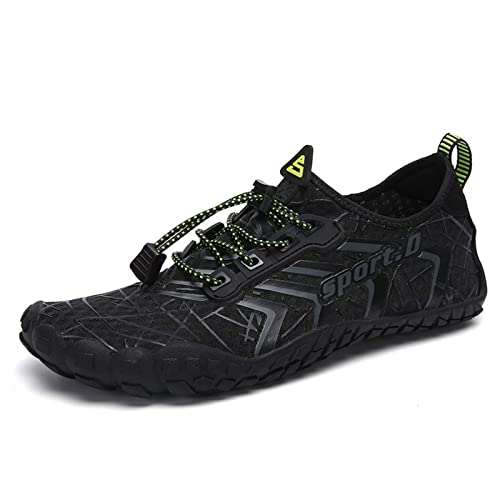
UBFEN Quick-Dry Barefoot Water Shoes

SIMARI Lightweight Quick-Dry Water Shoes
More Details On Our Top Picks
Minimal coverage makes WOEZKEX more natural for easy paddling days than for rocky rapids where your toes need substantial shielding. The sock-like shape should stay unobtrusive during beach walks, swimming, surfing, or yoga, though the close fit deserves attention before a long river trip.
Compared with KHMCRSDO’s more structured wading shoe, this option feels better suited to movement that prioritizes lightness over ground coverage. You’ll appreciate the reduced bulk, but secure river footing still depends on the outsole, terrain, and your own balance.
The Upside
- Low-profile construction reduces the bulky feeling common in conventional water footwear.
- Quick-drying positioning suits swimmers and people moving between water and shore.
- Flexible shape supports beach sports, surfing, exercise, and yoga.
- Sizing choices span several women’s and men’s ranges.
Points To Consider
- The sparse listing information leaves out construction material, outsole grip, and drainage details.
- Common water-shoe care calls for rinsing trapped sand and drying the pair fully before storage.
Who It Suits Best
You’ll get the most natural fit for swimmers, beach walkers, and paddlers moving through shallow, low-risk water.
A Better Fit Elsewhere
Choose KHMCRSDO Men’s Water Wading Shoes instead for men who expect textured footing and more substantial riverbed coverage.
Stelle targets a straightforward need: footwear for adult women moving around lakes and swimming areas without carrying the structure of a full hiking boot. That narrower positioning is easy to understand, although the available listing details don’t establish how much toe protection or outsole grip you’ll receive.
Compared with SIMARI’s broader activity range, Stelle is the simpler lake-day option. It may suit relaxed outings better than technical rivers, where slippery entry points, drainage, and precise fit matter far more.
Where It Helps
- Adult-focused sizing makes the intended fit category clear.
- The aqua-shoe format suits swimming and wading around lakes.
- A simple design may work well for casual shore outings.
Worth Noting
- No confirmed material, closure, drainage, or traction details appear in the supplied information.
- The women-specific focus excludes shoppers seeking one shared pair for different foot sizes.
- Rinsing and air-drying after muddy outings remains important for long-term care.
Made For
This pair makes the most sense for adult women using calm lakes, pools, and uncomplicated waterfront paths.
Reach For A Different Pick
SIMARI Lightweight Quick-Dry Water Shoes offer a clearer activity range for kayaking, beach sports, and general swimming.
River walking rewards a sole that can manage water, sand, and uneven ground, and KHMCRSDO gives those needs more attention than a basic swim sock. The textured rubber outsole, bottom drainage opening, and stated nonstick wet contact make this a serious wading option for men.
That makes it a stronger match than WOEZKEX for shore entries and shallow crossings, assuming your size fits comfortably. Softness, elasticity, shock absorption, and pressure reduction add comfort, but none eliminates the need to walk carefully over submerged obstacles.
Noteworthy Benefits
- Bottom drainage helps move water away from the inside of the shoe.
- Textured rubber gives wet shorelines a more purposeful contact surface.
- Elastic construction supports movement across varied outdoor activities.
- Shock-absorbing qualities may feel useful during long wading sessions.
- The design applies to swimming, exercise, and other water activities.
Practical Considerations
- The men-specific design may not accommodate shared or mixed sizing needs.
- Rubber needs regular cleaning to remove embedded grit and protect the outsole.
- No closure details are supplied, so adjustability remains unclear.
Technical Sheet
Who Should Grab It
You’ll appreciate this pair for beach wading, outdoor fitness, and shorelines where drainage and traction take priority.
Another Choice May Suit
UBFEN Quick-Dry Barefoot Water Shoes fit mixed-gender users better when swimming and hiking share the same trip.
The 3mm construction gives Promate a useful middle ground between an exposed swim sock and a bulky river boot. That thin neoprene layer can add warmth and light coverage for beach sports, kayaking, and wading without demanding a heavy stride.
Compared with WOEZKEX, Promate appears better suited to users wanting slightly more coverage. Compared with KHMCRSDO, though, the supplied details don’t confirm drainage or textured outsole construction, so you’ll need to judge those traits from the current listing.
What Stands Out
- The 3mm thickness offers a balance of coverage and low-profile movement.
- Water-sports construction suits paddling and beach activities.
- Multiple listed size combinations support shared water-sport purchases.
Small Caveats
- Your first objective choice should be a roomy neoprene fit because water shoes often run smaller.
- The supplied information doesn’t identify outsole material or drainage.
- Allow the boots to dry fully after swimming to limit trapped moisture.
Quick Facts
Best Suited To
These boots favor paddlers and beach-sport users who want more coverage without a heavy hiking-shoe feel.
Look Elsewhere When
KHMCRSDO Men’s Water Wading Shoes make more sense for confirmed drainage and textured rubber traction.
Trips that move from a riverbank into the water rarely stay in one activity, and UBFEN keeps that practical focus. Its barefoot-style profile supports natural movement for swimming and hiking, while the men-and-women positioning makes it easier to consider for shared outdoor gear.
SIMARI covers many of the same shoreline activities, but UBFEN is the clearer choice here when light hiking and wading sit at the center of the trip. You’ll still want a close fit because a loose water shoe can shift over slick ground.
What Pays Off
- Quick-drying positioning works well for active days around water.
- Barefoot styling preserves a more natural stride than a rigid boot.
- Hiking and swimming uses make it practical beyond the launch.
- Men-and-women availability suits mixed-gender trip planning.
A Few Limitations
- No confirmed traction compound or drainage opening appears in the supplied data.
- Low-profile coverage may feel limited around sharp rocks.
- Rinse away grit after each outing and let the pair air-dry before packing.
Feature Snapshot
Built With In Mind
You’ll find this design useful for mixed-gender groups combining shoreline hikes, swimming, and casual water outings.
Where A Sibling Pick Shines
Promate 3mm Water Sports Boots suit you better when light insulation and broader foot coverage matter more than barefoot movement.
SIMARI’s long activity list makes it easy to picture one pair moving from kayaking to beach sports, swimming, and surfing. The lightweight, quick-drying approach favors warm-weather mobility, while breathable rubber components help manage the dampness that usually follows a day beside the water.
That versatility sets it apart from Stelle’s narrower lake focus, though KHMCRSDO has the clearer confirmed traction design. SIMARI is the balanced choice for a packed beach bag, depending on how much structured coverage your river demands.
Strengths Worth Knowing
- Rubber components provide a defined outsole foundation for wet settings.
- Breathability may improve comfort during warm swimming and beach sessions.
- Wet-surface grip provides a useful starting point for shoreline movement.
- The broad activity range works well for varied outdoor trips.
- Quick drying benefits anyone packing footwear that must be reused soon.
Possible Compromises
- Lightweight construction may offer less physical protection than Promate’s 3mm boots.
- The supplied details don’t confirm exact outsole thickness or drainage placement.
- Salt, sand, and sunscreen need prompt rinsing to preserve the material and grip.
Core Details
Who Will Love This
This pair appeals to swimmers and paddlers who carry one shoe for several warm-weather water activities.
Consider Something Else
Choose KHMCRSDO Men’s Water Wading Shoes for men who prioritize confirmed drainage and a textured sole design.
What Matters Before Taking Footwear on the River
Start with terrain and coverage. Smooth lake shallows demand less protection than rocky launches, shallow rapids, or riverbanks scattered with sticks and stones. Closed-toe coverage helps with debris, while a sock-like shoe works best where footing stays uncomplicated and your foot needs unrestricted movement.
Separate grip from quick drying. Quick drying helps footwear dry between uses, but traction determines whether you remain steady during launches and shoreline crossings. You’ll want a textured outsole for wet rock and avoid judging a shoe by the term alone, since “water shoe” can describe very different constructions.
Fit around swelling feet. Water exposure and long days can make your feet change, so compare the listed size carefully with a shoe you already wear comfortably. A close fit reduces movement inside the shoe, though it shouldn’t pinch your toes or restrict the forefoot during a full paddle stroke.
Plan for pack weight and care. Low-profile footwear takes less room than neoprene boots, which matters during a long approach hike. Rinse trapped sand and salt after use, loosen any fastening areas, and let the pair dry before storage so moisture doesn’t encourage odors or material wear.
Choosing Water Footwear Without Second Guessing
Mistakes Worth Dodging
Don’t choose by appearance alone. A beach shoe may handle paddling nicely yet lack the toe protection needed around sharp river rocks, and a heavy boot can become uncomfortable during a long day in the sun. Check coverage, outsole intent, drainage, and fit before deciding.
What Separates Premium From Basic
A higher-tier pair may add stronger materials, more precise construction, better ventilation, or fuller coverage than a basic swim sock. The upgrade matters most for frequent paddlers, cold-water outings, and rough shorelines, while casual swimmers may gain little from a heavier design.
Frequently Asked Questions
Can I wear rafting shoes for everyday walking?
You can, but river-specific footwear may feel less stable or ventilated than regular walking shoes. KHMCRSDO and UBFEN may handle mixed land-and-water use particularly well.
Are neoprene water shoes warmer?
Yes, 3mm neoprene provides more insulation and coverage than a thin sock-style shoe. Promate is a practical option for cool water, though the added material may feel warm in hot weather.
Should water shoes have drainage holes?
Drainage holes help water escape and reduce sloshing during wading. KHMCRSDO includes a bottom opening, while the supplied information doesn’t confirm this feature for the other choices.
How should I dry water shoes?
Rinse away sand and salt, loosen the shoe, and let it air-dry away from direct heat. Store the pair only after the upper, footbed, and outsole feel dry.
Are barefoot water shoes suitable for hiking?
They suit short, easy hikes and water transitions better than demanding trails. UBFEN works well for mixed activities, while fuller coverage or stronger toe protection suits rougher approaches.
Final Verdict
Choose KHMCRSDO for confirmed drainage and textured wading support, Promate for light 3mm coverage, or UBFEN for trips mixing hiking and swimming. WOEZKEX, Stelle, and SIMARI serve lighter swimming and beach use, with SIMARI offering the broadest warm-weather activity range. Match the shoe to the river rather than treating every water outing the same.
