

A dependable outdoor umbrella base keeps its shade in place while resisting gusts, uneven paving, and the occasional bump. You need enough weight, a pole opening that actually fits, and enough mobility to reposition the canopy without wrestling a heavy stand. These options cover fixed, wheeled, fillable, and decorative designs for patios, lawns, gardens, and outdoor work areas.
An Overview Of The Picks
Lifeswell Umbrella Stand Base, Poles to 2 Inches
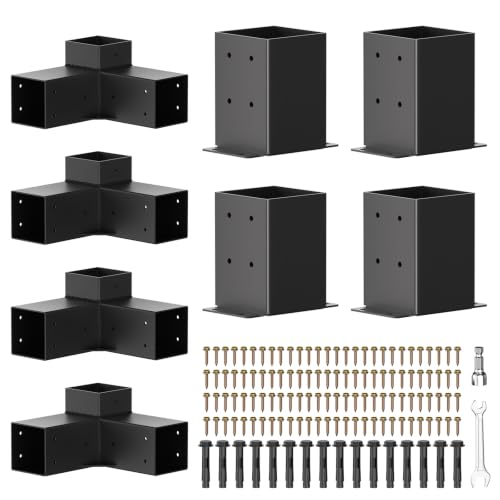
PGGP 3-Way Pergola Brackets, 3.5-Inch Posts
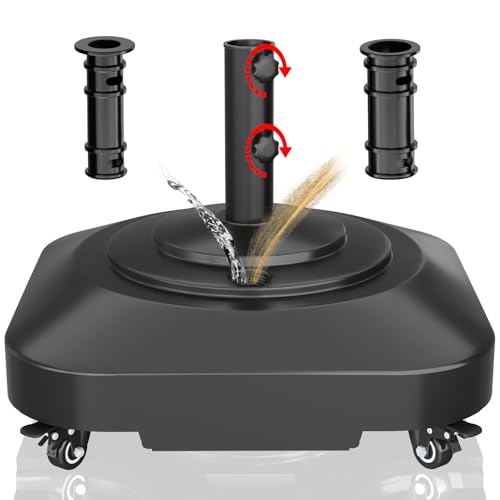
PGGP 5-Wheel Fillable Umbrella Base

PGGP Metal Umbrella Base with Wheels

Yaheetech 18-Inch Bronze Resin Umbrella Base

PGGP H-Shaped Fence Post Repair Kit
Meet The Standout Selections
This fixed stand is built for patio furniture that stays in one place. Its welded construction and triangular lower support give the pole a more settled foundation than a lightweight decorative holder, especially on level paving or lawn.
You have several sleeve choices for smaller poles, while a two-inch pole uses the central opening without an adapter. That makes Lifeswell useful for a broad mix of market umbrellas, particularly in a permanent patio arrangement rather than one you reposition often.
Benefits That Matter
- Accepts umbrella poles up to two inches across.
- Three interchangeable sleeves cover common narrower pole sizes.
- Welded construction supports frequent outdoor use.
- The fixed profile avoids wheel-related clutter near furniture.
Points To Keep In Mind
- A fixed stand takes more effort to reposition than a wheeled model.
- Outdoor owners should inspect the base for dirt and standing water during routine cleaning.
Technical Notes
Made For Fixed Patios
This base suits you best when your umbrella remains beside a permanent outdoor seating set and needs a stable, low-maintenance foundation.
Consider Something Else When
The PGGP 5-Wheel Fillable Umbrella Base is more convenient for patios where shade changes position throughout the day.
This set shifts away from the umbrella category and supports a related outdoor project: the framework beneath a pergola. Each three-way bracket connects horizontal beams to a post from several directions, creating useful joint reinforcement for a freestanding structure.
The stated 3.5-inch opening accommodates common nominal four-by-four posts, so measure your lumber before assembly. You’ll need sound level footings, a level post, and accurate alignment to gain the structural benefit these brackets are designed to provide.
Notable Upsides
- Supports beams approaching from multiple directions.
- Two brackets provide coverage at paired connection points.
- The braced layout reduces movement at pergola joints.
- Useful for custom backyard shade structures.
Honest Caveats
- These brackets do not support an umbrella pole or replace an umbrella base.
- Actual post dimensions must be checked before purchase.
- Exposed outdoor fasteners need regular inspection for corrosion.
Right Fit For Pergola Projects
This kit fits you best as a hands-on homeowner building or reinforcing a pergola from posts with a 3.5-inch cross-section.
Where A Sibling Pick Shines
The Yaheetech 18-Inch Bronze Resin Umbrella Base is the relevant choice when your actual goal is supporting a freestanding patio umbrella.
Moving shade away from a hot table or into afternoon sun is much easier with a rolling base. This PGGP model combines five casters with adjustable pole sleeves and a fillable body, giving you mobility without treating a decorative resin stand as a permanent installation.
For most balconies, patios, and garden tables, the balance is useful. Two locking wheels help hold the umbrella in place after you finish rolling, while the fillable structure adds stability during breezy conditions.
The Practical Payoff
- Five wheels make frequent repositioning less disruptive.
- Two wheel locks help keep the base stationary while parked.
- Three sleeve sizes accommodate varied pole diameters.
- Fillable construction adds resistance without permanent anchoring.
Worth Noting
- Added weight can make rolling difficult on uneven lawn or loose soil.
- Adjustable knobs and sleeve openings need occasional tightening.
Feature Snapshot
Built With Mobility In Mind
This base suits you best for table-side umbrellas that need frequent repositioning across a smooth patio or hard-packed surface.
Another Choice May Suit
The Lifeswell Umbrella Stand Base, Poles to 2 Inches is more appropriate for an umbrella that remains in one location.
A square metal body gives this base a more substantial outdoor presence than a small rolling stand. Its broad footprint, fillable interior, and four casters make it a practical middle ground for umbrellas that need weight, pole flexibility, and occasional movement.
The main sleeve accepts 1.97-inch poles, while interchangeable sleeves cover narrower openings. You’ll also want a level route between locations because the filled base may feel heavy on grass, pavers with gaps, or sloped ground.
What Pays Off
- Metal construction suits frequently used outdoor seating areas.
- Four casters make repositioning more manageable.
- Dual-wheel locking casters help secure the base after moving.
- Interchangeable sleeves support three common pole sizes.
Practical Considerations
- Water-filled weight can be awkward on decorative or uneven surfaces.
- The metal body may show surface marks over time and needs routine cleaning.
Important Details
The Right Fit
This model best suits you when you regularly move a 6- to 12-foot umbrella across a paved patio or similarly firm surface.
Look Elsewhere When
The Yaheetech 18-Inch Bronze Resin Umbrella Base offers a more decorative, stationary option for a traditional garden setting.
Bronze-finished resin brings a more traditional look than exposed metal or rolling hardware, making this stand a natural fit for classic garden furniture. The rounded form also feels less industrial beside a dining set with similarly warm finishes.
This is a stationary choice, not a mobile base. You gain a 26.5-pound starting weight and a weather-resistant design, while adapters handle common 1.5- and 1.9-inch umbrella poles.
Good Reasons To Consider
- The bronze finish complements traditional patio furniture.
- A 26.5-pound resin body supplies useful starting ballast.
- Weather-resistant construction suits exposed garden locations.
- Adapters support two common umbrella-pole diameters.
Small Limitations
- A fixed resin base takes more effort to move than a rolling design.
- Its styling is less suitable for a minimalist or industrial patio.
- Outdoor cleaning may leave trapped debris around the central adapter.
Core Details
Who Will Love This
This base suits you best for a traditional garden or patio arrangement where appearance and dependable fixed weight matter more than frequent movement.
Reach For A Different Pick When
The PGGP 5-Wheel Fillable Umbrella Base is a stronger match for anyone who regularly rolls shade between seating areas.
This set tackles a different outdoor stability problem: a wood fence post leaning after years of soil movement or wind exposure. The H-shaped steel brackets straddle the post and extend into the ground, adding a braced connection around the area that often moves most.
The two-piece set is intended as a repair rather than a complete rebuilding system. You’ll need to expose the leaning post, position each anchor, and attach the brackets with the specified assembly screws for the strongest result.
Where It Delivers
- H-shaped construction braces both sides of a wood post.
- Widened flanges add contact around the post and soil.
- Two anchor units support a paired repair project.
- Steel components suit a hands-on fence restoration.
Things That May Matter
- Soil type and installation depth strongly affect the finished repair.
- Wood posts with rot near the ground may need replacement instead.
- Exposed steel requires periodic inspection and prompt removal of collecting soil.
Made For Weekend Repairs
This kit fits you best as a DIY homeowner addressing a leaning wood fence post that can be reset and reinforced without rebuilding the full fence.
Not Your Match When
The Lifeswell Umbrella Stand Base, Poles to 2 Inches is the proper option for anchoring a patio umbrella rather than repairing a fence.
What Matters Before You Choose
Measure the pole first
A base only works correctly when the opening matches the pole’s actual diameter. Measure across the upper shaft rather than the lower housing, and note any adapter already attached by the umbrella manufacturer.
Match the base to the surface
Fixed welded or resin designs work well on level patios. Wheeled bases roll more easily across smooth paving, but filled weight can make grass, gravel, and uneven stones difficult. You’ll move the umbrella more smoothly over a continuous surface.
Consider the umbrella’s size and wind exposure
A broad canopy catches more force than a compact patio umbrella. Larger models benefit from a wider or fillable base, while a central tightening mechanism helps keep the pole from shifting. Even a substantial base cannot replace careful placement in exposed locations.
Check maintenance requirements
Inspect adapters and fasteners periodically, especially after severe weather. Clean leaves from around the pole and remove standing water from fillable bases. Any anchor, sleeve, or resin surface that develops deep cracks deserves a close inspection.
Practical Lessons Before Installation
Common Shopping Slip Ups
Pole size matters more than outdoor appearance. Measure carefully and check whether the listed umbrella size describes its canopy or its entire frame. You’ll also need to account for the pole’s lower housing, which may be wider than the shaft.
What The Higher Tier Buys
A higher-tier base may add metal construction, locking casters, a larger fill capacity, or tighter umbrella compatibility. Those features help most with frequent movement, larger canopies, or surfaces where a lightweight decorative holder would shift easily.
Frequently Asked Questions
What size umbrella base fits most patio umbrellas?
Measure the pole diameter and compare it with the base’s central opening or listed adapters. Common openings include 1.26, 1.5, 1.9, and 1.97 inches.
Are fillable umbrella bases better than water-filled stands?
Fillable designs remain portable when empty and gain resistance once weighted. Water also adds weight, but draining and transporting it can be inconvenient.
Can I roll an umbrella base across grass?
Small casters work best on smooth patios. Filled metal or resin bases can roll poorly on grass, gravel, and uneven ground.
Do umbrella bases need to be anchored?
Many patio bases rely on weight, pole fittings, and the umbrella’s own support. Exposed locations and larger canopies benefit from additional stability, but anchoring must suit the surface.
How often should an outdoor umbrella base be checked?
Review the base after strong wind and during routine patio cleaning. Check pole tightness, wheel locks, fill levels, corrosion, and contact with the ground.
Closing Remarks
Choose a fixed base for a permanent shade station, or choose wheels and filling for frequent movement. Match the sleeve to your pole, the weight to your umbrella, and the mobility to your patio surface. For most setups, stability and a secure pole fit matter more than decorative extras.
