

A capable outdoor knife earns its place by handling camp chores, trail snacks, quick repairs, and everyday carry without becoming clutter in your pocket. The right blade also depends on your grip, the tasks you handle, and the local rules where you carry it. From compact folding knives to a broad workshop multitool, these six options cover distinct needs. Five are designed for portable use, while the two HOSHANHO choices serve fish preparation and larger food-cutting tasks at camp or home.
The Picks In Brief

VICTORINOX 1.3773 Handyman Swiss Army Knife
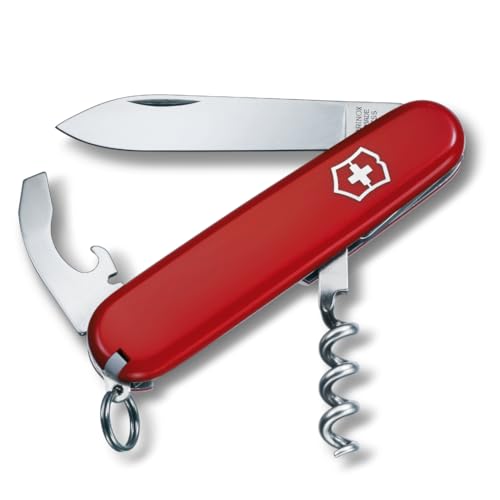
Victorinox Waiter Red Swiss Army Knife
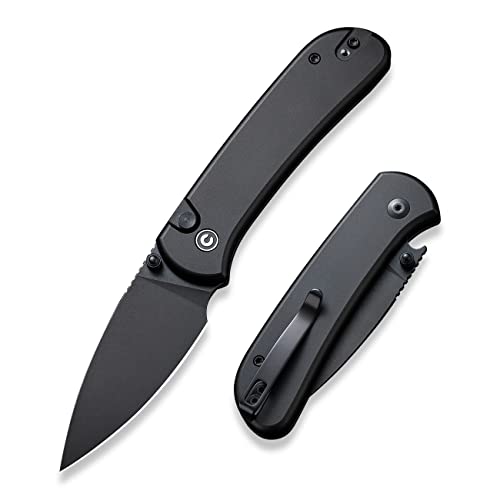
CIVIVI Qubit EDC Pocket Knife, Black

Ontario Knife Company 8848 Rat I Folding Knife

HOSHANHO 7-Inch Fillet Knife

HOSHANHO Butcher Knife Set and Roll Bag
More Details On Our Top Picks
The Handyman favors preparedness over a specialized outdoor design, gathering 24 functions into a red 91 mm multitool. Pliers add leverage for simple camp repairs, while the broader tool selection reduces the need to carry several small implements. For campers who repair gear, open packages, or handle small food tasks, that versatility is the main attraction.
Compared with the slimmer Victorinox Waiter, this model is larger and heavier, so it feels more substantial in hand but less discreet in a pocket. Depending on your tasks, that may be a fair trade. It suits people who want a pocketable toolbox rather than a dedicated cutting folder.
Practical Advantages
- Twenty-four functions cover cutting, gripping, opening, and minor repair tasks.
- Pliers provide useful leverage for pulling staples or gripping small objects.
- The compact body replaces several loose tools in a daypack.
- Its broader size feels more capable than the Waiter during workshop chores.
Practical Considerations
- Cleaning around multiple folded tools takes more attention than wiping down a single blade.
- Its 155 g weight may feel substantial during an all-day walk.
Key Specs
Built With In Mind
This model benefits campers, DIYers, and picnic-goers who favor one adaptable tool over several specialized implements.
A Better Fit Elsewhere
The Victorinox Waiter suits people who prioritize a lighter pocket profile and bottle-opening tasks over the Handyman’s broader repair capability.
The Waiter centers on a large folding blade and nine functions in a pocket-friendly design. Its corkscrew makes it a natural companion to a picnic basket, packed lunch, or bottle stop, while the bottle opener removes another item from your outing kit. You get useful coverage without carrying a larger multitool.
That smaller profile makes it a stronger fit than the Handyman for light day hikes and meals away from a workbench. It handles familiar opening and cutting jobs, though it does not offer the Handyman’s pliers or 24-function range. For most casual outdoor errands, the focused design feels neatly balanced.
A Few Highlights
- The corkscrew streamlines unpacking at picnics and campsite meals.
- A large folding blade supports general cutting tasks in a compact body.
- Nine functions provide useful coverage without excessive bulk.
Worth Noting
- Food residue around the corkscrew needs prompt rinsing and drying.
- It offers less repair capability than the pliers-equipped Handyman.
- Local carrying rules and storage practices still deserve attention.
Made For
Picnic-goers, casual hikers, and wine lovers benefit most from the corkscrew-led feature set.
Another Choice May Suit
The VICTORINOX 1.3773 Handyman better serves campers who need pliers and a wider collection of repair tools.
The Qubit brings a 2.98-inch 14C28N blade to a compact everyday-carry format. That steel is designed to balance corrosion resistance, edge retention, and cutting performance, making it a sensible material for a knife exposed to changing weather. You also receive a built-in bottle opener for trail meals and drink stops.
Two opening methods, a button lock and thumb stud, provide useful choices for different hands and wearing positions. Unlike the Waiter’s nine-function approach, the Qubit stays focused on cutting and opening a bottle. It therefore looks more appropriate for a light trail kit than a general repair pouch.
Where It Delivers
- The compact 2.98-inch blade supports routine food and cord tasks.
- 14C28N steel favors a useful balance of edge holding and corrosion resistance.
- Button and thumb-stud access accommodate different opening preferences.
- The bottle opener adds value to picnics and packed lunches.
Minor Gripes
- Its feature set is less expansive than either Victorinox model in this list.
- Cleaning the pivot and handle joints after muddy use helps keep the mechanism moving smoothly.
Technical Sheet
Who It Suits Best
Everyday-carry users and light hikers benefit from its compact cutting profile and straightforward opening methods.
Where A Sibling Pick Shines
The Victorinox Waiter offers a corkscrew and broader multitool range for picnics and small household opening tasks.
The 8848 Rat I focuses on a practical folding-knife design rather than a collection of miniature implements. Open-post construction leaves gaps around the pivot area, which can make dirt and moisture easier to remove after yard work, camping, or workshop use. That cleanability is a quiet strength, especially compared with tightly packed multitool mechanisms.
Nylon handles and spine jimping support a controlled grip, while jimping refers to the textured grooves along the blade spine. A four-position clip and lanyard hole provide carry choices for different pockets and outdoor routines. The result is a more utility-centered tool than the Qubit.
What Makes Sense
- Open-post construction supports routine cleaning after outdoor work.
- Textured spine jimping gives the grip more tactile purchase.
- The four-position clip allows several pocket arrangements.
- A lanyard hole supports alternate carry for camp or workshop use.
Details To Watch
- The fixed pocket-clip position may not suit every pocket or carrying preference.
- Outdoor users should store the knife closed and dry after wet conditions.
Feature Snapshot
The Right Fit
Camp workers, hobbyists, and tradespeople benefit from its cleanable design and flexible carry arrangements.
Reach For A Different Pick When
The CIVIVI Qubit better fits people who prioritize a modern automatic-style opening mechanism and a shorter everyday blade.
This is a kitchen-focused knife rather than a pocket tool, but its 7-inch profile earns a place in a camp cooking kit. The long, narrow blade follows a fish’s contours during filleting, giving you more control around bones and thinner sections. It also handles boning work, making it more specialized than the compact outdoor knives listed earlier.
The blade uses Japanese 10Cr15CoMoV stainless steel and has a hand-polished 15-degree edge on each side. That geometry favors controlled slicing, though the exact edge behavior will vary with sharpening and use. Keep it in a protected block or sheath rather than loose camp equipment.
Strengths Worth Knowing
- The 7-inch blade provides useful reach for separating fish from bones.
- A narrow profile supports controlled contour cuts.
- Japanese stainless steel offers a practical foundation for kitchen use.
- The design covers both fish filleting and boning tasks.
Where It May Fall Short
- Its long profile makes it unsuitable as a compact everyday-carry knife.
- A drying surface and protective storage help protect the edge and stainless steel.
Right Fit For
Home cooks and camp-kitchen users benefit most when fish preparation is a regular task.
Swap It Out When
The Ontario Knife Company 8848 Rat I better fits portable use that needs a compact folding blade and pocket clip.
The scale shifts here from pocket knives to a substantial food-preparation collection. Seven blades cover bone chopping, cleaver work, Viking-style cutting, filleting, dividing, dicing, and smaller paring tasks. That range suits a serious camp kitchen, outdoor cooking setup, or home user who wants several cutting shapes rather than one general-purpose knife.
The roll bag makes storage more orderly than a loose pile, which matters when multiple blades must remain separated and easy to locate. Compared with the single HOSHANHO fillet knife, this set handles broader food preparation, but its size and number of pieces demand more drawer or counter space.
Where It Excels
- Seven distinct blades cover a wide range of food preparation tasks.
- The collection includes chopping, cleaver, fillet, dividing, and paring formats.
- A roll bag keeps the larger set organized during storage.
- The assortment suits BBQ, hiking, and camping food preparation.
Trade Offs
- The many pieces occupy more storage space than a single kitchen knife.
- Each blade requires separate washing, drying, and careful storage.
- The collection is more practical for organized kitchens or established camp kitchens than minimalist packing.
Core Details
Whose Shelf It Belongs On
Experienced home cooks and organized camp kitchens benefit from the variety across seven specialized blades.
Where Another Pick Suits Better
The HOSHANHO 7-Inch Fillet Knife better suits smaller setups focused specifically on fish preparation.
Choosing the Right Blade for Your Tasks
Cutting Shape and Task Range
Begin with the work. A narrow fillet blade follows curved fish bones, while a cleaver-style knife suits forceful chopping and dividing. A pocket multitool handles opening and light repair tasks, but it does not replace a full kitchen blade. Match the shape to the task before considering extra features.
Blade Size and Carry
Pocket knives emphasize compact storage and quick access, but larger blades can feel awkward during a long walk. Kitchen knives offer greater control and reach, yet they belong in a protected block, sheath, or roll bag. Your packing space and typical work surface should guide the choice.
Steel, Edges, and Care
Corrosion-resistant steel can tolerate moisture and changing conditions more readily, although no blade is free from maintenance concerns. Edge geometry also matters: fine slicing angles suit controlled kitchen work, while practical field blades tolerate broader tasks. Wash, dry, and store each knife properly to limit residue and edge damage.
Locking, Handles, and Extras
Folding knives benefit from a secure locking mechanism and a grip texture that remains controllable with wet or dirty hands. Corkscrews, bottle openers, pliers, and clips are useful additions only when they match your routine. Extra tools increase convenience, but a focused design may be easier to carry and maintain.
Getting More From Your Knife Selection
Mistakes Worth Dodging
Choosing by appearance alone can leave you with the wrong blade shape for your tasks. A larger knife is not automatically more useful during a hike, and a multitool is not a substitute for proper kitchen equipment. Compare the intended work, carrying method, and storage system before adding another tool.
What Separates Premium From Basic
Higher-tier knives may use more refined steel, fit and finish, or specialized geometry. That difference can matter for frequent cutting, demanding outdoor work, or regular kitchen use. For occasional picnics or simple trail tasks, a well-chosen basic model may provide all the function you need.
Frequently Asked Questions
Are Swiss Army knives suitable for outdoor use?
They work well for light cutting, opening packages, and simple camp tasks. A dedicated knife or multitool better fits specialized jobs.
Which outdoor knife is easiest to carry?
The Victorinox Waiter offers the most compact multitool profile here. The CIVIVI Qubit is another strong option for blade-focused pocket carry.
What type of knife works best for fish?
A long, narrow fillet blade provides useful control around curved bones. The HOSHANHO 7-Inch Fillet Knife is designed for that purpose.
Should outdoor knives be cleaned after use?
Rinse, dry, and store them properly to reduce moisture and residue. Fold closed pocket knives and keep kitchen blades in protected storage.
Is a large kitchen knife suitable for camping?
It can suit an established camp kitchen with a stable preparation surface. Protect the edge and secure the blade for transport and storage.
Final Verdict
Your strongest fit depends on the work: the Handyman handles varied repairs, the Waiter favors compact picnic tasks, and the Qubit centers on everyday cutting. The Ontario Rat I suits utility-minded carry, while the HOSHANHO choices serve fish and larger food preparation. Choose the smallest design that covers your regular tasks, then maintain it consistently.
