

Night vision can turn a dark trail into a useful wildlife-watching window, but the right pair depends on how you observe. Digital goggles suit close-range camping and hiking, while infrared binoculars handle greater darkness; a trail camera serves a different purpose by monitoring an area without a person behind the eyepieces. Traditional glass binoculars still shine in daylight, yet they provide no inherent night viewing. The six choices below span those distinct roles honestly, including options better suited to astronomy or daytime wildlife.
The Choices Worth Comparing
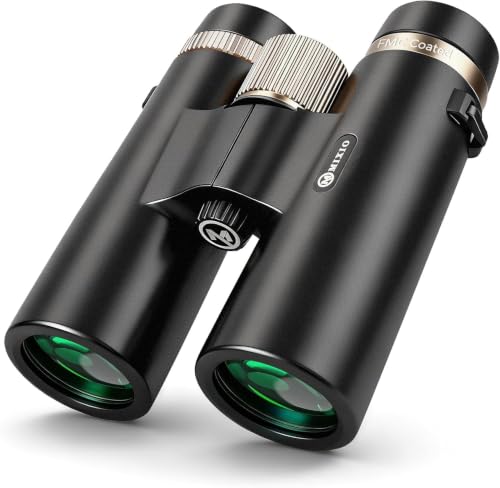
M MIXIO 12×42 Binoculars

M MIXIO 10×42 Binoculars

BOSTRON 15×70 Astronomy Binoculars

Tizycod Night Vision Binoculars

WARMTUYO 4K Night Vision Binoculars with 9-Level IR

SPYPOINT Flex-S Solar Cellular Trail Camera
More On The Choices That Made The List
The 12x magnification gives distant birds and mammals more visual detail than a lower-power pair, while the 42mm objective lenses help gather light during daylight. The listed 303-foot field of view at 1,000 yards gives you room to track movement across open ground.
This is a conventional glass binocular rather than an electronic night-vision device, so its role is complementary. For dawn, evening, and daytime surveys, it feels more useful than the Tizycod later in this list; complete darkness calls for actual infrared or digital night vision.
Why It Works Well
- 12x magnification helps separate subjects across fields and woodland edges.
- 20mm eyepieces provide a conventional viewing setup for adults.
- The 1.3-pound weight remains portable for camping and travel.
- A 6.1-by-5-by-2.2-inch body fits more easily into medium daypacks than bulky 15×70 binoculars.
Things To Consider
- There are no listed illuminators or electronic night-vision components.
- Higher magnification usually produces more hand shake, so a tripod or stable support helps during long wildlife watches.
- Lens caps and the body should be kept dry and wiped clean after foggy morning use.
Who It Suits Best
Daylight birders and wildlife watchers who want more magnification than a 10×42 pair without carrying a full-size astronomy optic.
Another Choice May Suit
WARMTUYO 4K Night Vision Binoculars with 9-Level IR suit campers who need real low-light viewing after sunset.
Compared with the earlier 12×42 model, this pair trades magnification for a wider 294-foot field of view at 1,000 yards. That makes it easier to follow a bird moving between branches or to scan a shoreline without constantly redrawing the optic across the scene.
The 10×42 configuration is a familiar all-purpose format, and the 1.5-pound listed weight suits hiking and travel. Still, nighttime wildlife remains outside its core strengths: these are daylight binoculars, not illuminated goggles.
Standout Benefits
- 10x magnification balances detail with an easier-to-scan view.
- 42mm objective lenses suit general daylight observation.
- The broad listed view helps track wildlife across open terrain.
- 20mm eyepieces keep the setup conventional and uncomplicated.
Trade Offs
- Distant subjects appear smaller than through the M MIXIO 12×42 Binoculars.
- No night illumination is listed, so the product adds little after dark.
- Outdoor owners should keep the 6.1-by-5-by-2.2-inch body away from moisture despite the title’s waterproof wording.
Made For
Casual birdwatchers, hikers, and families who want a broad, daylight-oriented view without handling high-power astronomy binoculars.
Where A Sibling Pick Shines
The BOSTRON 15×70 Astronomy Binoculars suit stargazers who value magnification and large objective lenses more than a wide wildlife-scanning view.
The large 70mm objective lenses gather more available light than either M MIXIO pair, while 15x magnification brings distant celestial objects closer. That astronomy-first design also reaches farther into the landscape, making it useful for scanning exposed ridgelines during daylight.
For most wildlife walks, though, that power carries a practical cost. The viewing experience is narrower and more sensitive to movement, so this is not a substitute for the steadier 10×42 setup even though both can be aimed at the same distant hill.
What Pays Off
- Seventy-millimeter objective lenses support starlight-oriented viewing and distant daytime observation.
- Fifteen-times magnification reveals detail in compact or faraway subjects.
- The large optical format serves both astronomy and terrestrial viewing.
- A broad field of view remains more useful than a narrow pinpoint optic for initial target finding.
Worth Noting
- The 15x setting can make hand shake and small target movements more noticeable.
- It remains an astronomy binocular, with no listed infrared illuminator for wildlife after dark.
- Clean the objective lenses with a suitable lens cloth and store the barrel somewhere dry between outings.
Best Suited To
Stargazers and patient wildlife watchers who prioritize magnification, light gathering, and distance over a lightweight pack.
Reach For A Different Pick When
Tizycod Night Vision Binoculars serve mobile campers who need a small electronic optic for darkness rather than high-power sky viewing.
Digital night vision changes the use case here. The Tizycod body measures 4.64 by 4.17 by 1.9 inches and weighs 8.5 ounces, making it far easier to tuck into a small daypack than the BOSTRON astronomy optic.
Its compact form fits hiking, camping, education, and close-range wildlife observation around a campsite or trail. Depending on terrain and available darkness, you may notice more detail than conventional glass provides after sunset, though the supplied data does not define its sensor size, range, or resolution.
What Works In Its Favor
- The 8.5-ounce weight reduces fatigue during long walks.
- Compact dimensions suit travel and limited pack space.
- Digital viewing supports nighttime observation around camps and trails.
- The binocular format is more natural for prolonged scanning than a monocular device.
Points To Keep In Mind
- Detection distance and low-light performance are not specified in the available product details.
- Electronic lenses and controls need careful storage away from moisture and extreme heat.
- Its modest size may provide less physical support than full-size 15×70 binoculars.
Built With In Mind
Teens, beginners, and lightweight travelers who value packability and basic digital night viewing over long-range optical detail.
Look Elsewhere When
WARMTUYO 4K Night Vision Binoculars with 9-Level IR suit users who want stated video resolution, adjustable infrared levels, and digital zoom.
Unlike the compact Tizycod, this model documents a much broader control set for dark camps and multi-night outings. Its 850nm infrared illuminator uses nine adjustable levels, letting you match infrared brightness to changing darkness rather than operating with a single fixed setting.
The 3-inch display, stated 4K capture, 16x digital zoom, and included 32GB card make this a stronger fit for recording what appears beyond the viewing screen. Digital zoom can narrow the scene, so optical wildlife identification may still deserve patience in faint light.
Points In Its Favor
- Nine infrared levels provide useful control across changing low-light conditions.
- A 3-inch display provides a defined screen for digital observation.
- Stated 4K recording supports wildlife documentation and outdoor memories.
- The 5,000mAh battery is suited to longer camp sessions.
- Sixteen-times digital zoom helps inspect distant screen details.
- A 32GB card removes the need to source storage separately.
Minor Gripes
- Digital zoom magnifies pixels rather than adding optical detail.
- Menu-driven controls and screen viewing take more practice than conventional glass binoculars.
- Charging and storage demand more care than a passive daylight optic.
Technical Highlights
Who Will Love This
Campers, wildlife documentarians, and hobbyists who want adjustable infrared illumination plus video recording in one portable setup.
Consider Something Else When
The SPYPOINT Flex-S Solar Cellular Trail Camera suits people who want unattended monitoring rather than direct viewing through binocular eyepieces.
This option changes the basic wildlife-viewing process. Instead of carrying a binocular to every distant subject, the camera can remain at a trail or property and document activity around a fixed detection zone, which is particularly useful after dark.
Its no-glow presentation reduces visible illumination around the camera, and the built-in solar panel supports the internal battery. Listed power can last up to 11 months, although activity level, placement, and weather will affect real-world results; the LIT-22 lithium pack is another stated power option.
Reasons It Performs
- Solar charging reduces routine battery replacement during extended monitoring.
- Cellular connectivity supports remote viewing through a compatible setup.
- No-glow illumination favors discreet observation near sensitive wildlife areas.
- A fixed mounting position can cover a trail, feeder, or property boundary continuously.
Practical Considerations
- It is a fixed trail camera, not a handheld binocular, so active tracking is impossible.
- Remote cellular operation depends on service coverage and a suitable plan.
- Position the panel where it receives useful sunlight and keep the lens and housing clean from dust and rain.
Feature Snapshot
The Right Fit
Property owners and serious wildlife monitors who value unattended, connected recording over handheld observation.
Not Your Match When
WARMTUYO 4K Night Vision Binoculars with 9-Level IR suit you when following moving animals is more important than monitoring one fixed location.
Choosing Gear That Fits Your Night Routine
Magnification shapes what you can see, but the viewing technology matters first. Traditional glass binoculars work in daylight and twilight, while digital or infrared devices add visibility after dark. A trail camera then offers another model entirely, using a fixed sensor instead of handheld eyepieces.
Magnification And Field Of View
Magnification is the first number on a binocular, telling you how much larger a distant subject appears. Field of view describes the width you can scan at a set distance, and a wider view makes moving birds or deer easier to follow. That balance points most casual wildlife watchers toward 10×42 glass, while 12×42 offers more reach.
The 15×70 BOSTRON option magnifies more and gathers light through larger objective lenses, making it better for astronomy or fixed distant scenery. Its increased shake and narrower view can become tiring during extended handheld wildlife watching.
Night Viewing Technology
Digital and infrared binoculars use an electronic image rather than relying entirely on conventional glass optics. Infrared illumination supplies light that the device can detect, while digital sensors create the image shown through the eyepieces or on a display. The available data does not establish equivalent detection distances across every model.
The Tizycod prioritizes compactness, while WARMTUYO adds adjustable infrared levels, a larger stated display, digital zoom, video capture, and a larger battery. Compare advertised functions rather than treating “night vision” as one uniform category.
Portability And Monitoring Style
Carry weight and body size matter on long walks. The Tizycod’s 8.5-ounce listed weight is especially easy to accommodate, while the M MIXIO glass binoculars provide simpler daylight viewing without charging. Larger astronomy binoculars favor stationary viewing and can be less comfortable to carry for hours.
A solar cellular trail camera serves a separate need: unattended coverage. SPYPOINT can document activity without your continued presence, although remote access depends on cellular service and the camera still needs suitable placement.
Common Choices and Costly Lessons
Mistakes Worth Dodging
A common mistake is treating a conventional binocular as nighttime equipment simply because its brand mentions outdoor use. Check for digital sensors, illuminators, or infrared technology before expecting it to help after sunset. Another trap is choosing maximum magnification for moving wildlife; steadier, wider views usually feel more practical.
What The Higher Tier Buys
Higher-tier electronic models can add adjustable infrared brightness, larger displays, recording, storage, and longer battery capacity. Those features matter for extended camps or documented sightings, while a compact digital pair may be enough for casual walks. A solar trail camera adds a different kind of value by removing the need to stay beside the optic.
Frequently Asked Questions
Are Night Vision Binoculars Good For Wildlife?
Night vision binoculars can make nocturnal animals easier to see in dark surroundings. Detection distance varies with sensor quality, infrared illumination, weather, and the animal’s position. Conventional glass binoculars remain useful for daylight and twilight.
Should You Choose 10×42 Or 12×42 Binoculars?
A 10×42 pair generally offers a wider view and steadier handheld viewing. A 12×42 pair makes distant subjects appear larger while narrowing the scene. Choose 10×42 for active tracking and 12×42 for more distant detail.
Is More Magnification Always Better For Wildlife?
Higher magnification narrows the field of view and can magnify hand movement. It also works best with a stable support and a relatively steady subject. Moderate power often proves more comfortable for long wildlife watches.
Can A Trail Camera Replace Night Vision Binoculars?
A trail camera monitors a fixed area and records activity, while handheld binoculars follow moving subjects in real time. They serve complementary roles rather than direct replacements. A fixed camera also needs a suitable viewing angle and placement.
What Matters Most In Digital Night Vision Binoculars?
Infrared controls, sensor capability, display size, battery capacity, and recording features vary considerably. Detection range matters too, though manufacturers may not provide a directly comparable figure. Your typical distance and lighting conditions should guide the decision.
Wrap Up
The clearest choice depends on your actual night routine. WARMTUYO offers the richest stated digital feature set, Tizycod prioritizes portability, and SPYPOINT handles unattended wildlife monitoring. For daylight viewing, the M MIXIO 10×42 and 12×42 pairs fill different needs, while BOSTON leans strongly toward astronomy. Choose the tool that matches how, where, and for how long you plan to observe.
