

Local TV reception depends heavily on your location, nearby buildings, terrain, and broadcast infrastructure. An indoor antenna makes sense for apartments, bedrooms, and single-TV setups, while an outdoor or attic model offers greater placement flexibility for suburban homes and multiple televisions. The confusing part is that advertised range figures don’t tell you much on their own. This roundup compares indoor and outdoor antenna options by examining their amplification, cable length, mounting approach, channel compatibility, and ease of setup.
A Fast Comparison Of The Options

DTVSUBS 2026 Indoor Digital TV Antenna

Five Star Outdoor Antenna, 200-Mile Range
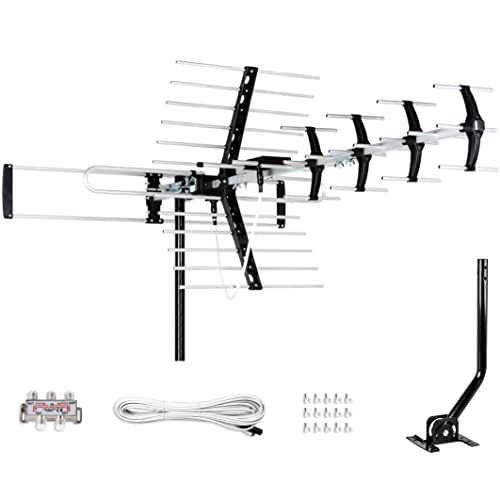
Five Star 200-Mile Outdoor Antenna, ATSC 3.0

BEFORE 16.5-Foot Indoor Amplified Antenna
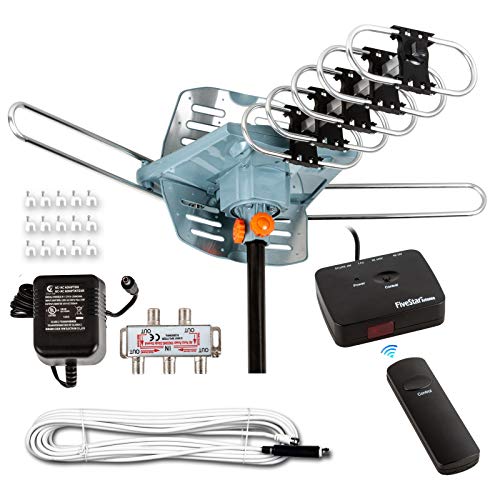
Five Star Amplified Antenna with 360-Degree Remote

URIIU Indoor Digital TV Antenna, 33-Foot Cable
A Closer Look At Each Pick
A compact antenna can make sense in a bedroom or apartment where a rooftop installation isn’t practical. This DTVSUBS model uses a directional design, so repositioning it near a window may produce noticeably better results than leaving it beside a metal entertainment cabinet. That’s the central advantage of staying indoors: you can respond to the signal as conditions change.
The 10-foot triple-shielded coaxial cable gives you more freedom than a permanently mounted desktop antenna, while the shielded construction can help limit interference entering the connection. Compared with the amplified BEFORE model, this option is simpler and more portable, but it offers less reach in a genuinely weak reception area.
The Upside
- Its compact indoor design suits apartments, dorm rooms, and secondary televisions.
- A directional 360-degree adjustment helps you turn the antenna toward local transmitters.
- The 10-foot shielded cable makes placement beyond a TV stand more practical.
- It can serve an outdoor movie area or RV setup that already has access to a suitable television signal.
Practical Considerations
- Indoor placement is vulnerable to walls, appliances, and other electronic interference.
- Directional reception can require several small adjustments rather than a one-time setup.
Quick Facts
Made For
You benefit most from this antenna in a small home, apartment, or bedroom where a movable indoor unit is easier to manage than a roof-mounted system.
Consider Something Else When
The BEFORE 16.5-Foot Indoor Amplified Antenna may suit you better when indoor signal strength is weak and a powered amplifier is worthwhile.
Moving the pickup element outside removes many of the walls and furnishings that weaken indoor reception. This Five Star model is designed for an attic or roof position, with VHF and UHF support covering the two main terrestrial television bands. Its stated 200-mile range makes it a consideration for rural homes, although terrain and transmitter distance remain more useful indicators than that number alone.
Support for as many as four televisions makes this model more useful in a shared home than a single-TV indoor antenna. The supplied J-mount and installation hardware reduce extra purchases, though roof work still calls for a secure ladder, proper tools, and careful cable routing.
Noteworthy Benefits
- Outdoor positioning gives you access to a clearer line toward broadcast towers.
- VHF and UHF reception supports the broadcast bands used by local television stations.
- Four-TV capability suits homes where family members watch separate channels simultaneously.
- The included J-mount supports higher placement where indoor reception is obstructed.
- Compatibility with 1080p and 4K television sets makes it relevant to current home entertainment setups.
Installation Matters
- Roof installation adds time and safety considerations compared with a tabletop setup.
- The four-TV capability requires compatible splitters and adequate coaxial connections.
- The 200-mile claim does not account for hills, terrain, or obstructions along the broadcast path.
Technical Highlights
Who It Suits Best
Homeowners in suburban or rural locations benefit most when they can install the antenna high enough to reduce obstruction from walls and household electronics.
A Better Fit Elsewhere
Five Star 200-Mile Outdoor Antenna, ATSC 3.0 serves you better when modern broadcast compatibility matters more than the simpler VHF and UHF-focused setup.
The main addition here is ATSC 3.0 readiness, the broadcast standard relevant to newer digital television ecosystems. That distinction matters if your TV tuner or converter supports ATSC 3.0, while households using an older ATSC 1.0 tuner may not gain much from the designation. The rest of the design remains focused on outdoor reception across VHF and UHF stations.
Multiple-TV support makes this a practical option for a family home, especially one that can place the unit in an attic or on a roof. Compared with the earlier Five Star model, the broad physical approach is similar, so the key distinction is modern broadcast readiness rather than a completely different installation process.
Everyday Perks
- ATSC 3.0 readiness adds useful compatibility for newer television hardware.
- VHF and UHF support keeps the antenna relevant across standard broadcast bands.
- Outdoor placement can improve reception when an indoor antenna is blocked by walls.
- The included mounting equipment helps you build a raised installation without sourcing a separate mast immediately.
Things To Consider
- ATSC 3.0 support matters only when your television or tuner can use that standard.
- Roof placement requires a secure mounting point and weather-resistant cable routing.
- The four-TV specification does not include every splitter or connection needed for a complete household setup.
Built With In Mind
This antenna fits a shared home with newer television equipment and a practical location for an attic or roof installation.
Where Another Pick Shines
Five Star Amplified Antenna with 360-Degree Remote is the more practical alternative for you when remote adjustment matters more than ATSC 3.0 support.
An amplifier boosts incoming signal before it travels along the cable, which can help with weak reception or long runs inside a home. This BEFORE antenna combines that powered boost with a 16.5-foot cable, giving you more freedom to place it near a window or along a different wall. The design is aimed at indoor users, so it is easier to reposition than a permanently mounted outdoor antenna.
Compatibility with 720p, 1080i, and 1080p ATSC signals makes it useful for many common digital televisions. Compared with DTVSUBS 2026 Indoor Digital TV Antenna, it offers a longer cable and amplification, though extra electronics also mean power and placement considerations.
Positive Points
- The built-in amplifier gives weak indoor signals an extra boost.
- A 16.5-foot cable lets you move the antenna away from a crowded TV stand.
- Broad television-format support fits many modern digital TV setups.
Smaller Details
- Amplifiers can add noise to a signal that is already strong, so placement still matters.
- The 200-plus-mile claim should be treated cautiously for an indoor model because walls remain a major obstacle.
Feature Snapshot
Right Fit For
You benefit most from this model when a single room receives inconsistent indoor reception and a longer movable cable is more practical than roof mounting.
Reach For A Different Pick When
URIIU Indoor Digital TV Antenna, 33-Foot Cable may suit you better when cable reach between rooms is the deciding factor.
Outdoor antennas often need small directional adjustments after installation, and this model makes that process easier with a wireless remote. Its 360-degree motor lets you aim the antenna from indoors instead of climbing onto the roof after every channel scan. That convenience is the feature that stands out, particularly in homes where the mast is mounted in a difficult location.
The package includes a 40-foot RG6 coaxial cable, control box, power supply, four-way splitter, and instructions. It supports up to five televisions, making it a strong consideration for a large home, although the mounting pole and remote batteries are not included. The amplifier and rotation motor also add parts that need weather consideration outdoors.
Where It Delivers
- Remote rotation saves repeated trips up a ladder.
- The built-in amplifier supports outdoor reception in difficult layouts.
- 40 feet of RG6 cable reaches from an outdoor mast into a central distribution point.
- Five-TV support fits homes with several viewing areas.
- The four-way splitter makes signal distribution more practical.
Trade Offs
- You must supply a mounting pole and AAA batteries.
- Motorized positioning adds moving parts and a control box to the installation.
- Weatherproofing and cable strain relief need attention during outdoor setup.
Who Will Love This
You benefit most from this antenna when the outdoor mast is far from your television room and you want fine directional control without repeated roof access.
Another Choice May Suit
Five Star Outdoor Antenna, 200-Mile Range is a simpler alternative for you when remote rotation isn’t needed and four televisions are enough.
A 33-foot cable gives an indoor antenna more reach than most compact models, which helps when the television sits in a different room from the window. This URIIU unit includes an amplifier, so you can place it near a more favorable reception point while routing the cable toward your television. The trade-off is more cable to manage and a separate power connection to place safely.
Compatibility with 4K and 1080p televisions covers common modern display needs, while its support for older TVs makes it useful for secondary rooms or legacy sets. Compared with the BEFORE 16.5-Foot Indoor Amplified Antenna, the longer cable is the decisive difference for larger homes, not a promise of stronger reception in every location.
What Makes Sense
- The 33-foot cable can reach a TV positioned in a neighboring room.
- Amplification may help with weaker over-the-air signals.
- Compatibility spans modern 4K, 1080p, and older television sets.
Details To Watch
- Indoor walls and building materials still limit reception, especially in dense apartments.
- The amplifier needs a nearby outlet, and the cable requires careful routing around furniture.
- Its stated 5000-plus-mile range is not a useful guarantee of real-world reception distance.
Key Product Details
The Right Fit
You benefit most from this antenna in a multi-room home where the best indoor placement is 33 feet from the television.
Not Your Match When
DTVSUBS 2026 Indoor Digital TV Antenna is the cleaner choice for you when a shorter cable and a simpler directional setup are preferable.
Choosing For Your Home
Start with the television rather than the range number. A single bedroom TV usually needs a compact indoor antenna, while several televisions benefit from an outdoor system with appropriate coaxial distribution. The distance to towers matters, but walls, hills, trees, and nearby buildings can change reception more than the advertised mileage suggests.
Placement Matters Most
Indoor antennas perform best near a window, away from electronics, and at a consistent height. You may need to try several positions and rescan the television after each move. An amplified unit can help with a weak input, but excessive amplification won’t remove obstructions or create a clearer path to a transmitter.
Outdoor Models And Mounting
Attic and roof placement can provide a cleaner view of broadcast signals than an indoor setup. Check the included hardware before beginning because mounting poles, connectors, splitters, and batteries may require separate purchases. Roof work also calls for secure footing and careful cable management, so a balanced outdoor installation is preferable to an ambitious but unstable one.
Amplifier Or No Amplifier
An amplifier, which increases signal strength, is most useful for weak reception or long cable runs. Strongly powered signals can become noisy, so placement and a baseline channel scan matter. You don’t need a more complex antenna when a basic indoor unit can receive the channels you watch with stable positioning.
Key Differences Between Indoor And Outdoor Picks
Common Shopping Slip Ups
A huge stated range can distract you from the practical details: cable length, mounting needs, and the number of compatible televisions. Check whether the antenna is designed for the rooms you actually use, and account for walls, appliances, and power outlets before buying.
What The Higher Tier Buys
Outdoor models usually add mounting flexibility, stronger signal collection, or motorized adjustment. The upgrade helps when indoor placement is blocked, you have several televisions, or reaching a high mounting point is difficult. A basic indoor antenna remains the sensible option for a single nearby television.
Frequently Asked Questions
Do indoor antennas work with smart televisions?
Yes, compatible smart televisions can receive over-the-air channels through their built-in tuner or an external converter. You still need the correct coaxial connection and a television capable of the broadcast standard in your area.
How much range do you need?
Your distance from broadcast towers, local terrain, and building construction are more useful than a headline range figure. You may need an outdoor model when signals are weak or blocked indoors.
Does an amplifier always improve reception?
No. Amplification helps with weak input signals, but it cannot remove walls, terrain, or interference. Strong signals can become noisier, so placement remains important.
Can one antenna serve several televisions?
Yes, an outdoor antenna can feed multiple televisions with an appropriate splitter and compatible coaxial wiring. Check the stated television count and confirm that you have the necessary connections.
Where should you place an indoor antenna?
Begin near a window and keep the antenna away from electronics and large metal objects. You may need to test a few positions and run a channel scan after each adjustment.
Final Thoughts
The best choice depends on your rooms, televisions, and building layout. Compact indoor antennas suit apartments and single TVs, while outdoor models give you more placement control for suburban homes or multiple screens. Match the antenna to the practical problem, then check the connection and local broadcast availability before settling on it.
