

Portable watercraft works well for weekend paddles, small-space storage, and mixed-use households, but the right fit depends on whether you want standing balance, two-person capacity, or a hard-shell alternative. This lineup includes inflatable stand-up paddleboards, a two-person inflatable kayak, a dedicated electric pump, and two rigid fishing kayaks for comparison. A closer look at dimensions, seating, portability, and water type helps you choose the setup that matches your routine.
A Quick View Of The Lineup

UPWELL 11’×34″ Inflatable Paddle Board

UPWELL Inflatable SUP Board

INTEX Explorer Kayak Two-Person Set

Litheli 20PSI Electric SUP Pump

LIFETIME Kokanee Kayak 10’6″ Lime
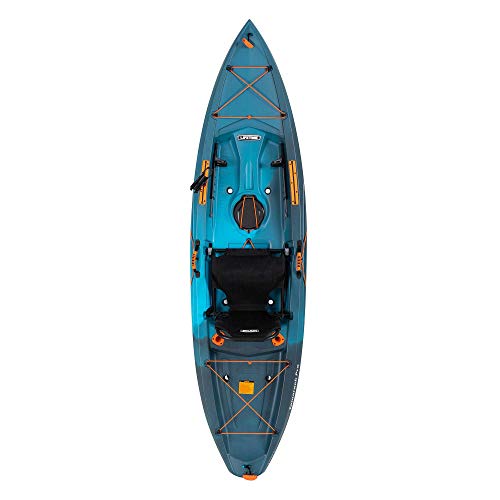
LIFETIME Tamarack Pro 103 Kayak
Inside Each Recommended Option
The 11-foot length gives you room to develop a steady stroke, while the 34-inch width creates a more forgiving platform than a narrow performance shape. That balance suits first-time paddlers moving from shoreline lessons to longer routes on lakes, calm rivers, and protected coastal water.
Unlike the hard-shell options later in the lineup, this board folds into its backpack after inflation and deflate with the included hand pump. The accessory bundle covers the essentials, although you may eventually want an electric pump for less arm work.
A Few Strong Suits
- The broad deck supports beginners and teens working on balance.
- A listed capacity near 450 pounds suits a wide adult range.
- The six-inch thickness provides a substantial, flexible platform.
- Backpack, paddle, leash, pump, and fins reduce setup shopping.
Things To Consider
- Owners must fully dry and store the board to limit moisture and abrasion.
- Manual inflation is practical but tiring for frequent launches.
Key Specs
Who It Suits Best
Beginners, teens, and adults wanting a stable SUP package for calm lakes and rivers.
A Better Fit Elsewhere
Couples needing lower seating will find the INTEX Explorer Kayak Two-Person Set more suitable.
The longer, wider configuration described for the 11-foot-6-inch version is aimed at a stable, adaptable ride across skill levels. At 35 inches wide, it offers more standing room than the UPWELL 11’×34″ Inflatable Paddle Board, which is the meaningful difference here.
You can use the same format for youth or adult lessons, relaxed lake touring, or easy-access river paddling. The listing spans several lengths, so checking the selected dimensions on the product page matters; the written details point toward the widest version.
Key Advantages
- The described 35-inch width favors balance during standing.
- A listed capacity near 500 pounds accommodates more paddlers.
- The longer model offers room for a steadier glide.
- The complete accessory set supports a complete first launch.
Worth Noting
- Multiple size choices can create confusion before checkout.
- Cleaning and fully drying the valves matter during long-term storage.
- Included hand pumping takes effort for regular outings.
Quick Facts
Made For
Families and mixed-skill groups using calm water for lessons and relaxed touring.
Consider Something Else When
You need a seated two-person craft rather than a stand-up platform, making the INTEX Explorer a closer fit.
A two-person inflatable kayak opens a different route to the water from the SUP choices. The Explorer suits couples, families, or friends sharing a relaxed paddle on lakes and mild rivers, with lower seating and a shared hull instead of individual standing decks.
The Boston valve supports quick inflation and deflation, while the paddle sections fit into the carrying bag with the folded kayak. That packed system is convenient for apartments and vehicle trips, though you still need somewhere dry and secure to unpack after a wet outing.
Everyday Advantages
- Two-person seating gives companions a shared outing.
- The valve design simplifies setup between paddles.
- Packing the boat and paddle together simplifies transport.
- The set includes paddles and a pump.
Small Caveats
- Two adults can affect tracking on narrow or moving water.
- Owners commonly need to clear trapped sand and dry the valve after lake launches.
- The soft craft is less suitable for rough surf than a rigid kayak.
Right Fit For
Couples and families seeking shared, seated paddling on relatively calm freshwater.
Another Choice May Suit
Solo anglers prioritizing molded storage and tracking will prefer the LIFETIME Tamarack Pro 103 Kayak.
The Litheli pump isn’t a kayak, but it solves one of the biggest routine hassles in this category: moving enough air without a long manual effort. Dual-stage operation begins with higher-volume inflation and then adds pressure, which helps bring boards and inflatable craft to their intended firmness.
Rechargeable-battery and 12-volt vehicle options are useful across different setups. For a homeowner launching several boards, that flexibility can outweigh the extra equipment; for occasional paddlers, the hand pumps included with the UPWELL boards may already be enough.
Notable Gains
- Dual-stage inflation combines volume and final-pressure control.
- Rechargeable battery support helps at lakes without vehicle access.
- Vehicle power gives you another route at the launch.
- Auto-off reduces the chance of needless continued operation.
- The stated flow suits large boards and other inflatables.
Practical Considerations
- You must charge the battery before relying on cordless use.
- Keep the hose, valve adapter, and power connections dry.
- Confirm your craft’s required pressure before inflation.
Technical Highlights
Built With In Mind
Frequent paddlers and households inflating multiple boards benefit most from powered setup.
Where A Sibling Pick Shines
Solo SUP paddlers wanting a complete boat-and-paddle package will find the UPWELL 11’×34″ board more direct.
The Kokanee brings hard-shell responsiveness to a versatile 10-foot-6-foot platform, but the raft-like seating makes it easier to adapt than many fishing kayaks. You can paddle with a companion using the two backrests or reposition one for solo use.
Multiple storage areas suit small tackle, snacks, and layers, while the high backrests support longer recreational days. Compared with the inflatable lineup, it feels more at home on a car rack, yet it offers steadier movement for anglers or paddlers who keep gear in the hull.
Positive Points
- Solo and tandem configurations broaden the use cases.
- Adjustable backrests improve support for long sessions.
- Multiple storage areas reduce dependence on a deck bag.
- The sit-on-top layout eases entry and exit.
A Few Limitations
- The hard shell requires roof transport and more storage space.
- Fishing anglers may need dedicated rod holders for serious outings.
Core Details
Who Will Love This
Families and mixed-use paddlers wanting one hard-shell kayak for solo trips or shared outings.
Reach For A Different Pick When
Apartment living and frequent transport make the inflatable INTEX Explorer Kayak a more practical option.
The Tamarack Pro 103 is the more fishing-focused of the two rigid choices. A flat bottom works with deep tracking channels, which guide the hull while you cast, paddle, or reposition around vegetation; that directional control matters more to anglers than the Kokanee’s flexible seating arrangement.
The framed seat and adjustable footrests let you settle into a stroke-friendly position instead of constantly shifting your legs. For anglers using a pedal drive or needing more dedicated storage, the fishing configuration may justify the bulk better than the Kokanee’s recreational versatility.
Positive Takeaways
- Tracking channels support a straighter course on open water.
- Flush-mounted rod storage keeps fishing gear organized.
- Adjustable seating and footrests support a personalized fit.
- The flat-bottom hull favors stability during casting.
Points To Keep In Mind
- Roof transport and a dedicated storage rack are needed.
- Owners should rinse mud and saltwater from the hull and hardware.
- The fixed fishing layout offers less seating flexibility than the Kokanee.
Whose Shelf It Belongs On
Angling-focused paddlers who value tracking, rod storage, and adjustable leg support.
Swap It Out When
Couples sharing varied recreational trips will receive more flexibility from the LIFETIME Kokanee 10’6″ Lime.
Choosing Between Packable and Hard-Shell Watercraft
Pick by body position first. Stand-up paddleboards suit paddlers who want an elevated view and simple solo exercise, while tandem inflatable and sit-on-top kayaks serve seated outings. The UPWELL choices emphasize standing stability, whereas the INTEX and Lifetime models prioritize lower seating and shared-use possibilities.
Match the hull to the water. The inflatable INTEX format is described for lakes and mild rivers, so protected freshwater fits its softer, packable construction better. Hard-shell LIFETIME kayaks can feel more composed during directional fishing and cruising, although wind, current, and local conditions still matter.
Treat storage and setup as part of the choice. A folded inflatable fits more easily in an apartment or vehicle, but valve care, drying, and pump access become routine tasks. A rigid kayak needs secure roof transport, yet it avoids repeated inflation and can feel more immediate at the launch.
Pump Performance And Seating Choices
The Case For Spending Up
A higher-output electric pump mainly buys time and arm comfort, not a different boat. People inflating large SUPs several times a week may value dual-stage operation, battery power, and vehicle connection more than a minimal pump. A casual paddler can often manage with the included hand pump.
What Separates A Flexible Setup
Flexible seating wins for households that switch between solo and tandem use. The Kokanee’s movable backrests suit that changing routine, while the Tamarack Pro focuses on angler controls and hull organization. Your most common passenger and gear load should decide.
Frequently Asked Questions
Are Inflatable Portable Kayaks Hard to Store?
They usually fold into carrying bags after deflation, making them easier to store in apartments, closets, or vehicle cargo areas. Thorough drying and organized accessory storage help protect the material and valves between outings.
Can Adults Use Inflatable Paddleboards Together?
Most inflatable SUPs are designed for one rider at a time, so two people should not ride a single board unless its listed capacity and manufacturer instructions explicitly allow it. Tandem kayaks provide separate seating and a more appropriate hull for shared use.
Are Electric Pumps Better Than Hand Pumps?
Electric pumps reduce physical effort and can be useful for large boards or frequent launches. Hand pumps remain simpler, lighter, and dependency-free, making them practical for occasional paddling and emergency backup.
What Size Paddleboard Is Easiest for Beginners?
A wider platform generally feels more stable while you learn to stand and paddle. The UPWELL models’ 34-inch and 35-inch widths make them easier to compare than narrow racing shapes, though water conditions and paddler confidence still influence the experience.
Can a Sit-On-Top Kayak Be Used for Fishing?
Yes, a sit-on-top kayak with rod storage, stable tracking, and accessible deck space can suit fishing. The LIFETIME Tamarack Pro 103 Kayak is more purpose-built for that activity, while the Kokanee favors flexible recreational seating.
Final Verdict
Start with your normal water and seating needs: a SUP serves solo standing practice, the INTEX Explorer favors shared inflatable outings, and the two LIFETIME kayaks trade packability for rigid-hull versatility. The Tamarack Pro 103 leans toward fishing, while the Kokanee handles changing passenger arrangements with ease. Choose the setup you can store, transport, maintain, and actually use without regret.
