

Steep ground changes lawn care more than most product lists admit. A mower that handles a flat yard can struggle with traction, turning radius, wet grass, or side-slope stability, while robotic and walk-behind options can offer practical alternatives for smaller plots. You’ll find six distinct approaches here, from a 54-inch riding mower to remote-control machines and a compact corded tool.
The honest catch is that only the Husqvarna is a true riding mower. The other choices suit specialized hillside situations, smaller lawns, or owners who don’t need a traditional tractor seat.
A Quick View Of The Lineup
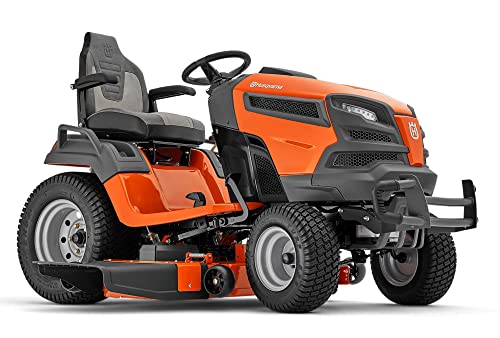
Husqvarna 24Hp 54-Inch Riding Mower

Mowrator S1 4WD 18Ah 21-Inch Remote Mower
BLACK+DECKER MTE912 3-in-1 Corded Lawn Tool

Scotts 2000-20S 20-Inch Push Reel Mower
Mowrator S1 4WD 12Ah 21-Inch Remote Mower

Mowrator S1 4WD 18Ah 50-Degree Slope Mower
A Deeper Look At The Lineup
For a large property with sloped sections, this is the only conventional riding mower in the lineup. Its 54-inch deck reduces the number of passes across an expansive lawn, while the 24-horsepower engine provides the power level expected from a garden tractor rather than a compact mower.
The dash-operated differential lock helps a tire turn at different rates, improving directional control where loose ground could cause uneven traction. For most broad acreage, that combination makes more sense than steering a remote machine around the same terrain.
What Helps Most
- The 54-inch deck covers more grass per pass than every walk-behind option here.
- Differential lock supports controlled movement on uneven or sloping ground.
- Riding access suits expansive lawns where walking behind a mower would be tiring.
Practical Considerations
- A tractor-sized machine needs storage clearance and enough turning room at the slope edge.
- Wet grass increases wheel slip, so mowing during drier conditions is the sensible ownership habit.
Key Specs
Made For
You’ll benefit most with a large, uneven property and a clear path for a full-size riding mower.
Where Another Pick Shines
The Mowrator S1 4WD 18Ah 50-Degree Slope Mower suits tighter access where a 54-inch tractor cannot maneuver.
Remote control changes the job on a slope because you can guide the machine without walking directly behind its wheels. This S1 combines four-wheel drive, a 21-inch deck, an 18Ah battery, and a stated 37-degree climbing capability for a useful mix of traction and access.
Optional attachments extend its role beyond warm-season mowing, including leaf mulching, towing, and snow work. Compared with the Husqvarna’s 54-inch mower, it gives you much finer maneuvering in confined yards, depending on the terrain and boundary layout.
A Strong Showing
- Remote operation keeps you away from the moving deck and steep downhill path.
- Four-wheel drive supports traction across uneven yard sections.
- The 21-inch deck balances useful coverage with manageable storage size.
- Optional seasonal attachments broaden its yard-care role.
Points To Note
- Battery charging and remote-control range become part of your mowing routine.
- Attachments may require separate assembly and storage.
The Right Fit
This mower suits owners of sloped, confined properties who want remote guidance and optional all-season tasks.
Another Choice May Suit
The Scotts 2000-20S 20-Inch Push Reel Mower better serves small, level lawns where power and remote controls aren’t needed.
A full-size riding tractor is often too much machinery for a compact patch, and that’s where this corded MTE912 makes more sense. The 12-inch mower handles yards up to 750 square feet, according to the supplied product information, while conversion to a trimmer or edger helps manage boundaries.
The deck adjusts to different cutting heights, which matters as grass growth changes during the season. You’ll also need a dependable outdoor outlet and cord route, particularly around a slope where extension cords must stay dry and clear of the cutting path.
Good Reasons To Consider
- The combined mower, trimmer, and edger design reduces tool clutter.
- A compact 12-inch deck reaches narrow beds and awkward lawn sections.
- Height adjustment helps match cutting conditions to seasonal growth.
Small Caveats
- It isn’t designed for broad acreage or genuinely steep riding-mower terrain.
- The cord limits reach and requires careful routing to avoid pulling or snagging.
- Task changes add handling steps compared with a dedicated single-purpose tool.
Quick Facts
Best Suited To
This option favors apartment-style lawns, small gardens, and owners with an accessible outdoor outlet.
Look Elsewhere When
The Husqvarna 24Hp 54-Inch Riding Mower is the more suitable choice for a large sloped property.
The Scotts model takes a quieter, simpler route: no engine, battery, or extension cord. Its five-blade reel cuts a 20-inch path, while dual 10-inch wheels help guide the mower. That makes it an economical fit for a small, relatively level lawn where you prefer a straightforward manual tool.
Height adjustment ranges from 1 to 3 inches, giving you a useful span for different lawns and seasonal growth. The catch is traction on uneven ground, since you supply the forward force and the reel’s blades need clean grass to work effectively.
The Good Stuff
- Manual operation removes fuel, battery charging, and cord management.
- The five-blade ball-bearing reel supports a useful 20-inch cutting path.
- Quick-snap adjustment changes the cutting height from 1 to 3 inches.
- Wide tracking wheels add stability across an evenly maintained lawn.
Details To Watch
- It is better suited to level ground than deep slopes or rough ground.
- Tall or wet grass can snag beneath the reel, making blade and reel cleaning routine maintenance.
Feature Snapshot
Who Should Grab It
You’ll appreciate this mower on a compact, level lawn without nearby cords or complex terrain.
Reach For A Different Pick When
The Mowrator S1 4WD 18Ah 21-Inch Remote Mower better handles a substantially steeper yard.
This 12Ah version keeps the same four-wheel-drive approach, remote guidance, 21-inch deck, and stated 37-degree slope capability as the larger-battery S1. That lower battery specification may make sense for a moderate yard where full extended mowing sessions aren’t the everyday requirement.
For a steep garden that’s too confined for the Husqvarna, remote steering avoids much of the downhill walking problem. The MTE912 remains lighter and simpler, but its cord and small deck offer no comparable ability to manage a rugged incline.
A Favorable Mix
- Four-wheel drive supports movement across moderate sloped terrain.
- Remote control keeps you away from the deck’s downhill path.
- The 21-inch width offers more coverage than the BLACK+DECKER tool.
Possible Compromises
- The 12Ah battery may demand more frequent charging than the 18Ah models.
- Its 37-degree specification falls short of the S1 model listed with 50-degree capability.
- Rough, wet ground can still reduce traction despite the drive system.
Built With In Mind
This mower suits cost-conscious owners of moderately sloped yards that need remote access rather than riding capacity.
A Better Fit Elsewhere
The BLACK+DECKER MTE912 3-in-1 Corded Lawn Tool is simpler for a small, level lawn near an outlet.
Among the remote-controlled choices, this S1 stands apart for its stated 50-degree slope capability and grip-focused tread configuration. The 21-inch deck still provides a practical cutting width, while the 18Ah battery supports remote mowing without a cord crossing the working area.
For very steep properties, that specification makes it a closer fit than the 37-degree models. You still need a safe operating plan because traction capability doesn’t remove the risk of wet vegetation, holes, or sharp grade changes.
Strong Points
- The stated 50-degree rating targets the most severe slopes in this lineup.
- Four-wheel drive and grip-focused tires emphasize traction and control.
- An included 21-inch mulching blade supports lawn mowing and leaf processing.
- The remote format is useful for navigating narrow or uneven access routes.
Trade Offs To Consider
- Remote operation and slope travel demand careful route planning.
- Battery and undercarriage cleaning become regular maintenance tasks.
- The 21-inch deck remains narrower than the Husqvarna’s 54-inch option.
Technical Highlights
Who Will Love This
You’ll benefit most on a steep, confined property where remote guidance matters more than broad-deck speed.
Skip It When
The Husqvarna 24Hp 54-Inch Riding Mower is more practical for expansive acreage with wider paths.
Matching The Mower To The Grade
Slope rating deserves attention before deck size. Four-wheel drive helps the wheels maintain traction, while a remote control system changes where you stand during operation. Measure your steepest sustained section rather than relying only on the occasional rise near a fence.
Turning room is equally important on an incline. A 54-inch riding mower covers broad lawns efficiently but needs substantial space to swing around. The 20- and 21-inch alternatives maneuver through tighter layouts, although more passes may be required.
Power And Control
Riding power helps carry a mower through dense grass and reduce strain on a wet slope. Remote-controlled robotic mowers offer a different advantage: you can guide the machine without walking directly behind its deck, which may feel more comfortable on a pronounced grade.
Ground Conditions
Soil type changes the equation. Loose soil, holes, rocks, and standing water can defeat traction regardless of the stated capability. Owners commonly need to inspect the route first, mow drier grass, and clear obstacles before sending any powered mower uphill.
Storage And Upkeep
A riding tractor requires more floor space, while cordless remote mowers need a protected battery and charging location. Reel mowers demand less storage and no charging, yet owners should clear trapped grass and leaves from the cutting reel regularly.
Common Sense Choices For Slopes
Mistakes Worth Dodging
Ignoring the steepest part of your lawn can lead to a disappointing choice. Measure access points, overhead clearance, and turning space before focusing on cutting width, and keep electrical cords or optional mower accessories out of the travel path.
What The Higher Tier Buys
Higher-capacity equipment generally adds cutting width, traction hardware, steering control, or battery runtime. Those upgrades matter most on large or severe properties; a small, level lawn may need none of them, so paying for extra capability can simply mean storing a larger machine.
Frequently Asked Questions For Hillside Riding Mowers
What slope rating is safe for a riding mower?
Use the manufacturer’s slope guidance and keep the mower on dry, stable ground. A stated capability doesn’t account for every hole, soft spot, or wet patch.
Is four-wheel drive necessary on a hillside?
Four-wheel drive can improve traction across uneven ground. It remains important to inspect the route and mow during drier conditions.
Are robotic mowers better than riding mowers on slopes?
Robotic mowers offer remote control and compact storage. Riding mowers usually provide wider decks and faster coverage across large acreage.
Can a reel mower handle uneven terrain?
Reel mowers work best on relatively level lawns because you provide the forward force. Rough ground can make steering and blade performance less predictable.
Should I choose a wider or narrower deck?
Choose a wider deck for broad acreage and adequate turning space. A narrower deck suits confined properties with more obstacles and access limits.
Final Verdict
Your best choice depends on lawn size as much as incline. The Husqvarna leads for broad properties with a full-size access path, while the three Mowrator S1 options serve confined slopes with varying battery and climbing specifications. The BLACK+DECKER and Scotts models belong in smaller, more manageable spaces rather than competing as full-size hillside tractors. Match the machine to the actual grade, then give storage and maintenance equal weight in the decision.
