

A useful hiking monocular needs to balance magnification, portability, and a view wide enough to spot wildlife or distant landmarks without slowing your pace. A 10x model fits spontaneous trail walks, while variable and digital options suit camping, open country, and darkness. These picks also include binocular and spotting-scope alternatives for people who want a steadier, wider view.
An Overview Of The Picks

10×25 Compact Binoculars

ELGOTAN 10-30×50 Monocular

M MIXIO 20-60×80 Spotting Scope

Adasion 12×54 Monocular
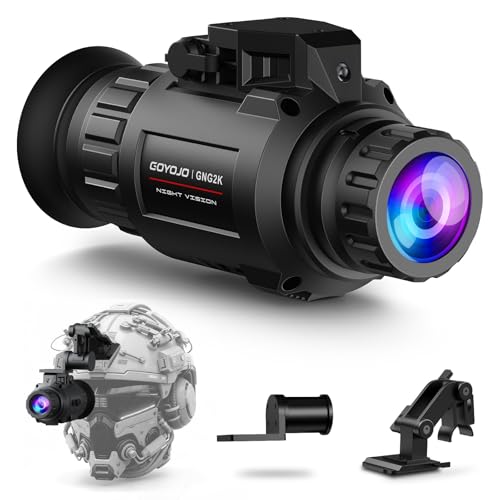
GOYOJO GNG2K Night Vision Monocular
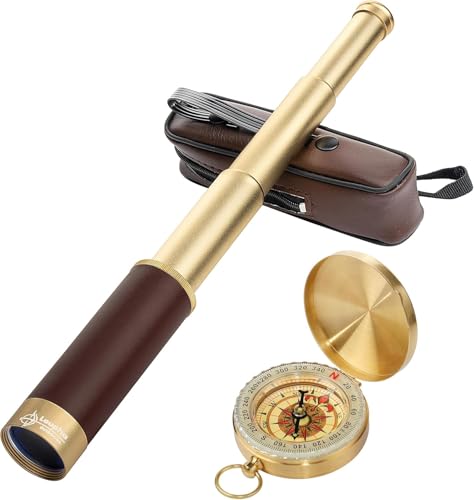
Laupha Retro 25×30 Pirate Telescope
Meet The Standout Selections
These 10×25 binoculars prioritize a small housing and two-eye comfort over long-range reach. A BAK4 prism, which folds light through a higher-grade glass type, and fully multi-coated lenses support the view, while the 25mm objective lenses keep the overall package compact for family outings.
The shockproof armored shell and nonslip grip suit children learning to scan a trail and adults watching birds from moving positions. Compared with the ELGOTAN 10-30×50 Monocular, this model offers a more natural wide view, but it isn’t actually a monocular, and 10x magnification may feel modest across open country.
Real Benefits
- The 10x magnification offers an easy starting point for wildlife and landscape viewing.
- Two 25mm objective lenses produce a compact setup that suits children and casual hikers.
- The nonslip grip helps steady the binoculars during extended observation.
- Armored housing offers practical protection for bumps, drops, and trail wear.
- The same viewing power works for indoor events, cruises, sports, and theater performances.
Small Caveats
- The 10x setting is less useful for small, distant subjects than the variable ELGOTAN model.
- Owners of compact optics commonly need careful lens cleaning and a protective case to prevent scratches.
Quick Facts
Family Friendly
This model fits families, children, and casual hikers who value portability and a comfortable two-eye view.
Consider Something Else When
Scanners who need adjustable reach should choose the ELGOTAN 10-30×50 Monocular instead.
Variable magnification makes this monocular more adaptable than a fixed 10x setup. You can scan the landscape at 10x, then increase the view to 30x for distant birds, ridgelines, and trail features without carrying two optics.
The 50mm objective lens gathers more light than the M MIXIO 10×25 Binoculars, which matters near dawn and dusk. For moving hikes, 10x remains the more practical setting, and the reported 360-foot field of view at 1,000 yards will feel narrower as you zoom in.
Well-Handled Touches
- The 10x to 30x range covers both landscape scanning and distant detail.
- A 50mm objective provides a useful balance of light gathering and portability.
- Multi-coated optics support viewing in subdued outdoor light.
- Single-eye construction keeps packing space small for camping trips.
Points To Keep In Mind
- Higher magnification can make small hand movements more noticeable.
- At 30x, distant subjects may shift rapidly across a relatively narrow view.
- Lens caps and a soft pouch remain worth adding to your kit for storage on rough trips.
Technical Highlights
Made For
Hikers, campers, and wildlife watchers who want one adjustable optic for both broad and distant views.
A Better Fit Elsewhere
The M MIXIO 10×25 Compact Binoculars suit people who prefer a wider shared view and two-eye comfort.
A spotting scope is a different tool from a handheld monocular, and that difference matters at a viewpoint or across a lake. The 20x to 60x range reaches farther than the ELGOTAN’s 30x ceiling, while the 80mm objective supports a more light-oriented setup for shaded or late-day observation.
The included tripod is the decisive part. It holds the scope steady, reducing the shake that grows with magnification, and the phone adapter can frame distant subjects for records or group viewing. You may find that carrying and setting up the kit takes more effort than carrying a monocular on a moving trail.
A Favorable Mix
- Variable 20x to 60x magnification provides substantial reach for distant subjects.
- The 80mm objective favors light gathering during dim outdoor viewing.
- A tripod improves steadiness at the magnification levels that need it most.
- The included carrying bag supports transport between campsites and overlooks.
- A phone adapter makes this scope more useful for shared viewing sessions.
Possible Compromises
- The tripod and carrying bag add more gear than a single handheld monocular.
- A 1,000-meter field-of-view claim needs careful interpretation because usable width changes with magnification.
- Very fine details may be harder to hold in place without a solid tripod head.
Right Fit For
Stationary observers and campers who value long-distance detail more than a pack-light walking setup.
Another Choice May Suit
Fast hikers should choose the ELGOTAN 10-30×50 Monocular for quicker deployment on the move.
The 12×54 monocular lands between the fixed M MIXIO binoculars and the more variable ELGOTAN. Its 12x setting offers more reach than a standard 10x optic, while the 54mm objective gives you a larger light-gathering lens for birds, distant trails, and changing outdoor light.
The included tripod is useful at scenic stops, and the phone adapter adds another way to frame a distant view. As a hiking tool, though, 12x demands a steadier hold than 10x, so the support may earn its space more often during pauses than while walking.
Positive Takeaways
- 12x magnification helps reveal small subjects across open terrain.
- The 54mm objective supports brighter views than smaller everyday optics.
- BAK4 prism optics are designed to improve image clarity.
- The supplied tripod steadies the view during landscape observation.
- A carrying bag and phone adapter create a more complete trail kit.
Minor Gripes
- 12x is less forgiving than 10x for scanning while walking.
- The bundle takes more pack space than a standalone monocular.
Feature Breakdown
Who Will Love This
Birders and landscape-focused hikers who prefer a bundled setup and moderate long-range magnification.
Look Elsewhere When
People who need adjustable magnification should choose the ELGOTAN 10-30×50 Monocular instead.
Daytime glass magnifies reflected light, while this digital model is built for scenes the eye struggles to read after sunset. Its listed 2688-by-1520 resolution and 60Hz refresh rate target a detailed view with smoother motion, making it a different tool from the glass M MIXIO spotting scope.
Four color modes and a 940nm infrared channel give you several ways to adjust the display, while helmet mounting supports hands-free setups. Treat electronics as the most demanding part of the kit: owners commonly protect them from moisture, impact, and long storage with a padded case.
Practical Advantages
- The 2K-listed display provides more digital detail than a basic low-light tube.
- A 60Hz refresh rate targets smoother movement during observation.
- The stated 0.0001-lux sensor is designed for extremely dim scenes.
- Four color modes let you adjust the display for changing conditions.
- Helmet mounting can reduce the need to hold the unit during extended viewing.
Things That May Matter
- Digital night vision adds weight, controls, and battery management to a trail kit.
- Helmet mounting may not suit anyone without a compatible stable head mount.
- Storage near a charged battery left in the device can shorten battery life.
Built With In Mind
Night-focused campers and outdoor spotters who value adjustable digital modes more than compact daytime optics.
Swap It Out When
Your daytime needs dominate, and the M MIXIO 20-60×80 Spotting Scope offers a more suitable optical setup.
Style leads with this collapsible pirate-themed monocular, which pairs a gold-tone aluminum body and leather-covered grip with a small compass. It feels more like a playful travel accessory than a serious birding scope, but that character suits children, themed gifts, and casual sightseeing.
The listed 25x magnification makes distant landmarks appear closer, although hand movement at that level may need careful control. Compared with the Adasion 12×54 Monocular, this option offers a stronger themed presentation and greater stated zoom, yet fewer practical viewing accessories.
Reasons It Performs
- The collapsible body fits easily into a small travel bag or pocket.
- A leather-covered grip adds comfort and visual character.
- 25x magnification gives casual observers a noticeable distance boost.
- Blue-coated 30mm lenses provide a decorative, focused viewing experience.
Trade Offs To Consider
- The 25x setting can make a handheld view sensitive to small movements.
- The compass is a supplementary feature, not a reason to rely on it for navigation.
- The leather covering and gold-tone finish need careful storage to avoid cosmetic wear.
- Serious wildlife observation is better served by the Adasion model.
Core Details
Who Should Grab It
Families, children, and travelers who want a memorable vintage-style viewing accessory more than a specialized field optic.
Where A Sibling Pick Shines
Focused birders should choose the Adasion 12×54 Monocular for its practical tripod-and-bag setup.
Choosing a Monocular That Fits the Route
Magnification is only one part of a useful trail optic. A monocular combines an eyepiece and objective lens in a single body, which saves pack space but leaves you with a narrower view than two-eye binoculars. Match the tool to how much you move and how small the subjects tend to be.
Start With Stable Magnification
A fixed 10x setting is the easiest place to begin because moderate zoom makes distant subjects larger without demanding the control required at 25x or 60x. The M MIXIO 10×25 Binoculars are a useful two-eye alternative for families, while the Adasion model offers 12x for more detail at scenic stops.
Consider variable magnification for mixed landscapes where you may alternate between open scanning and distant ridgelines. The ELGOTAN model provides a 10x to 30x range, but the higher end narrows the view, so choosing the right setting remains part of the experience.
Balance Portability and Support
Handheld monoculars suit moving hikers because you can raise them quickly without assembling equipment. A tripod-equipped scope is more useful across a lake or from a fixed overlook, where steady observation matters more than compact storage. The M MIXIO spotting scope also includes a carrying bag and phone adapter, which can simplify campsite transport and shared viewing.
Match Light Levels to the Time of Day
Multi-coated lenses help conventional optics manage reflections, while a larger objective lens generally supports dimmer conditions by gathering more light. Digital night vision serves a different purpose entirely, giving you display modes and infrared illumination after dark, but it introduces batteries, controls, and storage demands.
Practical Checks Before You Pack
Mistakes Worth Dodging
Choosing a number too large can make small subjects harder to center. Check the listed weight, included case, tripod requirements, and storage needs before committing, especially for a day hike where every accessory must earn its space.
Frequently Asked Questions
What magnification is best for hiking?
Magnification around 10x works well for general trail use. Higher settings can help with distant subjects, but they are usually less comfortable to hold steady.
Are monoculars better than binoculars for hiking?
Monoculars take less pack space and are convenient for quick scanning. Binoculars provide a wider, more natural two-eye view, which many people prefer for birding and scenic walks.
What lens size is useful in low light?
A larger objective lens can gather more light, making a 50mm or 54mm design more useful around dawn or dusk. Actual visibility also depends on coatings, prism quality, and the surrounding conditions.
Can I use a phone adapter with a monocular?
Phone adapters can help you frame distant subjects, but alignment varies by model. Check that the adapter fits the eyepiece and your phone before a trip.
How should I store a hiking monocular?
Keep it dry, protect the lenses from impact, and store it in the supplied case. Remove batteries from electronic models during long periods of storage when practical.
Final Verdict
Your best fit depends on the pace of your hike. Choose a 10x compact binocular for casual family viewing, a variable monocular for mixed distances, a tripod scope for stationary observation, or digital night vision for dark campsites. The Laupha telescope adds personality rather than specialized performance, so treat it as a fun travel accessory. Check the carrying weight, viewing needs, and storage details before the trail decides for you.
