

Choosing patio flooring is less about finding a dramatic material and more about creating a surface that fits the way you use your outdoor space. Porches, balconies, pool areas, walkways, play zones, and small patios each put different demands on drainage, traction, weight, maintenance, and appearance. The right choice can make a familiar area feel more usable without requiring advanced construction skills, while the wrong one may leave gaps, trapped water, or uneven surfaces.
Start with the space, expected foot traffic, and the look you want to create. Interlocking tiles suit quick weekend projects, rubber pavers work well for garden paths and play areas, and thicker surfaces make sense where cushioning matters. You’ll find the most useful options below, with both the strengths and the compromises spelled out.
How The Shortlist Stacks Up

NewTechWood Quick Deck Composite Inside Corner Trim
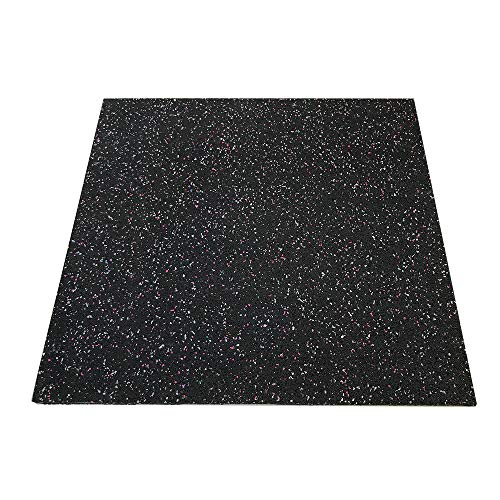
RevTime Anti-Vibration Rubber Mats 28 x 28, 5/8 Inch

Fegherug Interlocking Plastic Deck Tiles, 12 x 12, Brown
jxgzyy Interlocking Outdoor Patio Tiles, 12 x 12, Gray Slate
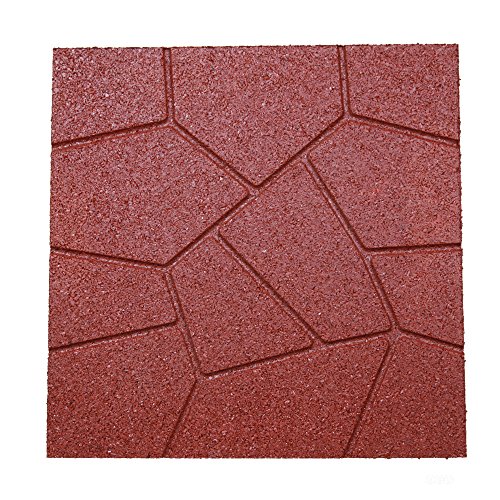
RevTime Dual-Side Garden Rubber Paver 16 x 16, Red

RevTime Interlocking Outdoor Rubber Tiles 20 x 20 x 1 Inch
More On The Choices That Made The List
NewTechWood’s Roman Antique corner trim is a finishing piece rather than a full patio surface. It gives a Quick Deck tile layout a cleaner inside corner, especially on balconies, patios, and decks where exposed edges would otherwise interrupt the pattern. The Roman Antique color coordinates with a wood-look composite floor, and the two-piece format makes sense for completing more than one corner.
This is a specialized choice for anyone already using compatible NewTechWood tiles. Compared with the larger kits in this roundup, it solves a small but visible construction detail, which can make a carefully planned installation look more finished. You’ll still need a level base and careful alignment, since trim cannot correct a poorly prepared surface.
Positive Points
- Covers an exposed inside corner for a neater finish.
- Roman Antique coordinates with a warm wood-look tile scheme.
- Two pieces support multiple corners in one project.
- Works with the broader NewTechWood Quick Deck system.
Small Caveats
- It does not provide broad patio coverage on its own.
- Compatibility is limited to NewTechWood Deck Tiles.
- Owners still need to align the trim carefully during installation.
Built With In Mind
You’ll appreciate this trim most as the finishing touch for an existing NewTechWood tile installation.
A Better Fit Elsewhere
Fegherug Interlocking Plastic Deck Tiles are a better fit when you need a complete 12-by-12-inch flooring system rather than a corner accessory.
These RevTime mats are included because they represent a different flooring problem: reducing movement and noise beneath household or exercise equipment. Each 28-by-28-inch mat is 5/8 inch thick, and the pack includes two pieces for a total combined area of 28 by 56 inches. That footprint can support a washer, dryer, speaker, or strength-training setup where floor protection matters more than decorative appearance.
Rubber helps separate equipment from a hard floor, while the weight and thickness can reduce walking vibration and impact noise. This isn’t a conventional patio tile, so it belongs in a utility room, garage, or indoor equipment area rather than on an exposed balcony. The dark, practical finish also has a purpose beyond looks: it is less distracting in a working space.
A Strong Showing
- Substantial 5/8-inch thickness suits equipment isolation.
- Two 28-inch squares provide flexible coverage beneath machines.
- Rubber construction helps limit movement and transferred noise.
- Useful for laundry, audio, and strength-training equipment.
Practical Considerations
- Fresh rubber may carry an odor after opening and needs ventilation.
- The large pieces are heavier to position than thin tile.
- They are not a decorative outdoor flooring surface.
Home Office Pick
This is a practical fit for a laundry room, garage, or indoor workout area where equipment stability and noise control matter more than patio appearance.
Where Another Pick Shines
RevTime Dual-Side Garden Rubber Pavers are the better choice for an actual patio path or garden walking surface.
Fegherug’s 44-piece set offers the broadest coverage in the roundup, with 12-by-12-inch tiles made from a plastic-and-rubber composite. The brown finish is designed to blend into patios, porches, balconies, poolside areas, and walkways without the upkeep demands of natural wood. The interlocking edges let you assemble a surface without tools, then take it apart later for cleaning or storage.
For a sizable patio or a frequently rearranged outdoor setup, that removable format is more useful than a loose sheet of disconnected tiles. The material is described as waterproof and non-slip, with no wood grain to rot or warp. The pattern matters visually, so check the available designs carefully; the rectangular, straight-stripe, and long-strip versions create noticeably different looks.
Advantages To Know
- Forty-four tiles cover a generous area for a full outdoor project.
- Interlocking edges support tool-free assembly and rearrangement.
- Composite construction avoids the maintenance burden of real wood.
- Waterproof, non-slip material suits everyday outdoor conditions.
Points To Note
- Concrete or another stable base is still needed beneath the tiles.
- Brown composite coloring may not match natural wood tones exactly.
- The large 44-piece pack is unnecessary for a very small landing.
Feature Facts
Ready For Routine
You’ll get the most from this set on a patio or porch large enough to justify a full 44-tile layout.
Another Choice May Suit
jxgzyy Interlocking Patio Tiles offer a stone-inspired look and a smaller four-piece footprint for a compact balcony project.
The jxgzyy set brings a gray-slate, natural-stone appearance to a small outdoor installation without requiring a large stack of tiles. Four 12-by-12-inch pieces cover four square feet, making the set useful for a balcony landing, porch, garden corner, or narrow path. The snap-together edges are easy to handle, and the design lets you create a compact arrangement rather than committing to a full patio footprint.
Unlike the wood-look NewTechWood finish, this option leans toward a cool stone impression. Its waterproof, weather-resistant construction is intended to handle sun, rain, snow, and routine wear, while the interlocking layout reduces the need for tools. A smaller set does mean you may need several packs for a full terrace, and the visual effect depends heavily on a flat, clean base.
The Value In It
- Four-piece coverage suits compact patios and balcony corners.
- Gray slate styling creates a stone-like outdoor appearance.
- Tool-free interlocking assembly simplifies weekend installation.
- Weather-resistant material supports porch and garden applications.
Trade Offs To Consider
- Four square feet is small for a full dining patio.
- Stone-look tiles need a stable base for clean alignment.
- The color suits cool palettes more than warm wood themes.
Small Space Pick
This tile set is a strong fit for apartment balconies, porch landings, and small garden corners where a full-size deck would be excessive.
Reach For A Different Pick When
Fegherug Interlocking Plastic Deck Tiles are a better fit for a larger brown wood-look patio that needs broader coverage.
RevTime’s red rubber pavers are built for garden paths, patios, balconies, and other areas where a softer, flexible surface is useful. Each tile measures 16 by 16 inches, and the pack includes six pieces. That scale makes them easier to arrange as stepping stones or a continuous walkway than the very small modular tiles in the jxgzyy set.
The rubber construction is designed to be flexible, anti-slip, and anti-static, while the underside channels help move water away from the contact surface. Their red color adds a noticeable accent to a lawn, deck, or garden border. The dual-side design offers some flexibility in installation, though you should expect visible joints between individual pavers and may need to secure them in loose soil or grass.
Everyday Perks
- Six 16-inch pavers cover a useful path or stepping-stone area.
- Flexible rubber offers a softer surface than hard stone.
- Textured construction supports traction in outdoor areas.
- Red color adds contrast to lawns, decks, and patios.
Some Limits To Know
- Individual pavers can shift on uneven or very soft ground.
- The red appearance is less subtle than gray or brown flooring.
- Soil and garden debris may settle into the joints.
Where It Helps
You’ll find these pavers most useful for garden paths, backyard steps, and casual outdoor areas where comfort and easy placement matter.
Swap It Out When
RevTime Interlocking Outdoor Rubber Tiles are the better option for a larger, more continuous play or fitness surface.
These 20-by-20-inch rubber tiles are the substantial choice in the group, with a 1-inch thickness and a four-piece pack for a total 16-square-foot area. That scale is practical for a small outdoor gym, a backyard play patch, or a dedicated exercise area. The interlocking pole-connection design helps build a continuous surface, and the high-density rubber is intended to absorb impact under feet.
Unlike the smooth-looking composite tiles, this surface is porous and allows water to move through it, which can be helpful around outdoor activity areas. The micro-porous structure also makes the material feel more forgiving underfoot. The trade-off is weight: four 1-inch tiles are not easy to reposition, so plan the layout before starting and make sure the base is firm and even.
Real Benefits
- One-inch thickness provides meaningful cushioning underfoot.
- Twenty-inch tiles cover more area with fewer pieces.
- Interlocking connections support a continuous outdoor layout.
- Water-permeable rubber suits outdoor activity areas.
Details To Watch
- The thick tiles are heavy to carry and position.
- The surface may collect dirt in its granular texture.
- A full patio may require several four-piece packs.
Feature Breakdown
Outdoor Ready
This tile set suits families creating a small play area or fitness users assembling a cushioned outdoor exercise station.
Another Choice May Suit
RevTime Dual-Side Garden Rubber Pavers are easier to arrange as a decorative path than these thicker, heavier tiles.
What Matters Before You Choose Patio Flooring
Drainage and the Base
Water needs somewhere to go. Look for a surface that suits your site’s drainage and can sit on a firm, prepared base. A tile can handle rain, but it cannot compensate for a low spot that stays wet. Ask how the patio is framed, where runoff travels, and whether the surface will be raised above surrounding soil.
Materials and Appearance
Composite plastic, rubber, and stone-look materials each change the feel of a patio. Fegherug tiles suit a practical brown deck aesthetic, while jxgzyy tiles lean toward gray slate. Rubber options bring more color, flexibility, or cushioning, depending on the model. Match the finish to the rest of the space rather than choosing solely by appearance.
Maintenance and Movement
Removable interlocking tiles are easy to rearrange, but they still need a stable base. Rubber pavers may shift in soil, while thick playground tiles demand careful placement. Dirt can collect in textured rubber surfaces, so cleaning access matters. For busy family spaces, plan for occasional sweeping, rinsing, and inspection of joints.
Use and Foot Traffic
A quiet balcony has different needs from a backyard play area. Choose lighter modular tiles for appearance and simple installation, thicker rubber for cushioning, and practical pavers for paths or garden accents. Measure the area before ordering, and add extra pieces only where your layout genuinely requires them.
Key Details That Change the Fit
Mistakes Worth Dodging
Don’t count tiles without confirming the finished area. A small balcony may need several four-piece sets, while a broad patio may make one 44-piece pack more sensible. Avoid installing over soft, uneven ground, and check compatibility before buying trim or edge pieces.
What The Higher Tier Buys
Higher-tier flooring usually adds thickness, material density, finish detail, or a larger installation footprint. That spending makes sense for play areas, high-traffic patios, or a polished stone-look design. A basic tile can still be sensible for a small landing or temporary seasonal arrangement.
Frequently Asked Questions
Can interlocking patio tiles be installed without tools?
Most interlocking systems are designed for tool-free assembly, though you’ll need a stable base and careful alignment. Removal and repositioning are also generally straightforward.
Are outdoor patio tiles suitable for balconies?
Yes, provided the surface is properly supported, the balcony can handle the added weight, and drainage is suitable. Check the manufacturer’s guidance and local requirements before installation.
Which outdoor flooring is best for a poolside area?
Choose a surface with water resistance, drainage, and secure footing. Composite tiles and suitable rubber products can work, but you should confirm the installation conditions first.
Are thicker rubber tiles more comfortable?
Generally, thicker rubber provides more cushioning underfoot than thin tile. The improvement is most noticeable in play areas and outdoor fitness spaces.
Can I use these tiles on grass or soil?
Some interlocking tiles and pavers can be placed on prepared ground, but the soil must be firm and level. A proper base usually improves stability, drainage, and appearance.
Final Verdict
The best outdoor patio flooring depends on the room you’re finishing, the surface you need underfoot, and the amount of upkeep you want to manage. Choose compact stone-look tiles for a balcony, composite tiles for broader coverage, and rubber surfaces for paths, play areas, or exercise zones. Match the material to the space, prepare the base carefully, and your patio can stay useful without becoming a maintenance headache.
