

Cheap ski gear still needs to manage warmth, moisture, and uncomfortable pressure during a full day on the slopes. You’ll find sensible options here for layered clothing, cushioned socks, helmet-compatible face coverings, and flexible base layers. The key is choosing each piece for your own cold tolerance and activity level rather than assuming every budget option shares the same features.
The Choices Worth Comparing
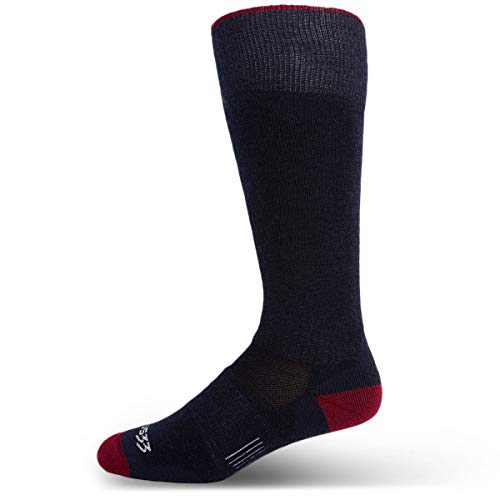
Minus33 Merino Wool Mountain Heritage Socks

Smartwool Men’s Snowboard Full Cushion Iguchi Socks

BLACKSTRAP Sock Hood Balaclava Face Mask

SPVISE Fleece-Lined Thermal Compression Pants
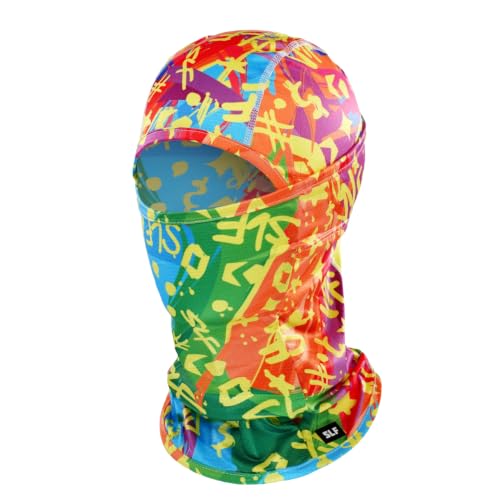
SLEEFS Loose Fit Breathable Balaclava Face Mask

Burton Performance Midweight Sock
A Deeper Look At The Lineup
Lightweight coverage makes these over-the-calf socks more versatile than bulky winter pairs. Merino wool is a natural-fiber yarn valued for regulating temperature and managing moisture, so your feet can remain comfortable through varied conditions on the mountain.
They suit skiers and snowboarders who want a taller sock without substantial padding. Compared with the Smartwool model, the Minus33 pair looks like the lighter choice, which may work better for moderate cold or anyone who dislikes dense cushioning.
Useful Strengths
- The lightweight construction can work well during spring skiing and active days that produce plenty of foot movement.
- Over-the-calf coverage pairs neatly with mid-height ski boots and adds coverage through the upper shin.
- Merino wool gives you a useful balance of warmth and moisture control for changing mountain conditions.
- The lighter density may appeal to skiers who find heavily padded socks restrictive.
Minor Gripes
- Lightweight cushioning may offer less relief than the Smartwool option during repeated chairlift pressure.
- Over-the-calf height can sit differently with boot liners, so check the fit before a full day.
- Owners commonly follow the care label closely, since washing wool-rich socks too aggressively can shorten their useful life.
Quick Facts
Made For
You’ll appreciate these socks most as a moderate-cold, high-mobility layer for skiing and snowboarding.
Where Another Pick Suits Better
Smartwool Men’s Snowboard Full Cushion Iguchi Socks suit you better when dense cushioning matters more than a lighter feel.
Snowboarders spending long sessions on hard boots may appreciate the dense cushioning here. A full-cushion profile places more material around high-pressure areas, which can reduce the feeling of bumps without calling for a technical boot upgrade.
The Iguchi pattern gives the sock a snowboard-specific identity, but the real attraction is its fit system and durability technology. For a daily rider, those practical details may matter more than the graphic; the Minus33 socks remain the lighter mobility option.
What Makes Sense
- Full cushioning adds impact support for long chairlift days and frequent landings.
- Indestructawool technology is intended to improve durability in high-wear areas.
- The four-degree fit system focuses on a close, activity-oriented shape for a snug boot feel.
- A virtually seamless toe reduces the kind of raised seam that can irritate during a long day.
Points To Note
- Full padding can feel heavier than the Minus33 pair during casual or mild-weather outings.
- The technical fit may require more attention to sock size than a looser everyday style.
- Frequent riders should air them out between uses and follow the care instructions to manage moisture and fiber wear.
Feature Snapshot
Built With In Mind
Frequent snowboarders and skiers who prioritize cushioning will likely find this the most useful pair here.
Another Choice May Suit
Minus33 Merino Wool Mountain Heritage Socks suit you better when low bulk and unrestricted movement outweigh heavy padding.
A three-panel shape makes this hood easier to compare with a conventional balaclava because it is designed around the head, neck, and helmet. You can open or reposition parts of the coverage as conditions change, which helps during chairlift queues, descents, and breaks outside.
For seriously cold mornings, the dual-layer construction gives you more substance than the loose-fit SLEEFS mask. The trade-off is a closer, more structured fit that may take a little adjustment around a helmet.
What Stands Out
- The helmet-friendly design helps preserve coverage without creating an oversized hood shape.
- A dual-layer lining provides more cold-weather substance for exposed chairlift time.
- Four-way stretch allows the fabric to move with your head and neck.
- Unisex styling gives you one practical option for skiing, snowboarding, or winter cycling.
Trade Offs
- The structured panels may feel less relaxed than the SLEEFS loose-fit balaclava.
- Your helmet shape and face proportions can affect whether the lower section seals comfortably.
- Owners generally benefit from washing the fabric regularly, as trapped perspiration can linger in a snug hood.
Right Fit For
You’ll favor this hood for cold, windy mornings when helmet compatibility and adjustable face coverage matter.
Consider Something Else When
SLEEFS Loose Fit Breathable Balaclava Face Mask suits you better for a roomier, simpler fit during high-output activities.
A close-fitting base layer gives ski pants something smooth to sit over while fleece lining adds insulation against cold conditions. Compression refers to a snug garment design intended to support a close fit, although your comfort still depends on choosing a workable size.
You can also wear these pants as warm leggings around a ski lodge, although that use may feel too warm during active climbs. Compared with the accessory-focused socks and masks, this pair fills the essential layer directly against your legs.
Strengths Worth Knowing
- Fleece lining provides warmth while the base layer remains easy to wear under outer ski pants.
- The close fit minimizes loose fabric bunching beneath heavier snow pants.
- Thermal construction makes the piece useful for both standing around and moderate movement.
- Single- and two-pack choices can accommodate preferences for replacement pairs or shared equipment.
Possible Compromises
- The fitted shape can feel restrictive during wide-legged positions on deep slopes.
- You may find fleece too warm for high-output ski touring and spring afternoons.
- Repeated use calls for washing between trips so trapped moisture doesn’t remain against your skin.
Core Details
Who It Suits Best
Men who run cold and want a fleece-lined base layer will get the most benefit from this option.
Look Elsewhere When
BLACKSTRAP Sock Hood Balaclava Face Mask offers a better fit for people whose priority is head and face coverage.
The loose fit creates room for movement and easy layering, which can be useful during cycling, football, or a busy day on the slopes. Breathability matters here because a face covering that traps heat can become uncomfortable once your activity level rises.
Compared with the BLACKSTRAP sock hood, this design looks simpler and less helmet-specific. Depending on how cold your lift rides become, you may find that flexibility more useful than dense facial protection.
Useful Touches
- Breathable fabric suits faster activities where heat can build beneath the covering.
- The roomier cut is easier to pull on over a helmet or arrange around your face.
- All-weather versatility makes it useful beyond skiing, particularly for cycling and football.
- A simple design can complement a broader winter clothing setup without a technical appearance.
Small Caveats
- Loose construction may not seal as closely around the face during exposed cold conditions.
- The design offers less structured helmet compatibility than the BLACKSTRAP hood.
- Owners should wash it after active outings, since a snug face covering can retain perspiration.
Who Will Love This
Multi-sport skiers and cyclists who value an easy, breathable fit will find plenty of practical use here.
Swap It Out When
BLACKSTRAP Sock Hood Balaclava Face Mask suits you better for colder, helmet-focused skiing.
Midweight cushioning offers a middle ground between the light Minus33 construction and the full-cushion Smartwool design. That balance can work well for skiers and snowboarders who want support without the noticeably heavier feel of dense padding.
Elastic support helps the sock remain in position, while the reduced-seam toe design targets a common source of rubbing. The material blend also includes merino wool and recycled polyester, giving you a practical mix of natural and synthetic fibers.
What Earns Its Place
- Midweight cushioning softens pressure without taking on the bulk of full padding.
- Allover elastic support helps prevent slipping during active runs.
- The chafe-fighting toe seam may improve comfort in snug ski boots.
- Merino wool and recycled polyester create a versatile fiber blend for winter sports.
Details To Watch
- Moderate cushioning may not be enough for riders sensitive to hard pressure.
- Your boot liner and toe box can change the effective fit, so sizing deserves attention.
- Allowing the blend to dry fully helps prevent odor between busy resort days.
Important Details
Whose Shelf It Belongs On
Everyday skiers and snowboarders who want moderate cushioning will find this a balanced, practical pair.
Where A Sibling Pick Shines
Smartwool Men’s Snowboard Full Cushion Iguchi Socks suit you better when maximum padding is your priority.
What Matters In A Budget Ski Layering System
Start With Your Cold Tolerance
Your skiing style, climate, and tolerance for warmth determine whether light merino, midweight cushioning, or fleece lining feels right. Cold-sensitive riders often benefit from starting with a substantial base layer, while active skiers may generate enough heat to choose lighter pieces. Overdressing can become as uncomfortable as underdressing once chairlift queues follow an active run.
Match Socks to Your Boot Fit
Lightweight socks work well for skiers seeking mobility, while full-cushion models suit frequent riders who feel pressure more strongly. Your footwear also shapes the result: narrow toe boxes leave less room for bulky seams or extra material. Try a pair before the trip, especially in a snug performance boot liner.
Check Face Covering Compatibility
A balaclava needs to fit comfortably around your head, neck, and any helmet. Structured hoods offer adjustable coverage, while loose designs can provide more airflow and easier movement. The honest read is simple: the coldest lift ride may justify more protection, while steep descents reward breathability.
Think About Your Pack Size
A one- or two-pack choice is more useful than a crowded drawer full of near-identical layers. Fleece-lined pants may need careful folding to stay smooth, while fitted socks and balaclavas take up very little room. Packing one extra layer also gives you room to adjust warmth as the forecast changes.
Avoiding Costly Layering Regrets
Common Shopping Slip Ups
A bargain layer looks cheap only until it bunches, rubs, or traps moisture on a busy day. Check boot compatibility, face coverage, and fabric weight before ordering. Mixed material labels and missing size details can also make a low-cost choice harder to judge.
What Separates Premium From Basic
Premium pieces usually spend more on refined fit, stronger stretch, better seam placement, and durability-focused yarns. The extra spending can be worthwhile for frequent riders, harsh conditions, or anyone prone to pressure and rubbing. For occasional trips and moderate cold, a basic item may provide enough function without a layered construction.
Frequently Asked Questions
Is Merino wool good for skiing?
Merino wool can help regulate temperature and manage moisture during a long day. You’ll get the most benefit when the sock also fits your boot without creating bulky pressure points.
Are thick ski socks always better?
More cushioning can improve comfort for riders who feel pressure, but it isn’t ideal for everyone. Lightweight or midweight socks may fit better for active skiers with narrow boots or higher heat production.
What type of balaclava works with a helmet?
A close-fitting, stretchy model with adjustable coverage usually works well around a helmet. You’ll need enough room for the hood without leaving a large gap around your face.
Should thermal leggings be worn under ski pants?
A thermal base layer gives you additional warmth and a smoother layer beneath your outer pants. The SPVISE option may be excessive for warm spring skiing, so match its fleece lining to your cold tolerance.
How many ski accessories should you own?
Your boot fit, climate, and activity level determine the right amount. A dependable sock pair and adjustable face covering often solve more daily problems than several near-identical accessories.
Final Verdict
Start with the layer your current setup lacks most. Choose lightweight or midweight socks for balanced mobility, full cushioning for pressure sensitivity, and a face covering that works with your helmet. Match thermal pants to your cold tolerance rather than their marketing category. Cheap Ski Gear works best as a coordinated system, with each piece handling one clear job.
