

A capable kit starts with tools that serve a clear purpose. A fixed blade handles detailed cutting, reflective cord supports camp tasks, pace beads help you track distance, and a compact saw takes on small branches. These choices suit backpackers, hikers, gardeners, and beginners assembling a practical field kit.
An Overview Of The Picks

ESEE Izula Fixed Blade Knife Survival Kit
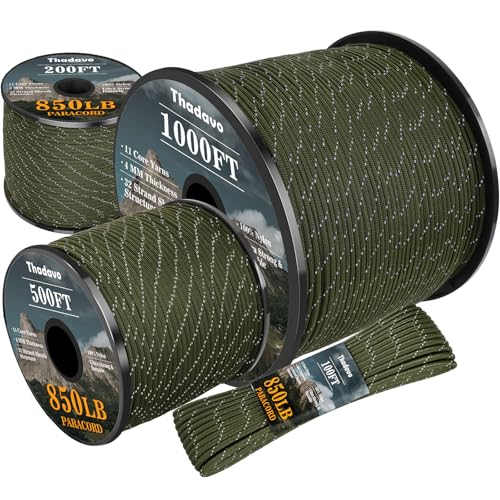
Thadavo Reflective Paracord Rope 500FT

Coopers Bay Pace Count Beads
Thadavo Reflective Paracord Rope 100FT

Tietoc 6 Inch Cordless Mini Chainsaw
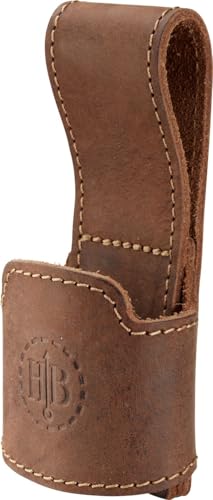
Hults Bruk 840795 Axe Holster
Meet The Standout Selections
Cutting tasks call for a blade that stays simple and dependable, and the Izula follows that approach with a fixed design. Its black finish and grey Micarta handle give you a sober appearance suited to hunting, fishing, and general trail work, while the survival kit makes the package easier to organize.
Unlike Thadavo’s cord, which shares the load across several camp tasks, this knife concentrates on controlled cutting. For experienced hikers, the molded plastic sheath and clip plate offer a sensible carry system, though you’ll still need sound knife handling and an appropriate sheath arrangement.
Notable Upsides
- The fixed-blade format suits detailed camp and trail cutting.
- Micarta provides a textured, practical handle material.
- The included sheath and clip plate support organized carry.
- The survival kit adds useful equipment to the package.
Things To Consider
- A fixed blade needs more deliberate handling and storage.
- The source gives no blade-length information for comparison.
Key Specs
Who It Suits Best
It best suits experienced hikers and hunters who want a dedicated fixed-blade tool for routine field tasks.
A Better Fit Elsewhere
Coopers Bay Pace Count Beads suit campers who prioritize navigation and step counting rather than cutting.
Campers often need one material that can secure a shelter, reinforce a pack, or handle an improvised repair. This 500-foot roll fills those roles with a 4 mm reflective cord built around an 11-strand core and a braided outer sheath. A sheath is the protective outer layer, while the inner strands can be separated for smaller jobs.
Compared with the 100-foot version later in this list, this roll is better suited to group camps or projects that consume cord quickly. The stated 850-pound minimum breaking force describes a substantial load capacity, but knots, abrasion, and sharp edges can reduce real-world performance, so dependable setup remains important.
A Strong Showing
- The 500-foot length supports shelters, repairs, and group tasks.
- Eleven removable inner strands provide smaller pieces when needed.
- Reflective material adds visibility around camp.
- The 4 mm diameter suits many common camp tie-down jobs.
- The stated load rating supports demanding utility applications.
Practical Considerations
- The long roll takes more pack space than the 100-foot option.
- Exposed inner strands can tangle during long-term storage.
Feature Snapshot
Built With In Mind
It best serves family camps, DIYers, and hikers who expect to use substantial quantities of cord.
Swap It Out When
The Thadavo Reflective Paracord Rope 100FT better fits backpacking setups where pack volume matters more than cord quantity.
Distance tracking doesn’t require a screen or a power source. These pace-count beads move one bead at a time, turning walking steps into a repeatable count for map-and-compass travel. For a beginner learning manual navigation, that visible system is refreshingly direct.
The cord is described as rot-resistant nylon, paired with plastic beads, which suits regular trail exposure and compact storage. Still, beads reflect your chosen step length rather than automatically measuring ground distance, so you may need to calibrate the count against a known route before relying on it.
The Upside
- No batteries or electronics are required.
- The counting method is easy to practice and teach.
- The compact tool fits easily into a navigation kit.
- Physical counting remains available without power.
Small Caveats
- Uneven terrain can reduce counting accuracy.
- Stringing loosens over time, so periodic checks help.
- It supplements rather than replaces a map and compass.
- Long cords may tangle during hurried packing.
Made For
It best suits beginners and map-and-compass learners who want a simple way to track travel distance.
Another Choice May Suit
The ESEE Izula Fixed Blade Knife Survival Kit better fits field users whose priorities center on cutting rather than navigation.
Backpackers often prefer carrying less mass and fewer bulky accessories, so the 100-foot roll offers a more compact cord option. It retains the same 4 mm diameter, reflective construction, 11-strand core, and stated 850-pound minimum breaking force as the longer version.
That makes it a sensible fit for emergency repairs, light camp tasks, and a personal kit. The shorter length reduces leftover cord, although group shelters or repeated repairs may exhaust it sooner than the 500-foot roll.
The Value In It
- Compact length suits smaller backpacking kits.
- Reflective construction helps improve camp visibility.
- Separate inner strands support smaller repair tasks.
Worth Noting
- Heavy friction can fray the exposed cord surface.
- Repeated knot tension can reduce usable length.
Quick Facts
Right Fit For
It best suits solo hikers and backpackers who want cord capacity without carrying a large roll.
Look Elsewhere When
Thadavo Reflective Paracord Rope 500FT suits group camps and larger projects that require more material.
A six-inch cutting bar makes this a focused garden tool rather than a full-size forestry saw. The cordless layout removes a trailing power cable, which is useful around a yard, campsite, or storage shed where open space is limited. Its 880-watt motor, manganese steel chain, and automatic oiling system support routine trimming work.
For most backyards, the main appeal is handling small branches without reaching for a full-size chainsaw. You still need to account for the battery, charger, chain condition, and the size of the material, because the source doesn’t provide runtime or maximum cutting-capacity details.
What It Does Well
- The six-inch bar targets small branches and limbs.
- Cordless operation avoids managing a power cable.
- The 880-watt motor provides a stated cutting input.
- Automatic chain oiling supports routine maintenance.
Possible Compromises
- Run time depends on the included battery.
- Cleaning resin from the chain takes maintenance.
The Details
Whose Shelf It Belongs On
It best suits homeowners and weekend gardeners who trim small branches near a yard or campsite.
Where Another Pick Shines
The ESEE Izula Fixed Blade Knife Survival Kit better fits detailed hand-cutting tasks that don’t require a powered chain.
Carrying an axe on a belt calls for organization, and this holster keeps that tool positioned close to your body. It’s made for routes where an axe may handle small wood-processing tasks, although the axe itself isn’t included. Full-grain, vegetable-tanned leather gives the holster a substantial, natural-looking material that should fit a traditional outdoor kit.
Compared with the compact Tietoc 6 Inch Cordless Mini Chainsaw, the holster takes a quieter, more traditional approach. For regular use, keep the axe covered while it’s carried and check the belt attachment, leather fit, and stitching before heading into remote terrain.
Practical Pluses
- The design keeps an axe close during carry.
- Full-grain leather suits traditional tool organization.
- Vegetable tanning supports a classic natural finish.
Points To Keep In Mind
- The axe and protective sheath are not included.
- Leather needs occasional inspection as it wears.
- Comfort depends on the belt and fit.
Who Will Love This
It best suits traditionalists and experienced hikers who already carry a compatible axe.
Reach For A Different Pick When
Thadavo Reflective Paracord Rope 100FT better fits a compact kit centered on camp ties and emergency repairs.
Choosing Tools That Earn Their Pack Space
Start with your normal route and the tasks you actually perform. A knife supports cutting, cord secures and repairs, pace beads support navigation, a mini saw handles small branches, and an axe holster organizes a tool you already carry. Choosing by use prevents a kit from becoming a collection of overlapping accessories.
Match the Tool to the Task
A fixed blade offers focused cutting capability, while a small chainsaw suits thicker, repetitive trimming. Cord and a holster solve different problems entirely: one supplies tie-down material, while the other positions an axe. Think about which task causes the most friction in your routine.
Check Weight and Pack Shape
Long cord rolls take up more space than a 100-foot version, although the stated cord data does not include a weight figure. Compact items such as pace beads or a corded chainsaw may suit a mobile setup, but batteries, sheaths, and protective cases add bulk. Dry storage and accessible placement matter during a long day outside.
Consider Skill and Maintenance
A fixed blade and axe demand deliberate handling, particularly for inexperienced users. Pace beads require a consistent step and regular string checks. The mini chainsaw adds chain cleaning, lubrication, and battery charging to your routine. Choose the tool whose ongoing care fits your experience.
Practical Details That Shape Field Use
Mistakes Worth Dodging
Don’t select a tool only because its capacity sounds impressive. A larger cord roll can crowd a compact pack, and extra cutting capacity may exceed what a route requires. Match the tool to the wood, distance, and tasks you expect, then check storage and maintenance needs before packing it.
What Separates Premium From Basic
Higher-cost choices may add capacity, refined materials, or specialized construction. A longer cord roll offers more material, vegetable-tanned leather provides a distinctive finish, and a battery saw trades manual effort for charging and chain care. The right upgrade is the one that removes a real problem in your routine.
Frequently Asked Questions
What is the most useful bushcraft tool for a beginner?
Pace beads offer one of the easiest introductions because they require no battery or complicated setup. A fixed blade can also be useful once you learn sound handling and storage.
Is paracord enough for a camping shelter?
Paracord can support many tie-down and repair tasks, but shelter design and local conditions affect the setup. The stated breaking force does not account for knots, abrasion, or damaged cord.
Can a mini chainsaw cut larger branches?
A six-inch bar is primarily suited to smaller branches. Confirm the branch dimensions and consult the manufacturer’s current instructions before attempting a cut.
How do pace-count beads work?
You move a bead for each counted step along the cord. Because your stride changes, calibrate the count against a measured route before using it for navigation.
Is an axe holster worth carrying?
It makes sense for experienced users who already carry an axe and want organized belt access. The holster does not include the axe or its protective sheath.
Bottom Line
Choose the Izula for focused cutting, the pace beads for manual distance tracking, or a Thadavo roll according to your cord volume. The Tietoc saw handles small branch work, while the Hults Bruk holster supports established axe-carry routines. Build around your route and tasks rather than a generic checklist.
