

A boat grill has to balance useful cooking space with a secure, manageable footprint, and that changes everything from a backyard barbecue. The right setup suits the size of your vessel, the fuel you prefer, and whether cooking for two or a small group. These options cover charcoal, single-burner propane, dual-burner gas, and rod-holder designs for trips ranging from quiet coves to busy family outings.
The Picks In Brief
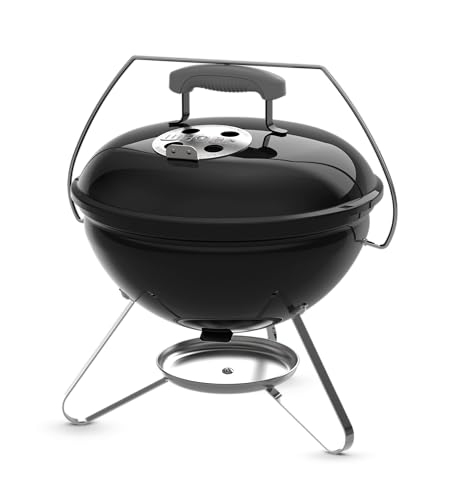
Weber Smokey Joe 14-Inch Portable Charcoal Grill

ONDAQUA 304 Stainless Steel Rod Holder Grill

ONDAQUA Rod Holder Boat Grill

Innochef Foldable Tabletop Charcoal Grill

ROVSUN 2 Burner Portable Propane Grill
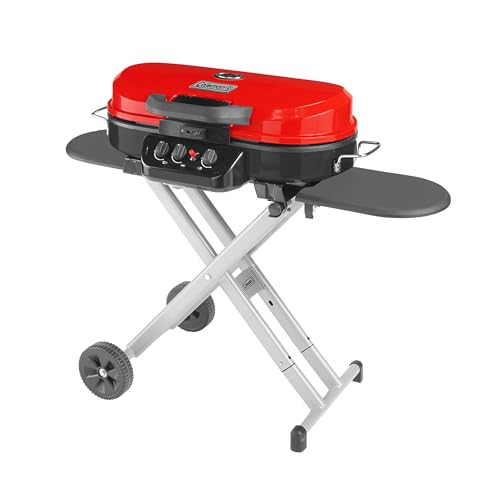
Coleman RoadTrip 285 Propane Grill
The Picks, Examined More Closely
For solo cooks, couples, and anyone working with limited deck space, the 14-inch Weber Smokey Joe keeps the cooking footprint pleasantly small. Its familiar kettle shape suits a weekend on a pontoon boat, while charcoal brings the kind of live-fire flavor that propane models cannot duplicate.
The lid lock is more useful than it initially sounds because it helps keep the lid connected during transport. You still need a stable place to set the hot grill, and the stated capacity of two to four people makes this a lunch-and-dinner option rather than a large-group centerpiece. The ONDAQUA rod-holder choices offer more surface area for a busier group.
Useful Highlights
- The compact 14-inch bowl fits easier into small deck layouts than a full-size kettle.
- Charcoal cooking gives you control over the live-fire flavor of burgers, sausages, and vegetables.
- The lid lock reduces loose parts while the grill is being carried between storage and cooking areas.
- Its stated two-to-four-person capacity suits couples, families, and small fishing groups.
Points To Note
- Charcoal takes time to heat and creates ash that needs careful disposal after cooking.
- It is not rod-holder mounted, so you need a separate stable surface.
- Cooking for four may be workable, but a larger group can overwhelm the small bowl.
Who It Suits Best
This grill fits couples, solo cruisers, and small-boat owners who prioritize compact storage and charcoal flavor over high capacity.
Another Choice May Suit
For a family-sized meal in a fixed marine location, the ONDAQUA 304 Stainless Steel Rod Holder Grill provides a larger surface.
A rod-holder grill changes the layout problem: instead of asking a table to support a bulky cooker, you can place the cooking surface where your existing fishing rod holder creates a dedicated station. The ONDAQUA model offers a 240-square-inch surface, measured at 19-11/16 by 12-3/16 inches, enough to organize several foods at once.
That makes it a practical choice for four or five people, especially when the menu includes burgers, hot dogs, vegetables, and steaks at the same time. Stainless steel is specified for the body, while 304 stainless steel is called out for the grill construction; that material is valued for corrosion resistance, although the finish still needs prompt care in a salty environment.
What Helps Most
- The rod-holder format makes better use of a boat’s vertical space and reduces deck clutter.
- At 240 square inches, the cooking surface can handle a family-style meal for four or five.
- Compatibility with a 1-pound propane cylinder makes the fuel format familiar to many small-craft setups.
- Stainless steel construction gives you a durable-feeling surface to wipe down after salty cooking.
Trade Offs To Consider
- A propane cylinder is not included, so plan the fuel connection and storage separately.
- The mounting location must be checked carefully for clearance, stability, and your boat’s layout.
- Cleaning is easier than maintaining a charcoal ash system, but salt and food residue should still be removed promptly.
Made For
It suits boat owners with a compatible rod holder who want a generous, propane-powered cooking surface for a small group.
Look Elsewhere When
The Innochef Foldable Tabletop Charcoal Grill is a better match for portable trips where charcoal flavor matters more than a permanent rod-holder station.
The second ONDAQUA option follows a familiar marine-cooking formula: a rod-holder mount paired with a broad cooking surface. Its stated capacity for four to five people makes it more of a group cooker than a personal snack station, and the wide surface helps keep burgers, seafood, and vegetables from stacking directly on top of one another.
Compared with the Weber Smokey Joe, the trade-off is capacity rather than fuel personality. You give up the kettle’s familiar charcoal format and gain a surface that can support a more organized meal. The details provided focus on the 240-square-inch area, 1-pound propane compatibility, and use on land or water, so check the rest of your equipment before making the final call.
Practical Pluses
- The 240-square-inch surface creates useful separation for burgers, seafood, and vegetables.
- Rod-holder mounting keeps the grill positioned without occupying a separate folding table.
- Propane cooking offers quick ignition and less post-meal ash cleanup than charcoal.
- The stated group capacity suits family lunches and dinners on the water.
Small Caveats
- Its larger surface needs more room around the cooking area than a compact tabletop grill.
- The source does not specify a stainless steel grade, so material care should follow the manufacturer’s instructions.
- Use only with a properly supported mount and the clearances required for your particular vessel.
Right Fit For
This option fits boaters who want a mounted, high-capacity surface for shared meals and value the convenience of propane.
Consider Something Else
The ROVSUN 2 Burner Portable Propane Grill offers separate heat zones for cooks who need more burner control and a tabletop footprint.
Portable does not have to mean awkward, and the Innochef folding design is built around a simple premise: open it, lock it, and cook. Its suitcase-style structure folds into a compact package without a collection of separate legs, which is helpful on a boat where loose hardware can migrate around the deck.
The listed capacity is two to four people, making it a sensible choice for a couple, a couple with a child, or a small fishing crew that is not planning a large cookout. Compared with the Weber, it offers a more compact storage story; compared with the ONDAQUA models, it gives up the rod-holder convenience and some cooking room.
Advantages To Know
- The foldable one-piece structure reduces loose components during transport and storage.
- Tool-free setup is useful when dockside space and patience are limited.
- Charcoal gives you a portable grill for burgers, sausages, vegetables, and fish.
- The two-to-four-person capacity fits small meals without requiring a full-size kettle.
Where It May Fall Short
- Charcoal needs preheating and ash management, which takes more attention than propane.
- The small cooking area is less suitable for feeding a larger family in one round.
- It does not include a rod-holder mount, so you need a stable, level surface.
Best Suited To
It suits campers, small-boat owners, and travelers who want a charcoal grill that folds neatly and sets up without tools.
Where A Sibling Pick Shines
The Weber Smokey Joe 14-Inch Portable Charcoal Grill is a better fit for a dedicated small deck where a simpler kettle form and compact bowl matter more.
Two burners give this ROVSUN more control than the single-burner marine options. The total output is listed at 20,000 BTU, and independent knobs let you place intense heat under one section while keeping another area gentler for vegetables or slower-cooking foods. That arrangement is useful on a boat where a single cooking zone can make timing awkward.
Its built-in thermometer adds a convenient reference point without making the grill dependent on a separate accessory. The full stainless steel body is attractive for patios and campsites, though boat owners should still protect it from salt and rinse residue after use. This is a portable tabletop design, not a rod-holder model, so its location matters.
The Value In It
- Independent burners let you manage direct heat and gentler cooking areas separately.
- The 20,000-BTU total output is suited to quick outdoor cooking on a stable table.
- Built-in ignition simplifies starting the grill for casual campers and day cruisers.
- Stainless steel construction creates a practical surface for routine wiping and cleanup.
Factors To Consider
- A two-burner tabletop grill needs more stable surface area than a compact single-burner model.
- Salt air and salt residue deserve attention even on stainless steel surfaces.
- The product is portable, but it does not replace a dedicated rod-holder mounting arrangement.
Who Will Love This
It fits campers and small-boat cooks who want independent propane heat zones in a portable tabletop format.
Reach For A Different Pick
The Coleman RoadTrip 285 Propane Grill is a better fit for people who want three burners and a larger folding frame for a full outdoor meal.
The Coleman RoadTrip 285 is the roomier choice here, with three adjustable burners and a folding frame that suits a larger deck or a weekend camp setup. Its push-button ignition and folding legs make setup less fiddly, while the red finish gives the utilitarian design a little personality.
Compared with the ROVSUN, the Coleman trades a smaller two-burner layout for a larger three-burner arrangement. That is useful for keeping several foods moving, but the frame and cooking surface will take more space. The listed product information emphasizes portability and outdoor cooking, so check the available deck area before choosing it for a smaller boat.
Standout Benefits
- Three burners provide separate cooking zones for a varied outdoor meal.
- Folding legs and two wheels simplify movement between storage and cooking areas.
- Push-button ignition removes the need to coordinate a lighter at startup.
- The red finish stands out from the more neutral metal finishes in this group.
Less Ideal Details
- The larger frame is a poor match for a very small cockpit or a crowded rod-holder setup.
- Multiple burners mean more cookware and more space to clean after a busy meal.
- As a folding portable grill, it needs a stable, level surface for cooking.
The Right Fit
It fits families and camping groups with enough deck space for a larger folding propane grill and a complete shared meal.
A Better Fit Elsewhere
The ONDAQUA 304 Stainless Steel Rod Holder Grill is a better choice for smaller boats with a compatible rod-holder location and a tighter footprint.
Choosing A Boat Grill Around Your Deck Space
Start with the space you actually have, not the number printed on the box. A small boat often benefits from a compact 14-inch charcoal kettle or a folding tabletop grill, while a larger deck can handle a wide rod-holder surface or a three-burner frame. Measure the cooking area, the lid clearance, and the distance from rails and seating before making a choice.
Fuel is the next decision. Charcoal rewards you with a live-fire cooking style, though it requires preheating, ash handling, and a plan for disposing of used coals. Propane starts more quickly and cleans up more easily, making it the more convenient option for busy dockside meals. Confirm the cylinder connection and whether the tank is included before you leave home.
Mounting and stability deserve the same attention as cooking capacity. A rod-holder grill can save table space, but your chosen holder must be suitable for the grill and leave safe clearance around hot surfaces. A folding or tabletop design needs a broad, level base, especially on a moving boat where a narrow table can be inconvenient.
Common Buying Decisions
Common Shopping Slip Ups
The biggest mistake is choosing by cooking surface alone. A wide grill can be difficult to store and awkward to stabilize, while a compact model may not suit a full family menu. Check the entire footprint, fuel requirements, and whether you need a fixed mount before browsing further.
What Separates Premium From Basic
A higher-tier grill often adds useful convenience, such as multiple burners, ignition, a thermometer, or a more structured stainless steel body. Those features help with control, setup, or maintenance, but the best upgrade is the one your boating routine actually needs. A small cockpit may value compact folding more than extra burners.
