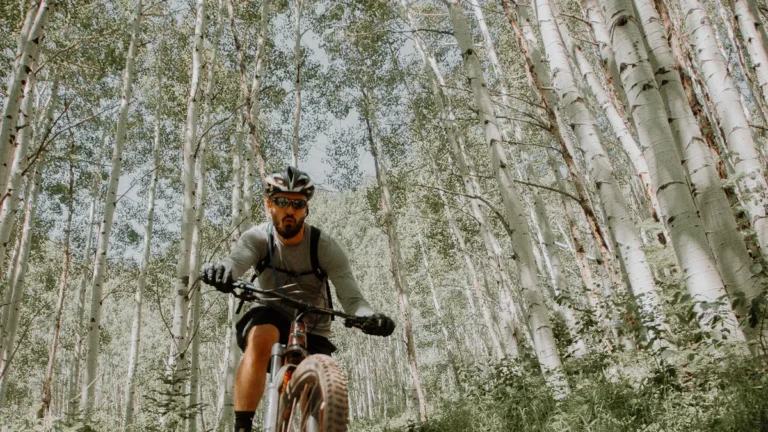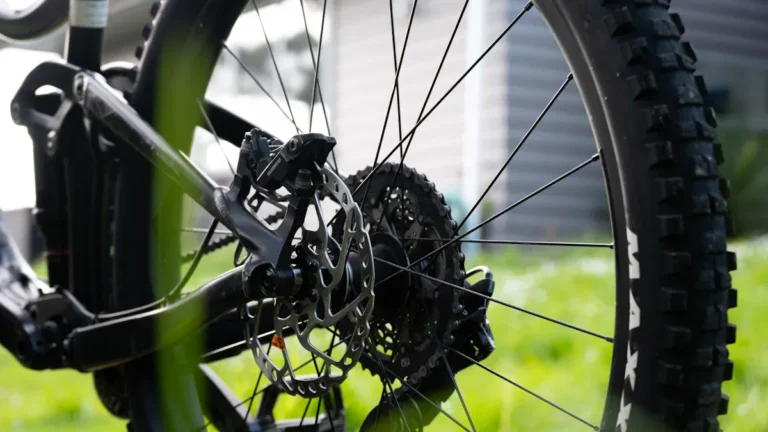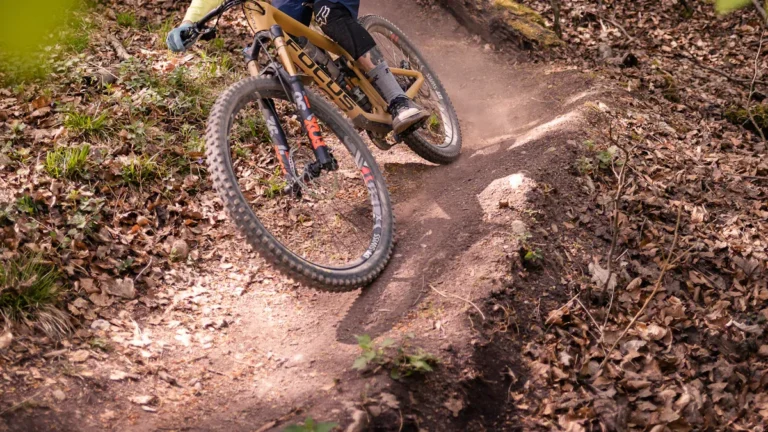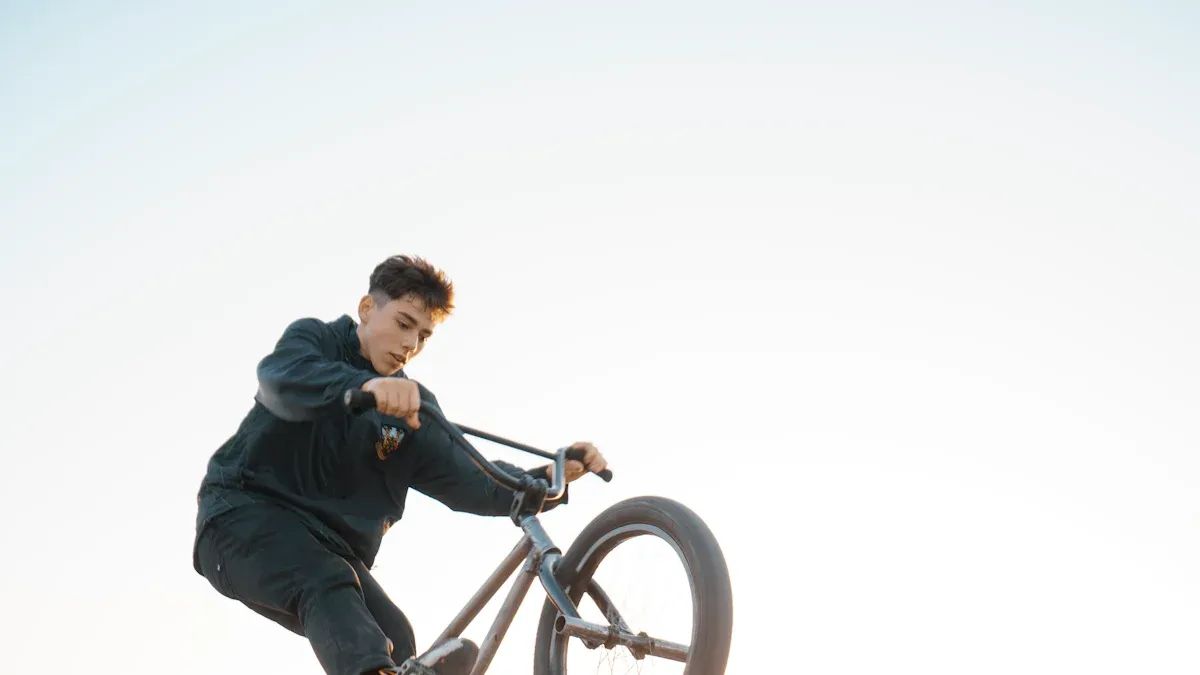
Mountain biking offers an exhilarating rush as you navigate through breathtaking trails, but to truly enjoy this adventure, you need to develop your Mountain Bike Skills. Mastering these skills enhances your safety and boosts your confidence on the bike. They help you read the trail, control your braking, and perfect your cornering technique. So, gear up and get ready to ride!
Key Takeaways
Master balance and body position to enhance stability and control on uneven trails. Keep an upright posture and distribute your weight properly.
Practice smooth braking techniques to maintain control and safety. Use both brakes evenly and brace your body to absorb shocks.
Develop climbing skills by shifting your weight forward and maintaining a slow pedal cadence. This will help you tackle steep terrains with confidence.
Riding Techniques
Balance and Body Position
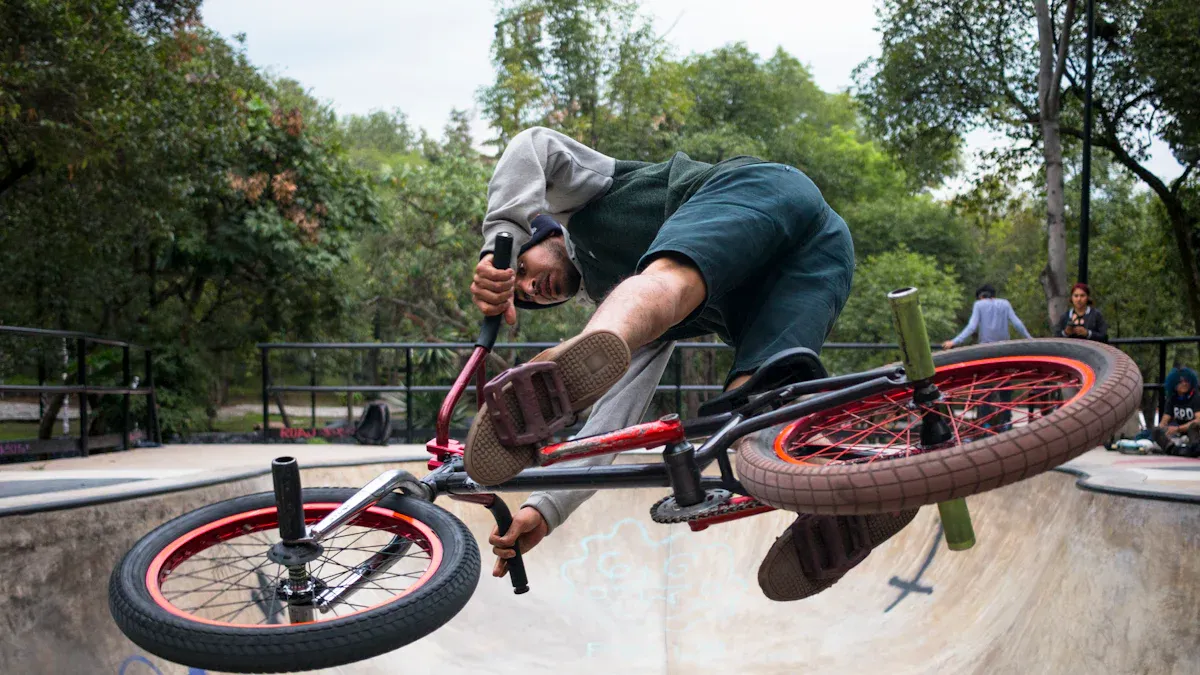
Mastering balance and body position is crucial for every mountain biker. When you ride, your body acts as a counterbalance to the bike. This helps you navigate tricky terrains and maintain control. Here are some key points to keep in mind:
Upright Posture: Keeping an upright posture enhances stability and control. This is especially important on uneven trails.
Weight Distribution: Proper weight distribution helps prevent falls. Lean back slightly when descending to avoid tipping over the handlebars.
Bent Joints: Using bent joints acts as shock absorbers. This technique makes it easier to handle bumps and dips in the terrain.
To improve your balance and body position, consider incorporating these exercises into your routine:
Exercise | Benefits |
|---|---|
Squats | Strengthens glutes, hamstrings, and quads, essential for maintaining balance on the bike. |
Single Leg Deadlifts | Focuses on the posterior chain, enhancing balance and stability, crucial for mountain biking. |
Planks | Builds core strength and endurance, vital for maintaining body position while riding. |
Smooth Braking
Smooth braking is essential for maintaining control and safety on technical trails. It allows you to manage your speed effectively before entering challenging sections. Here’s how to practice smooth braking:
Use both brakes evenly. Apply them lightly to maintain control.
Brace your body to absorb shocks. This helps you stay balanced while slowing down.
Brake before reaching difficult trail features like rocks and roots. This ensures you have maximum traction.
Common mistakes include braking too hard or too late, which can lead to losing traction. Instead, focus on gradual and controlled braking. This technique not only helps you avoid accidents but also improves your overall riding experience.
By mastering these riding techniques, you’ll enhance your mountain bike skills and enjoy your time on the trails even more!
Basic Mountain Biking Techniques
Climbing Skills
Climbing can be one of the most challenging yet rewarding aspects of mountain biking. To tackle steep terrain effectively, you need to master a few key techniques. Here’s what you should focus on:
Scoot Forward on the Saddle: Shifting your weight forward helps prevent wheelies and allows the bike to pivot effectively over obstacles.
Chest Down: Lowering your chest keeps your weight balanced over the bottom bracket, which is crucial for control on steep climbs.
Slow Your Pedal Cadence: A slower cadence helps you accelerate the bike effectively on steep terrain.
Learn Proper Wheelie Technique: Initiating a wheelie with acceleration maintains balance and helps the bike move over obstacles.
Unweight the Rear Wheel: Instead of lifting, simply unweighting the rear wheel can help it clear obstacles more easily.
Practicing these techniques will not only improve your climbing skills but also boost your confidence on the trails. Remember, confidence plays a significant role in your overall performance. When you feel secure in your climbing abilities, you can tackle more challenging trails with ease.
Gear Management
Effective gear management is essential for maintaining energy efficiency while riding. It allows you to shift smoothly and conserve your strength, especially during climbs. Here are some tips to help you manage your gears effectively:
Shift Before You Need To: Anticipate the climb and shift to a lower gear before you start to lose momentum. This helps maintain a steady cadence and reduces strain on your legs.
Use Appropriate Gears: For steep climbs, opt for smaller chainrings (28-30 teeth) to maintain power. On flat sections, larger chainrings (32-36 teeth) can help you gain speed.
Practice Timing: Timing your shifts is crucial. Shift to a lower gear just after completing a shift to a higher gear to avoid losing momentum.
Proper gear management not only enhances your riding experience but also conserves battery power if you’re using an e-bike. By ensuring that your bike operates within its optimal RPM range, you reduce strain on the motor and extend your ride distance. This is especially important when tackling long climbs or challenging terrains.
Incorporating these basic mountain biking techniques into your riding routine will significantly improve your skills and enjoyment on the trails. So, get out there, practice, and watch your confidence soar!
Obstacle Navigation
Lifting Wheels
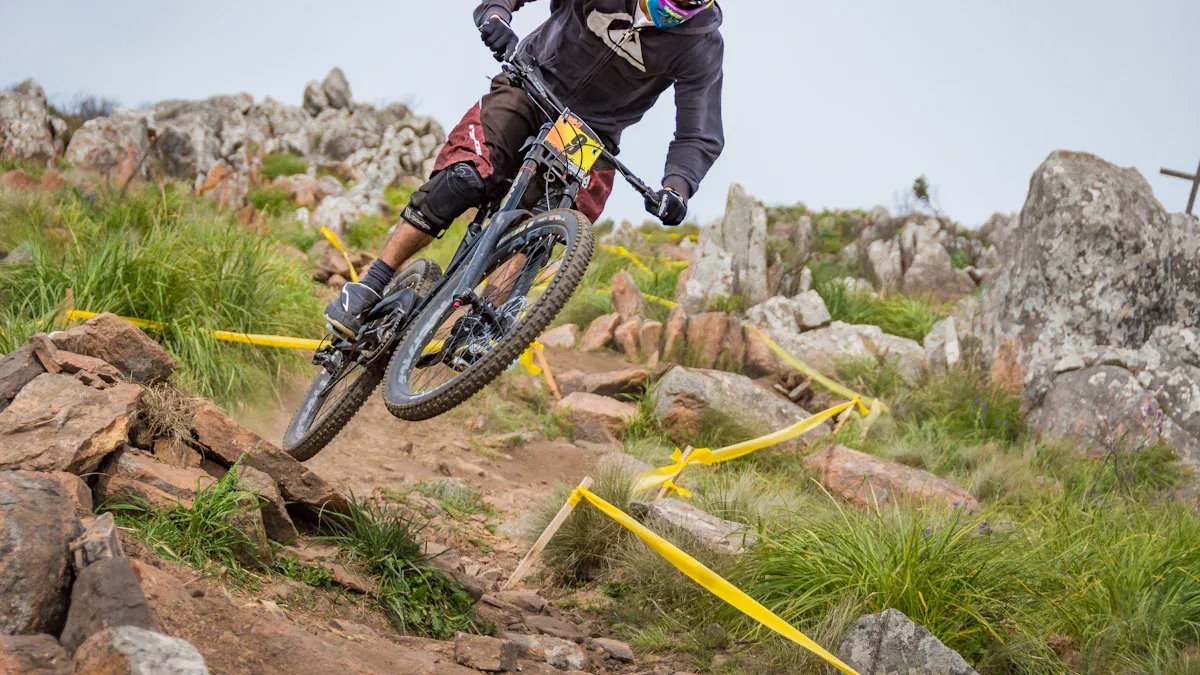
Lifting your wheels is a game-changer when it comes to navigating roots, rocks, and logs on the trail. It helps you tackle technical sections with confidence. Here’s how to master this skill:
Check Your Load: Center your weight with a slight bend in your elbows. Push down through your feet.
Pull the Handlebars: Pull the handlebars toward your chest to initiate the lift.
Bend Your Knees: Bend your knees quickly to help with the lift.
Tall Ready Position: Shift your weight forward as the front wheel rises.
Timing is Key: Ensure your timing is right for the lift.
Practicing these steps will improve your bike handling and coordination. You’ll find it easier to learn advanced techniques like bunny hops and drops. Plus, lifting your wheels builds confidence for those tricky trails!
Riding Over Obstacles
When it comes to riding over obstacles, a few techniques can make all the difference. Here’s what you should do:
Approach Straight On: Keep your bike perpendicular to the obstacle.
Pedal Hard: Give one or two strong thrusts as you reach the object.
Shift Your Weight: Leverage your weight to lift the front tire over the obstacle.
Keep Pedaling: If the obstacle is small, continue pedaling to let the back tire pop over it.
Stay relaxed and off the brakes as you approach obstacles. Keeping your speed up helps you glide over roots and rocks smoothly. Remember, practicing track stands can also enhance your balance, making it easier to navigate technical sections without dismounting.
By mastering these obstacle navigation skills, you’ll feel more in control and ready to tackle any trail that comes your way! 🚵♂️
Mastering basic mountain bike skills is essential for a safe and enjoyable ride. Skills like balance, braking, climbing, and obstacle navigation help you tackle trails with confidence. Regular practice leads to improvements in your riding. As one experienced rider noted, mastering these skills makes biking more enjoyable. So, get out there, practice, and embrace new challenges on the trails! 🚵♀️
FAQ
What should I wear for mountain biking?
Wear a helmet, padded shorts, and moisture-wicking clothing. Don’t forget gloves and sturdy shoes for better grip and protection! 🚴♂️
How often should I practice these skills?
Aim to practice at least once a week. Regular practice helps you build confidence and improve your skills over time!
Can I mountain bike if I’m a beginner?
Absolutely! Start on easy trails and gradually progress. Focus on mastering basic skills before tackling more challenging terrains. Enjoy the ride! 🌲