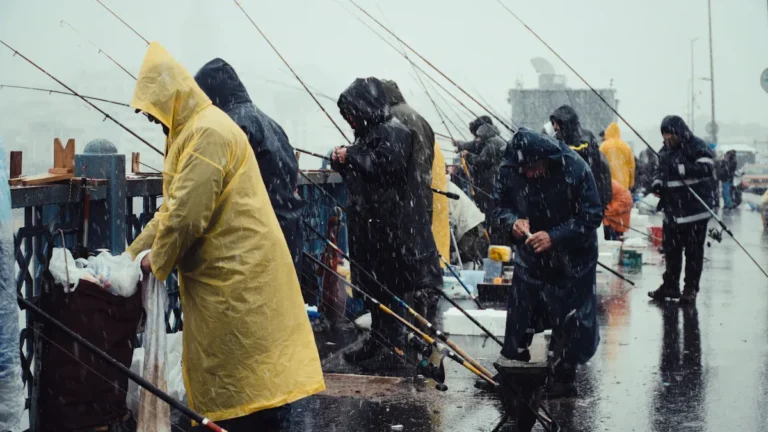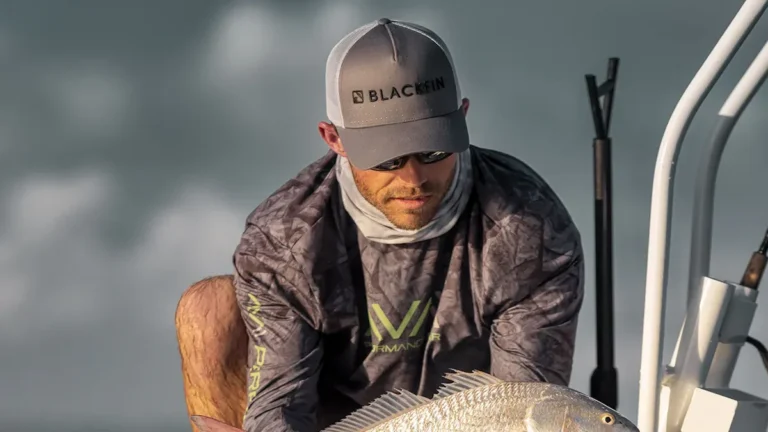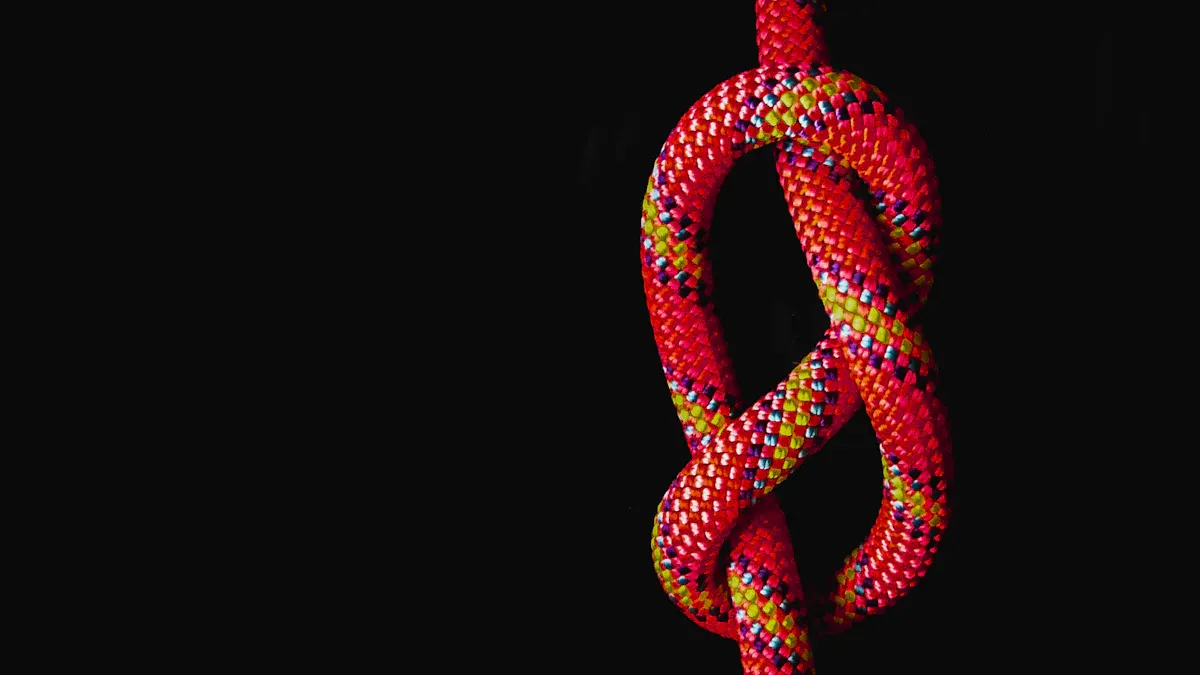
Fishing knots play a crucial role in your success as a beginner angler. A well-tied knot can mean the difference between landing a prized catch and losing it to a failure. Imagine standing by the water, excited to fish, only to face disappointment due to a bad knot. Studies show that nearly 60% of fishing line failures come from poor knot tying. By mastering a few basic fishing knots, you can enhance your experience and build confidence on your fishing adventures.
Key Fishing Knots
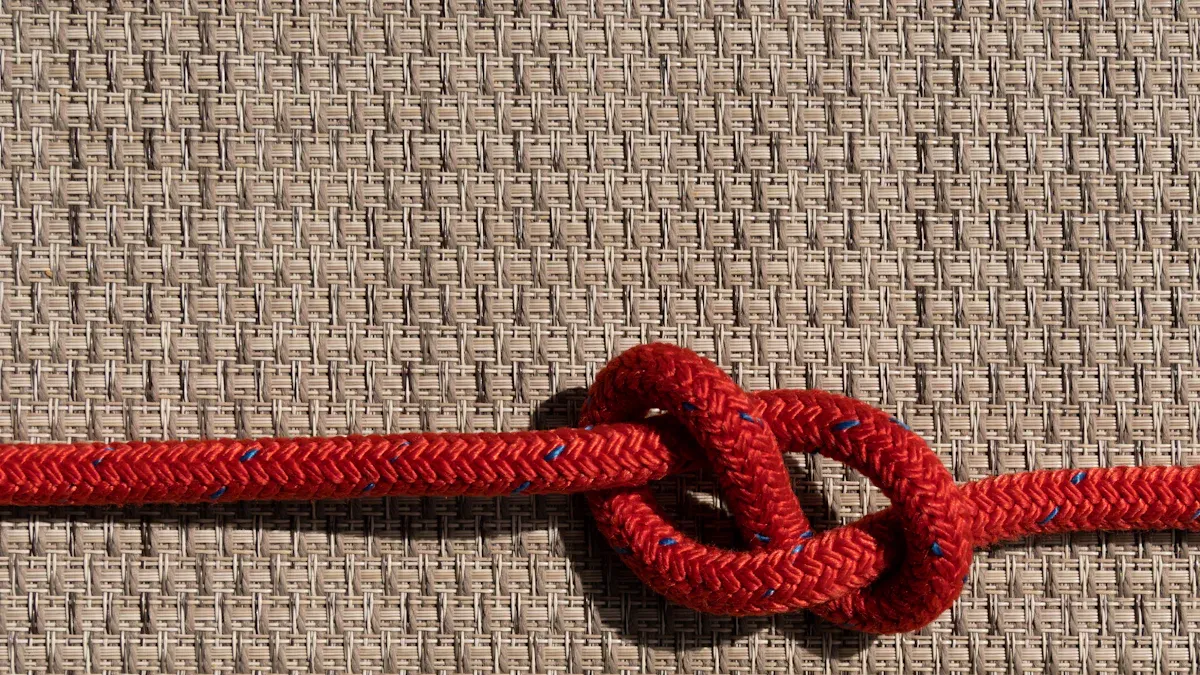
Improved Clinch Knot
The Improved Clinch Knot is one of the most essential fishing knots every fisherman should know. This knot securely attaches your fishing line to hooks or lures, making it ideal for freshwater fishing. It works best with monofilament or fluorocarbon lines. When tied correctly, it retains about 95% of the line’s strength, which is crucial for landing fish.
To tie the Improved Clinch Knot, follow these steps:
Thread the line through the hook eye.
Wrap the tag end around the standing line five to seven times.
Pass the tag end through the loop near the hook eye.
Finally, moisten the knot and pull it tight.
This knot is particularly effective for targeting smaller fish, such as trout and panfish. Many anglers prefer it due to its simplicity and reliability.
Palomar Knot
The Palomar Knot is another knot that every fisherman should know. It is known for its strength and ease of tying, making it a favorite among beginners. This knot works exceptionally well with braided lines, retaining nearly 100% of the line’s strength when tied correctly.
Here are some advantages of the Palomar Knot:
Advantage | Description |
|---|---|
Simplicity | The Palomar Knot is easy to tie, making it accessible for all anglers. |
Strength | Retains nearly 100% of the line’s strength when tied correctly. |
Effectiveness | Particularly effective for attaching hooks and lures directly to braided lines. |
You can use the Palomar Knot in various fishing scenarios, such as:
Attaching lures like crankbaits or jigs.
Securing hooks with natural bait.
Fly fishing leaders.
This knot’s double-line wrap minimizes the risk of slipping, ensuring a secure connection even under heavy strain.
Uni Knot
The Uni Knot is a versatile knot that you can use for both line-to-hook and line-to-line connections. This knot is favored for its strong and reliable connection, making it essential for various fishing situations. You can use it to secure hooks, lures, and swivels, as well as to create strong connections between different lines.
To tie the Uni Knot:
Run the line through the hook eye.
Double back and make a loop.
Wrap the tag end around the doubled line several times.
Pull the knot tight.
The Uni Knot performs well in both saltwater and freshwater environments, making it a go-to choice for many anglers.
Surgeon’s Knot
The Surgeon’s Knot is highly recommended for joining lines of different diameters. This knot is strong and easy to tie, even in challenging conditions. It is particularly useful for creating leader-to-line connections in fly fishing, where you often deal with varying line sizes.
Common uses for the Surgeon’s Knot include:
Adding a tippet to the leader.
Tying on a fly.
Creating loop-to-loop connections.
This knot’s strength makes it a reliable choice for various fishing applications, ensuring that your connections hold up during your fishing adventures.
Tips for Tying Fishing Knots
Common Mistakes
When tying fishing knots, beginners often make several common mistakes that can lead to frustration and lost catches. Here are some frequent errors to avoid:
Using too many knot types: Beginners may try to learn multiple knots at once, which can lead to confusion. Focus on mastering a few essential knots first.
Rushing the process: Take your time when tying knots. Rushing can result in poorly tied knots that fail under pressure.
Re-tying too often: A messy workflow can lead to frequent re-tying. This habit can weaken the line and increase the chances of failure.
Improper knot tying can significantly reduce the strength of your fishing line. In fact, it can lower the initial strength to about 50% of its rated capacity. Over time, bad knots can fatigue, decreasing their effective strength to as low as 20%. A powerful cast can generate more force than a weakened knot can handle, leading to line breakage.
Best Practices
To ensure maximum knot strength, follow these best practices:
Use the Right Knot for the Line Type: Different knots work better with specific line types. For example, use the Improved Clinch Knot for monofilament and fluorocarbon lines, and the Palomar Knot for braided lines.
Practice Knot Tying: Regular practice helps you tie knots correctly and securely. This skill is crucial for maintaining maximum strength.
Lubricate Knots Before Tightening: Always lubricate your knots to ensure they tighten smoothly. Proper lubrication reduces friction, preventing slipping and enhancing knot strength.
By avoiding common mistakes and following these best practices, you can improve your knot-tying skills and increase your chances of landing that big catch.
Mastering the Improved Clinch, Palomar, Uni, and Surgeon’s knots is vital for your fishing success. Regular practice builds confidence and ensures secure connections. Remember to check your knots before each cast and after every catch. This skill enhances your efficiency and saves costs by reducing lost gear.
FAQ
What is the best knot for beginners?
The Improved Clinch Knot is ideal for beginners due to its simplicity and reliability.
How often should I practice tying knots?
Practice tying knots regularly to build confidence and improve your skills.
Can I use the same knot for different line types?
No, different knots work better with specific line types. Choose knots based on your line material.