

If you want a reliable, lightweight water solution for your next trek, you’ll appreciate how different systems trade weight, speed, and durability. I’ll walk you through four top picks for 2026 - from ultralight straw filters to group gravity setups - and what each really buys you on the trail. Keep this in mind when you choose, because one small decision can change your trip comfort and safety.
| Katadyn BeFree 1.0L Ultralight Collapsible Water Filter Bottle | 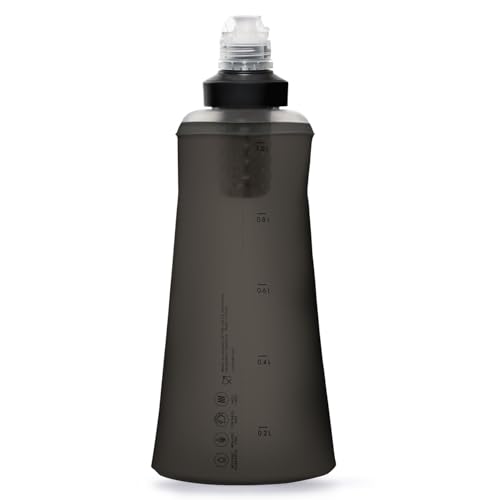 | Ultralight Choice | Filtration Type: Hollow-fiber microfilter (0.1 µm) | Target Contaminants Removed: Bacteria and protozoa (99.9999% Klebsiella; 99.9% Giardia/Cryptosporidium) | Portability / Intended Users: Ultralight hikers, trail runners, backpackers (collapsible bottle; 63 g) | VIEW LATEST PRICE | Read Our Analysis |
| 8L Portable Gravity Camping Water Filtration System |  | Best for Groups | Filtration Type: Hollow-fiber ultrafiltration membrane (0.01 µm) + activated carbon + PP cotton | Target Contaminants Removed: Bacteria and protozoa (ultrafiltration rated; plus sediment/organics via carbon/PP) | Portability / Intended Users: Campers/backpackers and emergency preparedness (8 L gravity bag; hang-and-use) | VIEW LATEST PRICE | Read Our Analysis |
| Katadyn Hiker Pro Hand Pump Water Filter |  | Durable Workhorse | Filtration Type: Glass-fiber depth filter (AntiClog™ 0.2 µm) with activated carbon core | Target Contaminants Removed: Bacteria, protozoa, cysts, algae, spores, sediments (99.9999% bacteria; 99.9% protozoa) | Portability / Intended Users: Backpacking/camping/hiking and emergency kits (compact hand pump; 11 oz) | VIEW LATEST PRICE | Read Our Analysis |
| Membrane Solutions Squeezable Water Filtration Survival Kit |  | Compact Survival Pick | Filtration Type: Hollow-fiber ultrafiltration membrane (0.1 µm) + multi-stage media including activated carbon and PP cotton | Target Contaminants Removed: Bacteria and particles (claims 99.99999% of harmful particles) plus taste/odor reduction via carbon | Portability / Intended Users: Hikers, backpackers, travelers, emergency preparedness (straw + 23 oz bottle; 2 oz) | VIEW LATEST PRICE | Read Our Analysis |
More Details on Our Top Picks
Katadyn BeFree 1.0L Ultralight Collapsible Water Filter Bottle
If you want the lightest, most packable option for fast-and-light trips or trail runs, the Katadyn BeFree 1.0L is built for you. You’ll get a 0.1 micron hollow-fiber filter that removes 99.9999% of Klebsiella terrigena and 99.9% of Giardia and Cryptosporidium, filtering up to 1,000 liters. Free Flow channels deliver up to 2 L/min, ideal for one to two people. The 1.0 L Hydrapak flask weighs 63 g, collapses to fit shorts or vest pockets, and cleans by shaking-no tools or backflushing. It’s BPA-free, Swiss-made, and backed by a two-year guarantee.
- Filtration Type:Hollow-fiber microfilter (0.1 µm)
- Target Contaminants Removed:Bacteria and protozoa (99.9999% Klebsiella; 99.9% Giardia/Cryptosporidium)
- Portability / Intended Users:Ultralight hikers, trail runners, backpackers (collapsible bottle; 63 g)
- Flow / Output:Fast free-flow channels - up to ~2 L/min
- Capacity / Use Lifetime:Filters up to 1,000 L before replacement; bottle capacity 1.0 L
- Cleaning / Maintenance:EZ-Clean membrane - shake/swish to clean; no backflushing needed
- Additional Feature:Collapsible Hydrapak flask
- Additional Feature:Stay Clean drink nozzle
- Additional Feature:2-year guarantee
8L Portable Gravity Camping Water Filtration System
Choose the 8L Portable Gravity Camping Water Filtration System when you want hands-free, high-capacity purification for group trips or emergency kits - it uses a 0.01-micron hollow fiber ultrafiltration membrane plus activated carbon and double PP cotton to remove pathogens and improve taste, and the 8‑liter bag hangs easily to deliver filtered water within minutes without pumping. You’ll appreciate BPA-free, food-grade construction, double soldering sealing for squeeze resistance, and an auto-locking water pipe connection. Use it hung or inline with a bottle; it’s compatible with common straw filters (Sawyer Mini/Squeeze/Micro). Ideal for camping, backpacking, and emergency preparedness.
- Filtration Type:Hollow-fiber ultrafiltration membrane (0.01 µm) + activated carbon + PP cotton
- Target Contaminants Removed:Bacteria and protozoa (ultrafiltration rated; plus sediment/organics via carbon/PP)
- Portability / Intended Users:Campers/backpackers and emergency preparedness (8 L gravity bag; hang-and-use)
- Flow / Output:Gravity-fed; delivers filtered water within minutes (flow depends on head; designed for group volume)
- Capacity / Use Lifetime:8 L bag capacity (system) - lifetime not specified for membrane
- Cleaning / Maintenance:Gravity system - no pumping; standard rinsing/connection maintenance (auto-locking connections)
- Additional Feature:8 L gravity bag
- Additional Feature:Auto-locking pipe connection
- Additional Feature:Works as inline filter
Katadyn Hiker Pro Hand Pump Water Filter
For solo hikers or two-person teams who need a dependable, easy-to-maintain pump, the Katadyn Hiker Pro delivers fast, field-serviceable filtration with an AntiClog™ 0.2‑micron glass fiber element that removes 99.9999% of bacteria and 99.9% of protozoa while the activated carbon core freshens taste and odor. You’ll get a large 271 cm² surface and roughly 1 L/min flow (~48 pumps), treating up to about 300 gallons per filter. It handles clear to muddy water, cleans in-field by swishing, and includes quick-connect hoses, bottle adapter, and storage bag. At 11 ounces, it’s ergonomic, compact, and ideal for one to two people.
- Filtration Type:Glass-fiber depth filter (AntiClog™ 0.2 µm) with activated carbon core
- Target Contaminants Removed:Bacteria, protozoa, cysts, algae, spores, sediments (99.9999% bacteria; 99.9% protozoa)
- Portability / Intended Users:Backpacking/camping/hiking and emergency kits (compact hand pump; 11 oz)
- Flow / Output:Pumped flow ~1 L/min (~48 pumps)
- Capacity / Use Lifetime:Filter lifetime ~300 gallons (~1,136 L)
- Cleaning / Maintenance:Removable filter for field cleaning - swish in clean water to dislodge debris; user-cleanable
- Additional Feature:Active carbon core
- Additional Feature:Ergonomic pumping handle
- Additional Feature:Includes quick-connect hoses
Membrane Solutions Squeezable Water Filtration Survival Kit
Backpackers who want an ultralight, high-capacity purifier will appreciate the Membrane Solutions Squeezable Kit-it’s just 2 oz, packs into a palm-sized kit, and filters up to 5,000 liters while fitting any 28 mm bottle or soft pouch. You get a 7.1-inch straw, 23 oz collapsible bottle, and five-stage filtration: coarse screen, dual PP cotton, coconut shell carbon, and a 0.1 µm hollow fiber membrane that removes 99.99999% of contaminants. It keeps TDS and minerals intact, flows about 500 ml/min, and uses food-grade BPA-free ABS. Removable ends extend lifespan, and it adapts to bottles, pouches, or gravity setups.
- Filtration Type:Hollow-fiber ultrafiltration membrane (0.1 µm) + multi-stage media including activated carbon and PP cotton
- Target Contaminants Removed:Bacteria and particles (claims 99.99999% of harmful particles) plus taste/odor reduction via carbon
- Portability / Intended Users:Hikers, backpackers, travelers, emergency preparedness (straw + 23 oz bottle; 2 oz)
- Flow / Output:Squeezable/straw flow ~500 ml/min (~16.9 fl oz/min)
- Capacity / Use Lifetime:Rated up to 5,000 L (1,320 gallons); bottle capacity ~680 ml
- Cleaning / Maintenance:Removable ends and multi-stage media; designed for rinsing and replacement to extend life
- Additional Feature:5-stage filtration system
- Additional Feature:Fits 28 mm bottles
- Additional Feature:Packs into palm
Factors to Consider When Choosing a Water Filter System for Backpacking
When choosing a backpacking water filter, you’ll want to weigh filtration effectiveness, flow rate, and how much weight and space it adds to your pack. Consider maintenance needs like backflushing or cartridge replacement and whether the filter works with the types of water you’ll encounter. Balancing those factors helps you pick a system that’s reliable, fast, and practical for your trips.
Filtration Effectiveness
Start by focusing on what a filter actually removes and how well it performs in the conditions you’ll face. Inspect pore size and technology: microfilters (~0.1–0.2 µm) stop bacteria and protozoa, while ultrafiltration (~0.01 µm) can trap smaller pathogens and, with secondary treatment, many viruses. Check validated removal rates-look for stated reductions (e.g., ≥99.999% bacteria, ≥99.9% Giardia/Cryptosporidium) so you know real protection. Prefer multi-stage systems if you want better taste and lower chemical or organic loads; activated carbon complements mechanical barriers. Match the filter to expected water types: anti-clog designs and larger surface area perform better in turbid or silty sources. Finally, confirm lifetime, stated capacity, and whether field cleaning restores performance to maintain effectiveness.
Flow Rate
Knowing what a filter removes is only half the decision-flow rate determines how fast you’ll actually get that safe water. Flow is measured in liters or ounces per minute; higher rates (around 1–2 L/min) cut waiting and prep time, which matters if you’re filling bladders or serving a group. Match flow to your activity: fastpacking or trail running needs speed, casual camping can accept slower output. Remember flow falls as filters clog with sediment or biofilm, so check cleanability and maintenance options, not just initial specs. Pump and gravity systems usually sustain higher throughput for long refills, while hollow-fiber or straw designs trade some flow for portability. Prioritize the flow profile that fits your typical trips.
Weight And Packability
Few things matter more on the trail than how much and how bulky your water filter is, because every gram and cubic centimeter competes with food, clothing, and shelter. You should aim for total system weight under 300 g (10 oz) for ultralight day hikes and about 500–700 g (18–25 oz) for multi-day trips where higher capacity is acceptable. Consider packed volume: collapsible reservoirs and straw-style filters tuck into vest pockets or hip-belt pouches, unlike rigid pump units. Check included accessories-hoses, prefilters, caps, cleaning tools-since they can add 50–200 g and extra bulk. Balance capacity versus weight: larger gravity bags and pumps cut refill trips but increase pack volume, while 0.5–1.0 L bottles and straws minimize bulk. For long trips, pick systems with compact spares or membranes you can clean in the field.
Maintenance Needs
Weight and packability matter, but maintenance needs will determine how reliable a filter is on long trips. Check the rated lifetime and replacement interval (liters/gallons) so you can plan spares and avoid sudden performance drops. Know how to clean the unit-backflush, shake, swish, or swap cartridges-and whether you’ll need tools or extra water. Look at pore size and design to judge clogging risk and whether simple field cleaning restores flow. Factor consumables like carbon cartridges or membranes: are they user-replaceable, compatible, and easy to carry? Finally, consider storage and post-use care-drying, preventing freezing, or sanitizing-to avoid biofouling and extend service life. Choose a system whose upkeep matches your trip style.
Water Source Compatibility
Because water sources vary so much, match your filter to what you’ll actually be drawing from: ultrafilters (~0.01–0.1 µm) trap bacteria and most protozoa, but not viruses; larger-pore mechanical filters won’t block all pathogens. If you expect viral risk, pack a purifier or chemical disinfectant. For silty or muddy streams choose a unit rated for turbidity or plan to pre-filter, since fine membranes clog fast. On alpine or winter trips protect membranes from freezing-store the filter near your body or use a freeze-resistant design. When collecting from stagnant ponds or slow pools prefer systems with activated carbon or multi-stage cartridges to cut tastes, odors, and organic byproducts. Match the system to actual source conditions to avoid field failures and extra weight.
Lifespan And Replacement
When you’re choosing a backpacking filter, treat rated lifetime and replacement logistics as core features, not afterthoughts: check how many liters the manufacturer guarantees, whether the element can be cleaned in the field, and how easy and costly replacements are, since those factors determine true long‑term value and reliability on extended trips. Match rated liters to your trip frequency and duration - microfilters vary from a few hundred to several thousand liters. Prefer field‑cleanable elements or simple backflushing to extend usable life. Verify replacement cartridge or membrane availability and cost so frequent swaps don’t inflate lifetime expense. Watch for stated performance degradation (flow drop or reduced pathogen removal) and recommended intervals. Systems with replaceable pre‑filters or multi‑stage parts let you swap only worn pieces to prolong overall life.
Ease Of Use
How easy is it to set up, operate, and clean your filter after a long day on the trail? You should match operation method to your environment and strength-pumps need effort, squeezables require a compatible pouch, gravity systems let you be hands-free but add bulk, and bottle-integrated units keep things simple. Check setup/breakdown time: quick-connect hoses, easy hang points, or all-in-one bottles save fumbling in low light. Prioritize systems that pack small, weigh little, and collapse for stowing. Look for intuitive flow control and leak-proof fittings-auto-locks or secure threads cut spills and contamination. For maintenance, choose filters with removable cartridges or shake/swish cleaning; avoid designs that need tools or tedious backflushing.
