

Getting kids ready for snow starts with layers that fit well, move comfortably, and do not leave them chilly at the first chairlift. You also need outerwear that handles wet snow, chairlift wind, and long afternoons building snow forts. This roundup covers thermal sets, toddler base layers, and winter jackets for boys and girls, helping you match each piece to your child’s age, activity level, and typical conditions.
An Overview Of The Picks
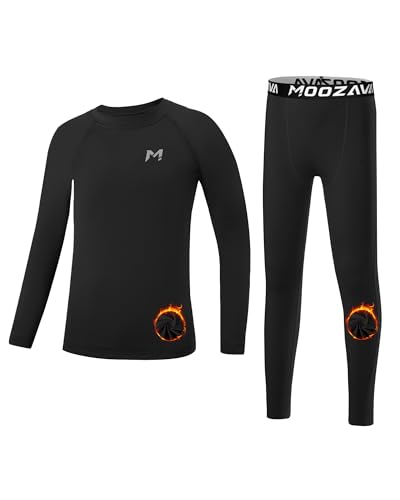
Moozava Boys Thermal Underwear Fleece-Lined Base Layer Set

Amazon Essentials Water-Resistant Ski Winter Jacket

WooLogic Merino Wool Fleece-Lined Base Layer Set

WULFUL Boy’s Waterproof Fleece-Lined Ski Jacket

GEMYSE Girl’s Waterproof Fleece-Lined Ski Jacket

American Trends 2T-5T Toddler Thermal Two-Piece Set
Inside Each Recommended Option
A full shirt-and-pants base layer gives boys a straightforward way to dress for cold ski days. The fleece lining adds warmth close to the body, while the compression-style silhouette keeps the set close through sledding, walking to the lodge, and other active moments.
Compared with the wool-focused WooLogic option, this set emphasizes a synthetic-looking, close-fitting design, though the exact fabric composition is not stated. For active children, fit around the waist, sleeves, and legs matters more than having a single oversized layer.
Noteworthy Benefits
- Shirt and pants provide coordinated coverage under a ski jacket and snow pants.
- Fleece lining supports warmth during chairlift queues and outdoor play.
- Compression styling may feel snug and streamlined beneath bulkier outerwear.
- Long sleeves help protect the arms during snowy hikes and playground sessions.
- Football and general sports positioning makes it broader than ski-only base wear.
Small Caveats
- Compression-style clothing can feel restrictive to children who prefer loose layers.
- Fabric content and care instructions are not provided, so washing and drying require extra attention.
Key Specs
Who It Suits Best
Active boys who need a fitted, full-body base layer for skiing, snow play, or cold-weather sports benefit most.
Another Choice May Suit
The WooLogic Merino Wool Base Layer Set may suit families specifically seeking merino wool and fleece-lined warmth for hiking or skiing.
A water-resistant jacket gives a child a practical outer layer for wet snow and chairlift wind. This option is designed for both boys and toddlers, so it can be useful for families whose children span a wide age range.
The listing provides less construction detail than the WULFUL jacket, which names a waterproof surface and fleece lining. In a mild, mostly dry ski area, that simpler approach may be enough; exposed mountains and repeated snowfall place a higher demand on weather resistance.
Notable Upsides
- Water resistance helps shed light snow and moisture during short outings.
- The broad age positioning suits families with more than one young child.
- A sport-specific design fits naturally into a snow-day clothing rotation.
Practical Considerations
- Water resistance is not the same as full waterproofing, so prolonged wet weather may expose its limits.
- No fabric, lining, hood, or closure details are supplied, making indoor layering harder to judge from the available information.
Who Will Love This
Families seeking an uncomplicated water-resistant winter jacket for boys and toddlers will find this option easy to consider.
A Better Fit Elsewhere
The WULFUL Boy’s Waterproof Fleece-Lined Ski Jacket offers a stronger fit for cold, wet days where a waterproof shell and named insulation matter.
Merino wool is a naturally soft fiber used in many close-fitting winter layers, and WooLogic places it at the center of this kids’ set. The fleece-lined construction targets cold-weather skiing, hiking, and long johns-style coverage beneath outerwear.
That gives you a different choice from Moozava’s compression-styled set, which does not state its material composition. Merino also requires thoughtful laundering, so you may find that its care routine takes more attention than a simple synthetic layer.
Useful Strengths
- The stated merino wool construction provides a soft, winter-focused base layer.
- Fleece lining adds insulation without requiring the set to serve as outerwear.
- A shirt-and-pants configuration keeps the upper and lower body warm together.
- Skiing and hiking positioning suits children who wear gear across several winter activities.
Points To Note
- Merino wool generally calls for careful washing and air-drying to preserve its texture.
- The extra lining may feel warm during high-energy sledding or cross-country skiing.
Feature Facts
Built With In Mind
Families prioritizing a named wool fiber and fleece-lined warmth will find this set suited to skiing, hiking, and everyday snow play.
Look Elsewhere When
The Moozava thermal set may fit children better when a close compression silhouette or lower-fuss laundering takes priority over merino wool.
Snow that turns to ice on a chairlift is exactly the situation a waterproof jacket is designed to handle. WULFUL combines that weather-facing protection with wind resistance, a warm fleece lining, and a hood for boys headed into sustained winter conditions.
Compared with Amazon Essentials’ water-resistant jacket, the feature naming here is more decisive, though neither listing supplies shell fabric, seam construction, or closure details. For regular ski-area use, the named waterproofing makes this the more transparent cold-weather choice.
The Case For It
- Waterproofing is specifically named for exposure to wet snow and falling precipitation.
- Wind resistance adds useful protection on exposed lifts and open slopes.
- Fleece lining supplies named warmth beneath the outer shell.
- A detachable hood gives you adjustable coverage during changing weather.
- The lined construction can reduce the need for a thick mid-layer on warmer days.
Things To Weigh
- Owners commonly need to check zipper, seam, and lining condition after repeated snow exposure.
- A detachable hood connection should be inspected periodically because frequent use can loosen fittings.
Technical Highlights
The Right Fit
Boys who ski frequently or spend full winter days in wet, windy snow benefit most from this lined, waterproof design.
A Sibling Pick Shines
The Amazon Essentials Water-Resistant Ski Winter Jacket may suit families seeking a simpler outer layer for milder, shorter snow outings.
GEMYSE takes the same broad ski-jacket approach as the WULFUL option but directs it toward girls. Waterproofing, wind resistance, a fleece lining, and a hood form a practical defense against the mixed conditions of a typical snow day.
That balance may be useful for children who alternate between skiing, sledding, and waiting beside a lodge. You will still need to check the available color, size, and closure information because the supplied listing does not describe the fit or hardware.
Reasons It Performs
- Waterproof construction helps protect against melting snow and drizzle.
- Wind resistance is useful during chairlift travel and exposed breaks.
- Fleece lining adds warmth for snow play beyond the time spent skiing.
- The hood provides additional coverage around the head and neck.
Details To Watch
- Insulation may feel warmer than needed during vigorous play or mild spring skiing.
- The listing does not identify shell material, seam sealing, pocket placement, or fastening types.
- Loose snow can reach cuffs and hems, so owners commonly pair this jacket with snow pants.
Core Details
Made For
Girls who need a lined ski jacket for regular snow play, family outings, and beginner-friendly ski days are the strongest match.
Reach For A Different Pick
The WULFUL Boy’s Waterproof Fleece-Lined Ski Jacket may suit your household better when detachable hood versatility matters most.
A two-piece base layer keeps dressing simple for toddlers who are still growing quickly and may need replacements as sizing changes. The listed 2T through 5T range makes this a focused option for the youngest section of the roundup.
Unlike the older-child sets, it does not name merino wool, fleece lining, compression styling, or skiing features. That narrower position is honest: you are choosing a basic thermal layer for a specific age range rather than a specialized fabric system.
Positive Takeaways
- The matching two-piece set simplifies coordinated dressing before a cold outing.
- Thermal construction provides a focused base layer for toddlers.
- The stated age range helps you narrow the selection for children two through five.
Small Limitations
- Fabric composition and insulation weight are not identified.
- Toddlers outgrow thermal clothing quickly, so practical room for movement and growth matters.
- Care requirements are not stated, making label guidance important for long-term use.
Who Should Grab It
Parents outfitting toddlers aged two through five for snow play, winter travel, or a basic layered outfit benefit most.
Where Another Pick Suits Better
The WooLogic Merino Wool Base Layer Set may suit older children who need a named wool material, fleece lining, and broader winter-sports positioning.
What Matters Before Snow Days
Start With The Layering System
A base layer sits against the skin, a mid-layer adds insulation, and the outer jacket blocks wind and precipitation. You should choose each piece according to its job, especially because a warm jacket does not replace a properly fitted thermal set underneath.
For a typical ski day, a two-piece base layer can handle warmth close to the body while leaving the shoulders available for a fleece mid-layer. Thick insulation becomes easier to manage as conditions change from the lift line to a sunny run.
Check Weather Protection Honestly
Water-resistant fabric is designed to shed limited moisture, while waterproof fabric is intended to form a more dependable barrier during wet snow and longer exposure. Neither term tells you everything, so zipper coverage, seam construction, cuffs, and hood fit also shape real protection.
Young skiers often generate plenty of warmth themselves. That means an adult can overshoot with insulation, then make the child uncomfortable by the lodge. Lighter fleece and adjustable layers often provide more flexibility than one heavily insulated jacket.
Fit For Movement And Growth
Snow clothing should allow reaching, bending, and lifting the arms without shifting. Oversized outerwear can create loose straps and dangling hems, while clothing that is too close may restrict a child who is actively moving.
Toddlers need extra attention to growth room because their sizing can change quickly. Older children may need sleeves that slide down while the jacket rides up, although the provided listings do not include detailed measurements for comparison.
Practical Details Across The Layers
Pitfalls Shoppers Hit
A common mistake is choosing warmth without checking the whole layering system, which can leave a child either too warm or still cold. Another is assuming water resistance equals waterproofing. Read the garment description, inspect closures and seams, and choose insulation suited to the forecast.
What The Higher Tier Buys
A higher-cost layer may add a named fiber, stronger weather protection, or more complete insulation. Those upgrades matter most for repeated ski days, cold resorts, and children who need one jacket to handle varied conditions. For occasional sledding, a simpler coordinated set may cover the essentials more economically.
Frequently Asked Questions
How many layers should a child wear while skiing?
Most children need three functional layers: a base layer, an insulating mid-layer, and a weather-resistant jacket. Thin snow pants complete the outer setup, while extra pieces may be unnecessary during active periods.
What is the best base layer material for kids?
Merino wool offers softness, while fleece and other thermal fabrics can provide heavier warmth. The most useful choice depends on temperature, activity, comfort preferences, and how easily your family can maintain each fabric.
Are ski jackets suitable for everyday snow play?
Yes, but ordinary snow jackets may be easier to tolerate during sledding and walks around the neighborhood. Ski jackets generally prioritize weather protection, pockets, and movement for longer days on snow.
How should kids’ ski clothing fit?
It should feel comfortable while still allowing full arm movement, bending, and walking. Check that sleeves and pant legs do not restrict activity, and avoid loose straps that can catch while sliding or climbing.
How often should children replace ski gear?
Replace base layers and jackets once they no longer fit or no longer provide adequate warmth or weather protection. Outerwear may last longer with proper care, while toddler sizes often need replacing sooner.
Final Thoughts
The right setup depends on your child’s age, activity level, and the conditions you actually face. Merino or fleece-lined base layers work well beneath outerwear, while a waterproof, fleece-lined jacket adds more protection for wet ski days. Check the available sizing and care details before ordering, and keep the layering system flexible as the forecast changes.
