

A winter day can turn a drink bottle into a block of ice and leave you thirsty halfway down the mountain. These hydration packs for skiing keep water within easier reach while carrying gloves, goggles, phones, and a spare layer. A snow-focused model offers the most direct fit for chairlift skiing, while lighter hiking and running packs can work well for Nordic tracks, boot camps, and side-country trips where insulation matters less.
How The Shortlist Stacks Up
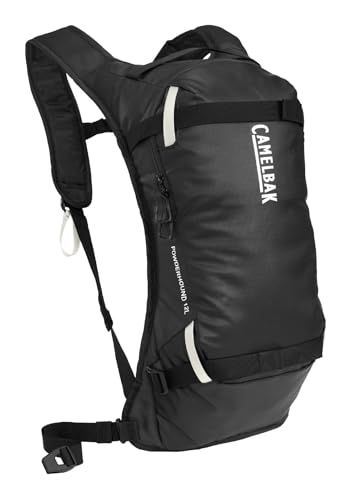
CamelBak Powderhound 12 Snow Hydration Pack

N NEVO RHINO 17L Hydration Backpack
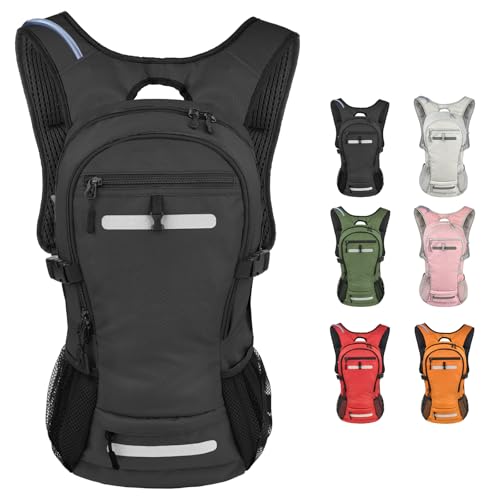
Zavothy 20L Multipurpose Hiking Backpack

Criuage 2L Running Hydration Vest

CamelBak Women’s Hydrobak Light

Criuage USA Patent 2L Hydration Vest
Inside Each Recommended Option
Cold exposure is the issue this pack addresses most directly. Its insulated drinking-tube harness helps shield hydration from low temperatures, a detail that separates it from the general hiking packs later in the list.
The 12-liter format suits lift lines, resort runs, and days when you carry one extra layer. Resort skiers benefit from the snow-specific design, though you may find that a larger pack works better for touring equipment.
Where It Delivers
- Insulated tubing helps keep drinking water more usable in cold weather.
- The 12-liter capacity offers room for a spare layer and small essentials.
- Its lift-oriented harness keeps the drinking system accessible between runs.
Worth Noting
- Insulation slows heat loss but cannot prevent freezing during long stationary periods.
- Winter hydration systems require careful draining and drying after use.
Quick Facts
Built With In Mind
Resort skiers who want a dedicated snow pack will appreciate the focused cold-weather design.
A Better Fit Elsewhere
Backcountry skiers carrying more equipment may prefer the roomier Zavothy 20L Multipurpose Hiking Backpack.
For a skier who also hikes, this pack makes more sense than choosing a narrowly specialized model for every outing. Its 17-liter body provides useful middle-ground capacity without reaching the bulk of a full multipurpose pack.
High-strength nylon gives the exterior a practical outdoor character, while a high-density foam back panel adds structure and airflow. The included soft flask holds 500 milliliters, which works well for shorter sessions, although serious winter cold still calls for sensible hydration management.
Key Advantages
- The nylon construction suits regular trail and winter use.
- A ventilated foam panel helps separate the pack from your back.
- The soft flask conforms more readily than a rigid reservoir.
- Its 17-liter size carries essentials without the bulk of a 20-liter pack.
Minor Gripes
- The hydration system is not described as insulated for skiing.
- Soft flasks typically need careful cleaning as seams and tubing age.
Made For
You’ll get a flexible fit for skiers who split time between lifts, hiking, and shorter winter outings.
Another Choice May Suit
Skiers facing sustained cold may favor the CamelBak Powderhound 12 Snow Hydration Pack for its insulated tube system.
Capacity is the reason this option stands apart. At 20 liters, it offers more room than the Powderhound for touring layers, lunch, tools, and electronics, making it a stronger fit for skiers traveling beyond a groomed lift loop.
The included 3-liter bladder reduces the need to carry separate water storage, while multiple pockets help separate small essentials from the main compartment. Its outdoor versatility is useful, though the added equipment and larger size may feel excessive for a quick piste lap.
Standout Benefits
- The 20-liter capacity handles a fuller ski-touring load.
- A 3-liter bladder reduces the need for a separate reservoir.
- Separate pockets keep small items easier to locate.
- The helmet holder and rain cover add support for varied conditions.
Points To Note
- A larger pack may add bulk during chairlift queues.
- The reservoir and drinking tube need regular cleaning and complete drying.
- Cold can still affect an uninsulated hydration system.
The Right Fit
Ski tourers and winter hikers carrying a fuller equipment load will find the capacity especially useful.
Where Another Pick Shines
The CamelBak Powderhound 12 Snow Hydration Pack is the cleaner resort option when cold protection matters more than cargo space.
Moving fast changes the ownership equation, and this vest is designed around that rhythm. Its low-profile chest format is more natural for Nordic skiing, running, or climbing than a conventional backpack that hangs heavily from both shoulders.
The 2-liter reservoir offers enough water for many training sessions without creating the storage burden of a 3-liter bladder. Breathability and reduced bounce address movement, but the vest format offers less room for goggles, gloves, or a winter shell than the Zavothy 20L option.
A Favorable Mix
- The vest profile sits close to the torso during active movement.
- A 2-liter bladder suits medium-length winter training.
- Breathable construction supports active ski sessions.
Trade Offs
- Limited cargo space makes it less convenient for resort gear.
- The listed 2-liter system is not described as cold-insulated.
Core Details
Who Will Love This
Nordic skiers and winter athletes will appreciate the close, movement-focused design.
Reach For A Different Pick When
Resort skiers carrying bulky winter clothing are better served by the Zavothy 20L Multipurpose Hiking Backpack.
A resort day often starts with a bike or a long approach, which makes a ventilated cycling pack a sensible crossover option. The Hydrobak Light uses body-mapping support in its back panel to improve airflow, while the ventilated harness helps keep shoulder contact comfortable.
A secure zippered pocket keeps keys and a phone close during a café stop or bike leg. Its streamlined shape carries fewer outdoor extras than the Zavothy pack, so it feels more like a daily carry than basecamp luggage.
The Value In It
- The Air Support Light back panel emphasizes airflow.
- A ventilated harness suits active travel and cycling.
- The zippered pocket secures a phone and keys.
- Its minimal profile works well for mixed resort commutes.
Less Ideal Details
- Limited storage may not handle a full ski-touring kit.
- Its water system lacks a stated winter insulation feature.
Who It Suits Best
Cyclists and skiers who want a lightweight pack for commuting to the mountain fit this streamlined design well.
Swap It Out When
Skiers needing cold-specific tubing should consider the CamelBak Powderhound 12 Snow Hydration Pack.
This vest focuses on keeping the load steady during quick, repetitive movement. Adjustable chest straps let you tune the position as clothing layers shift, which matters for skiing with a jacket, base layer, and changing pace.
Wide mesh shoulder sections add comfort, and the 2-liter bladder gives the pack enough capacity for a short run or training lap. Compared with the other Criuage vest, it shares the compact profile but places a clearer emphasis on adjustment, making it a practical choice for skiers who move frequently.
Positive Takeaways
- Adjustable straps help keep the vest close.
- Wide mesh shoulder sections improve comfort.
- The 2-liter bladder suits shorter active outings.
- Lightweight construction suits running and skiing.
- The compact shape reduces unnecessary carry volume.
Details To Watch
- Limited storage restricts bulky resort equipment.
- Winter users should monitor the bladder closely for freezing.
- The tube requires regular rinsing and air drying.
Feature Snapshot
Best Suited To
You’ll appreciate this option for winter workouts where a close fit matters more than carrying extra layers.
A Better Fit Elsewhere
The Zavothy 20L Multipurpose Hiking Backpack offers more useful storage for ski-touring essentials.
What Matters Before You Hit The Slopes
Cold Protection Comes First
A drinking tube is the flexible line running from the reservoir to your mouth. In freezing weather, an insulated tube can slow the transfer of cold into your water, making hydration more practical on chairlift days. You still need to empty and store the system overnight during a multi-day trip.
Capacity Depends On Your Route
A 12-liter pack is a sensible resort choice because it can carry a layer without becoming a large load. For backcountry travel, a 20-liter pack gives you room for lunch, tools, electronics, and safety gear, while a compact vest suits Nordic skiing and training where movement matters more than cargo.
Fit Matters More Than Style
The harness or strap system determines how the pack sits on your body. A ventilated back panel and structured harness can improve airflow, but adjustability across your torso and winter clothing is equally important. Try a loaded pack and walk, bend, and lift your arms before committing.
Two Details That Shape Your Choice
Mistakes Worth Dodging
A hydration pack without enough insulation can be frustrating on a cold lift day. Don’t judge capacity by the reservoir alone, since the main compartment, pockets, and harness also affect what the pack can carry. Check whether your winter clothing changes the fit before relying on a narrow vest or compact design.
Why The Extra Money Goes
A higher-priced winter model may add insulation, lift-oriented access, or a more structured harness. Those upgrades are most useful for skiers spending full days in cold conditions, while a lighter hiking pack can be more sensible for short trips.
Frequently Asked Questions
Which Hydration Pack Works Best For Skiing?
The CamelBak Powderhound 12 Snow Hydration Pack is the most purpose-built choice here because its insulated drinking tube addresses cold conditions. A hiking or running pack can still work, but it may require more attention to water temperature.
How Much Capacity Do I Need?
Choose 12 liters for a typical resort day and minimal extra gear. A 17- or 20-liter pack is more useful for ski touring, layered clothing, electronics, food, and tools.
Can I Use A Running Vest For Skiing?
A running vest works well for Nordic skiing, short training sessions, and active resort laps. It offers less storage for bulky gloves, goggles, and extra layers than a full hiking backpack.
How Should I Store A Hydration Pack Between Days?
Empty the reservoir, rinse the tube, and let all parts dry fully before storage. In a cold vehicle or garage, keep the system from freezing during your trip.
What Size Bladder Should I Choose?
A 2-liter reservoir suits many active outings and keeps weight low. A 3-liter bladder offers more capacity for longer touring days, while matching the reservoir to your route makes the pack more comfortable.
Final Verdict
The CamelBak Powderhound 12 Snow Hydration Pack stands out for cold-weather skiing, especially at a resort. The Zavothy 20L Multipurpose Hiking Backpack makes more sense for carrying larger equipment, while the Criuage vests and N NEVO RHINO fit lighter, activity-focused days. Choose the pack that matches your route, layers, and expected time outside, then check the fit while dressed for winter.
