

Choosing a sled for kids is less about finding the fastest toy and more about matching the ride to the people, hills, and storage space in your life. A flexible plastic toboggan handles bumps differently from a rigid sled, while a two-pack makes more sense for siblings or a group heading outdoors together. The list also includes two athletic resistance sleds and an inflatable bodyboard, because “sled” can describe very different equipment depending on whether you mean snow, grass, or water.
A Side-By-Side Look

Slippery Racer Downhill Xtreme Flexible Snow Sled

Lifetime Premium Snow Sled
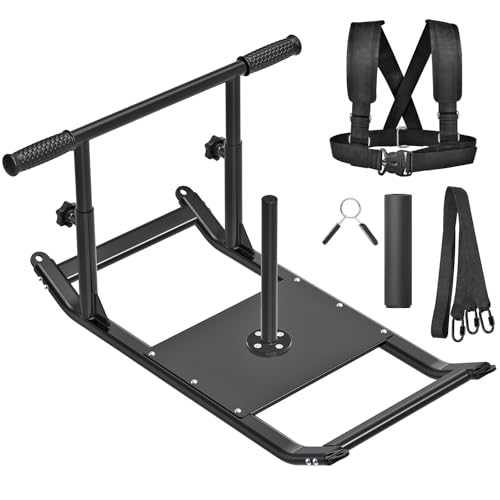
Kipika Training Weight Sled

Flexible Flyer Winter Lightning 48-Inch Sleds
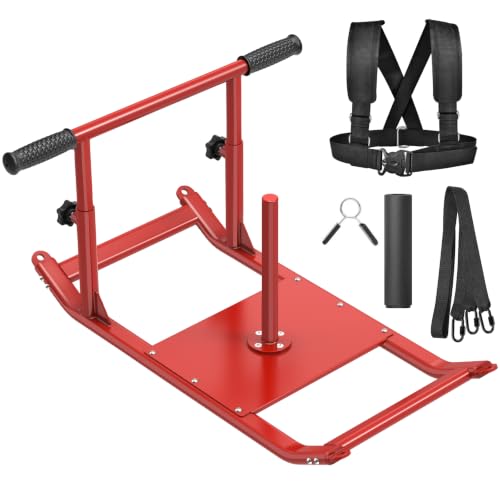
Kipika Weight Sleds for Training

POZA Set of 2 Inflatable Body Boards
More Details On Our Top Picks
Slippery Racer’s flexible plastic construction gives this toboggan a softer response over uneven snow than a rigid model. That matters on a neighborhood hill with shallow ruts or a path that has already been traveled several times.
The design serves one or two riders, so it can move from a parent helping a younger child to a pair of older kids sharing the descent. Compared with Lifetime’s rigid option, flexibility is the central difference, not just a styling detail.
Real-World Strengths
- Flexible body helps absorb bumps and rough patches.
- Seats one or two riders for flexible family use.
- Handles and pull rope support carrying and repositioning.
- Slick-coated plastic is intended for fast downhill runs.
Things To Consider
- It is a single sled, so two sibling groups will need another option.
- Careful storage helps prevent permanent bends or warping during off-season months.
Who It Suits Best
This model suits families with a variable winter hill, including riders who prefer a flexible toboggan over a hard shell.
Where Another Pick Suits Better
Flexible Flyer Winter Lightning 48-Inch Sleds suit larger groups because the set includes two sleds for shared outings.
Lifetime takes a firmer approach with a rigid sled body designed to resist bending and folding. That makes it a sensible storage piece for households that expect to use the same sled repeatedly across several winter seasons.
The aerodynamic shape supports downhill speed, while the molded seat pad and handle wraps give riders a more settled place to sit and hold on. Slippery Racer is the more flexible option, but Lifetime may feel more at home beside a garage door than a temporary seasonal toy.
What It Does Well
- Dual-wall construction improves resistance to everyday impacts.
- A rigid profile can feel more stable on a consistently groomed hill.
- Seat padding adds comfort during longer runs.
- Molded grips support a secure hold for children and adults.
Minor Gripes
- Rigid construction is less forgiving on deeply uneven snow than flexible plastic.
- Cleaning should happen before moisture and grit settle into the seat and grip areas.
The Right Fit
Lifetime Premium Snow Sled suits families with a reliable, groomed hill and a preference for a structured, long-term winter item.
Look Elsewhere When
Slippery Racer Downhill Xtreme Flexible Snow Sled fits riders who expect rougher terrain and value a more forgiving body.
This Kipika model is built for resistance training rather than downhill snow play. Adding compatible weight plates increases the load as an athlete pushes or pulls the sled across a field, making it useful for speed, strength, and conditioning drills.
Its elliptical tube design is intended to move over uneven surfaces, while the steel buckles and frame provide attachment points for the loading system. That makes it a different category from the winter sleds above, not a substitute for a child’s toboggan.
A Few Highlights
- Accepts 1-inch and 2-inch weight plates for adjustable resistance.
- Curved tubing helps the sled travel across uneven ground.
- Steel hardware supports repeated training setups.
- Useful for speed and strength work on a field.
Practical Considerations
- It requires compatible weight plates and a suitable training surface.
- This is not a snow sled for downhill riding.
- Inspect the buckles and frame between demanding sessions.
Made For In Mind
Kipika Training Weight Sled suits athletes who want adjustable resistance for outdoor conditioning, not children seeking a winter ride.
Another Choice May Suit
Lifetime Premium Snow Sled is the better fit for a household looking specifically for a rigid downhill snow sled.
Flexible Flyer’s 48-inch toboggan set is built around shared winter outings. Two red sleds give siblings or friends separate equipment, which is a practical advantage over the single Slippery Racer and Lifetime options.
The hard plastic bottom is intended to reduce friction on packed snow, while the newer resin construction adds flex without abandoning the familiar toboggan shape. For a busy family, carrying a second sled uphill may be easier than negotiating turns with one crowded ride.
Useful Strengths
- Two sleds support sibling turns and group play.
- Hard bottom favors smooth movement over packed snow.
- Resin body offers a flexible ride on ordinary winter hills.
- Lightweight construction helps children carry sleds uphill.
Small Caveats
- Two units need more storage space than a single sled.
- Very deep or rough snow can still slow a hard-bottomed toboggan.
Who Will Love This
Flexible Flyer Winter Lightning 48-Inch Sleds suit families with multiple riders who want separate equipment for snowy trips.
A Better Fit Elsewhere
Slippery Racer Downhill Xtreme Flexible Snow Sled suits smaller groups that prioritize a highly flexible single-sled setup.
Kipika’s training sled is aimed at push-pull drills, including football conditioning, rather than recreational downhill riding. The elliptical frame and flat-contact design are intended to travel across sports fields, where uneven ground can make a rigid training setup awkward.
Steel buckles hold compatible 1-inch or 2-inch plates, allowing the load to change as the athlete progresses. Compared with Kipika Training Weight Sled, this listing is more specifically framed for push-pull team work, so the intended activity should guide your choice.
Reasons It Performs
- Supports push and pull resistance exercises.
- Elliptical tubing is designed for field surfaces.
- Compatible plates let you adjust training load.
- Steel buckles add structured connection points.
Trade Offs To Consider
- Weight plates and suitable outdoor space are extra requirements.
- It offers no connection to snow play or downhill family rides.
- Training on rough pavement may reduce sled control.
Whose Shelf It Belongs On
This model suits football players and coaches who want a portable resistance tool for field-based push-pull sessions.
Consider Something Else When
Flexible Flyer Winter Lightning 48-Inch Sleds suit a family preparing for snowy hill days rather than athletic conditioning.
The POZA set moves the sled idea into warm-weather water play. Each 56-inch inflatable bodyboard gives kids a broad surface for floating, body surfing, and beach games, with handles for a more secure grip during active play.
Unlike the rigid winter models, these boards deflate for storage and use a quick-air valve for setup with an electric pump. The included repair patch helps address small punctures, while the two-board format keeps one child riding while another waits for a turn.
Benefits That Matter
- Two boards support shared pool or beach play.
- Pool-grade PVC provides a lightweight inflatable surface.
- Handles help children maintain a grip.
- Quick-air valve simplifies inflation and deflation.
- Repair patch supports continued use after a small puncture.
Areas To Watch
- The boards need an air pump and should be fully deflated for compact storage.
- They are made for water activities, not snow-covered hills.
Best Suited To
POZA Set of 2 Inflatable Body Boards suits families planning pool visits, beach days, or summer parties with children ages six and up.
Swap It Out When
Lifetime Premium Snow Sled is the better fit for a winter household that wants a rigid sled for downhill snow.
Choosing Sleds for Different Winter Days
Start with the surface. Snow sleds need a hill with enough room to stop safely, while training sleds need a field and compatible weight plates. An inflatable bodyboard belongs at a pool or beach, so choosing by the word “sled” alone can lead to the wrong equipment entirely.
Material and ride feel
Flexible plastic tends to absorb small bumps more readily, which can feel useful on a casual neighborhood hill. Rigid plastic, such as Lifetime’s dual-wall design, can feel more stable on consistently smooth snow but less adaptable to deep ruts. For most family sledding, the difference shows up after a few runs, not while unpacking the box.
Rider count and carrying
The Slippery Racer and Lifetime models each focus on a single sled, while Flexible Flyer includes two. A two-pack reduces turn-taking and gives each rider a separate option, but it also doubles the carrying and storage burden. Think about children walking uphill, not only the fastest downhill moment.
Controls and hardware
Training sleds use handles, straps, and weight plates rather than a seat and rope. The Kipika options are better for field conditioning, not children’s winter recreation. Check plate compatibility and inspect the frame or buckles before a demanding session.
Small Mistakes That Can Ruin a Sledding Day
Wrong Surface, Wrong Sled
A downhill sled will not work like a resistance sled, and a training sled is not intended for carrying children down snowy hills. Match the equipment to the activity before checking size or appearance. That simple distinction prevents a frustrating trip to the wrong part of the yard or sports field.
Inflatable Storage Mishaps
POZA boards need careful deflation before packing. Leaving air inside can create an unnecessary storage burden, and damp boards should be dried before being put away. A small repair patch helps with minor punctures, but it does not replace a proper check before play.
Frequently Asked Questions
Are childrens sleds safe for two riders?
Two-rider capacity depends on the specific sled and its stated weight accommodation, so check the product details and your riders’ sizes. Use a clear runout area, keep the hill free of traffic, and follow adult supervision guidance.
Is a flexible snow sled better than a rigid one?
A flexible sled can handle bumps more readily, while a rigid sled may feel steadier on smooth, prepared snow. Your terrain matters more than a universal winner.
Can the Kipika sleds carry weight plates?
The listed Kipika training models are designed for compatible 1-inch and 2-inch weight plates. You still need suitable plates and a training surface before adding resistance.
Are POZA bodyboards suitable for snow?
No. The POZA boards are inflatable water toys for pool or beach use, not downhill snow sleds. Inflate and use them only in the intended water setting.
How should winter sleds be stored?
Dry the sled before putting it away, remove packed snow and grit, and store it somewhere that will not leave it under a heavy object. Flexible models benefit from a storage spot where they can keep their shape between seasons.
Final Thoughts
The Slippery Racer is a practical fit for a flexible single sled, while Lifetime suits households wanting a rigid winter design. Flexible Flyer makes more sense when several children need their own equipment, and the Kipika options belong in athletic training rather than snow play. POZA serves a completely different season as a packable water option. Match the sled to the surface, the riders, and the space you actually have.
