

A kayak cooler has to earn its place in limited storage while keeping food secure, drinks cold, and gear organized. The six options below cover hard wheeled coolers for shoreline trips, soft bags that move between kayaks and campsites, and a narrow behind-seat design built around a seat-storage setup. Five also work as useful gear beyond paddling, although only five are actual coolers.
Your Options, Compared
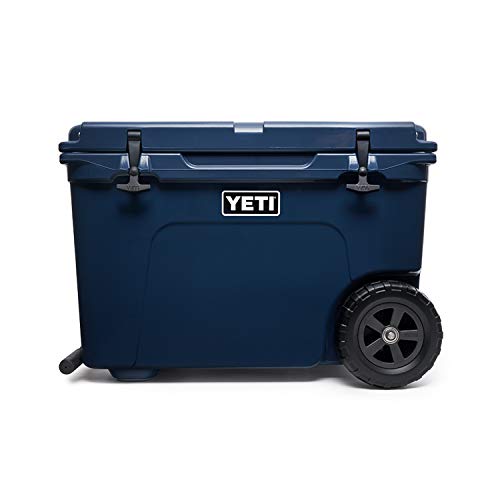
YETI Tundra Haul Cooler

YETI Roadie 32 Cooler

Skywin Behind-Seat Kayak Cooler

Hulongo 32L Cooler Bag

Maelstrom 36-Can Cooler Backpack

ohaayoo Waterproof Gel Kayak Seat Cushion
Meet The Standout Selections
The YETI Tundra Haul Cooler makes more sense for a remote launch than a tight kayak cockpit. Its wheeled design reduces the strain of moving a rigid cooler across gravel, campground paths, or a long shoreline approach, especially for solo paddlers carrying several other items.
By comparison, the YETI Roadie 32 Cooler offers a more compact travel format, while the Tundra Haul appears better suited to bulky provisions and rough access points. In our view, that distinction matters most on trips where the shoreline demands more hauling than paddling.
Points In Its Favor
- Impact- and puncture-resistant tires make uneven launches less disruptive.
- Welded aluminum handle supports a firm two-handed pull.
- Wheeled movement keeps a heavy rigid cooler off your shoulder and back.
- Rigid construction suits full food containers and longer shoreline trips.
Minor Gripes
- Its size and weight make storage in a small kayak difficult.
- Cleaning the wheel area after sandy launches requires extra attention.
Key Specs
Made For
You gain the most from this model during remote launches, campsite approaches, and other trips involving a long walk with a rigid cooler.
A Better Fit Elsewhere
The YETI Roadie 32 Cooler suits paddlers who value a smaller wheeled format and retractable handle over the Tundra Haul’s larger hauling setup.
Solo kayakers gain flexibility from the YETI Roadie 32 Cooler’s retractable handle and impact-resistant wheels. You can move provisions from a vehicle to a launch, then reposition the cooler at camp without dragging it across the ground.
The non-slip feet also make sense around boats and back seats, where a smooth cooler can slide during loading or unloading. Compared with the Tundra Haul Cooler, this model presents a more compact-looking option for people who regularly move between paddling and campsite setups.
Notable Upsides
- Retractable periscope-style handle clears the top during storage.
- Side grips support controlled carrying without occupying the lid.
- Rubber feet resist sliding in a boat or vehicle.
- Solid wheels simplify travel across parking areas and campground paths.
- The wheeled rigid format also works for fishing and camping.
Worth Noting
- Wheels still add weight and bulk to a solo touring load.
- Owners should clean grit from the tires after loose, sandy ground.
Quick Facts
Who Will Love This
You’ll appreciate this model as a solo kayaker who moves between a vehicle, launch, and campsite without wanting a large wheeled cooler.
Consider Something Else When
The Skywin Behind-Seat Kayak Cooler fits lawn-chair seating more directly, while the Roadie 32 remains better for land-based transport.
The Skywin Behind-Seat Kayak Cooler takes a different approach from the wheeled YETI options. Its narrow format fits behind a lawn-chair-style seat, preserving cockpit space for paddling while creating dedicated storage for food, drinks, and small accessories.
Removable mesh exterior pockets help separate frequently reached items from the insulated compartment, though the exact fit depends on your seat frame and attachment space. For a setup designed around behind-seat storage, that close integration is more useful than generic capacity.
Strong Points
- The slim shape addresses the limited storage behind kayak seats.
- Removable mesh pockets organize smaller paddling essentials.
- Mounting behind a seat keeps bulky supplies out of the cockpit.
Details To Watch
- Your kayak needs a compatible seat and attachment points.
- The available details do not confirm insulated duration or internal dimensions.
- Mesh pockets can collect splashes and need routine rinsing.
Right Fit For
This narrow cooler suits paddlers whose lawn-chair kayak already provides a suitable structure for secure behind-seat attachment.
Look Elsewhere When
The Maelstrom 36-Can Cooler Backpack fits mobile camping and hiking better when behind-seat mounting hardware isn’t available.
The Hulongo 32L Cooler Bag favors capacity over kayak-specific mounting. Its 32-liter volume can accommodate up to 48 cans, making it a practical base for a group lunch, campsite provisions, or a beach outing where every paddler shares the load.
The listed 16½-by-11½-by-10¼-inch dimensions are substantial, so you’ll need suitable deck storage, a trailer, or a vehicle as a base. Compared with the Skywin Behind-Seat Kayak Cooler, it carries more food but asks for considerably more space.
What Helps Most
- Up to 48-can capacity supports group meals and shared drinks.
- Soft construction folds into outdoor and camping use beyond kayaking.
- The stated 12-hour insulation target supports day-long outings.
- A defined capacity is easier to plan around than an open gear crate.
Trade Offs
- The 32-liter body is too large for many sit-on-top kayak decks.
- Soft insulation needs support to maintain its shape during storage.
Core Details
Built With In Mind
This bag makes sense for families or social paddlers using a trailer, vehicle, or larger kayak with secure deck space.
Another Choice May Suit
The Hulongo 32L Cooler Bag serves group outings better, while the Skywin Behind-Seat Kayak Cooler better serves solo paddlers with tight storage.
The Maelstrom 36-Can Cooler Backpack is less kayak-specific than the Skywin model, but its hands-free format works well around a vehicle, campsite, or beach. The sealed construction is intended to separate cold contents from surrounding gear, which is useful during damp outdoor trips.
Backpack straps can also create extra carrying strain during a long approach, depending on your conditioning and load. You gain mobility, but the pack needs to sit securely during transport and requires regular care around zippers, seams, and wet ground.
A Few Highlights
- The backpack format leaves both hands available while walking.
- Seam-heat-pressed construction reduces exposed joining seams.
- A 36-can reference offers a useful capacity target.
- Soft insulation supports camping, hiking, and beach use.
Possible Compromises
- A full load may feel heavy across a long shoreline.
- You should dry damp surfaces and inspect seams after wet outings.
Feature Snapshot
Who Should Grab It
You’ll find this pack most useful for beach days, campsite transfers, and short approaches where carrying straps beat kayak-specific mounting.
Where A Sibling Pick Shines
The YETI Roadie 32 Cooler handles rough ground more directly, while the Maelstrom pack offers a lighter-lying carry format.
The ohaayoo Waterproof Gel Kayak Seat Cushion doesn’t store food, so it belongs in the category as a supporting accessory rather than a cooler. Its gel layer adds cushioning beneath you, while the waterproof surface helps protect the seat from spray and wet gear during fishing or relaxed sightseeing.
Compared with the Skywin Behind-Seat Kayak Cooler, this cushion favors seating comfort instead of refrigerated storage. You’ll want to check your seat’s dimensions and attachment arrangement first, since the product is designed to serve as a portable pad across kayak, canoe, and boat seating.
Real-World Strengths
- Gel cushioning softens contact with a rigid kayak seat.
- Waterproof construction helps shield the seat from spray.
- A removable non-slip cover supports easier cleaning.
- The cover can be hand-washed or machine-washed.
Less-Strong Areas
- It offers no food or drink storage.
- Foam or gel pads can retain moisture, so drying after use matters.
Best Suited To
This cushion suits anglers and casual paddlers who spend more time seeking a comfortable, less slippery seat than easy access to chilled provisions.
Swap It Out When
The Hulongo 32L Cooler Bag provides actual food storage, making it the better fit for organized group lunches and full-day outings.
What Matters Before Choosing a Kayak Cooler
Storage location sets the format
A hard wheeled cooler performs well on shore but often consumes more storage than a kayak allows. Measure the space behind your seat, under the deck, or inside a cargo area before choosing based on capacity alone. The Skywin model is a specialized behind-seat option, while the wheeled YETI models favor land transport.
Capacity should match the group
A solo trip may need only lunch, water, and a few snacks, while two paddlers can quickly fill a soft bag. The listed capacities give you a starting reference, yet containers and ice consume internal space. Choose enough room for useful provisions without turning the cooler into the heaviest object at the launch.
Insulation and containment work together
Insulation slows heat transfer, while a leak-resistant body protects nearby gear from condensation or spills. Soft packs should be fully dried before storage, and seams deserve inspection after repeated wet use. Rigid models require fewer flexible joints but still collect grit around handles and wheels.
Transport has a real cost
A retractable handle helps on smooth paths, yet wheels become extra weight during a long carry. Backpack straps distribute a soft cooler across both shoulders, which can feel comfortable or tiring depending on the load. The best fit matches your route rather than just your kayak.
Practical Checks Before You Pack
Mistakes Worth Dodging
A large advertised capacity can conceal the space needed for ice, containers, and paddle gear. Measure the actual compartment and your kayak’s opening before ordering, especially for rigid or soft bags without kayak-specific mounting details.
What Paying More Often Adds
Higher-tier hard coolers often invest in rigid construction, wheeled hardware, and carry handles that survive repeated outdoor handling. The extra material can benefit rough launches and regular camping use, while soft packs remain more flexible for casual outings and mixed transport.
Frequently Asked Questions
What type of cooler fits best in a kayak?
A narrow behind-seat or compact soft cooler often fits small kayaks with limited deck space. Measure the seat frame, storage opening, and attachment points before choosing.
Are wheeled coolers useful for kayaking?
They work well for moving provisions from a vehicle to a launch or campsite. Wheels help on firm ground but add weight and remain less useful once you reach the water.
How much capacity does a solo paddler need?
Plan around lunches, water, snacks, and the space consumed by ice. Two-person trips generally need more room, though your outing length and container sizes matter more than a single capacity number.
Can a soft cooler bag be used for camping?
Yes, soft insulated bags work well for campsites, beaches, and vehicle-based outings. Dry the body and seams before folding or storing it to help prevent trapped moisture and mildew.
What should I dry after a kayak outing?
Rinse sand from wheels, wipe condensation from cooler interiors, and let padded or gel accessories dry fully. Store each component open to air whenever practical.
Final Verdict
The best kayak cooler depends on where most of your carrying happens. Choose a narrow mounted cooler for a compatible seat, a backpack for hands-free access, a soft bag for group outings, or a wheeled hard cooler for demanding shoreline approaches. Measure first, pack realistically, and choose the format that works on both the water and the path around it.
