

Choosing suitable canoes for Boundary Waters trips involves more than comparing hull shapes and lengths. You also need accurate route knowledge, a canoe that handles portages, and safe equipment for moving between lakes, rivers, and campsites. This lineup includes three planning resources and three inflatable BRIS boats, so it serves a mixed group: wilderness-focused travelers can build a stronger plan, while paddlers may find a compact support craft for fishing, hauling gear, or reaching a campsite. The books inform the journey; the inflatable boats support it, but they are not substitutes for a primary wilderness canoe.
A Fast Comparison Of The Options

Braving the Minnesota Wilderness

Canoe Country: An Embattled Wilderness

Boundary Waters Canoe Area Wilderness Trip Planning Guide

BRIS 1.2mm 12ft White Water Raft
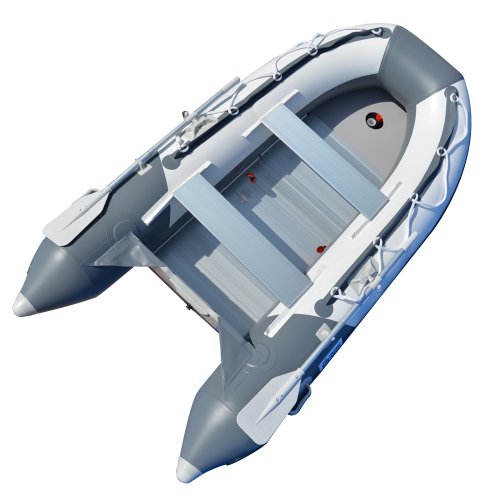
BRIS 10.8 ft Inflatable Dinghy

BRIS 1.2mm PVC 12.5 ft Inflatable Raft
A Deeper Look At The Lineup
Braving the Minnesota Wilderness is positioned as a regional title rather than a route manual or canoe listing. It may add useful context for travelers who want to understand Minnesota’s outdoors beyond the itinerary, particularly when your time includes reading around camp or planning a multi-day trip. The limited source information leaves its depth, format, and edition details unclear.
Compared with Boundary Waters Canoe Area Wilderness Trip Planning Guide, this book seems better suited to background reading than day-to-day logistics. It complements the more specialized planning resource rather than replacing current route, permit, access, and equipment information.
Strengths Worth Knowing
- Its Minnesota focus gives regional trips a broader cultural setting.
- Outdoor reading can enrich a slow, multi-day wilderness itinerary.
- The wilderness subject fits travelers curious about northern Minnesota beyond canoeing.
Small Caveats
- The available listing provides no author, publisher, format, or page-count details, so fit remains difficult to judge.
- For active route planning, the dedicated Boundary Waters title is the more direct resource.
Who It Suits Best
This book fits northern Minnesota travelers who want regional background alongside their paddling plans.
A Better Fit Elsewhere
Boundary Waters Canoe Area Wilderness Trip Planning Guide better serves paddlers who need a focused planning reference.
Canoe Country: An Embattled Wilderness brings a conservation-minded perspective to a trip shaped by wild lakes, portages, and changing weather. David Backes is the named author, while the title and subject matter suggest the strongest fit for readers who want to understand the pressures surrounding protected wilderness. You might read it before a trip or during downtime at camp.
That makes it a companion text, not a practical route sheet. Unlike Braving the Minnesota Wilderness, its title places canoe country and wilderness conflict at the center, which may be more meaningful for conservation-minded campers and repeat paddlers.
The Good Stuff
- The conservation theme adds context to the fragile landscapes you may cross.
- Its wilderness focus can support thoughtful trip planning beyond gear lists.
- The title is relevant to travelers interested in protected lake country.
Honest Caveats
- The source does not specify edition, format, or publication details, so physical suitability remains uncertain.
- Reading about conflict cannot substitute for checking current permits, access rules, weather, and route conditions.
Who Will Love This
This title rewards paddlers and campers who want conservation context alongside their wilderness experience.
Reach For A Different Pick
Braving the Minnesota Wilderness may appeal more to travelers seeking broader Minnesota regional context.
The Boundary Waters Canoe Area Wilderness Trip Planning Guide is the most directly aligned resource in this group. Its name explicitly centers BWCAW trip preparation, so it is the logical starting point for a traveler organizing camps, gear, and a linked chain of water routes. The listing also attributes it to the United States Department of Agriculture, which may lend relevance for its land-management context.
Compared with both earlier books, this one appears narrower and more operational. You would still need current information from official trip resources, because access conditions and regulations can change after any printed guide appears.
Real Benefits
- Its explicit planning focus helps you organize a wilderness itinerary before equipment goes on the packing list.
- The BWCAW-specific subject makes it more direct than the broader Minnesota titles.
- A planning guide can keep a complex route and camp schedule in one accessible reference.
Practical Considerations
- Printed guidance can age as trail conditions, access points, and campsite arrangements change.
- The available listing omits format and page count, so you may need to confirm portability before packing it.
Made For
This guide fits first-time and experienced paddlers who want a dedicated framework for organizing a BWCAW trip.
Another Choice May Suit
Canoe Country: An Embattled Wilderness better fits travelers who prefer conservation history over itinerary-focused preparation.
Moving from books to equipment, the BRIS 1.2mm 12ft White Water Raft is built around reinforced seams and substantial PVC tubing. Quadruple seams add strength at the joins, while 1.2 mm fabric and reinforced bottom areas make more sense for a gear-moving raft on rougher water than a lightweight recreational dinghy. The 12-foot format gives you room for supplies without pretending to be a full primary canoe.
It is a support craft, not a traditional canoe. Carry limitations, required safety equipment, launch access, and local operating rules need careful attention, especially across remote routes and portages.
Where It Delivers
- Quadruple seams strengthen the high-stress joins used in an inflatable raft.
- Heavy D-rings and full-length rub strips give you practical attachment and contact points.
- The 1.2 mm PVC construction favors durability for repeated gear hauling.
- Reinforced handles help during launching, carrying, and recovery.
Things To Weigh Up
- An inflatable raft needs thorough drying and regular seam inspection before storage.
- Transportation of the item is subject to hazardous-material rules, and the listing marks it non-returnable.
- Portage length and payload need a practical limit before loading a route.
Key Specs
The Right Fit
This raft suits experienced paddlers who need a reinforced support boat for moving gear over accessible water routes.
Where A Sibling Pick Shines
BRIS 10.8 ft Inflatable Dinghy fits shorter, calmer-water support duties where a motorboat platform matters more than white-water construction.
The BRIS 10.8 ft Inflatable Dinghy takes a different approach from the 12-foot white-water raft. Its aluminum floor board and marine-plywood transom create a flatter, more practical platform, while the stated compatibility with a 15-horsepower short-shaft motor makes it useful for fishing access, tender duty, or moving across calmer lakes. Four people fit comfortably, with room for a fifth under the stated maximum.
That motor support changes the use case, but it also adds weight, setup, and local operating considerations. Compared with the BRIS 1.2mm 12ft White Water Raft, this model looks more like a portable small-boat platform than a river-running cargo craft.
Features That Help
- The motor-compatible transom makes a compact auxiliary craft more versatile on calm water.
- Four-person comfortable capacity gives you room for people and moderate gear.
- 1100-denier, 0.9 mm PVC keeps the structure portable for a portable dinghy role.
Possible Compromises
- Thinner PVC makes this option less suited to sharp rocks and abrasive shorelines than the 1.2 mm models.
- The rigid floor and transom add parts that need secure storage and regular inspection.
- Owners should confirm local motor limits and transport rules before relying on it.
Feature Breakdown
Best Suited To
This dinghy fits calm-water campers who want a portable tender or fishing platform alongside a longer canoe route.
Look Elsewhere When
BRIS 1.2mm PVC 12.5 ft Inflatable Raft better serves travelers who prioritize reinforced fabric and more space over motor support.
The BRIS 1.2mm PVC 12.5 ft Inflatable Raft is the roomiest of the three BRIS selections and places extra emphasis on repeated use. Its 2000-denier, 1.2 mm PVC is doubled at the bottom of the tubes, increasing lower-side protection where rocks and coarse sand create abrasion. An aluminum floor board and marine-plywood transom keep the craft more platform-like than a basic open raft.
That construction makes it a sensible support craft for fishing, passengers, and gear on suitable routes, but it still isn’t a standard paddle canoe. You must account for route access, loading, inflation time, and the effort of carrying it across a portage.
Where It Helps
- Double-layer bottom material improves protection in abrasive launch areas.
- The 12.5-foot format offers more usable space than the 10.8-foot dinghy.
- 2000-denier, 1.2 mm PVC gives you a stouter structure than the 0.9 mm model.
- The transom and floor board create a useful base for gear and passengers.
Details To Watch
- The bottom reinforcement adds weight, so long carries between campsites can become tiring.
- Owners should inspect seams, valves, floor attachment, and transom components after major trips.
- The listed 30-day return process depends on the item arriving in its original condition.
Core Details
Built With In Mind
This raft fits frequent paddlers who need extra support-boat space and abrasion resistance for regular fishing or camping trips.
Consider Something Else When
BRIS 1.2mm 12ft White Water Raft better serves a narrower white-water and gear-hauling role with compact side rub strakes.
What Matters Most Before A Boundary Waters Canoe Purchase
Match The Hull To The Route
A wilderness canoe must handle the water, distance between camps, and amount of gear you plan to carry. A support inflatable boat does not replace that primary hull, and it may be impractical across long or difficult portages. Day trips, long motorless routes, and solo wilderness travel each place different demands on a canoe.
Distinguish Planning Books From Equipment
The three books serve different purposes. A route-focused guide can help organize your itinerary, while regional and conservation titles add historical context. None should replace current park information, campsite reservations, weather reports, water conditions, or transportation research.
Check Inflatable Loading And Portage Limits
The BRIS options range from 10.8 to 12.5 feet and from 0.9 mm to 1.2 mm PVC. Thicker, reinforced construction may suit repeated handling, yet every added pound matters on a portage. Consider passengers, cargo, motor equipment, inflation accessories, and your ability to lift the packed craft.
Account For Water And Shoreline Conditions
White-water-oriented support, motor-assisted fishing, and calm lake travel call for different equipment. Double-layered bottoms and rub strips help with abrasion, but they cannot prevent damage from every sharp or submerged object. Dry the craft thoroughly, inspect its joints, and store components away from prolonged heat and moisture.
Planning Lessons Before The Water Rises
Common Shopping Slip Ups
A major mistake is treating an inflatable raft as a standard canoe. Also, focus on the route and portage before choosing a support craft. A longer boat may carry more, but length can make storage and carrying harder.
What The Higher Tier Buys
Higher-grade fabric and added bottom layers mainly improve resistance to abrasion and repeated handling. Those features are useful for frequent fishing trips or rough access points, while a lighter dinghy may suit calmer water and easier storage. Match the construction to the route, not simply to the specification list.
Frequently Asked Questions For Canoes For Boundary Waters
Can An Inflatable Raft Replace A Wilderness Canoe?
Usually not for a primary motorless wilderness trip. An inflatable craft is better viewed as a support boat for suitable launches, fishing access, or gear movement.
Which Book Is Best For Route Planning?
Boundary Waters Canoe Area Wilderness Trip Planning Guide has the most specific planning focus. You should still confirm details through current official trip resources.
Is A 1.2 mm PVC Inflatable Better?
It offers more abrasion resistance than a 0.9 mm model, but extra weight can complicate portages. Your route and carrying ability matter more than thickness alone.
How Much Gear Should An Inflatable Support Boat Carry?
The stated capacity does not guarantee safe or practical loading. You should account for passengers, motor equipment, dry weight, weather, balance, and local operating requirements.
Which BRIS Model Fits Calm-Water Fishing?
The BRIS 10.8 ft Inflatable Dinghy is designed around a short-shaft motor platform. The larger 12.5-foot raft offers more space, while the 12-foot model emphasizes reinforced white-water construction.
Wrap Up
Start with a properly fitted primary canoe, current route information, and realistic portage plans. Choose among these books for history, conservation context, or itinerary structure, and consider a BRIS inflatable only as a support craft suited to your route and carrying capacity. The right setup should make the journey calmer without pretending to remove the wilderness demands.
