

A good hiking kit starts with the right balance of carrying capacity, weather coverage, and trail-ready support. Day hikers need less volume than overnight backpackers, while anyone building an emergency kit also needs food that stores easily and prepares without fuss. These six options cover quick-access storage, larger trail packs, drinkable nutrition, shelf-stable bars, and compact meal provisions for trips, emergencies, and busy weekends outdoors.
A Fast Comparison Of The Options

Pritent Crossbody Bag Convertible Shoulder Strap
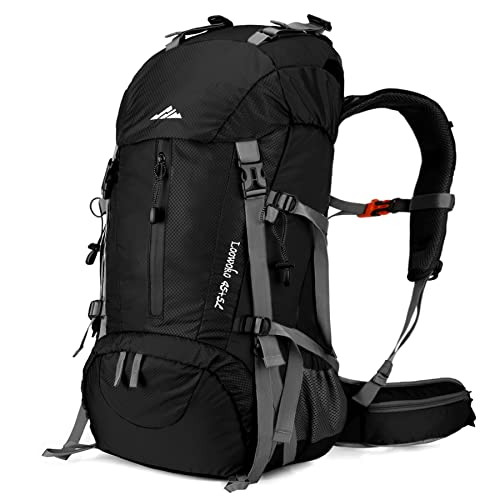
Loowoko 50L Hiking Backpack

Maelstrom 40L Lightweight Hiking Backpack

ROUNDHOUSE PROVISION Morning Kick Greens 3 Pack

Roundhouse Provisions Survival Ration Bars 6 Pack

Roundhouse Provisions 3 Day Emergency Meal Kit
More On The Choices That Made The List
The Pritent Crossbody Bag suits short walks, crowded trails, festivals, and errands where you want your phone close without occupying both hands. Its medium profile measures 7.5 by 3.5 by 14.5 inches, offering useful room without the bulk of a full backpack. That makes it more practical for frequent stops than the Loowoko 50L Hiking Backpack.
The detachable strap can extend to 34 inches and attach for either shoulder, which helps you shift the load as a day unfolds. For most trail walkers, the catch is that a crossbody bag offers less support and storage than a framed pack, particularly on steep or long routes.
The Value In It
- Converts between crossbody and casual sling carrying.
- Adjustable strap accommodates different body sizes.
- Keeps phones, keys, and small layers close at hand.
- Works for festivals, travel days, and short local hikes.
Worth Noting
- The smaller capacity may disappoint on overnight trips.
- Loose or frequently used items benefit from regular organization.
- The long strap can shift during busy, uneven walks.
Made For
Short-hike walkers, festivalgoers, and travelers who prioritize quick access over heavy-load support benefit most from this crossbody.
Another Choice May Suit
The Maelstrom 40L Lightweight Hiking Backpack suits hikers carrying layers, water, and other gear for a full day outside.
The Loowoko 50L Hiking Backpack is built around a simple idea: give overnight hikers room to organize substantial gear. Its 50-liter capacity is the largest listed here, making it the more practical choice for tent equipment, extra clothing, food, and other items that a smaller daypack may not comfortably hold.
For weekend backpackers, that extra volume can make the difference between a cramped carry and a balanced pack. Compared with the Maelstrom 40L Lightweight Hiking Backpack, though, the larger size can add bulk and may feel excessive for a quick loop around the trail.
What Earns Its Place
- 50 liters supports multi-day equipment needs.
- Internal-frame format helps organize a larger load.
- Useful for camping, overnight hikes, and longer routes.
Trade Offs
- Its larger capacity is unnecessary for casual day hikes.
- Owners should keep dense gear close to the center of the pack.
- No detailed fabric or adjustment specifications are supplied.
Built With In Mind
Weekend campers and hikers moving shelter, clothing, and a multi-day food supply benefit most from the 50L format.
A Better Fit Elsewhere
The Pritent Crossbody Bag Convertible Shoulder Strap is easier to manage for short walks that require only a phone, keys, and a light layer.
Maelstrom lands between the compact Pritent and roomier Loowoko with a 40-liter capacity, a middle ground for long day hikes and light camping. The internal-frame design gives the bag a more structured role on the trail, while a ventilated back panel, thick hip belt, and adjustable buckles focus on load management during longer walks.
A rain cover is included, which is useful in changeable mountain weather but still leaves normal care on your hands. A 40-liter pack may be less forgiving for bulky camping gear, so thoughtful packing matters. For most hikers, though, it offers the most useful capacity without taking on a particularly large silhouette.
Good Reasons To Consider
- 40 liters balances day-hike room and pack size.
- Ventilated back panel supports airflow during active walks.
- Thick hip belt offers a more structured carry.
- Rain cover adds protection during wet forecasts.
Small Caveats
- Bulky tent equipment may consume much of the 40-liter space.
- Rain covers need drying before long storage to prevent mildew.
- The survival whistle is a useful extra, not a replacement for proper training.
The Right Fit
Hikers carrying a full day of layers, water, snacks, and compact camping gear will find this capacity especially useful.
Look Elsewhere When
The Loowoko 50L Hiking Backpack gives overnight backpackers more room for a larger shelter and a heavier clothing load.
ROUNDHOUSE PROVISION Morning Kick Greens fits a morning routine more naturally than most of the trail bags, particularly for people who want something drinkable before work or a hike. The three-pack includes strawberry lemonade and watermelon mint varieties, each listed at 9.1 ounces, which gives you options rather than repeating the same flavor all week.
The powdered mix combines ashwagandha, collagen, and probiotics, while the listed formula is caffeine-free and sugar-free. That combination may appeal to people avoiding caffeine, but powdered greens can settle or clump, so mixing and storage deserve attention. This is a pantry supplement, not a replacement for balanced meals or trail nutrition.
Useful Highlights
- Three-pack supports routine variety.
- Strawberry lemonade and watermelon mint offer two listed flavors.
- Caffeine-free formula fits morning-oriented routines.
- 9.1-ounce packages are easy to keep in a kitchen or travel bag.
Points To Note
- Powder may need thorough mixing before drinking.
- Flavor and texture can depend on water temperature and mixing speed.
- Check the ingredient label for personal dietary considerations.
Who It Suits Best
People building a simple morning drink routine, especially those avoiding caffeine, are the strongest match.
Reach For A Different Pick
The Roundhouse Provisions Survival Ration Bars suit people who need a ready-to-eat item for a packed trail bag rather than a powdered drink.
These ration bars bring a different kind of preparation to hiking kits: food that travels without a cooking process. Each bar supplies 410 calories and is made with whole-grain sorghum, while the six-bar pack is easier to divide among a small group or place across separate emergency containers. Compared with the powdered greens, these are ready to eat after opening the wrapper.
The buttery lemon shortbread flavor and five-year shelf life make them practical for emergency storage, but shelf life does not replace rotation or sensible storage. Owners generally keep such food sealed, cool, and dry, and rotate it according to the label and local preparedness needs. They are not intended to replace a varied meal plan on every outdoor trip.
Features That Help
- Each bar provides 410 calories.
- Ready-to-eat format needs no water or cooking.
- Sorghum gives the bars a grain-based ingredient profile.
- Six-bar pack works well for compact storage.
- Five-year shelf life supports long-term planning.
Possible Compromises
- Six bars may not cover many people for several days.
- The flavor is fairly specific rather than suited to every preference.
- Keep wrappers sealed and rotate stock for a home emergency kit.
Built With In Mind
Households and hikers who want shelf-stable, no-cook food for emergency bags or short excursions will find these straightforward.
Swap It Out When
The Roundhouse Provisions 3 Day Emergency Meal Kit offers hot-water meals and 26 servings for a larger household or longer meal plan.
The Roundhouse Provisions 3 Day Emergency Meal Kit is built for households and hikers who want more meal variety than a stack of bars can provide. Its 26 servings create enough structure for a three-day kit, while the hot-water preparation method keeps cooking demands low during a camping trip or emergency.
Adding boiling water, stirring, and eating takes fewer steps than preparing a conventional freeze-dried meal, though you still need a suitable heat source and clean water. The stated 25-year shelf life is useful for advance planning, but packaging still needs to remain dry and intact. Compared with the ration bars, this kit occupies more space and calls for preparation.
Practical Pluses
- 26 servings suit a larger household or group.
- Simple boiling-water preparation reduces cooking steps.
- Meal format offers more variety than compact bars.
- Stated 25-year shelf life supports early stocking.
Where It Is Less Suited
- It needs boiling water and a heat source.
- Multiple cups and utensils can take more space than bars.
- Check the label for storage directions and serving needs.
Made For
Households preparing a three-day emergency plan, as well as campers who can boil water, are the strongest match.
Consider Something Else
The Roundhouse Provisions Survival Ration Bars are a simpler choice for trail snacks, travel days, and storage locations without a cooking setup.
Build Your Pack Around The Route
Capacity is the first useful divide. A compact crossbody works for short walks and errands, while a 40-liter backpack suits long day hikes and light camping. Overnight routes may call for the 50-liter Loowoko pack, especially when a tent and several clothing layers need room.
Fit matters more than a large number on the label. A hip belt, ventilated back panel, and adjustable buckle system can make a loaded pack more manageable, but you should still adjust the straps and keep dense items close to your body. Poorly distributed weight is uncomfortable regardless of how much space the bag provides.
Weather protection also changes your packing choices. A rain cover helps shield a backpack during wet forecasts, but exposed seams and openings can still admit moisture. Store the cover where you can find it quickly, and let damp fabric dry before packing it away.
Food planning should match the trip. Ration bars need little preparation and travel well, while hot-water meal kits add variety but require water, heat, and utensils. Keep ordinary trail snacks in your daily pack too, since emergency food is not automatically the most convenient choice for every snack break.
Match The Bag To The Duration
A day at the trail may only need a phone, keys, water, and a light layer. The Pritent crossbody handles that kind of load neatly, but its structure will not replace a proper pack on uneven terrain or long climbs. A 40-liter model is a practical middle point for people carrying more than a casual outing requires.
Plan Food Around Your Setup
The ration bars are easier to toss into a pack because they need no preparation. The three-day meal kit suits a more organized setup where boiling water is realistic. In either case, rotate emergency stock and review the package information before relying on it.
Before You Head Outside
Mistakes Worth Dodging
Choosing by color or capacity alone can leave you with a bag that feels wrong on the trail. A pack that seems roomy in a store may be uncomfortable once filled with water, clothing, and food. Check the fit, distribute the weight, and keep frequently used items near the top.
Another common mistake is forgetting how food will be prepared. Bars are convenient because they are ready to eat, while meal kits need a heat source and boiling water. Your route, weather, and available equipment should determine the format.
What The Higher Tier Buys
More money often buys useful construction, adjustment points, weather protection, or a more organized layout, but extra features do not automatically improve every trip. A larger pack earns its place only when your route requires the extra volume. A smaller or more specialized item can be the smarter choice for a short hike or a simple emergency shelf.
Frequently Asked Questions
What size pack is best for a day hike?
A 40-liter backpack generally offers room for water, layers, snacks, and compact extras. Smaller crossbody bags work well for short walks, while larger packs suit camping and overnight trips.
Do hiking backpacks need rain covers?
A rain cover adds useful protection during wet weather, but it does not replace careful packing or waterproof storage. Check the forecast and keep critical items in sealed bags.
Are emergency ration bars easy to carry?
Yes. Their ready-to-eat format saves cooking space and reduces preparation, which makes them useful for emergency bags and compact hiking kits.
Can I use a meal kit while camping?
A hot-water meal kit works well when your campsite has clean water and a reliable heat source. Bar options are simpler for trails and locations without cooking equipment.
How should I store emergency food?
Keep packaged food sealed, cool, and dry, following the package directions. Rotate stock periodically so older products do not remain in your kit longer than intended.
Wrap Up
Choose the Pritent for short walks, the Maelstrom for balanced day-hike capacity, and the Loowoko for bigger overnight loads. The Roundhouse options cover different preparedness needs, from grab-and-go bars to hot-water meals. The most useful kit is the one whose capacity, food format, and preparation method match your actual route.
