

Mounting an outdoor security camera starts with matching the hardware to the location. A wall bracket may suit a fixed SimpliSafe setup, while a wired dome, multi-camera system, or cellular model serves homes, cabins, and work areas with different connection needs. The six options below cover adjustable wall placement, local video storage, remote cellular coverage, and solar-powered flexibility, helping you choose a practical setup without paying for features your property may never use.
A Snapshot Of The Selections

UYODM SimpliSafe Camera Wall Mount 2-Pack
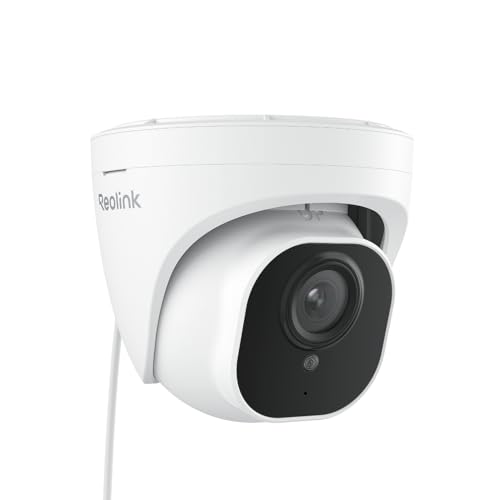
REOLINK RLC-820A 4K PoE Outdoor Dome Camera

REOLINK RLK8-520D4-5MP 5MP 8-Channel Security System

REOLINK 4K Solar 4G LTE Outdoor Security Camera

REOLINK Argus PT Solar 360° Outdoor Camera
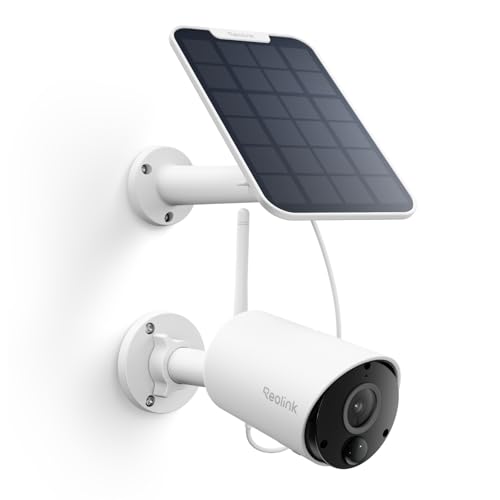
REOLINK Argus Eco 2K 5MP Solar Outdoor Camera
The Details Behind The Selections
This is an accessory rather than a complete security system, so it serves a narrower purpose than the five cameras that follow. Its two-pack format gives you spare mounting hardware for a front and rear wall, which can simplify a larger SimpliSafe setup.
The ball-jointed design favors properties where you may need to refine the camera angle after installation. The camera is not included, and you’ll need to confirm the 1/4-inch thread and attachment pattern before ordering.
Features That Help
- The 360-degree rotation and 90-degree tilt let you redirect the view around corners or entry approaches.
- Aluminum alloy and ABS combine metal rigidity with a lighter outer body.
- Two brackets support separate camera positions without another mount purchase.
- The white finish can blend into lighter exterior walls.
Details To Watch
- This bracket only fits a compatible SimpliSafe camera and does not include one.
- Owners still need suitable wall fasteners and a clear, stable mounting surface.
Key Specs
Made For
This bracket set fits homeowners with compatible SimpliSafe cameras who need flexible wall placement at more than one entry point.
A Better Fit Elsewhere
Choose REOLINK RLC-820A for a complete wired camera rather than an adjustment accessory for an existing setup.
Moving from a simple bracket to a full camera changes the installation substantially. The RLC-820A uses Power over Ethernet, or PoE, to send power and data through one network cable, making it a cleaner choice for a fixed commercial entry or garage wall.
Its dome housing and 4K resolution suit a stationary view where sharp detail matters more than remote repositioning. On-device person and vehicle detection can also reduce irrelevant alerts, though exact coverage depends on placement.
A Few Strong Suits
- PoE removes the need for a separate power lead at the camera location.
- The 4K image supplies extra detail for identifying activity near doors and driveways.
- On-device detection distinguishes people and vehicles from other moving objects.
- A dome form can present a tidy appearance beneath an entry canopy.
Practical Considerations
- You’ll need compatible network infrastructure and a protected cable route.
- Unlike the earlier UYODM bracket, this model includes the camera but requires a more involved setup.
Quick Facts
Right Fit For
This camera serves properties with reliable Ethernet access and a fixed location where detailed surveillance is more important than solar power.
Another Choice May Suit
REOLINK Argus PT offers easier wireless placement for yards without nearby network wiring.
A single camera rarely covers an entire property, so this system scales the discussion from one mounting point to eight channels. Its network video recorder and 2TB hard drive consolidate several wired camera feeds into a local storage setup.
That makes it a sensible fit for a house with multiple approaches, a small office, or a workshop. You’re trading the solar simplicity of later choices for centralized recording and broader fixed-camera coverage.
Where It Excels
- Eight channels support a coordinated view of doors, yards, parking areas, and outbuildings.
- The included 2TB hard drive provides substantial local recording capacity.
- 5MP cameras offer more detail than a basic 1080p setup.
- Person, animal, and vehicle detection can make multi-camera monitoring more manageable.
Possible Compromises
- Running several wired cameras requires cable planning around every mounting location.
- The system depends on compatible PoE cameras and a central recorder connection.
- Storage maintenance includes checking hard-drive health and keeping the recorder accessible.
Built With In Mind
This system fits homes and small workplaces that need multiple fixed viewpoints and a central local recording destination.
Swap It Out When
REOLINK 4K Solar 4G LTE Outdoor Security Camera fits a remote building where running Ethernet would be impractical.
Solar power and cellular data remove two obstacles that commonly limit outdoor cameras: access to electrical wiring and local Wi-Fi. That makes this model relevant to cabins, rural buildings, construction areas, and other spots without convenient network infrastructure.
The 4K sensor provides detailed daytime and low-light imagery, but the placement challenge moves to sunlight and cellular reception. In our view, a southern-facing position with an unobstructed view of the sky is more useful than a shaded wall.
The Good Stuff
- Solar energy reduces routine charging and cable routing.
- 4G LTE supports properties beyond dependable Wi-Fi range.
- 4K imagery helps reveal finer detail around gates, driveways, and equipment.
- Wireless placement allows you to choose the camera position after surveying reception.
Areas To Watch
- Cellular coverage must reach the mounting point for dependable operation.
- Nearby shade or obstructions can reduce the solar panel’s available light.
Technical Highlights
Who Will Love This
This camera suits people securing remote cabins, work sites, and rural buildings that have cellular service but no convenient wired network.
Not Your Match When
REOLINK Argus Eco is the simpler choice for a normal backyard covered by your existing Wi-Fi network.
Where the RLC-820A stays in one directed view, the Argus PT can pan and tilt to cover a wider section of a yard. That flexibility makes one unit more practical for open driveways, patios, and broad exterior walls.
It supports 2.4GHz and 5GHz Wi-Fi and can work with a Reolink solar panel, keeping the camera off the house wiring. The honest catch is that it still needs local wireless coverage and a suitable elevated mounting point.
Points In Its Favor
- 355-degree horizontal movement and 140-degree vertical tilt reduce the need for multiple cameras.
- Color night vision retains visible detail after dark without another visible-light source.
- Compatibility with a solar panel supports a wire-free placement.
- Dual-band Wi-Fi offers more connection options than a 2.4GHz-only setup.
Soft Limits
- Remote motion tracking and pan-and-tilt views can make a single scene less precise.
- The solar panel’s placement must receive useful sunlight, which may require a separate mounting point.
Who Should Grab It
This model fits homeowners who want one solar-capable camera to monitor a wide yard from an elevated position.
Where A Sibling Pick Shines
REOLINK RLK8-520D4-5MP offers more useful detail when you need several fixed views and central local recording.
The Argus Eco keeps the solar and wireless approach but favors a straightforward fixed view over moving coverage. Its bullet-style housing fits naturally along a wall, fence, or exterior corner aimed at a specific entrance.
The supplied 3-watt solar panel and 2K 5MP resolution make it a practical option for a garden, side path, or backyard gate. Compared with the Argus PT, you trade broad mechanical movement for a more consistent field of view.
What Stands Out
- The 3-watt solar panel supports an off-grid position without a nearby outlet.
- 2K 5MP footage captures more detail than a standard 1080p camera.
- Fixed directional framing is useful for continuously watching one doorway or path.
- The compact wireless arrangement keeps exterior cable runs to a minimum.
Minor Gripes
- A fixed camera cannot follow activity beyond its aimed area.
- Shaded panel placement can reduce charging during cloudy stretches.
- Periodic lens cleaning and mount checks help preserve the view after rain and debris.
Feature Snapshot
The Right Fit
This camera suits homeowners needing a compact solar option for a specific gate, path, or wall-mounted view.
Look Elsewhere When
REOLINK Argus PT fits a wider yard where motorized pan and tilt will be more useful than a fixed direction.
Choose the Connection Before the Mount
The right hardware begins with distance and infrastructure. A wall bracket needs a stable surface and compatible camera thread, while a complete outdoor camera also raises questions about power, video transmission, and recording. Decide where each unit will live before selecting an adjustable or fixed design.
Check the Existing Camera
Start with equipment you already own. The UYODM bracket only makes sense for its stated SimpliSafe compatibility, and its included 1/4-inch connection does not mean every security camera will fit. Confirm the camera model, attachment pattern, and wall material before ordering.
Match Power to the Location
Power over Ethernet provides a stable wired route for the RLC-820A, while the RLK8-520D4-5MP system extends that approach across several channels. Solar options suit locations without cables, but their output depends on available sunlight. For a shaded wall, a remote spot, or a frequently overcast climate, plan conservatively.
Consider Connection Reach
Local Wi-Fi works for the Argus PT and Argus Eco, while 4G LTE serves locations beyond convenient router range. Walls, metal buildings, and terrain can weaken wireless signals, so test the intended position before committing. A camera that looks convenient on paper may struggle at the actual mount.
Set the Coverage Goal
Mechanical pan and tilt works well for open yards with several activity zones. Fixed cameras suit a door, path, or driveway where one clear direction matters. Multi-channel systems make sense across larger properties, but they demand more cable planning and centralized storage maintenance.
Add Routine Upkeep
Exterior mounts collect rain, dirt, leaves, and vibration. Periodically clean the lens, inspect fasteners, and confirm that the camera still points where intended. Solar panels also need an unobstructed view of the sky, while accessible recorders make storage checks easier.
Practical Lessons Before You Commit
Mistakes Worth Dodging
A common mistake is treating mounting range and camera capability as the same thing. A bracket offers positioning flexibility but no recording, storage, or power. Another error is choosing a wireless location without checking Wi-Fi or cellular reception, so evaluate connectivity at the actual mounting point rather than beside the router.
What The Higher Tier Buys
Higher-tier systems tend to add resolution, recording capacity, detection features, or broader mounting flexibility. Those additions help larger properties but add wiring, storage, and maintenance demands. Spend up only after you know how many viewpoints you need and what your property can support.
Frequently Asked Questions
Can one outdoor camera cover a whole property?
One camera can cover a focused area, though walls, corners, and landscaping create blind spots. Large properties generally benefit from several viewpoints or a multi-channel system.
Is a wall mount better than a freestanding camera?
A wall mount tends to provide a higher, more stable viewpoint with fewer exposed cables. Freestanding or solar options are easier to relocate, but their placement can be more exposed.
Do solar security cameras work in winter?
Solar charging depends on daylight, temperature, and available sun. Cameras in shaded or frequently cloudy locations may need more careful placement and occasional battery attention.
Can I use an adjustable wall bracket with any camera?
No. You need to confirm the camera model, thread size, attachment interface, and load requirements before choosing a bracket.
Is cellular better than Wi-Fi for an outdoor camera?
Cellular suits remote buildings where running cables or extending Wi-Fi is difficult. Wi-Fi remains simpler around a home with dependable coverage at the camera location.
Final Verdict
Choose the UYODM bracket for an existing compatible SimpliSafe camera, the RLC-820A for reliable wired detail, or the eight-channel system for broad fixed coverage. For locations without cabling, the 4G model reaches beyond Wi-Fi, while the Argus PT favors wide movement and the Argus Eco keeps the setup compact. Match the connection method and coverage area to your property, then check maintenance access before installation.
