

Outdoor sound has a way of disappearing the moment a portable speaker lands on a table. Patio diners, boaters, and outdoor-movie fans need stable wireless connections, enough output for open air, and hardware that suits the space. The tricky part is that “outdoor” can mean very different things, from TV-focused wireless cinema to wired marine speakers and compact portable audio.
The strongest fit depends on your setup. A wireless home-theater system suits covered rooms and screened patios, a marine pair belongs on a boat, and a portable speaker makes more sense for casual listening away from home.
The Choices Worth Comparing
PickWhy It Stands OutBest ForAction
 Editor’s Choice
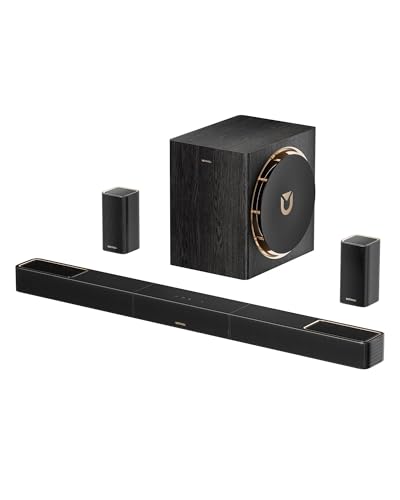
ULTIMEA Skywave X50 5.1.4ch Wireless Surround System
Flexible wireless home cinema
Covered patios and media rooms
 Value Pick
ULTIMEA Skywave X40 5.1.2ch Dolby Atmos Sound Bar
Simpler TV sound upgrade
Apartment TVs and smaller rooms
 Upgrade Pick
ULTIMEA Skywave X70 7.1.4ch Wireless Surround System
Expanded cinema channel layout
Dedicated home theaters
 Compact Choice
Portable 10W Stereo Outdoor Speaker
Portable battery-powered listening
Small patios and day trips
 Marine Pick
Pyle 5.25-Inch Dual Marine Speakers, 150W Pair
Marine-ready wired construction
Boats and off-road vehicles
 Dependable Option
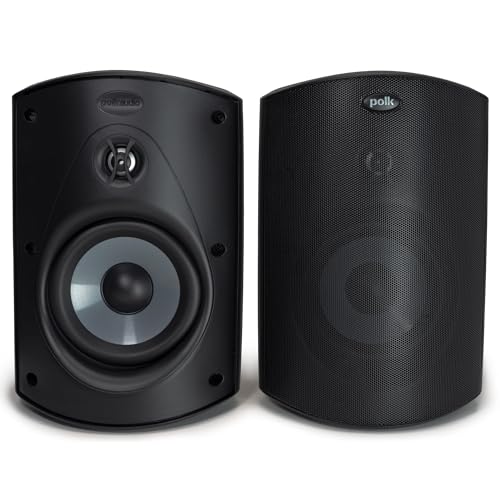
Polk Audio Atrium 6 Outdoor Speakers, 100W Pair
Wired all-weather speaker pair
Patios, gardens, and decks
A Deeper Look At The Lineup
The Choices Worth Comparing
ULTIMEA Skywave X50 5.1.4ch Wireless Surround System
ULTIMEA Skywave X40 5.1.2ch Dolby Atmos Sound Bar
ULTIMEA Skywave X70 7.1.4ch Wireless Surround System
Portable 10W Stereo Outdoor Speaker
Pyle 5.25-Inch Dual Marine Speakers, 150W Pair
Polk Audio Atrium 6 Outdoor Speakers, 100W Pair
The Skywave X50 targets people who want a home-theater layout without running speaker cables across a room. Its 5.1.4-channel design adds vertical height channels, which can make overhead effects feel more dimensional than a basic two-channel setup.
For a covered patio or media room, dual 5GHz wireless transmission provides a sensible reason to consider it, especially in homes crowded with Wi-Fi devices. You’ll still need to place the rear and height speakers thoughtfully, and its home-theater design may not provide the weather resistance required for an uncovered space.
Benefits That Matter
- Wireless rear and height channels reduce visible cable runs.
- Vertical audio complements films and large game displays.
- Dual 5GHz transmission targets interference and connection stability.
- The 5.1.4 layout sits between a conventional surround setup and the X70.
Points To Keep In Mind
- No weather-resistance level is stated, so outdoor exposure remains uncertain.
- Several speakers require careful placement and power access.
Key Facts
Made For
You benefit most in a covered entertainment room with a large display and a willingness to place multiple powered speakers.
Another Choice May Suit
ULTIMEA Skywave X40 suits you better when a sound bar and wireless subwoofer offer a simpler setup for a smaller TV area.
The X40 trades the X50’s room-filling speaker array for a more compact sound-bar arrangement. Its 530-watt rating, wireless subwoofer, and 5.1.2-channel layout make it a straightforward option for apartments, guest rooms, and covered patios that lack space for several satellite speakers.
Dolby Atmos, which uses layered audio to suggest height and surrounding movement, is the headline attraction here. Dual 5GHz wireless transmission supports the wireless side of the system, while HDMI eARC provides a practical return-audio connection to a compatible television.
Everyday Perks
- The sound bar keeps the main speaker near your television.
- A wireless subwoofer reduces cabinet-rattling bass without another full-size speaker.
- HDMI eARC simplifies audio return over a compatible HDMI connection.
- 4K HDR pass-through preserves your television’s picture format.
Small Caveats
- It offers fewer discrete surround and height channels than the X70.
- Open-air listening may expose the 530-watt rating’s limits, especially at higher volumes.
- You need compatible television and HDMI features for the intended connection.
Quick Facts
Who It Suits Best
You benefit most in a compact apartment or covered patio where a sound bar is easier to place than a full wireless speaker system.
A Better Fit Elsewhere
ULTIMEA Skywave X70 fits you better for a dedicated theater with space for a wider 7.1.4-channel layout.
The X70 is the roomier option of the three ULTIMEA systems here, carrying a 7.1.4-channel layout for people who want more distinct surround positions and height effects than the X40 or X50 can provide. It feels suited to a dedicated theater, though the supplied details don’t describe weather resistance for exposed outdoor use.
Compared with the X50’s 5.1.4 layout, this model adds two main surround channels, which can help fill a wide listening area. Dual 5GHz wireless transmission is useful in a busy home, but you’ll need to plan speaker placement, access to power, and the line of sight between components before committing to a multi-speaker setup.
Positive Takeaways
- The 7.1.4 layout provides more channels than either ULTIMEA alternative here.
- Wireless transmission reduces the visual burden of long cable runs.
- Height channels can make cinematic effects feel less confined to the screen.
Worth Noting
- The larger channel count increases setup complexity.
- No outdoor weather rating is provided, so an uncovered patio is a poor assumption.
- Multiple speakers can complicate placement in a compact room.
Built With In Mind
You benefit most in a dedicated theater or large covered media room with enough room to place rear and height speakers.
Where Another Pick Shines
ULTIMEA Skywave X40 fits you better when fewer components and a sound-bar-centered layout matter more than maximum channel count.
This portable QERTYHKK speaker takes a different route from the ULTIMEA systems. Instead of a TV-centered theater array, it uses a 10-watt stereo system, battery power, and a metal enclosure for portable listening around a patio, campsite, or picnic area.
Its 2.0-channel layout means left and right audio, while the 10-watt output remains modest for open space. The metal cabinet gives it a more purposeful feel than a basic plastic speaker, and the stated waterproof design suits people who expect splashes during outdoor use. Coverage after prolonged exposure remains less certain.
Key Advantages
- Battery power removes the need for a cable during casual listening.
- The 2.0 stereo layout separates left and right channels.
- Metal construction feels more robust for a portable outdoor enclosure.
- Memory-card playback gives you an option beyond phone-based audio.
Honest Caveats
- 10 watts is limited for a large patio or noisy public area.
- Battery life isn’t specified, so long outings require cautious planning.
- It isn’t designed as a TV surround system.
Travel Ready
You benefit most for casual music at small gatherings, short trips, or quiet areas where portability matters more than channel count.
Another Choice May Suit
Pyle 5.25-Inch Dual Marine Speakers fit you better when your priority is wired, boat-mounted audio rather than portable battery listening.
Pyle takes the marine setting seriously with a pair of wired 5.25-inch speakers designed for boats, personal watercraft, and off-road vehicles. Each enclosure uses a two-way design, meaning separate drivers handle lower and higher frequencies, while the low-profile shape should be easier to fit into a compact mounting area.
For a boat, the combination of a 4-ohm load, included wiring, and mounting hardware is more useful than wireless convenience. The stated 150 watts is peak output rather than continuous power, so the cleaner comparison is 75 watts RMS per speaker. Owners commonly need to check wiring distance and amplifier compatibility before installation.
What Makes Sense
- Weather-resistant construction suits exposed vehicle and marine settings.
- A 4.49-inch cutout supports relatively standard replacement planning.
- The included wire and hardware simplify a paired installation.
- The 75-watt RMS rating gives you a clearer power baseline than peak wattage alone.
Trade Offs
- Wired installation requires routing cable through your vehicle or boat.
- The 5.25-inch size may not fit every existing opening.
- It is built for vehicle audio, not a wireless TV theater.
Technical Highlights
Boats and Vehicles
You benefit most on a boat, marine watercraft, or off-road vehicle where a wired 5.25-inch replacement fits the available opening.
Reach For A Different Pick
Polk Audio Atrium 6 Outdoor Speakers fit you better for permanent wired audio around a home patio or garden.
The Polk Audio Atrium 6 pair is built for permanent outdoor listening, whether you want music on a covered deck or background audio in a garden. Its 5.25-inch dynamic-balance polypropylene woofers handle low and midrange frequencies, while 1-inch anodized aluminum dome tweeters handle higher frequencies.
Unlike the portable QERTYHKK option, this is a wired system that stays connected to your amplifier or receiver. The 100-watt rating makes it a more substantial home-outdoor choice, and PowerPort bass venting is intended to support low-end output. You’ll need to plan cable routing and amplifier placement carefully.
A Strong Showing
- Weatherproof construction supports year-round outdoor placement.
- The woofer-and-tweeter layout supports fuller stereo music than a small portable speaker.
- PowerPort bass venting helps the system deliver lower-frequency sound.
- Wired operation avoids wireless pairing issues during gatherings.
Practical Considerations
- Installation requires an amplifier, speaker wire, and suitable mounting locations.
- Open areas can still overwhelm modest outdoor speakers at high volume.
Right Fit For
You benefit most with a fixed patio, deck, or garden where permanent speakers and wired control make more sense.
Where Another Pick Shines
Portable 10W Stereo Outdoor Speaker suits you better for casual listening where battery power and compact size matter more than permanent installation.
What Matters Before You Choose Outdoor Audio
Start by deciding what “outdoor” means for your space. A covered patio may accept electronics that aren’t designed for rain, while a boat, garden, or open deck calls for weather-conscious construction. TV surround systems, portable speakers, and wired marine pairs solve different problems, so the location should decide much of the shortlist.
Weather Resistance And Placement
For exposed areas, look for a stated outdoor or marine design and consider the speaker’s mounting position. Avoid placing an indoor-rated sound bar where sprinklers, pool splash, or seasonal rain can reach it. A low-profile pair can work well on a boat, while permanently mounted patio speakers need secure brackets and cable routes.
Wireless Or Wired Connections
Wireless systems reduce cable clutter and make rearranging easier, but they still need power and a sensible signal path. Dual 5GHz transmission can help with household interference, though you should still place rear speakers where the signal can reach them. Wired pairs are less flexible, yet they often make more sense for fixed installations because there’s no pairing step to manage.
Channel Layout And Listening Space
A 5.1.2-channel sound bar emphasizes a compact layout with height effects, while 5.1.4 and 7.1.4 systems provide more surround positions. More channels can improve placement flexibility in a large room, but they also mean more speakers and more setup decisions. Match the layout to the room rather than choosing complexity for its own sake.
Power And Practical Listening
Portable 10W audio suits small patios and short outings, yet the power level is modest for open spaces. Permanent speakers can sound more convincing outdoors, but they need a receiver or amplifier and suitable wiring. For most people, the best choice is the system you can place, power, maintain, and actually listen to comfortably.
Keeping Outdoor Audio Setup Simple
Common Shopping Slip Ups
A common mistake is treating a compact sound bar like a permanent outdoor speaker. Another is buying a wired marine pair for a living room without checking the opening and amplifier. Measure your mounting area, confirm the connection style, and decide whether you need TV surround channels or portable music before choosing.
What The Higher Tier Buys
A higher-tier home-theater system adds more surround or height channels, which can make large rooms feel more evenly covered. The extra complexity matters in a dedicated theater, but it can be unnecessary in a modest apartment. Choose the upgrade for placement needs and room size, not simply for the channel number.
Frequently Asked Questions
Can I use an indoor sound bar outside?
You can use one under a fully covered, dry area, but moisture and temperature exposure remain concerns. Choose a stated outdoor or weather-resistant model for open-air use.
Are wireless outdoor surround systems easier to install?
They usually reduce visible cable runs, though each speaker still needs power and correct placement. Wired systems require cable routing but avoid wireless pairing concerns.
What channel layout is best for a patio?
A 5.1.2-channel sound bar suits a compact covered patio, while 5.1.4 or 7.1.4 systems make more sense in larger spaces with room for multiple speakers.
Are marine speakers suitable for gardens?
Marine speakers can work outdoors where weather resistance and secure mounting matter. Permanent garden installations also need suitable wire protection and amplifier placement.
How much power does an outdoor speaker need?
A portable 10W speaker suits close listening and small spaces. Larger patios, gardens, and boats benefit from a powered or properly matched wired system.
Final Thoughts
Choose ULTIMEA Skywave X50 for a balanced wireless home-theater layout, or the X40 for a simpler sound-bar setup. The X70 makes more sense in a spacious dedicated theater. For genuinely exposed outdoor audio, the Pyle marine pair or Polk Audio Atrium 6 speakers offer a more natural fit, with the right choice determined mainly by where the speakers will live.
