

Security trail cameras help you monitor remote properties, woodland edges, driveways, and hunting areas where running cable isn’t practical. The right setup depends heavily on coverage, connectivity, power availability, and how securely the camera handles weather and wildlife. This lineup includes cellular cameras, mounting hardware, and a battery box so you can build a system that suits your location rather than settling for a mismatched bundle.
The Lineup, Simplified

K&F Concept 2 Pack Camera Holders

Camojojo 1/4-20 Adjustable Trail Camera Mounting Bracket

Stealth Cam Revolver PRO 40MP

Stealth Cam 12V Battery

Moultrie Edge 2 Cellular Trail Camera
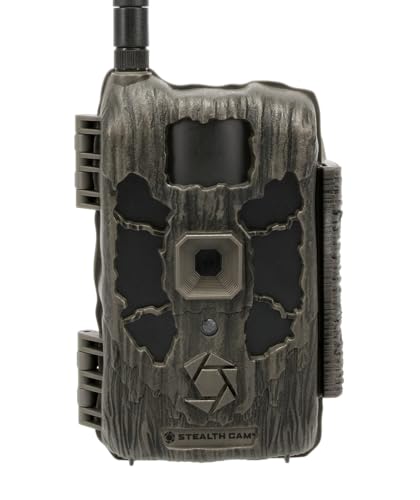
Stealth Cam Deceptor Max 2.0
The Strengths Of Each Pick
A stable mount can matter more than another feature on the camera itself. This K&F Concept set gives you two tree holders, which works well for paired coverage or a spare position, and its wide movement range helps frame a trail or clearing after installation.
The 1/4-by-20-thread connection fits many trail cameras that use that standard mounting pattern. For a woodland property with several useful vantage points, two mounts make planning a broader layout more manageable.
Strengths Worth Knowing
- Two mounts support separate camera positions without another bracket purchase.
- Horizontal rotation and vertical tilt let you refine the view after mounting.
- The standard threaded connection suits many conventional trail cameras.
- A stated load capacity of 2 kg offers a useful weight ceiling for planning.
Points To Note
- The 2 kg limit means heavier equipment needs another mounting approach.
- Owners still need to inspect the tightened joints periodically, especially after storms or animals strike the mount.
Key Specs
Who It Suits Best
You benefit most from this set when monitoring a wooded property with several trees and cameras using a 1/4-by-20 mounting thread.
Where Another Pick Suits Better
The Camojojo 1/4-20 Adjustable Trail Camera Mounting Bracket better serves installations that need a strap, screws, and wall-mounting options.
Where the K&F Concept set concentrates on tree mounting, this Camojojo bracket gives you more ways to position a camera. A threaded insert connects to a 1/4-by-20 fitting, while the included strap, screws, and Allen key support tree or wall installations.
Its horizontal and vertical movement helps compensate for angled surfaces and uneven sight lines. For most outdoor camera placements, that flexibility can reduce the need to move the mount repeatedly after an animal crosses the frame.
Good Reasons To Consider
- The mounting hardware supports both tree and wall setups.
- Independent aiming adjustments help center a trail, gate, or property entrance.
- The included strap and screws reduce the need for separate installation pieces.
- A mount guide supports initial positioning for first-time outdoor camera owners.
- The bracket has broader positioning range than a simple fixed tree mount.
Some Limits To Know
- You receive one bracket, so a two-camera layout requires another holder.
- Hardware can loosen over time in exposed positions and benefits from routine checks.
- Surface condition and fastening method strongly affect holding strength.
Quick Facts
Made For
This bracket fits you best when the camera needs flexible tree positioning or the installation must also accommodate a wall or similar flat surface.
Consider Something Else When
The K&F Concept 2 Pack Camera Holders suit you better when you need two tree mounts and plan to use cameras with the same standard connection.
A single fixed camera can leave blind spots wherever the lens does not point. The Stealth Cam Revolver PRO takes a different approach with a 360-degree rotating design, presenting panoramic coverage in one housing for remote properties where mounting several separate cameras would be inconvenient.
Cellular connectivity suits locations beyond reliable Wi-Fi, while the listed 40MP photos and 1440P video at 30 frames per second provide detailed daytime and low-light capture. Coverage may still vary with foliage, placement, and cellular signal at your site.
Advantages To Know
- The rotating design reduces the need for multiple cameras around an open monitoring point.
- 40MP photo resolution supports detailed identification of distant subjects.
- 1440P video at 30 frames per second offers smoother motion footage.
- Cellular transmission removes the need for a Wi-Fi connection at the camera.
- Panoramic operation fits open trails, yards, and remote property entrances.
- The 0.4-second figure reflects the camera’s fast-response positioning.
Honest Caveats
- Wide coverage does not remove the need to clear nearby vegetation from the view.
- Cellular service depends on signal strength and carrier coverage at the installation site.
Feature Snapshot
Right Fit For
You get the most from this camera when you need broad cellular coverage from a single point and cannot conveniently install several conventional cameras.
A Better Fit Elsewhere
The Moultrie Edge 2 Cellular Trail Camera better suits you when a conventional forward-facing view and built-in media storage matter more than a rotating panoramic design.
Power becomes the limiting factor once a security trail camera sits beyond a vehicle or building. The Stealth Cam 12V Battery is an external battery-box option for a compatible setup, making it more useful as part of a planned system than as a stand-alone camera.
Cold-weather scouting and hunting placements benefit from reducing routine battery changes. In our view, dependable remote power is especially helpful during a long seasonal deployment, although your setup needs compatible 12-volt wiring and appropriate weather protection.
Everyday Advantages
- External battery power reduces dependence on disposable cells for compatible cameras.
- The box format suits remote installations where charging access is limited.
- Seasonal scouting becomes easier to manage with less frequent power changes.
Practical Considerations
- It is a battery box rather than a complete security trail camera.
- You must confirm the electrical connection and camera compatibility before installation.
- Moisture management and periodic connection checks remain important during wet weather.
- Actual run time depends on the camera, recording activity, temperature, and battery condition.
Built With In Mind
This battery box best supports you during a long cold-weather deployment where a compatible trail camera needs a more practical external power arrangement.
Another Choice May Suit
The Stealth Cam Revolver PRO 40MP is the better complete solution when you need a camera and cellular monitoring rather than an external power accessory.
Unlike the Revolver PRO’s rotating panoramic approach, the Moultrie Edge 2 concentrates on detailed forward-facing captures in a conventional trail-camera format. That makes it easier to compare with standard game cameras already positioned along a trail or property boundary.
The 36MP photos, 1080p video, and 0.4-second trigger speed support detailed, responsive recording, while built-in memory removes the need for a removable SD card. Cellular service still depends on a usable signal, so checking coverage before mounting is important.
Where It Helps
- 36MP photos provide useful detail for identifying people, vehicles, and wildlife.
- The fast trigger helps limit missed movement near frequently traveled paths.
- Multiple capture modes give you some flexibility for different monitoring needs.
- Built-in storage simplifies transfers without a separate memory card.
- Automatic multi-carrier connection can improve remote service selection.
Smaller Details
- Cellular reception remains a location-specific consideration.
- Its fixed viewing angle leaves more blind spots than the Revolver PRO.
- Built-in storage should be checked regularly so important recordings are not overlooked.
Technical Highlights
Who Will Love This
You may prefer this camera for a wooded trail, hunting property, or remote driveway where detailed forward-facing images and cellular transfers are your main priorities.
Where A Sibling Pick Shines
The Stealth Cam Revolver PRO 40MP serves you better when one mounting point must cover a much wider 360-degree area.
The Deceptor Max 2.0 brings the processing emphasis of the Stealth Cam Revolver PRO into a more conventional trail-camera format. Dual-core processing handles image capture and cellular uploads at the same time, a useful approach for a property where delayed transfers could make remote monitoring less convenient.
You can select 4MP, 8MP, 16MP, or 40MP photo resolution, giving you a practical choice between file size and detail. Its 1440P recording and image-compression features favor users who want more information from each clip, though cellular signal and power planning remain essential.
Where It Excels
- Dual-core processing supports simultaneous capture and uploading.
- Selectable photo resolution gives you control over detail and file demands.
- The 40MP option can help identify distant activity in open landscapes.
- 1440P video provides detailed footage for movement review.
- Improved compression can make efficient use of cellular transfer bandwidth.
Points To Keep In Mind
- The highest resolution setting may place greater demands on storage and transmission.
- Cellular reception and available power determine how well remote operation performs.
- You still need a sturdy mount and regular lens cleaning in dusty or rainy locations.
The Right Fit
You benefit most from this model when detailed media, selectable resolution, and simultaneous cellular processing matter across a busy remote property.
Look Elsewhere When
The Camojojo 1/4-20 Adjustable Trail Camera Mounting Bracket is the better fit when your immediate need is secure positioning rather than a complete cellular camera.
Choosing The Right Coverage And Power
Start with the scene you need to monitor. A gate, narrow trail, or driveway may suit a conventional fixed view, while an open clearing can benefit from the Revolver PRO’s rotating design. Check the intended sight lines before choosing mounting hardware, and make sure the camera’s 1/4-by-20 thread matches your bracket.
Cellular service needs a deliberate site check. A camera that works near your home may struggle in a valley, dense woodland, or metal-sided building, so compare likely carrier coverage with your remote location. A cellular plan should also match the network used by your chosen camera.
Power planning determines long-term convenience. Disposable batteries are simple, while a 12-volt battery box may reduce maintenance in cold or remote installations. The box requires compatible wiring, weather protection, and occasional connection checks, so treat it as one component in a complete setup.
Mounting deserves equal attention. The K&F Concept holders suit two-camera tree arrangements, while the Camojojo bracket offers strap and screw options for trees or walls. Position the camera high enough to discourage interference, secure the fasteners, and leave a clear view of the monitored area.
Practical Details Before You Choose
Common Shopping Slip Ups
The easiest mistake is choosing a camera before confirming cellular coverage at the exact site. Another common error is overlooking the mounting thread, power arrangement, or required viewing angle, which can leave you with several accessories that fail to work together.
What The Higher Tier Buys
Higher-tier models commonly add resolution, wider coverage, faster processing, and more flexible connectivity. Those improvements make sense for large properties or frequent remote uploads; a smaller monitoring job may need only dependable basic capture and a stable mount.
Frequently Asked Questions
Do security trail cameras work without Wi-Fi?
Cellular models can operate without local Wi-Fi, though service coverage must reach the installation site. Non-cellular cameras can also work independently by saving media to removable or built-in storage.
What mounting thread do trail cameras use?
Many trail cameras use a 1/4-by-20 threaded connection on the underside. Confirm the fitting on your camera before ordering a bracket or tree holder.
Is a 360-degree trail camera better?
A rotating camera can reduce blind spots around an open area, but foliage and nearby structures can still block portions of the view. Fixed cameras often suit narrow trails and entrances more efficiently.
How should I power a remote camera?
Battery choice depends on runtime, temperature, recording activity, and access for maintenance. A compatible 12-volt battery box can support extended deployments, but wiring and weather protection require careful installation.
Do I need cellular service for remote monitoring?
You need cellular service to view or manage recordings remotely through cellular transmission. A non-cellular camera still records locally, though you must retrieve its media physically.
Final Verdict
Choose the Stealth Cam Revolver PRO 40MP for broad single-point coverage, or the Moultrie Edge 2 Cellular Trail Camera for a balanced fixed view and built-in storage. The Stealth Cam Deceptor Max 2.0 adds processing flexibility, while the K&F Concept and Camojojo brackets handle positioning. Match every accessory to the camera’s thread, power setup, and remote location before mounting.
