

Deer salt licks make more sense when the animal, setting, and block format all line up. Horses and livestock may need a hanging salt source, while deer setups often favor a dense mineral rock placed in a protected yard or near observation areas. I compare block size, rope mounting, mineral composition, weather resistance, and ease of storage to help me separate practical options from merely bulky ones.
Salt licks supplement a balanced feeding plan; they do not replace clean water, appropriate feed, or guidance from a veterinarian or livestock nutritionist. I also distinguish pure salt and mineral blocks from attractant bricks made primarily for deer activity around hunting or photography areas.
The Shortlist At A Glance

POHS Himalayan Salt Lick on Rope 6 lb

UMAID Himalayan Salt Lick 3 lbs, 6 Pack

UMAID Himalayan Salt Lick 6 lbs on Rope, 4 Pack

Jurassic Rock 15 lb Mammoth Mineral Rock

Himalayan Nature Deer Salt Brick 5 lb
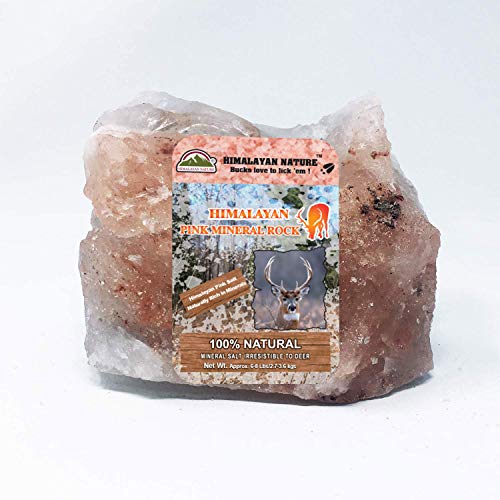
Himalayan Nature Hand-Carved Pink Rock 5 lb

Himalayan Nature Rock Salt Licking Brick 5-8 lb

Wildgame Innovations Sugar Beet Crushed Block 4 lb
Why These Options Stand Out
The single 6-pound format makes this a straightforward option for a stall, paddock, or small livestock setup. Its pink Himalayan rock and hanging rope suit animals that need access above damp ground, while the broad species range makes mixed barns easier to serve.
Compared with the smaller multipack from UMAID, this block offers more mass in one location and less packaging. The rope is the practical detail for daily use, although secure mounting matters in playful or crowded barns.
What Helps Most
- The 6-pound block reduces constant refilling compared with lighter salt bricks.
- The rope keeps the rock suspended and away from mud in barns and paddocks.
- One dense block fits horses, cattle, goats, sheep, alpacas, llamas, and deer.
- The pink mineral rock works indoors or outdoors under normal farm conditions.
Practical Considerations
- One block may not suit a property with many animals or several widely separated feeding areas.
- Salt residue can collect around the rope, so owners may need to inspect the attachment and ground periodically.
Key Specs
Built With In Mind
This block fits horse owners, hobby farms, and ranches that want one substantial hanging lick for several livestock species.
A Better Fit Elsewhere
UMAID Himalayan Salt Lick 6 lbs on Rope, 4 Pack serves larger properties that need separate blocks in multiple barns or paddocks.
Six separate 3-pound blocks make distribution the main advantage here. A barn, pasture gate, and stall can each have a hanging lick without repeatedly moving one heavy block between locations.
That flexibility makes this more useful than the single POHS block for a medium-sized property. The lighter units may also be easier to install initially, though six ropes and six mounting points require proper setup.
Everyday Wins
- Six blocks can be placed across separate livestock zones.
- The rope format keeps mineral off wet ground.
- Three-pound blocks offer a middle ground between compact bricks and heavier rocks.
Worth Noting
- Storage needs rise because each block occupies separate packaging.
- Some properties may use a single larger block more efficiently.
- Owners commonly need to check ropes for stretching around active animals.
Right Fit
This six-block format suits farms and hobby properties that want separate salt access points for horses, goats, deer, and mixed livestock.
Consider Something Else
Jurassic Rock 15 lb Mammoth Mineral Rock offers a larger freestanding format for spacious wildlife areas without rope mounting.
Four 6-pound blocks provide a sensible middle ground between the POHS single block and the six smaller UMAID blocks. The format feels especially logical for livestock properties with several shelters or paddocks.
Each rope-mounted rock can stay in a dedicated feeding area, reducing competition and transport. In my view, the main appeal is operational convenience rather than any one mineral feature.
The Upside
- Four large blocks support convenient distribution across a property.
- Each 6-pound rock has substantial mass for regular use.
- Rope mounting helps separate the lick from soil and standing water.
- The broad livestock format suits horses, goats, sheep, cattle, alpacas, and deer.
Storage Details
- Four blocks need protected storage before installation.
- Ropes and attachment points require routine checks in busy barns.
Core Details
Made For
This multipack fits ranches and barns that need several large salt locations in different paddocks or shelters.
Another Choice May Suit
POHS Himalayan Salt Lick on Rope 6 lb is a simpler fit for a single stall or compact livestock area.
The 15-pound scale marks this as a substantial wildlife mineral rather than a lightweight salt brick. It is positioned for deer and other wild or farm animals, including elk, antelope, caribou, moose, goats, and sheep.
Unlike the rope options, the freestanding format fits open properties where overhead hanging hardware is absent. For most rural setups, that simplicity can outweigh the need to elevate a smaller block.
What Works In Its Favor
- The 15-pound mass suits sustained outdoor placement and fewer refills.
- The mineral formula serves several deer and hoofed animal species.
- A freestanding rock needs no rope, bracket, or hanging point.
- The large block can serve a broad wildlife-oriented property.
Things To Weigh
- The full-size rock takes more effort to transport and position.
- Rain exposure and ground conditions may affect appearance and handling.
- It is less convenient for a stall than a hanging 3-pound block.
Product Snapshot
Who It Suits Best
This rock fits rural properties and wildlife areas where space, low setup demand, and a large mineral source matter most.
Reach For A Different Pick
Himalayan Nature Deer Salt Brick 5 lb offers a smaller format for controlled placements and easier storage.
The 2-by-4-by-8-inch brick gives this salt block a defined footprint that is easier to place on a level surface than a round rock. It fits deer and farm animals without requiring livestock-scale mass.
That moderate size makes it more flexible than the 15-pound Jurassic Rock block. The trade-off is less reserve weight, particularly for busy properties or long intervals between replacements.
A Strong Showing
- The compact brick simplifies storage and controlled outdoor placement.
- Defined dimensions make stable positioning easier.
- Himalayan rock salt provides naturally occurring trace minerals and electrolytes.
- One block can serve deer, horses, goats, sheep, and other livestock.
Small Caveats
- Five pounds may disappear faster than a larger block at high-use sites.
- The flat brick needs a level base to remain stable while animals lick it.
Feature Facts
Best Suited To
This brick suits deer properties, mixed farms, and backyard livestock setups that value manageable size and simple placement.
Look Elsewhere
Wildgame Innovations Sugar Beet Crushed Block 4 lb is a more specialized fit for attracting deer near observation or hunting equipment.
Hand carving gives this five-pound rock a more natural appearance than the sharply rectangular Himalayan Nature brick. That matters in a visible wildlife area, photography location, or property where presentation matters.
The listing also positions it for hunting and wildlife observation, although its mineral rock format can suit stable horses, cattle, and sheep. For daily farm feeding, the POHS hanging block may feel more structured.
What Earns Its Place
- The carved form blends more naturally into a visible outdoor setting.
- Five-pound mass is easier to move than the 15-pound Jurassic Rock.
- Solid pink mineral salt suits wildlife observation and photography areas.
- Farm animals can also use the rock.
Possible Compromises
- Its natural carving may produce less predictable placement than a brick.
- The smaller block may need more frequent replacement than 6- or 15-pound options.
- Owners may need to keep the rock clear of loose soil.
Who Should Grab It
This carved rock fits wildlife photographers and property managers who want a natural-looking mineral source in a visible outdoor location.
Not Your Match
Himalayan Nature Rock Salt Licking Brick 5-8 lb better serves exposed livestock installations where durability and easy placement matter more than appearance.
This rock brick emphasizes resistance to rain, biting, and weathering. That makes it a logical choice for an exposed pasture or livestock shelter where a softer block would need closer monitoring.
Unlike the rope-mounted products, it needs no overhead installation. The source also states that it can encourage greater water consumption through salt intake, so access to clean water remains an essential ownership consideration.
The Value In It
- Rain resistance supports continued outdoor use.
- Resistance to biting suits livestock that lick aggressively.
- The dense rock is intended to last longer under regular use.
- Horses, goats, sheep, deer, and other livestock can use the format.
Details To Watch
- Heavy use can still shorten the replacement interval.
- The rock should sit on stable, well-drained ground.
- Clean water must remain available with routine salt access.
Technical Highlights
The Right Fit
This block suits farms and ranches placing a durable salt source in an exposed pasture or unsheltered livestock area.
Swap It Out
UMAID Himalayan Salt Lick 3 lbs, 6 Pack offers a better fit for properties that prefer multiple rope-hung locations in separate stalls.
Sugar beet makes this the most specialized entry in the roundup. It targets deer activity rather than serving as a straightforward Himalayan salt rock, which gives it a different role near trail cameras and hunting areas.
The crushed form is intended to release sweetness gradually, while included rack-building minerals add a supplementary component. Compared with the broad wildlife mineral from Jurassic Rock, this block prioritizes attraction and observation.
Benefits That Matter
- Sugar beet gives deer a distinct attraction cue at the site.
- The gradual release format supports repeated visits over time.
- Mineral content adds value beyond the sweet attractant component.
- The four-pound brick is manageable for hunting and photography setups.
Potential Drawbacks
- This format is less neutral than plain pink salt in a visible property.
- Weather exposure can affect the crushed block and its usable life.
- Owners commonly need to place it securely against disturbance or heavy rain.
Whose Shelf It Belongs On
This block fits wildlife observers and hunting property managers seeking deer activity near a trail camera or controlled outdoor site.
Where A Sibling Pick Shines
Jurassic Rock 15 lb Mammoth Mineral Rock is the more practical alternative for broad year-round mineral placement without an attractant focus.
Choosing A Block For Animals And Place
A useful salt lick starts with the animal rather than the package. Horses, cattle, goats, sheep, alpacas, llamas, and deer can all use mineral blocks, but their size, behavior, and typical feeding environment differ. Horses may interact aggressively with hanging blocks, while deer often need a placement that feels natural within a larger yard or wildlife area.
Block Size And Consumption
Weight matters because mineral blocks are consumed gradually. A 3-pound block is easier to move and mount, a 5- or 6-pound rock offers more reserve mass, and a 15-pound block can reduce replacement frequency in spacious outdoor settings. The right choice depends on animal count, licking habits, and how often the location can be checked.
For larger properties, multipacks may be more useful than one heavy block. Four 6-pound blocks allow separate placement in multiple barns, whereas a single block is easier for one stall, shelter, or feeding station.
Hanging Or Freestanding
A rope raises the salt away from soil, mud, and standing water. That is valuable in a stall or paddock, although the attachment must withstand pulling and swinging. Freestanding rocks need no hardware, but they require a stable base and enough room for animals to approach from different angles.
For a busy barn, I prefer the control of separate hanging points. For an open wildlife property, a broad rock placed on level ground may be simpler and less conspicuous.
Mineral Or Attractant Block
Himalayan rock salt emphasizes naturally occurring minerals and electrolytes. Wildlife mineral blocks may serve a broader range of hoofed animals, while sugar beet bricks focus more heavily on attracting deer to an observation or hunting location. The latter belongs in a specialized setup rather than serving as a general farm salt choice.
Weather And Water
Rain resistance matters for exposed placements, but no outdoor block should remain in deep mud or unstable soil. Rope-hung options also need periodic inspection for stretching, cracking, or salt buildup. Clean water should remain accessible wherever animals routinely use salt.
Practical Checks Before Setup
Mistakes Worth Dodging
Choosing by color alone overlooks practical differences in weight, mounting, and mineral format. A pink block may be ideal for livestock, while a sugar beet brick serves a narrower observation purpose. Always match the format to the animal and setting before checking the package size.
The Upgrade Payoff
A larger block can reduce replacement frequency in a heavily used location, while a rope can prevent contact with wet ground. The additional material or mounting hardware is worthwhile only when it solves a real space, weather, or access issue. Smaller properties may gain more from a compact brick than from a larger multipack.
