Mountain biking can be thrilling, but it also comes with its share of challenges. Recognizing common mountain biking mistakes can significantly enhance your riding experience. When you address these issues, you not only improve your skills but also boost your safety on the trails. For instance, studies show that many riders face injuries due to overlooked training and preparation.
Evidence Type | Details |
|---|---|
Risk of Injury | 55% of officers reported injuries while on bike patrol or during training, indicating a need for better training to reduce these incidents. |
Training Requirement | Only 68% of officers were required to pass a certified training course, highlighting a gap in necessary training for safety. |
By focusing on fixes, you can enjoy your rides more and minimize risks.
Key Takeaways
Adjust your saddle height for comfort and efficiency. A small change can prevent injuries like knee pain.
Maintain a relaxed grip on the handlebars. This improves control and helps you react better to trail conditions.
Check your tire pressure before every ride. Proper inflation enhances performance and reduces the risk of punctures.
Riding Mistakes
Saddle Height Issues
Getting your saddle height right is crucial for a comfortable and efficient ride. If your saddle is too high or too low, it can lead to serious problems. For instance, an incorrect saddle height can change how your muscles activate, leading to overuse injuries like knee pain or lower back pain. You might not realize it, but even a small adjustment can make a big difference.
Here are some methods to find your optimal saddle height:
Method | How to Determine | Pros | Cons |
|---|---|---|---|
Heel Method | Sit on the saddle, place heel on lower pedal, adjust until knee is straight. | No special equipment needed, quick adjustments, good starting point. | Rough estimate, may require further tweaking, doesn’t account for pedaling style. |
LeMond Method | Inseam x 0.883 for saddle height. | Mathematical basis, simple to execute. | Doesn’t account for crank length, often overestimates saddle height. |
Hamley Method | Inseam x 1.09 for saddle height. | Incorporates crank length, offers consistency. | Doesn’t account for cleat positioning, often overestimates saddle height. |
Holmes Method | Measure knee angle with goniometer while pedaling. | More precise measurement of knee angle. | Requires assistance or video setup, may be complex for beginners. |
Over-Gripping Handlebars
Many riders grip their handlebars too tightly, which can lead to fatigue and reduced control. Instead, try to maintain a loose grip. This helps you react better to the trail’s conditions. When you face unexpected challenges, remember to relax your arms. Stiffening them can limit your ability to maneuver effectively.
Here are some tips to prevent over-gripping:
Stay relaxed and avoid gripping harder when facing unexpected challenges.
Allow your arms and legs to absorb the trail’s movements for better bike control.
Focus on looking ahead for solutions rather than fixating on immediate problems.
Poor Body Positioning
Your body position plays a significant role in your riding performance. If you lean the wrong way or fail to distribute your weight properly, you risk losing control. Here are some effective strategies to improve your body position:
Create a Base of Support: Keep your knees above or behind the bottom bracket to maintain stability.
Hinge Your Hips: Engage your core and hinge at the hips to help maintain control.
Distribute Your Weight: Lower your center of mass to enhance stability, especially on technical terrain.
Row & Anti-Row: Use dynamic movements to navigate obstacles effectively.
Not Looking Ahead
One of the most common MTB riding mistakes is not looking far enough down the trail. If you focus only on the ground right in front of you, you might miss upcoming obstacles. Instead, practice visual scanning techniques to enhance your trail awareness. Here are some skills to develop:
Visual Skill | Description |
|---|---|
Ambient Vision | Helps create spatial awareness and navigate the environment, crucial for avoiding obstacles. |
Focal Vision | Focuses on details, allowing bikers to spot and avoid sharp rocks and other hazards. |
Sports Vision Training | Enhances skills like balance, depth perception, and dynamic visual acuity for better biking control. |
By improving your awareness and looking ahead, you can react more quickly and avoid potential hazards.
Maintenance Mistakes
Tire Pressure Neglect
One of the most common maintenance mistakes you can make is neglecting your tire pressure. Many riders forget to check it regularly, which can lead to serious performance and safety issues. When your tires are under-inflated, you face higher rolling resistance and poor handling. This increases the risk of pinch punctures and rim damage. On the flip side, over-inflated tires can make your ride harsh and reduce grip, especially on rough terrain.
Mountain bikers frequently overlook checking tire pressure, which can lead to significant performance and safety issues. Improper inflation can cause higher rolling resistance, poor handling, and an increased risk of pinch punctures and rim damage. Over-inflated tires may result in a harsh ride and reduced grip, raising the chances of punctures or blowouts, especially on rough terrain.
To keep your ride smooth and safe, check your tire pressure before every ride. Here’s a quick reference for recommended tire pressure adjustments based on conditions:
Condition | Recommended PSI Adjustment |
|---|---|
General Fall MTB | Lower by 2–3 PSI |
Front Tire | Softer for better grip |
Rear Tire | Firmer for rim protection |
Example Rider | 24F/26R for 180 lb rider |
Chain Maintenance Oversight
Another area where many riders slip up is chain maintenance. Ignoring your chain can lead to poor power transfer and increased wear on your bike’s drivetrain. You might notice signs like chain slippage, skipping, or excessive rust. These issues not only affect your ride quality but can also create safety hazards.
To keep your chain in top shape, follow these best practices:
Use a biodegradable degreaser to clean the chain and apply lubricant after it dries.
Lubricate the chain whenever it squeaks or appears dry, especially after wet rides to prevent rust.
Clean the chain frequently using a rag and degreaser for light grime. For heavily soiled chains, consider using a chain cleaning device.
After cleaning, apply lubricant to each link and wipe off excess to prevent dirt attraction.
By maintaining your chain, you can enhance your bike’s performance and extend its lifespan.
Brake Functionality Checks
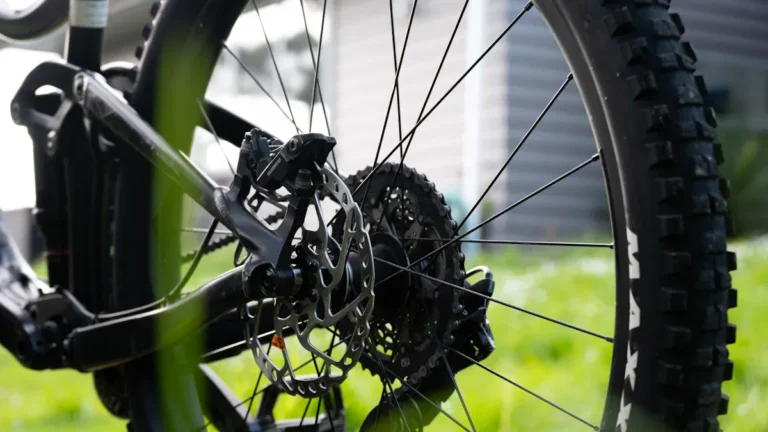
Your brakes are critical for safety, yet many riders neglect regular checks. You should perform brake functionality checks before every ride. This simple step can prevent accidents and costly repairs down the line. Common brake issues include weak braking power, spongy brake levers, and brake drag.
Brake Problem | Main Symptoms | Risk Level |
|---|---|---|
Weak braking power | Longer stopping distance | High |
Spongy brake lever | Soft or inconsistent feel | High |
Brake drag | Resistance, reduced range | Medium |
Overheating brakes | Brake fade, burning smell | High |
To avoid these problems, ensure you regularly maintain your brake systems. Proper brake pad selection and upgrading to larger rotors can help with heat dissipation. Using metallic brake pads can also prevent overheating.
By addressing these maintenance mistakes, you can enjoy a safer and more efficient ride on your mountain bike.
Beginner Mistakes
Overestimating Skill Level
Many beginners fall into the trap of overestimating their skill level. You might feel confident after a few rides, but this can lead to dangerous situations. Younger riders often see themselves as risk-takers, driven by adrenaline. They may tackle challenging trails without recognizing their limitations. This overconfidence can result in accidents when you push beyond your capabilities. To avoid this, assess your skills honestly. Consider taking a fitness assessment or a skills clinic to understand your strengths and weaknesses better.
Inappropriate Gear Selection
Choosing an inappropriate bike can also hinder your progress. Beginners should start with a 28 or 30-tooth chainring. This setup makes climbing easier and helps you build confidence. As you gain experience, you can move to larger sizes. Remember, the right gear can make a significant difference in your riding experience. If you’re unsure, consult with a local bike shop for recommendations tailored to your terrain.
Lack of Trail Awareness
Trail awareness is crucial for safety and enjoyment. Many beginner mountain biking mistakes stem from not paying attention to the trail. Stick to green trails to build your skills gradually. Always yield to non-bikers and communicate with other riders to avoid accidents. Planning your rides is essential too. Check your bike’s condition and inform someone of your route. Understanding trail conditions and local guidelines can enhance your riding experience and keep you safe.
Recognizing and fixing common mountain biking mistakes can transform your riding experience. Experienced bikers say that avoiding these errors boosts safety and enjoyment. Plus, addressing mistakes helps you develop your skills faster. So, take the time to apply these fixes. You’ll ride safer and have more fun on the trails! 🚵♂️
FAQ
What should I do if I see someone not wearing a helmet?
Encourage them to wear a helmet. It’s essential for safety and protects against head injuries on the trails.
How can I improve my riding skills?
Practice regularly and seek knowledge from experienced riders. Consider joining a local group for tips and support.
What protective gear do I need for mountain biking?
At a minimum, wear a helmet and gloves. Additional protective gear like knee and elbow pads can enhance your safety on challenging trails.