Braking techniques play a vital role in your safety and control on steep trails, especially when you learn to brake properly. Mastering these techniques helps you maintain control and navigate challenging terrain effectively. Many outdoor enthusiasts share similar concerns when it comes to speed control and safety while braking properly. Here are some common worries:
You must master braking techniques to maintain control on steep trails and brake properly.
Keeping a safe distance from others is essential to avoid accidents.
Being aware of terrain conditions prepares you for safe navigation.
Understanding these factors will enhance your confidence as you tackle steep trails and ensure you can brake properly when needed.
Key Takeaways
Use both brakes evenly to maintain control and prevent skidding on steep trails.
Always brake before entering a turn to enhance stability and traction.
Lower your center of gravity to improve stability during braking.
Shift your weight forward when braking to maintain tire traction and control.
Practice smooth braking techniques to avoid skidding and enhance your riding experience.
Braking Techniques
Using Both Brakes
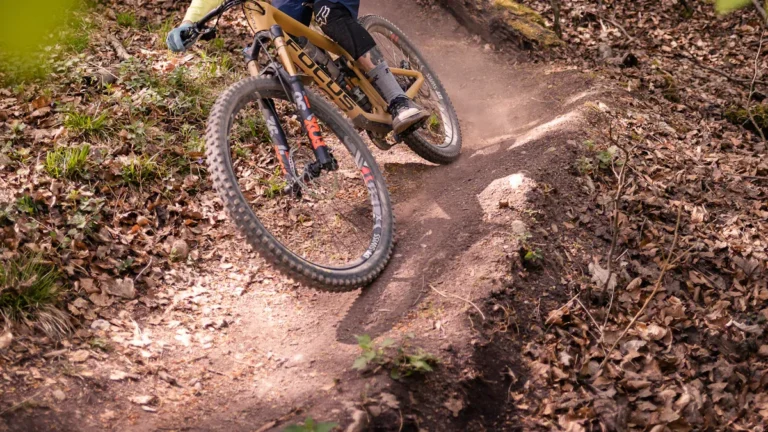
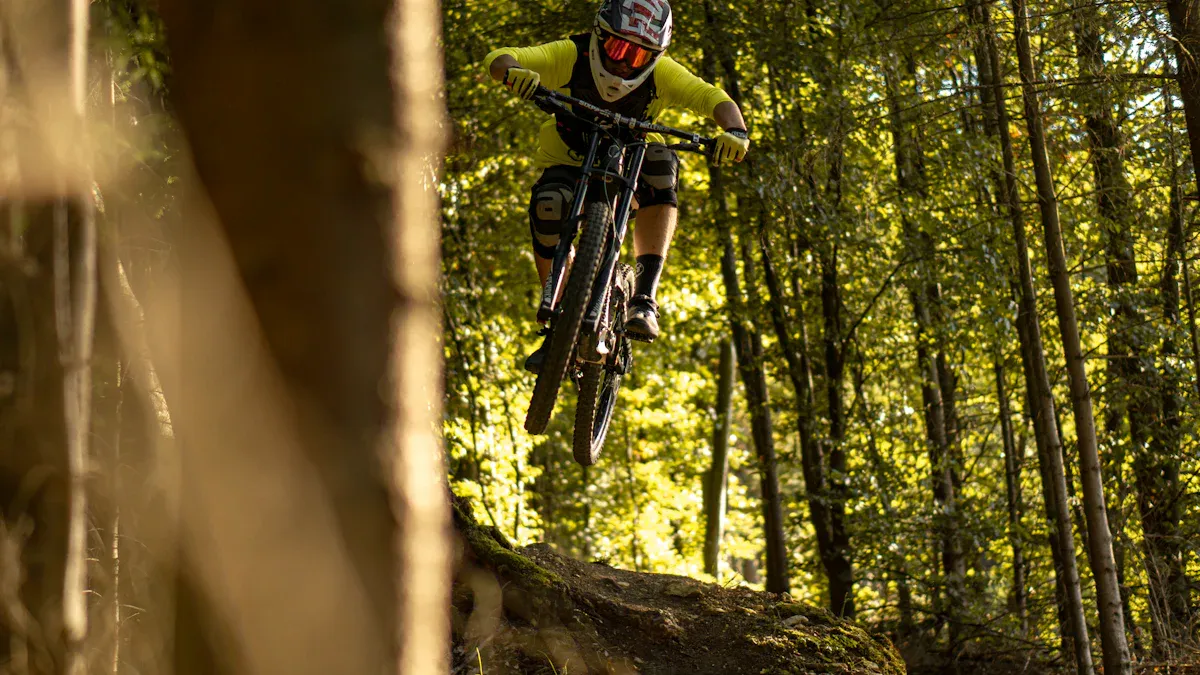
When you ride on steep trails, using both brakes effectively is crucial for maintaining control. Applying both brakes helps you slow down smoothly and prevents skidding. You should aim to apply both brakes evenly, especially when descending. This balanced approach allows you to manage your speed better and navigate tricky sections with confidence.
One effective method for cornering is the 2-1-None technique. This technique involves:
Using both brakes (2): Start by squeezing both the front and rear brakes to reduce speed before entering a turn.
Dragging the rear brake (1): As you lean into the corner, lightly drag the rear brake to maintain stability.
Accelerating out of the corner (0): Once you exit the turn, release the brakes and accelerate.
This method helps you maintain balance and control, especially in steeper corners. It counters the misconception that braking in corners is always detrimental.
Front vs. Rear Brake
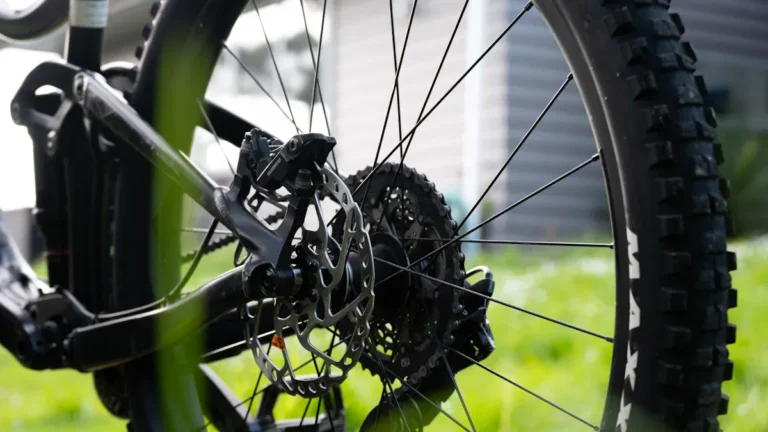
Understanding the differences between the front and rear brakes is essential for effective braking performance. The front brake provides the most stopping power. In fact, riders often find that the front brake pads wear out less quickly than the rear pads. This indicates that the rear brake can wear out more quickly and is harder to monitor due to its position behind you.
When descending steep terrain, you should aim for a recommended ratio of 70% front brake and 30% rear brake. This ratio allows you to maximize your stopping power while maintaining control. Relying solely on the rear brake results in a longer stopping distance, which can be dangerous on steep descents. While the front brake offers the most stopping power, improper use can lead to loss of control. Therefore, you must manage your brake application carefully on steep descents.
In mountain biking, effective braking involves a combination of controlled application of both brakes. You should brake before entering turns and keep your weight back to prevent going over the handlebars. This principle may differ in other trail sports, where braking techniques can vary significantly.
By mastering these braking techniques, you can enhance your downhill mountain biking skills and enjoy your rides on steep trails with greater safety and confidence.
Body Positioning for Braking
Lowering Your Center of Gravity
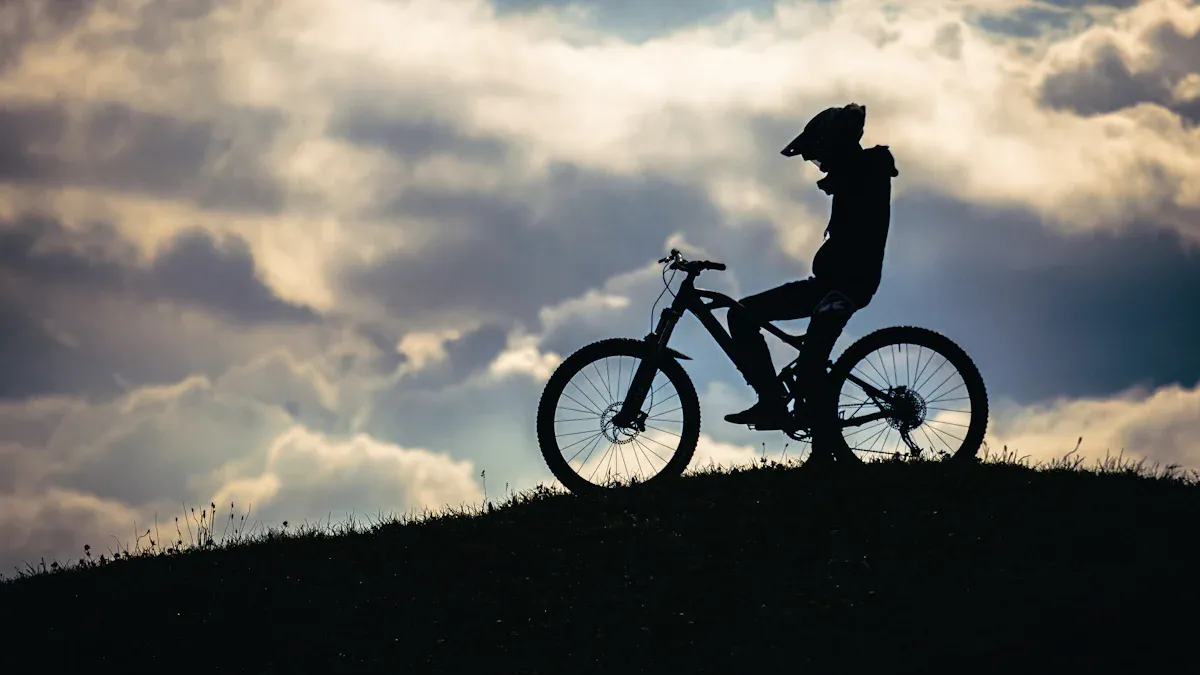
Your body position significantly affects your braking control. Lowering your center of gravity (COM) enhances stability during braking. When you keep your COM behind your lead limb, you reduce the risk of tipping over. Here are some biomechanical advantages of lowering your COM:
It enhances stability during braking.
You achieve a more horizontally oriented ground reaction force (GRF) vector, which helps with effective braking.
A lower COM position allows for prolonged application of braking forces, optimizing your ability to stop quickly.
By maintaining a lower stance, you can navigate steep trails more safely. This position helps you manage the forces acting on your body, reducing the chance of losing control.
Shifting Your Weight Forward
Shifting your weight forward is another critical aspect of effective braking. When you apply the brakes, your vehicle’s weight shifts forward. This shift is essential for maintaining tire traction and ensuring consistent braking force. Here are some key points about weight shifting:
A healthy suspension system manages this forward weight shift, keeping you stable.
Worn suspension components can lead to excessive weight transfer, causing instability and longer stopping distances.
Improper body positioning can lead to accidents on steep trails. Research shows that running downhill can increase lumbar lordosis, which may overload your lumbar spine. This biomechanical change raises the risk of injuries, especially in steep conditions. Additionally, poor alignment during descents can contribute to knee injuries due to overuse and repetitive strain.
By focusing on your body positioning, you can improve your braking efficiency and stability. This practice not only enhances your control but also helps you enjoy your rides on steep trails with greater confidence.
Mistakes to Avoid When Braking
Coasting into Turns
Coasting into turns can lead to serious control issues on steep trails. When you coast, you lose power assist for steering and brakes. This loss makes it harder to maintain control, especially on steep terrain. Here are some key points to consider:
Coasting eliminates engine braking, which can increase your speed downhill.
Without engine power, your brakes may only work for a limited number of pumps before becoming manual. This situation can lead to dangerous outcomes.
You may find it difficult to steer effectively, which can result in losing control.
To avoid these risks, always brake before you turn. This practice allows you to enter the turn at a controlled speed. It also helps you maintain better traction and stability throughout the corner.
Braking Too Hard
Braking too hard is another common mistake that can lead to loss of control. When you apply the brakes too aggressively, you risk skidding or flipping over the handlebars. Here are some important considerations:
Hard braking can lock up your wheels, especially the front wheel. This situation can cause you to lose traction and control.
You should aim for a smooth and gradual application of the brakes. This technique allows you to maintain better control and stability.
Remember to distribute your weight properly. Shifting your weight back while braking can help prevent going over the handlebars.
By practicing controlled speed management and avoiding hard braking, you can navigate steep trails more safely. Always remember to brake before you turn and apply your brakes smoothly to enhance your overall riding experience.
Tips for Steep Trail Conditions
Wet and Slippery Trails
Navigating wet and slippery trails requires special attention to your braking techniques. Here are some tips to help you brake properly in these conditions:
Lower your chest and bend your elbows and knees to improve stability.
Avoid pulling brakes while turning to maintain bike control.
Release brakes before leaning into corners to enhance cornering speed.
Slow down your entry to technical sections and complete your braking before entering them.
Keep the bike active to maintain grip, avoiding dragging brakes over roots.
Adopt the ‘attack position’ to enhance flexibility and reaction to trail obstacles.
Weight the bike properly by pushing through contact points and adjusting your weight based on terrain grip.
By following these tips, you can maintain better control and reduce the risk of slipping.
Rocky and Loose Surfaces
When riding on rocky and loose surfaces, you need to adapt your braking techniques to ensure safety. Here are some effective strategies:
Prefer the rear brake to avoid front wheel washout, which can lead to loss of steering control.
Use smooth and progressive braking when approaching corners or obstacles to maintain stability.
On rocky surfaces, apply more forceful braking to shift rocks aside and maintain control.
Gradual brake application is essential on loose or uneven surfaces to prevent loss of grip and potential crashes.
By adjusting your braking techniques based on the terrain, you can navigate steep trails more effectively and enjoy your ride with confidence.
Mastering proper braking techniques is essential for your safety and enjoyment on steep trails. Here are some key takeaways to remember:
Brake while upright to prevent the front wheel from washing out.
Complete your braking before entering a turn to maintain control.
Use the rear brake in sweeping turns to balance braking forces.
Practice descending with only the rear brake to improve control.
By focusing on these techniques, you can prevent brake fade and maintain stability. John Fuller emphasizes that effective braking methods are crucial for avoiding accidents on steep hills. Regular practice will enhance your skills and boost your confidence, allowing you to tackle steep trails with ease. 🚴♂️
FAQ
What should I do if my brakes feel unresponsive on steep trails?
Check your brake pads for wear and ensure they are properly adjusted. Inspect your brake cables for damage. If issues persist, consider consulting a professional mechanic.
How can I improve my braking technique?
Practice using both brakes evenly. Focus on smooth applications and maintain a proper body position. Regular practice on different terrains will enhance your skills.
Is it safe to brake while turning?
Yes, but you should brake before entering the turn. This approach helps maintain control and traction. Avoid hard braking during the turn to prevent skidding.
What gear should I use when descending steep trails?
Use lower gears to maintain control and prevent your bike from speeding uncontrollably. This allows for smoother braking and better handling on steep descents.
How can I prepare for wet or slippery conditions?
Reduce your speed and increase your following distance. Use both brakes gently and avoid sudden movements. Stay alert to changes in traction and adjust your technique accordingly.