When you hit the trails on your mountain bike, remember that you hold a key role in keeping everyone safe. Practicing good trail etiquette helps create a friendly atmosphere for all trail users. Studies show that when you respect others, it leads to a safer experience for everyone. So, gear up and ride responsibly!
Key Takeaways
Stay on designated trails to protect the environment and ensure everyone enjoys the outdoors.
Yield to hikers and communicate your presence to promote safety and respect on shared trails.
Greet other trail users to foster a sense of community and enhance everyone’s experience.
Soil Etiquette
Stay on Designated Trails
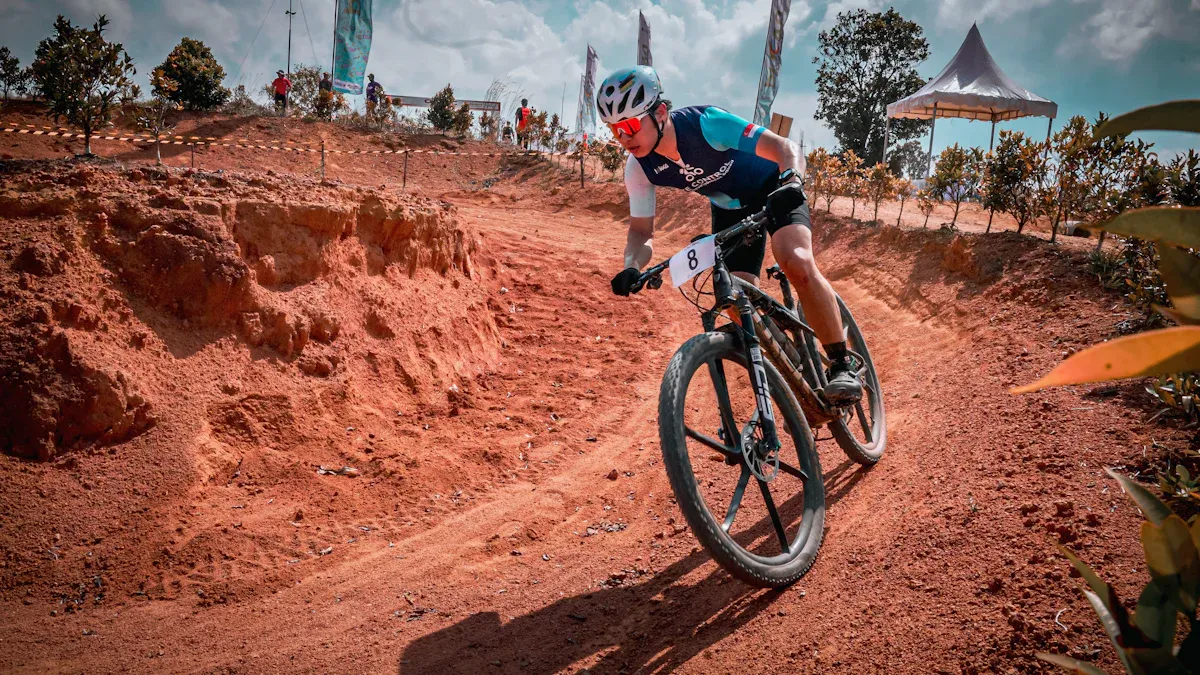
When you ride your mountain bike, staying on designated trails is crucial. It helps protect the ecosystem and ensures that everyone can enjoy the outdoors. Riding off-trail can lead to several environmental issues, such as:
Increased soil erosion
Wildlife displacement
Potential harm to vegetation and water quality
Destruction of habitats
Increased collisions with wildlife
By sticking to the marked paths, you help preserve the natural beauty of the area and maintain the balance of local ecosystems. Remember, unauthorized trails can fragment habitats, making it harder for wildlife to find food and mates. Following the rules of the trail is not just about you; it’s about everyone who shares the outdoors.
Avoid Muddy Areas
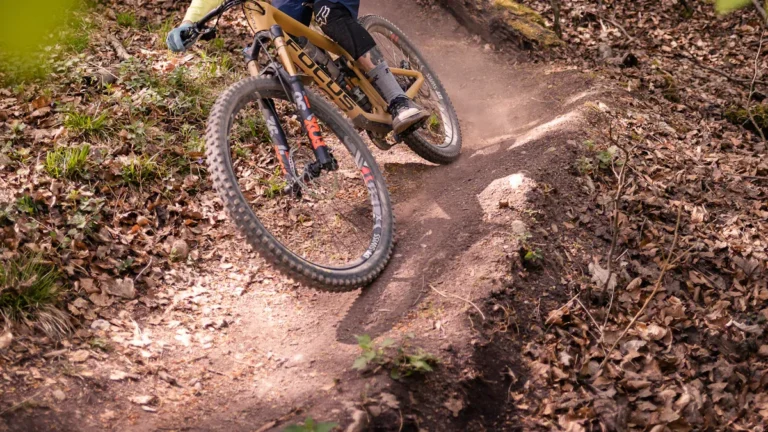
Muddy trails can be tempting, especially after a rainstorm, but riding through them can cause significant damage. When you ride on wet trails, you contribute to erosion, which raises maintenance costs for everyone. Here are some reasons to avoid muddy areas:
Increased erosion leads to costly repairs.
Clogged drains can cause severe trail damage.
Frequent maintenance is needed to fix issues like soil erosion and water pooling.
Instead of riding through mud, consider waiting for the trail to dry. This simple choice helps maintain the trail’s integrity and supports the best practices for biking. Plus, it aligns with the “leave no trace” principles, ensuring that you leave the environment as you found it.
Trail Rules
Follow Signage
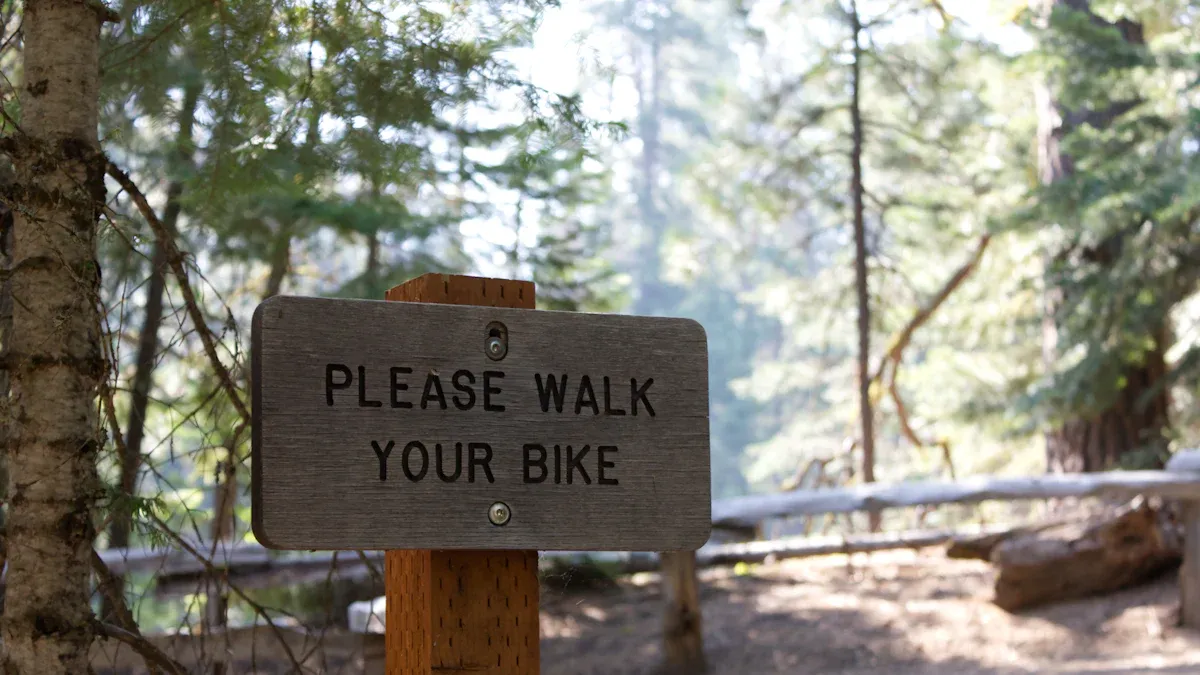
When you hit the trails, paying attention to trail signs is essential. These signs guide you and help keep everyone safe. They indicate the difficulty level of the trails, so you can choose one that matches your skill. Here’s a quick look at common trail signage:
Sign Type | Difficulty Level |
|---|---|
Green Circle | Easier |
Blue Square | More Difficult |
Black Diamond | Most Difficult |
Double-Black Diamond | Extremely Difficult |
Technical Trails | Varies (green, blue, black) |
Freeride Trails | Varies (green, blue, black) |
Beyond Expert | Professional-Level Skills |
Skill Development Areas | Learning Skills |
Following these signs can significantly reduce rule violations. A study showed a 66% decline in unauthorized use after enforcing signage. So, keep an eye out for those markers!
Right of Way
Understanding right of way rules is crucial for a smooth ride. Here’s what you need to know:
Mountain bikers should yield to hikers on shared trails.
Hikers must stay aware of their surroundings, especially when bikers approach.
Communicate your presence when descending steep slopes or navigating blind turns.
According to the International Mountain Bicycling Association (IMBA), cyclists must yield to hikers and equestrians. This “Share the Trail” concept promotes mutual respect and safety. By yielding appropriately, you help create a friendly atmosphere on the trails.
Remember, following these trail rules not only keeps you safe but also enhances the experience for everyone. So, ride smart and respect the trail!
User Etiquette
Greet Other Users
When you’re out on the trails, a simple greeting can go a long way. Saying “hello” or giving a friendly wave fosters a sense of community among all trail users. Here’s why it matters:
Greeting others promotes safety by encouraging communication.
It helps everyone stay aware of their surroundings.
Courteous interactions enhance the overall experience for everyone involved.
Always yield the trail to others. Slow down, announce your presence, and be prepared to stop if needed. Thank fellow riders and hikers for their courtesy; this reinforces positive behavior and builds a friendly atmosphere. Remember, positive interactions can significantly enhance your trail experience, making it more enjoyable for you and those around you.
Maintain Control
Maintaining control of your bike is essential for safety. Here are some best practices to keep in mind:
Avoid blocking the trail when you stop or rest. Move completely off the path.
Yield to hikers and equestrians. They have the right of way.
Communicate your presence with a friendly greeting when approaching others.
Staying alert and controlling your speed helps prevent accidents. Always obey speed regulations and be mindful of your surroundings. By doing so, you ensure a smooth experience for everyone on the trail. Remember, a little courtesy goes a long way in creating a positive environment for all trail users.
In summary, practicing trail etiquette is vital for everyone’s enjoyment. Remember to stay on designated trails, yield to other users, and greet fellow riders. These simple actions foster a friendly atmosphere and protect our trails. By following these guidelines, you contribute to a safer and more enjoyable experience for all.