


Leave No Trace is a set of principles aimed at promoting responsible outdoor practices. These principles help you protect the wilderness while enjoying nature. By adopting Leave No Trace practices, you contribute to environmental conservation and ensure that future generations can enjoy the same beautiful landscapes.
The Leave No Trace program has significantly increased awareness among millions of visitors. This engagement has led to better preservation of natural resources and reduced long-term impacts on the environment. You can make a difference by following seven key principles: plan ahead and prepare, use durable surfaces, dispose of waste properly, leave what you find, minimize campfire impact, respect wildlife, and practice considerate hiking.
Key Takeaways
Plan ahead for your hike. Research your destination, pack essentials, and inform someone about your plans to ensure safety and minimize environmental impact.
Choose durable surfaces for hiking and camping. Stick to established trails and campsites to protect fragile ecosystems and preserve natural beauty.
Dispose of waste properly. Always pack out trash and use designated methods for human waste to prevent pollution and protect public health.
Leave what you find. Respect natural and cultural treasures by observing them without disturbing, ensuring future visitors can enjoy the same experiences.
Be considerate of other hikers. Maintain a peaceful environment by yielding to others, keeping noise levels down, and respecting personal space.
Plan Ahead and Prepare
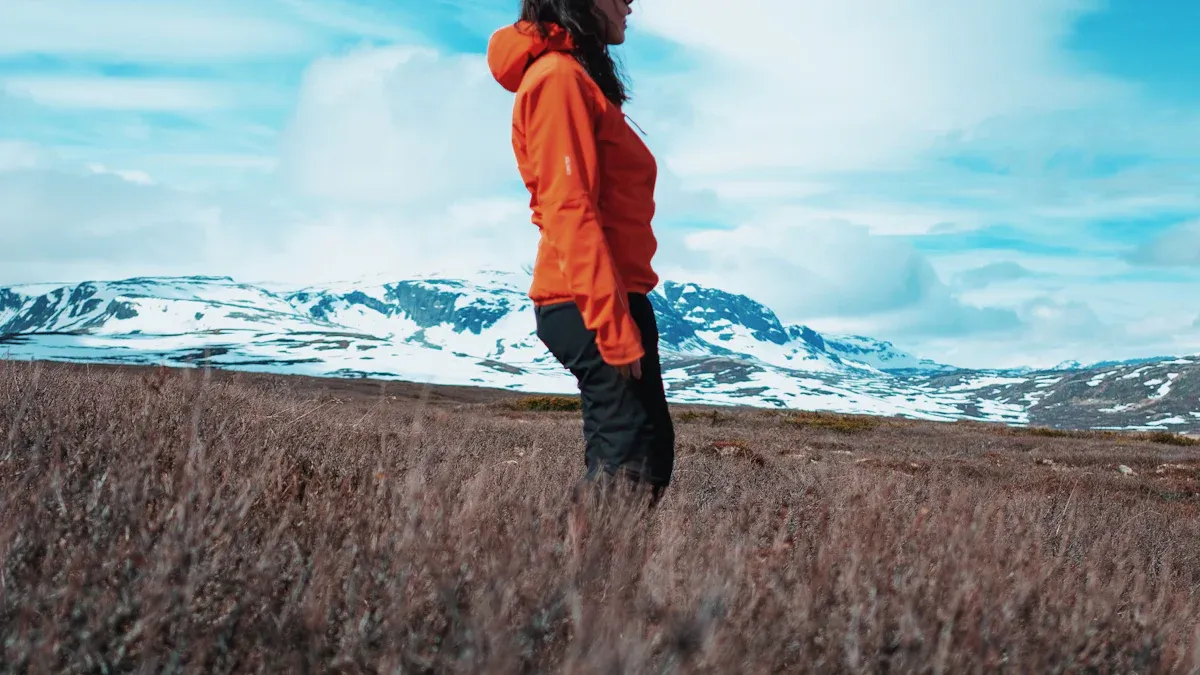
Planning ahead and preparing for your hike is crucial for both your safety and the environment. When you take the time to plan, you reduce the risk of accidents and ensure a more enjoyable experience. Additionally, proper preparation helps minimize your impact on nature.
Many first-time hikers make common mistakes that can harm the environment. For example, they often leave trash on the trail, which can damage ecosystems. They may also take shortcuts that disturb wildlife. To avoid these issues, consider the following tips:
Research Your Destination: Learn about the area you plan to hike. Understand the terrain, weather conditions, and any regulations in place.
Pack Essentials: Bring enough food, water, and gear for your hike. Always pack out all waste, including food scraps. Leaving trash behind can lead to pollution and harm wildlife.
Choose the Right Trail: Select trails that match your skill level. Avoid overcrowded paths to reduce wear on the environment.
Check for Permits: Some areas require permits for hiking and camping. Ensure you have the necessary permissions before you go.
Inform Someone: Let a friend or family member know your plans. Share your route and expected return time for safety.
By taking these steps, you can enjoy your hiking and camping experience while adhering to the Leave No Trace principles. Remember, planning ahead and preparing not only keeps you safe but also protects the beautiful landscapes you love.
Durable Surfaces for Hiking
When you hike or camp, choosing durable surfaces is essential for protecting the environment. Durable surfaces include rocks, sand, gravel, ice, and snow. These surfaces can withstand the wear and tear of human activity without suffering significant damage. By traveling and camping on durable surfaces, you help minimize your impact on fragile ecosystems.
Alex Delucia, Leave No Trace programs manager for AMC, emphasizes the importance of this practice:
“It is important to consolidate our recreation-related impacts to these hardened surfaces designed to withstand visitor use.”
Camping on non-durable surfaces can lead to serious ecological consequences. Research shows that such activities can cause soil compaction, erosion, and changes in local hydrology. These effects can result in the loss of ground vegetation and disrupt wildlife habitats. Over time, concentrated human activity can lead to complete vegetation loss and changes in plant composition.
To ensure you are camping responsibly, follow these best practices:
Select Established Campsites: Use designated campsites whenever possible. These areas are often designed to handle visitor use without causing harm to the surrounding environment.
Avoid Fragile Areas: Stay away from sensitive areas like meadows and wetlands. These regions are more susceptible to damage from foot traffic.
Use Existing Trails: Stick to marked trails to prevent trampling on vegetation. This helps maintain the natural beauty of the area.
Leave No Trace: Always pack out all trash, including food scraps. Leaving trash behind can harm wildlife and disrupt the ecosystem.
By following these guidelines, you can enjoy your outdoor adventures while protecting the natural world. Remember, when you travel and camp on durable surfaces, you play a vital role in preserving the environment for future generations.
Dispose of Waste Properly
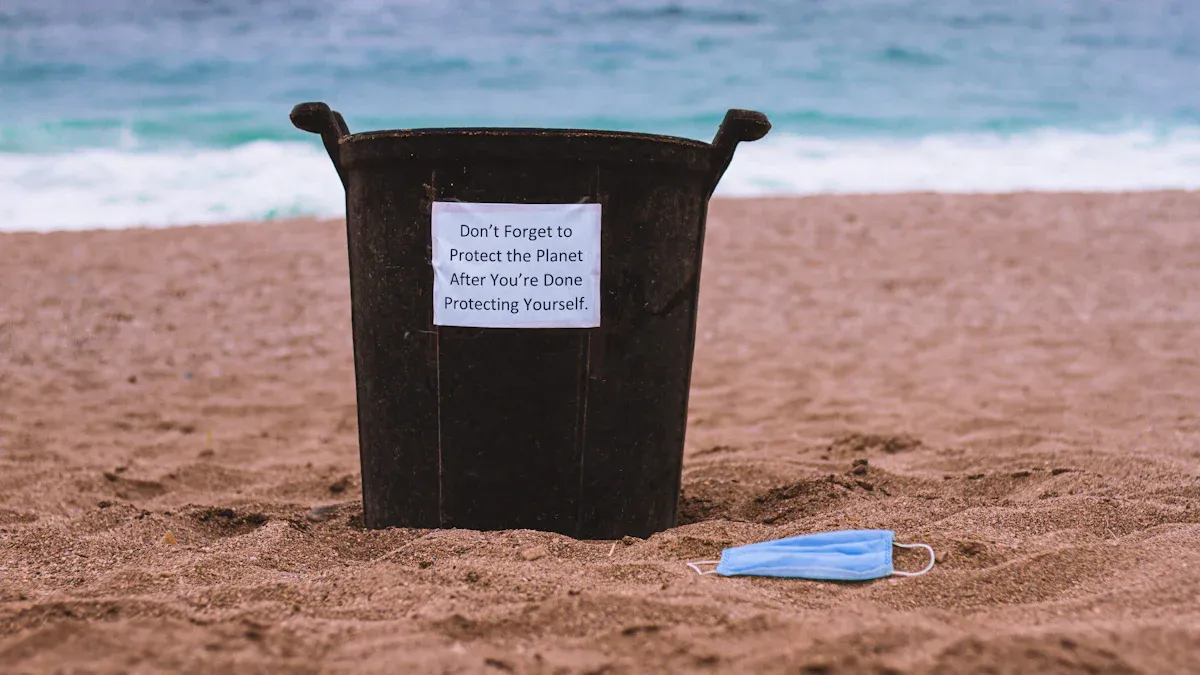
Proper waste disposal is a vital part of the Leave No Trace principles. When you hike, you must dispose of waste properly to protect the environment and ensure a pleasant experience for everyone. Improper waste disposal can lead to serious consequences. For example, human fecal contamination poses a significant public health risk in natural areas. Pathogens from human waste can linger in the environment for over a year, potentially causing health issues for future visitors. Additionally, fecal matter can contaminate waterways, negatively affecting water quality. Encountering human waste in nature can be distressing and unpleasant for hikers.
Unfortunately, many hikers do not follow proper trash disposal methods. Recent studies show that only 30% of hikers use pack-out kits for waste disposal, while another 30% utilize vault toilets. The remaining 40% either bury their waste or use other methods. This inconsistency highlights the need for better education on how to dispose of waste properly.
To help you manage waste responsibly, here are some effective methods for disposing of trash and human waste in wilderness areas:
Catholes: Dig a hole 6-8 inches deep and 4-6 inches in diameter, at least 200 feet from water and trails. After use, cover it with natural materials.
Waste Bags: Use commercial bags like WAG Bag or Rest Stop to pack out human waste, especially in areas where digging is difficult.
Smear Technique: Spread waste thinly on a rock to dry out. However, this method is not recommended in popular areas.
Crevassing: Dispose of waste in a crevasse, suitable only for remote glaciers.
The Poop Bird: In very remote locations, you can throw waste off a cliff.
Burning Toilet Paper: This method is not recommended due to fire hazards but can be a last resort if you cannot carry it out.
Vomit: Bury it immediately to avoid attracting animals.
When hiking, remember the mantra “pack it in, pack it out.” This means you should bring all your trash with you and leave no trace behind. Each hiker generates an average of 8 kilograms of trash. With around 100,000 visitors annually, this results in approximately 800,000 kilograms (or 882 tons) of trash left behind each year. By disposing of waste properly, you help preserve the beauty of nature for everyone.
Leave What You Find
When you hike, you encounter many natural and cultural treasures. Preserving these resources is essential for maintaining the beauty and history of our outdoor spaces. Each rock, flower, and artifact contributes to the unique character of the area. By leaving what you find, you help protect the environment and ensure that future visitors can enjoy these wonders.
Cultural artifacts found along trails enhance the historical significance of hiking areas. They promote cultural preservation and appreciation. These artifacts help revive ancient heritage linked to local communities. When you respect these elements, you enrich your hiking experience and foster a deeper connection to the region’s history and culture.
To interact responsibly with the environment, follow these guidelines:
Observe but don’t touch rock art or petroglyphs.
Leave historical structures and artifacts undisturbed.
Don’t build cairns or rock stacks in areas where they’re not traditional markers.
Report significant archaeological finds to authorities rather than disturbing them.
Don’t pick flowers or collect plants.
Leave rocks, feathers, and natural items where you find them.
Avoid disturbing bird nests or animal dens.
Store food securely in bear canisters or bear bags where required.
Avoid areas with nesting birds during breeding season.
Keep conversation volume reasonable.
Uphill hikers generally have the right of way.
Pack out everything you bring in.
By following these guidelines, you contribute to the Leave No Trace principles. You help maintain the integrity of the environment and ensure that others can enjoy it as you did. Remember, every small action counts in preserving the beauty of nature.
Minimize Campfire Impact
Campfires can create lasting damage to the environment. They can degrade natural areas due to overuse and lead to wildfires, which pose a significant threat to wilderness. Firewood can also carry invasive species, disrupting local ecosystems. To protect nature, you should follow safe fire practices. Here are some tips to minimize campfire impacts:
Use established fire rings to contain your fire.
Keep your fire small to reduce its footprint.
Always fully extinguish your fire before leaving the area.
By following these guidelines, you help preserve the beauty of the wilderness for future visitors.
If you want to enjoy warmth and cooking without the risks associated with campfires, consider these alternatives:
Portable stoves: These are great for cooking meals without the need for a fire.
Electric heaters: Use these for warmth in areas with access to electricity.
Gas fire pits: These provide ambiance and can be used for cooking.
LED lights: These create a pleasant atmosphere without the need for a fire.
Glow sticks: These are a fun and safe way to light up your campsite.
Additionally, you can maintain body temperature with high-calorie foods and proper camping gear. Insulated sleeping bags and waterproof jackets can keep you warm and dry. By choosing these alternatives, you can enjoy your hiking experience while minimizing campfire impacts on the environment.
Remember, every small action counts. By being mindful of your campfire practices, you contribute to the preservation of our natural spaces.
Respect Wildlife
When you hike, respecting wildlife is essential for both your safety and the well-being of animals. Observing wildlife from a distance allows you to appreciate their beauty without disturbing their natural behavior. It is crucial to maintain a safe distance to avoid causing stress to the animals. Here are some recommended distances for observing wildlife safely:
Stay at least 25 yards away from most wildlife.
Keep a distance of 100 yards from predators like bears and wolves.
Check specific park regulations, as some parks may require a minimum distance of 50 yards.
By giving animals room to move, you ensure their safety and yours. Many parks have specific distance requirements to protect both visitors and wildlife.
Feeding wildlife may seem harmless, but it can have serious consequences. When you feed animals, you disrupt their natural foraging habits. This can lead to increased disease transmission among animals due to close contact at feeding sites. Animals fed by humans may develop nutritional deficiencies, as human food is often inadequate or unhealthy. Additionally, feeding wildlife can cause behavioral changes, such as increased aggression towards humans and dependency on human food sources.
Studies show that wildlife intentionally fed by humans often exhibit higher disease prevalence. For example, animals like stingrays and iguanas fed by tourists show poorer nutritional indicators compared to those eating natural food. Aggregation at feeding sites can lead to competition for food, reducing individual intake. Despite warnings, approximately 1% of visitors believe it is acceptable to put food on the ground for wildlife, and nearly 2% think it is fine to have a squirrel eat from their hands. With nearly two million visitors annually, this translates to over 30,000 individuals who feel it is okay to feed wildlife.
By respecting wildlife and observing them from a distance, you contribute to their health and safety. Remember, your actions can have a lasting impact on the natural world.
Considerate Hiking
When you hike, being considerate of other visitors is essential. Many people seek peace and enjoyment in nature. Your actions can greatly influence their experience. Conflicts often arise on busy trails. For example, families may block paths while taking photos. Trail runners might disrupt slower walkers, creating tension on narrow paths. Additionally, social media usage can cause unexpected bottlenecks, affecting the flow of hikers.
To maintain a peaceful environment, consider these tips:
Stay on Designated Trails: This helps prevent trail widening and protects surrounding vegetation.
Yield to Others: Uphill hikers generally have the right of way. Step aside to let others pass.
Keep Noise Levels Down: Enjoy nature’s sounds. Loud conversations can disturb wildlife and other hikers.
Respect Personal Space: Maintain a comfortable distance from others, especially in crowded areas.
Be Mindful of Pets: Keep dogs leashed and under control. Clean up after them to keep the trail clean.
Your considerate behavior can enhance the overall experience for everyone. Research shows that hikers with a strong sense of pro-environmental behavior (PEB) feel a better connection to nature. This connection improves their experience in national parks. Hikers often show more responsibility and awareness regarding environmental issues. This positive behavior impacts not only their experience but also that of others.
Evidence Description | Key Findings |
|---|---|
Pro-environmental behavior (PEB) influences visitor experience | Hikers with stronger PEB have a better connection to nature, enhancing their overall experience in national parks. |
Differences in behavior between tourists and hikers | Hikers show more responsibility and awareness regarding environmental issues, which positively impacts their experience and that of others. |
Management implications for national parks | Understanding PEB can lead to better management strategies that enhance visitor experiences and promote sustainability. |
By practicing considerate hiking, you contribute to a more enjoyable experience for everyone. Remember, your actions matter in preserving the tranquility of nature.
In summary, practicing Leave No Trace principles is essential for preserving our natural environments. By planning ahead, using durable surfaces, and disposing of waste properly, you can minimize your impact on the trails. Remember to leave what you find, respect wildlife, and be considerate of other visitors.
Adopting these practices helps maintain pristine landscapes for future generations. You play a vital role as a custodian of nature. Embracing these principles ensures that the beautiful places you explore remain vibrant and unspoiled. Together, we can protect our environment and enjoy the great outdoors responsibly. 🌲
FAQ
What is Leave No Trace?
Leave No Trace is a set of principles designed to promote responsible outdoor practices. It helps you minimize your impact on the environment while enjoying nature.
Why is planning important before hiking?
Planning ensures your safety and reduces environmental impact. It helps you prepare for weather, terrain, and regulations, making your hike more enjoyable.
How can I dispose of waste properly while hiking?
Always pack out all trash, including food scraps. Use catholes for human waste, digging at least 200 feet from water sources and trails.
What should I do if I encounter wildlife?
Observe wildlife from a safe distance. Do not feed animals, as it disrupts their natural behavior and can harm their health.
How can I be considerate to other hikers?
Stay on designated trails, keep noise levels down, and yield to others. Respect personal space to enhance everyone’s experience in nature.
