When you set off on a day hike, being prepared makes all the difference. It not only enhances your safety but also boosts your enjoyment of the great outdoors. Many hikers worry about what to bring. In fact, nearly 20% of hiking-related incidents stem from a lack of preparation. A well-planned hiking checklist can help you avoid common pitfalls, such as forgetting essentials to pack like food, clothing, and navigation tools.
Food & Snacks
Clothing
Navigation Tools
Hydration
Safety Gear
These are just a few of the essentials to pack for a successful adventure.
Key Takeaways
Always pack a map and compass for reliable navigation. These tools work anywhere and enhance your outdoor skills.
Stay hydrated by drinking about 1 liter of water every two hours. Adjust your intake based on temperature and activity level.
Wear moisture-wicking clothing and sturdy hiking boots. This keeps you comfortable and safe on the trails.
Navigation Gear
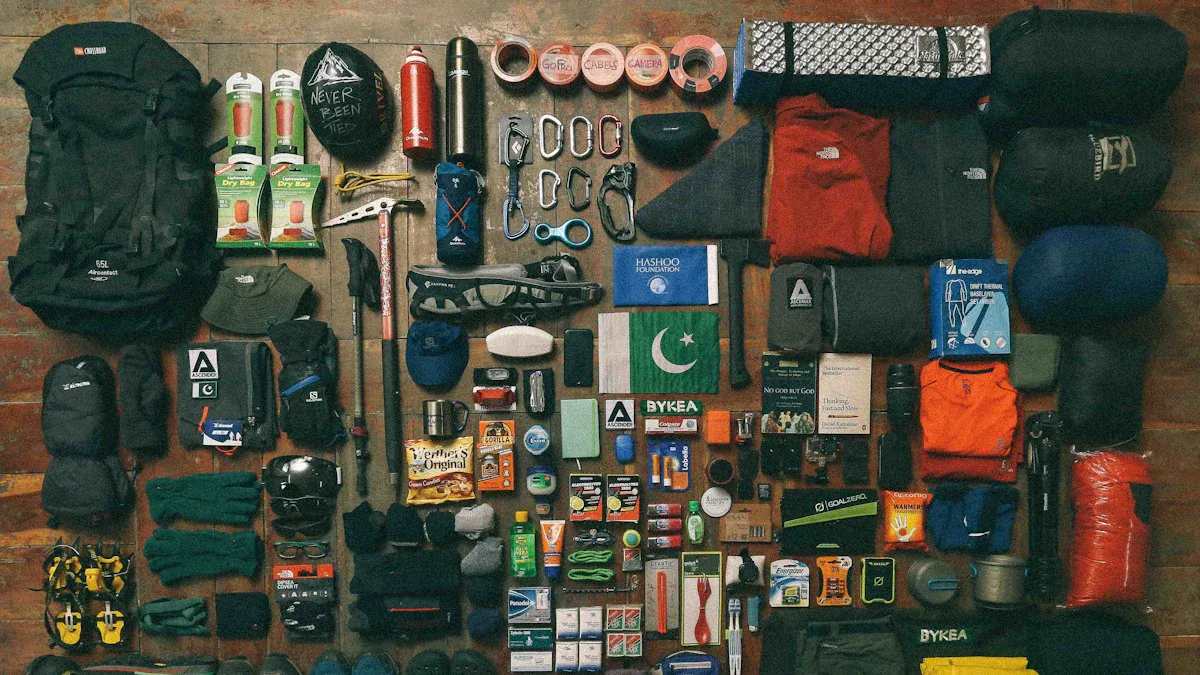
When you head out for a day hike, having the right navigation gear is crucial. It helps you stay on course and enjoy your adventure without worrying about getting lost. Here are two essential tools you should always carry:
Map and Compass
A map and compass are timeless navigation tools that every hiker should know how to use. They don’t rely on batteries or signals, making them reliable even in remote areas. Here’s why you should pack them:
Reliability: Maps and compasses work anywhere, unlike electronic devices that may fail.
Skill Development: Using these tools enhances your navigational skills and helps you understand your surroundings better.
Safety: In emergencies, traditional tools can be lifesavers when electronics fail.
Statistics show that many hikers get lost due to inadequate navigation skills and gear. A significant number of search and rescue incidents involve day hikers who didn’t have the right equipment. By mastering map and compass skills, you can avoid becoming part of those statistics.
GPS Device
A GPS device can be a game-changer for your hiking experience. It provides accurate location tracking and can help you navigate unfamiliar trails. When choosing a GPS device, consider these features:
Size and Weight: Make sure it’s easy to carry.
Satellite Communication: This is especially important for backcountry hikes.
Multi-GNSS Support: This ensures better accuracy in tracking your location.
While GPS devices are handy, remember that they should complement your map and compass skills, not replace them. Combining these tools gives you the best chance of staying safe and enjoying your hike.
Hydration & Food
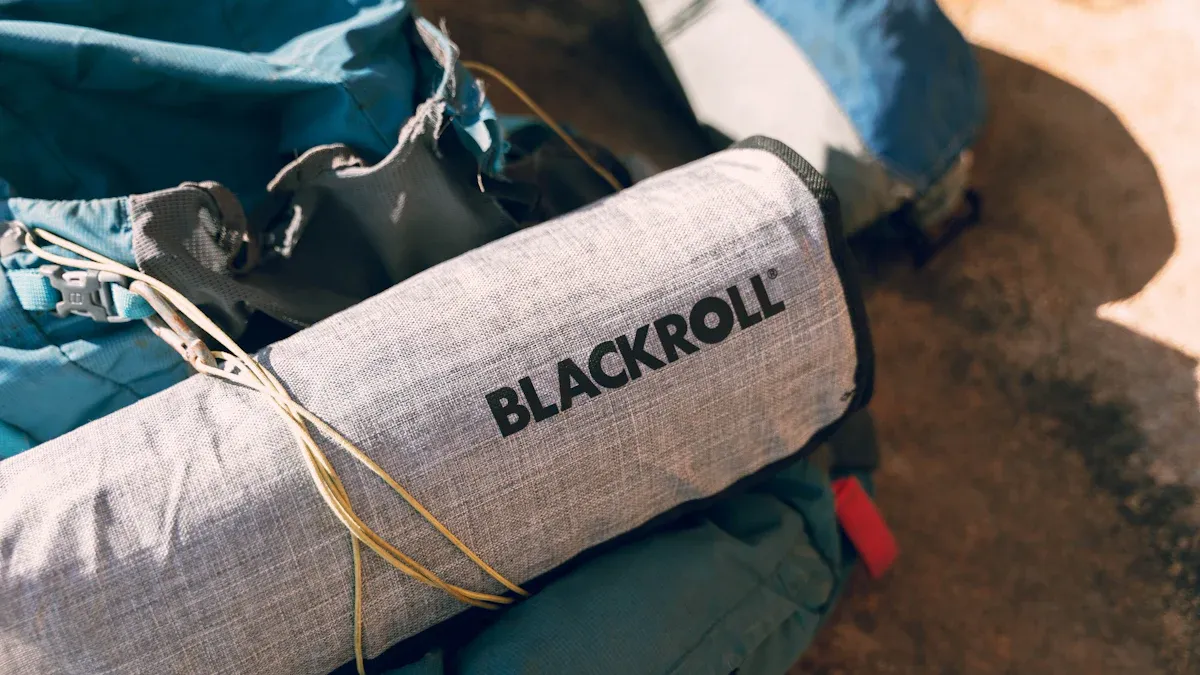
Staying hydrated and fueled is key to enjoying your day hike. Without enough water and energizing snacks, you might feel tired or even dizzy. Here’s what you need to know:
Water Bottles
Carrying enough water is essential. Aim to drink about 1 liter (32 ounces) every two hours while hiking. Adjust this based on the temperature and your body weight. If it’s hot or you’re hiking hard, you might need more. Here are some tips for hydration:
Drink water slowly over several hours before your hike.
During heavy exercise, aim for about one quart per hour.
Consider using a 3-liter hydration reservoir for easy access.
Dehydration can lead to headaches, muscle cramps, and even heat exhaustion. So, keep sipping throughout your hike!
Energy Snacks
Packing the right snacks can keep your energy levels up. Here are some great options:
Energy Chews: Quick-digesting carbs and electrolytes.
Energy Bars/Bites: Nutrient-dense ingredients like nuts and dried fruit.
Trail Mix: A mix of nuts, seeds, and dried fruit for a balance of protein, fats, and carbs.
Nut Butter Packets: Healthy fats and protein for sustained energy.
These snacks provide the right balance of carbohydrates, protein, and fats to keep you going. Remember, a well-fueled hiker is a happy hiker!
Clothing & Footwear
Choosing the right clothing and footwear can make or break your hiking experience. You want to stay comfortable and safe on the trails, so let’s dive into two key components: moisture-wicking clothing and good hiking shoes.
Moisture-Wicking Clothing
Wearing moisture-wicking clothing is essential for staying dry and comfortable. These fabrics pull sweat away from your skin, helping to regulate your body temperature. Here’s a quick look at some effective materials:
Material | Type | Key Properties |
|---|---|---|
Polyester | Synthetic | Durable, breathable, quick-drying, resists wrinkles, maintains shape |
Merino Wool | Natural | Excellent thermo-regulating ability, absorbs moisture while maintaining insulation |
Bamboo | Natural | Breathable, odor-resistant, stretchable, retains shape |
Layering is also crucial. Start with a moisture-wicking base layer, add an insulating mid-layer, and finish with a weather-resistant shell. This approach helps you manage unpredictable weather and reduces the risk of hypothermia or heat-related illnesses.
Hiking Boots
Good hiking shoes are another must-have. They provide the support and protection your feet need on various terrains. Here are some features to look for:
Ankle Support: Mid or high-cut designs prevent ankle rolls.
Durability: High-quality materials resist wear and tear.
Waterproofing: Keeps your feet dry while allowing breathability.
Traction: Sturdy outsoles ensure excellent grip on different surfaces.
When you choose the right footwear, you reduce the risk of slips and injuries. Remember, comfort is key! A snug fit with room for toe movement can help prevent blisters on long hikes.
By investing in the right clothing and footwear, you’ll be well-prepared for your next adventure.
Safety Gear
When you hit the trails, safety gear is a must. You never know when you might need it. Two essential items to pack are a first aid kit and a multi-tool. Let’s break down why these items are so important.
First Aid Kit
A well-stocked first aid kit can be a lifesaver. It helps you address minor injuries quickly, allowing you to continue your hike without worry. Here’s what you should include in your kit:
Bandages: Assorted sizes for small cuts and blisters.
Closure strips: For closing larger wounds.
Sterile dressing pads: To apply pressure and stop bleeding.
Non-adherent dressings: Great for covering blisters or burns.
Gauze roll: Holds dressings in place.
Adhesive tape: Keeps everything secure.
Pain relievers: Such as aspirin or ibuprofen for minor aches.
According to outdoor safety reports, common injuries treated with a first aid kit include flesh wounds, cuts, and burns. Here’s a quick look at how to treat these injuries:
Injury Type | Common Treatments |
|---|---|
Flesh Wounds | Bandages, duct tape, moleskin, antibiotic ointment |
Cuts and Scrapes | Bandages, gauze, antibiotic ointment |
Burns | Bandages, gauze, antibiotic ointment |
Multi-Tool
A multi-tool is another essential item. It acts as a compact backup plan for unexpected situations. You can use it for various tasks, from fixing gear to preparing food. Here’s how a multi-tool can help:
Bottle opener: Useful for prying and digging.
Saw: Great for cutting wood, especially in wet conditions.
Tweezers: Perfect for removing splinters or ticks.
Having a multi-tool means you can quickly address mechanical issues or assist in survival tasks. It provides immediate access to tools when you need them most.
By packing these safety essentials, you prepare yourself for common hiking incidents. Remember, being ready can make all the difference in your outdoor adventure!
Additional Day Hiking Essentials
When you head out for a day hike, don’t forget to pack some additional essentials that can make a big difference in your safety and comfort. Two items that often get overlooked are sunscreen and an emergency blanket.
Sunscreen
You might think sunscreen is just for the beach, but it’s crucial for hiking too! Outdoor activities expose you to higher levels of ultraviolet (UV) radiation, which can lead to serious health risks. Here are some key points to consider:
Health Risks: Sun exposure can cause sunburn, skin damage, premature aging, cataracts, and even skin cancers.
SPF Recommendations: Use a broad-spectrum sunscreen with at least SPF 30. For longer hikes or high-altitude trails, SPF 50 is ideal as it blocks 98% of harmful UV rays. If you’re prone to sunburn, consider SPF 70 or 100 for extra protection.
Make sure to reapply every two hours, especially if you’re sweating or swimming. Your skin will thank you!
Emergency Blanket
An emergency blanket is a lightweight item that can be a lifesaver in unexpected weather conditions. Here’s why you should carry one:
Feature | Description |
|---|---|
Insulation | Traps body heat to minimize heat loss in extreme weather conditions. |
Temperature Retention | Keeps you warm in temperatures as low as -20° Celsius (-4° Fahrenheit). |
Waterproof | Provides protection from elements like rain and wind. |
Hypothermia Prevention | Reduces the risk of hypothermia by maintaining body temperature. |
These blankets reflect up to 90% of your body heat, keeping you warm even when wet or exposed to wind. They’re essential for survival if you find yourself in a cold situation.
By including these day hiking essentials in your pack, you’ll be better prepared for whatever nature throws your way!
Customizing your day hike checklist is key to a successful adventure. Regularly review your gear to adapt to changing conditions. Check the weather and call the regional ranger station for updates. Being prepared helps you tackle unexpected situations and enjoy your hike to the fullest!
Action Item | Description |
|---|---|
Check the weather | Use reliable sources like NOAA or SpotWX to get current weather updates. |
Call the regional ranger station | Inquire about trail conditions and any regulations that may affect your hike. |
FAQ
What should I wear for a day hike?
Wear moisture-wicking clothing and sturdy hiking boots. Dress in layers to adapt to changing weather conditions.
How much water should I bring?
Aim for about 1 liter (32 ounces) every two hours. Adjust based on temperature and your activity level.
Can I bring my dog on a hike?
Check trail regulations first. Many trails allow dogs, but some have restrictions. Always keep your dog leashed and clean up after them.