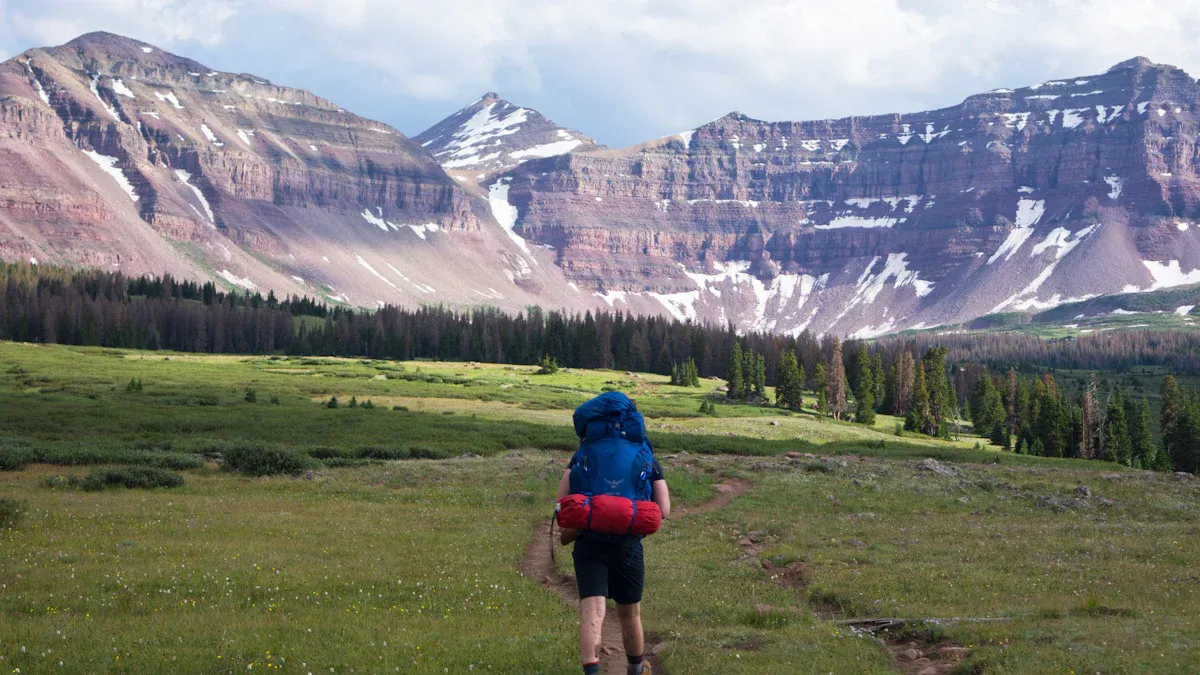
Hiking brings joy and adventure, but to truly enjoy it, you need to choose a hiking trail that suits your abilities. Imagine standing at the trailhead, excited yet unsure. Reflecting on your skills and experiences can help you find the perfect path. Did you know that at least 40% of hikers get injured because they choose trails that are too difficult? By matching your skill level with the right trail, you boost your safety and enjoyment. So, let’s explore how to choose a hiking trail for your next adventure! 🌲
Key Takeaways
Assess your hiking experience and fitness level before choosing a trail. This helps ensure a safe and enjoyable hike.
Understand trail ratings and markers. They provide crucial information about trail difficulty and navigation.
Check weather conditions and terrain risks before heading out. This can prevent dangerous situations and enhance your hiking experience.
Utilize online resources and local hiking clubs to find trails that match your skill level. Local insights can lead to hidden gems.
Always prioritize safety by sharing your plans, packing essential gear, and staying aware of your surroundings.
Assess Your Skill Level for Hiking
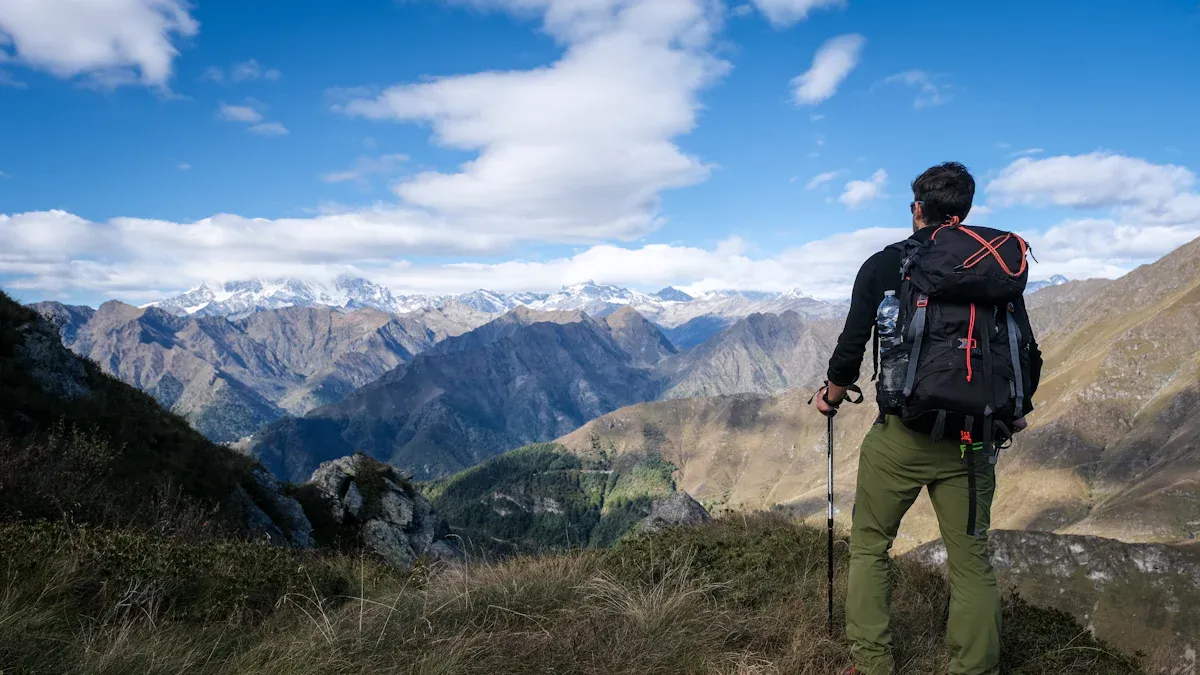
Experience and Fitness Reflection
Before you hit the trails, take a moment to reflect on your hiking experience and fitness. Understanding where you stand can help you choose the right trail. Ask yourself these questions:
How often do you hike?
What types of trails have you tackled before?
Do you feel comfortable with elevation changes?
Your answers will guide you in selecting a trail that matches your skill. Here’s a quick overview of experience levels to consider:
Experience Level | Criteria |
|---|---|
Novice | New to hiking, slow pace, minimal elevation gains, flat surfaces. |
Advanced Novice | New but familiar with some terrain, small inclines, easy pace with frequent breaks. |
Moderate | Regular hiker, can handle longer hikes with elevation gains, faster pace, and varied weather. |
Advanced Moderate | Experienced with all-day hikes, several thousand feet elevation, manages pace and energy well. |
Expert | Experienced with day hikes, can plan multi-day hikes, adapts to different weather conditions. |
Expert Backpacker | Multi-day hiking experience, capable of long wilderness treks, prepared for various conditions. |
Understanding Your Physical Fitness
Your current fitness level plays a crucial role in your hiking experience. Being honest about it can save you from potential challenges on the trail. Here are some key points to consider:
Cardiovascular Fitness: Higher cardiovascular fitness allows you to adjust your pace easily on various trails. If you’re fit, you can maintain a steady intensity on easier and intermediate trails. However, if your fitness level is lower, you might struggle, especially on challenging hikes. This can lead to longer completion times and less enjoyment.
Physical Benchmarks: Knowing what you can handle physically is essential. For example:
Beginners should aim to hike for 1 to 2 hours at a time, taking breaks as needed.
Intermediate hikers can ascend about 3,000 feet per day while carrying a reasonable load.
Advanced hikers might tackle 6,000 feet of elevation gain daily with a heavier pack.
By assessing your experience and understanding your physical fitness, you can make informed decisions about which trails to explore. Remember, hiking should be enjoyable, so choose paths that align with your skill and fitness level!
Choose a Hiking Trail Based on Difficulty

Trail Ratings Explained
When you’re picking a hiking trail, understanding trail ratings is key. Different regions use various systems to classify trail difficulty. Here’s a quick look at some common trail grading systems:
Region | Rating System Description |
|---|---|
United States | The National Park Service (NPS) categorizes hikes as easy, moderate, or strenuous. Some parks even use five levels. Shenandoah National Park employs a numerical formula based on elevation gain and distance. The Appalachian Trail uses white blazes to mark routes, rating segments from easy to strenuous. Colorado’s 14ers use a class system from Class 1 (easy) to higher classes that involve scrambling. |
Canada | Parks Canada has a four-tier system: easy, moderate, difficult, and route. They assess trails based on distance, elevation change, surface conditions, and obstacles. Rocky Mountain parks also consider seasonal factors that can affect trail difficulty. |
Cross-border | Waterton-Glacier International Peace Park uses compatible scales for U.S. and Canadian trails. |
Recent Updates | NPS and Parks Canada are working to enhance inclusivity in trail ratings, considering accessibility and diverse user needs. |
These ratings help you gauge what to expect on the trail. If you see a trail marked as “strenuous,” you might want to think twice if you’re just starting out.
Interpreting Trail Markers
Trail markers guide you along your hike, but misinterpreting them can lead to confusion. Here are some important points to keep in mind:
Different regions use various types of markers, such as stickers, plaques, and painted symbols. This variability can lead to misunderstandings.
Misinterpretation can result in getting lost or taking a wrong turn, which can be frustrating and even dangerous.
Always pay attention to the color and shape of the markers. For example, a single blaze might indicate the main trail, while double blazes could signal a junction or a turn.
By understanding trail markers, you can navigate more confidently. Remember, the goal is to enjoy your hike, not to get lost on challenging routes.
When you choose a hiking trail, consider both the ratings and the markers. They provide valuable information that can enhance your experience and keep you safe on the trail.
Evaluate Trail Conditions and Safety
Weather and Terrain Considerations
Before you head out, always check the weather. Conditions can change quickly, especially in mountainous areas. Here are some weather factors to consider:
Weather Condition | Impact on Trail Safety and Accessibility |
|---|---|
Extreme Weather Events (storms, floods) | Can cause erosion, washouts, and make trails unusable, affecting all skill levels. |
Rising Temperatures | Increases risk of wildfires, leading to unsafe conditions and air quality issues. |
Droughts | Can lead to trail degradation and increased difficulty for less experienced users. |
Terrain also plays a big role in your hiking experience. Certain types of terrain can pose risks, especially for beginners. Here’s a quick look at some common terrains and their associated risks:
Terrain Type | Risks for Beginner Hikers |
|---|---|
River Crossings | Drowning is a leading cause of death; risks increase with high or swift water and lack of established crossings. |
Boulder Fields | Ankle injuries from missteps; disorientation due to monotonous landscape can lead to getting lost. |
Talus and Scree | Talus is generally stable but can have rockfall; scree is hazardous to descend and can cause injuries from sliding. |
Safety Precautions for Hikers
Staying safe on the trail is crucial. Here are some effective safety precautions you should follow:
Always be aware of your surroundings and avoid distractions like music.
Share your itinerary with a trusted friend or family member.
Pack essential safety items like emergency GPS, pepper spray, and a whistle.
Stay alert by checking your map or GPS frequently.
Carry self-protection tools such as mace or a knife, and ensure you know how to use them.
By considering weather and terrain, along with following these safety precautions, you can enjoy your hiking adventures while minimizing risks. Remember, safety should always come first!
Tips to Find Suitable Hiking Trails
Online Resources for Trails
Finding the right trail has never been easier, thanks to various online resources. Here are some top-rated platforms you can use to pick a trail:
Platform | Description |
|---|---|
FarOut | A navigational app for long-distance trails, offering offline GPS maps, detailed elevation profiles, and community updates. |
Gaia GPS | A GPS platform with a user-friendly compass dial and location marker. |
Caltopo | A reliable GPS tool with no complaints reported. |
onX BC | Offers control over direction display, though consistency may vary. |
Mobile hiking apps have several advantages over traditional guidebooks. They allow you to load entire trail systems at once, so you don’t have to download individual maps for each hike. Plus, these apps automatically integrate trail updates and reroutes, ensuring you have the most current information available. However, be cautious! Some users have reported that the AllTrails app can have mileage inaccuracies, sometimes off by about 20%. This can significantly impact your hiking plans, especially if you’re hiking with kids.
Local Recommendations for Hiking
Don’t underestimate the power of local knowledge! Local hiking clubs can be a fantastic resource for finding trails that suit your skill level. They often organize events and workshops focused on safety tips and best practices for trail use. Here are some benefits of connecting with local clubs:
They provide safety tips and guidelines, stressing the importance of being informed and prepared.
Clubs often emphasize the need for increased awareness and safety measures on trails.
You can meet fellow hikers who share your interests and can offer personal trail recommendations.
By tapping into these local resources, you can discover hidden gems and ensure a safer hiking experience. So, whether you’re looking for easy trails or moderate trails, local insights can help you choose a hiking trail that’s just right for you!
Choosing a hiking trail that matches your skill level is essential for a safe and enjoyable experience. Take your time when selecting trails, and don’t hesitate to reassess your abilities as you gain more experience. Remember, hiking is not just about reaching the summit; it’s about enjoying the journey.
By focusing on hiking safety and gradually challenging yourself, you’ll find that each hike can be a rewarding adventure. So lace up those boots and hit the trails with confidence!