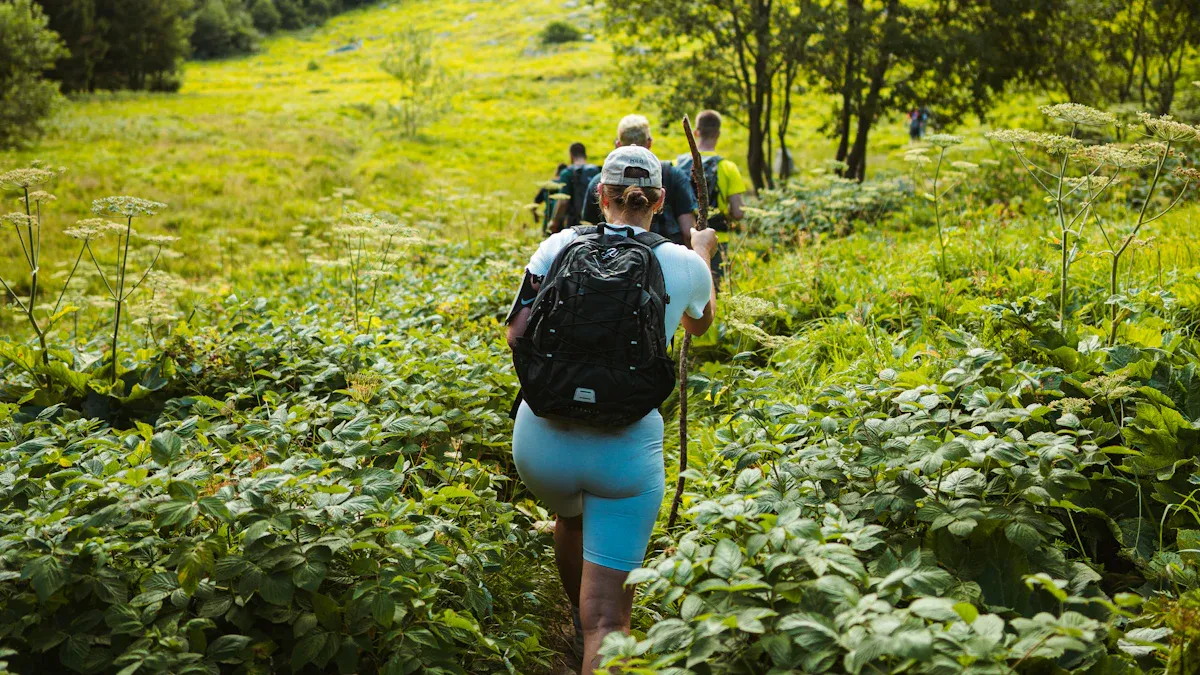
Hiking offers an incredible way to connect with nature while boosting your mood and improving your overall well-being. Imagine stepping onto a trail surrounded by stunning landscapes and fresh air, leaving the chaos of daily life behind. 🌲
As a beginner, you might worry about choosing the right trail, what gear you’ll need, or how to stay safe. Don’t let those concerns hold you back! With the right preparation and a solid Hiking Guide, hiking can become a rewarding adventure. You’ll not only enjoy the beauty of nature but also experience the mental therapy that comes with it. So lace up your boots and get ready to explore!
Key Takeaways
Choose beginner-friendly trails that match your skill level. Use resources like AllTrails to find suitable options.
Invest in proper hiking gear, including sturdy footwear and moisture-wicking clothing. This enhances comfort and safety.
Stay hydrated by drinking about 1 liter of water every two hours. Pack enough snacks for energy during your hike.
Prepare for your hike by checking trail conditions and weather forecasts. Always inform someone of your plans.
Follow trail etiquette by respecting nature and fellow hikers. Leave no trace and keep the trails clean.
Trail Selection for Beginners

Finding Local Trails
When you start hiking, picking the right trail is crucial. You want to choose trails that match your skill level and comfort. Here are some great resources to help you find local hiking trails:
AllTrails: This website offers a comprehensive database of trails across the U.S. You can filter by difficulty, length, and user ratings.
Hiking Project: This site provides detailed maps and descriptions of trails, making it easy to find beginner-friendly options.
Local Parks and Recreation Websites: Many parks have their own websites listing trails, including easy hikes perfect for beginners.
Some beginner-friendly trails to consider include:
Ozette Loop Trail: A 9-mile trek through old-growth forest and tide pools.
Hall of Mosses: Located in Olympic National Park, this trail showcases stunning old-growth forests.
Horseshoe Bend: A short 1.5-mile round trip hike with no elevation gain.
Twin Falls Trail: A family-friendly 2.4-mile hike leading to a beautiful waterfall.
Batsto Lake Trail: A flat 4.1-mile round trip hike in New Jersey, ideal for those just starting out.
Trail Difficulty Levels
Understanding trail difficulty levels helps you pick a hike that suits your abilities. Here’s a quick overview of the classifications:
Difficulty Level | Description |
|---|---|
T1 – Easy to Moderate | Well-defined tracks on easy terrain, suitable for beginners. |
Easy | No experience needed, hard-packed surface, minimal elevation changes. |
Moderate | Some experience needed, stable surfaces with occasional obstacles. |
Grade 1 | Easy walks on pavement or well-maintained paths. |
Grade 2 | Moderate walks with some difficult paths and potential hills. |
Grade 3 | More difficult walks on poorly maintained paths with steep climbs. |
As a beginner, aim for trails that are 2 to 5 miles long with minimal elevation gain. This way, you can enjoy the scenery without overexerting yourself. Remember, the goal is to have fun while exploring the great outdoors!
Essential Hiking Gear
Footwear and Clothing
Choosing the right footwear and clothing is crucial for a comfortable hiking experience. You want to protect your feet and stay warm or cool, depending on the weather. Here are some recommended types of hiking shoes for beginners:
Hiking Boots: These are durable and provide excellent ankle support and traction. They’re perfect for beginners who may need extra stability on uneven terrain.
Hiking Shoes: Similar to boots but without the ankle collar, these shoes offer a better range of motion and are lighter, making them a great choice for day hikes.
Trail Runners: If you prefer a less bulky option, trail runners are lightweight and designed for speed on trails.
When it comes to clothing, layering is key. You want to dress in materials that wick moisture and keep you comfortable. Here’s a quick look at effective materials for various weather conditions:
Material | Properties | Best Use Cases |
|---|---|---|
Merino Wool | Soft, breathable, moisture-wicking, quick-drying, odor-resistant | Cool to mild weather |
Polyester/Nylon | Excellent at wicking sweat, quick-drying, often treated to reduce odor | Warm weather, rain protection |
Fleece | Insulating, breathable, retains warmth | Cold weather as a mid-layer |
Silk | Soft, modest wicking ability, not very rugged | Mild conditions, luxury feel |
Cotton | Poor wicking, retains moisture, can cause hypothermia in cold conditions | Not recommended for hiking |
Tip: Always anticipate weather changes and dress in layers. A warm wool hat and gloves are great for winter hikes, while a sun hat with a brim is essential for summer outings.
Navigation and Safety Tools
Navigating the great outdoors can be tricky, especially for beginners. Having the right navigation tools can make all the difference. Here are some essential items to consider:
Tool | Best For | Key Features | Cost |
|---|---|---|---|
Gaia GPS | Serious hikers | 200+ map layers, route-planning tools, works offline | Free basic; Premium $40/year |
AllTrails+ | Casual & day hikers | Massive trail database, offline maps, Lifeline feature | Free; Pro $35.99/year |
FarOut | Long-distance hikers | Crowdsourced updates, ultra-lightweight, works offline | $8–60 per trail guide |
In addition to navigation tools, safety gear is a must. Here’s a basic list of items to include in your hiking first aid kit:
Bandages: Assorted sizes for small cuts and blisters.
Sterile dressing pads: To apply pressure to a wound and stop bleeding.
Multi-use tool or knife: Includes knife and scissors.
Forceps or tweezers: For removing splinters and ticks.
Pain relievers: Such as aspirin and ibuprofen.
Antiseptic towelettes: For cleaning wounds.
CPR microshield mask: For rescue breathing.
Note: It’s not enough to just carry a first aid kit; you need to know how to use it effectively. Familiarize yourself with the items and their uses before heading out.
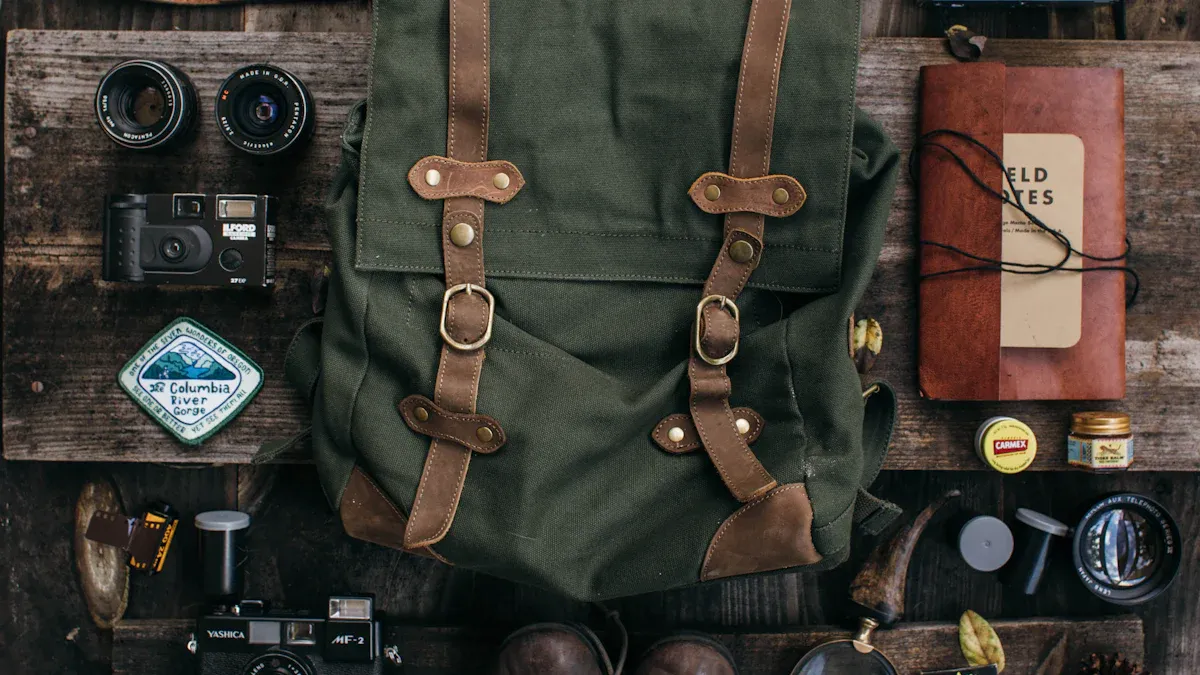
Investing in the right hiking gear will enhance your experience and keep you safe on the trails. Remember, preparation is key to enjoying your adventure!
Safety Basics for Hiking
Preparing for Your Hike
Before you hit the trail, preparation is key to ensuring a safe and enjoyable experience. Here are some essential tips to help you get ready:
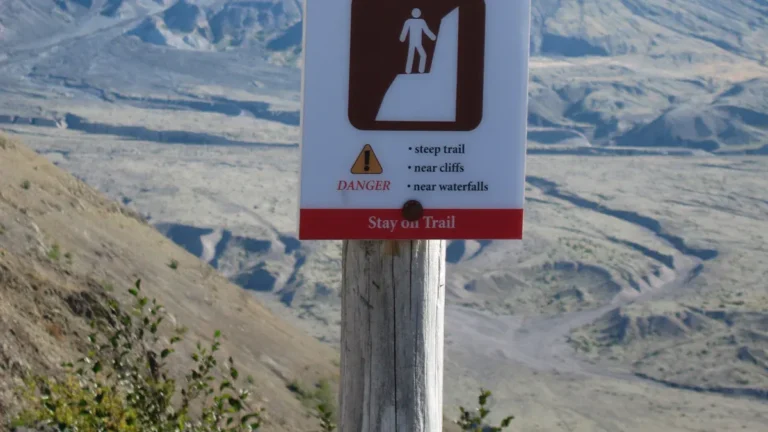
Check Trail Regulations and Conditions: Always verify the rules for the trail you plan to hike. Some trails may have specific regulations, and conditions can change due to weather or maintenance.
Neglecting Navigation: Familiarize yourself with the trail map and have a reliable navigation tool. Whether it’s a GPS device or a printed map, knowing where you’re going is crucial.
Skip the Weather Check: Always check the weather forecast before heading out. If storms are expected, consider postponing your hike.
Wear the Right Clothes and Shoes: Dress appropriately for the weather and wear suitable footwear. This can prevent discomfort and injuries.
Bring Enough Food and Water: Pack enough snacks and hydration for your hike. You should aim to drink about 1 liter (or 1 quart) of water for every two hours of hiking. Hydrate regularly, even if you don’t feel thirsty.
Don’t Forget the 10 Essentials: These include navigation tools, a first aid kit, extra clothing, food, water, a flashlight, a multi-tool, fire-starting materials, a whistle, and sun protection.
Inform Someone of Your Plans: Always tell a friend or family member where you’re going and when you expect to return. This is especially important if you’re hiking alone.
Don’t Let Fear Stop You: It’s normal to feel nervous, but preparation can help you feel more confident.
Here’s a quick table summarizing some emergency preparedness steps for first-time hikers:
Step/Item | Description/Details |
|---|---|
First Aid Knowledge | Understand how to care for burns, lacerations, bites, stings, allergic reactions, and simple breaks. |
Weather Planning | Check the weather forecast and be flexible with your route if inclement weather is expected. |
Communication | Inform loved ones of your plans, route, and ETA before starting your hike. |
Essential Packing | Pack a lightweight backpack, weather-appropriate clothing, food, water, navigation tools, and a first aid kit. |
Emergency Action Plan | Develop a plan for likely emergencies, including emergency contact numbers and actions to take in a crisis. |
Hydration and Nutrition
Staying hydrated and well-nourished is vital for a successful hike. Here are some essential tips to keep in mind:
Hydration: As mentioned earlier, drink about 1 liter of water for every two hours of hiking. This helps prevent dehydration, which can lead to fatigue and decreased performance. Remember to sip water regularly instead of waiting until you feel thirsty.
Snacks and Meals: Choose snacks that provide quick energy and are easy to carry. Here’s a handy table of recommended snacks for maintaining energy during your hike:
Snack Type | Description | Best Use Case |
|---|---|---|
Simple Carbohydrates | Provide quick energy but lack other nutrients. | When starting a strenuous section of the trail or feeling low on energy. |
Sandwiches | Simple and satisfying, easy to pack. | A good option for a quick meal on the go. |
Clif Bloks | Chewy gummies that provide quick sugars and electrolytes. | To prevent ‘bonking’ during prolonged exertion. |
Dried Fruits & Nuts | Offer a mix of quick energy and long-lasting protein and fat. | Great for sustained energy throughout the hike. |
Energy Gummies | Made of simple sugars for quick energy. | Useful when immediate energy is needed without stopping for a meal. |
Trail Etiquette: Respecting fellow hikers and the environment is part of being a responsible hiker. Here are some key principles to follow:
Leave No Trace: Follow the 7 principles to minimize your impact on the landscape.
Right of Way: Uphill hikers have the right of way; communicate with others on narrow trails.
Music: Avoid playing music on speakers to respect the natural sounds and fellow hikers.
Trash: Always pack out what you pack in to keep the trails clean.
By preparing properly and staying hydrated, you’ll set yourself up for a successful hiking adventure. Remember, the more you prepare, the more you can enjoy the beauty of nature!
Hiking opens up a world of adventure and connection with nature. Remember, preparation is key! Always check the weather, wear appropriate clothing, and pack enough food and water. Many beginners abandon hiking due to poor gear choices or lack of preparation. To keep your hiking journey enjoyable, choose well-marked trails and consider hiking in groups for support.
FAQ
What should I wear for hiking?
Wear moisture-wicking clothing and sturdy footwear. Dress in layers to adapt to changing weather. A hat and sunglasses can protect you from the sun.
How much water should I bring?
You should drink about 1 liter of water for every two hours of hiking. Always carry extra water, especially on hot days.
Can I hike alone as a beginner?
While you can hike alone, it’s safer to go with a friend or group. This way, you have support in case of emergencies.
What if I encounter wildlife on the trail?
Stay calm and keep your distance. Do not feed or approach wildlife. Make noise to alert animals of your presence.
How do I find beginner-friendly hiking trails?
Use resources like AllTrails or local park websites to find trails suitable for beginners. Look for trails marked as easy or moderate.